


 Deutsch
 English
 Español
 Français
 Nederlands
 Português


 Share
Share




Europol Operation 2026: 1.2 Billion Euros in Counterfeit Cash Stopped in Postal Sting
In a landmark international law enforcement operation, Europol has successfully intercepted an estimated 1.2 billion euros worth of counterfeit currency that was being distributed through postal systems across Europe and beyond. The massive seizure, announced in February 2026, represents one of the largest counterfeit cash busts in European history and highlights the sophisticated methods criminal networks are using to flood markets with fake money.
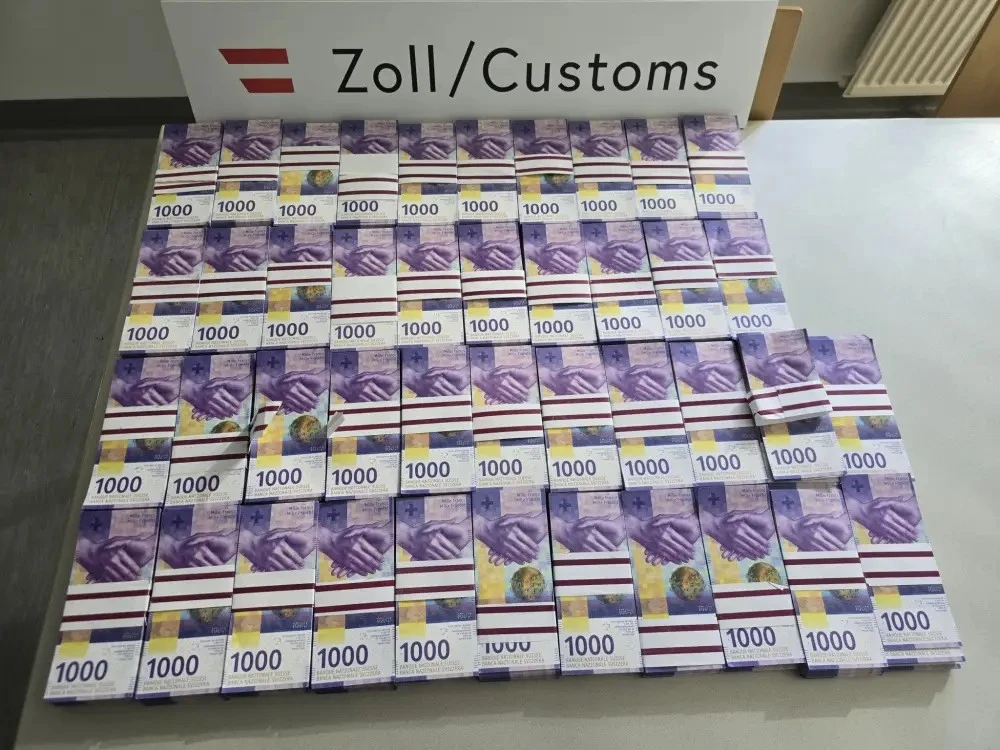
What is Operation DECOY III?
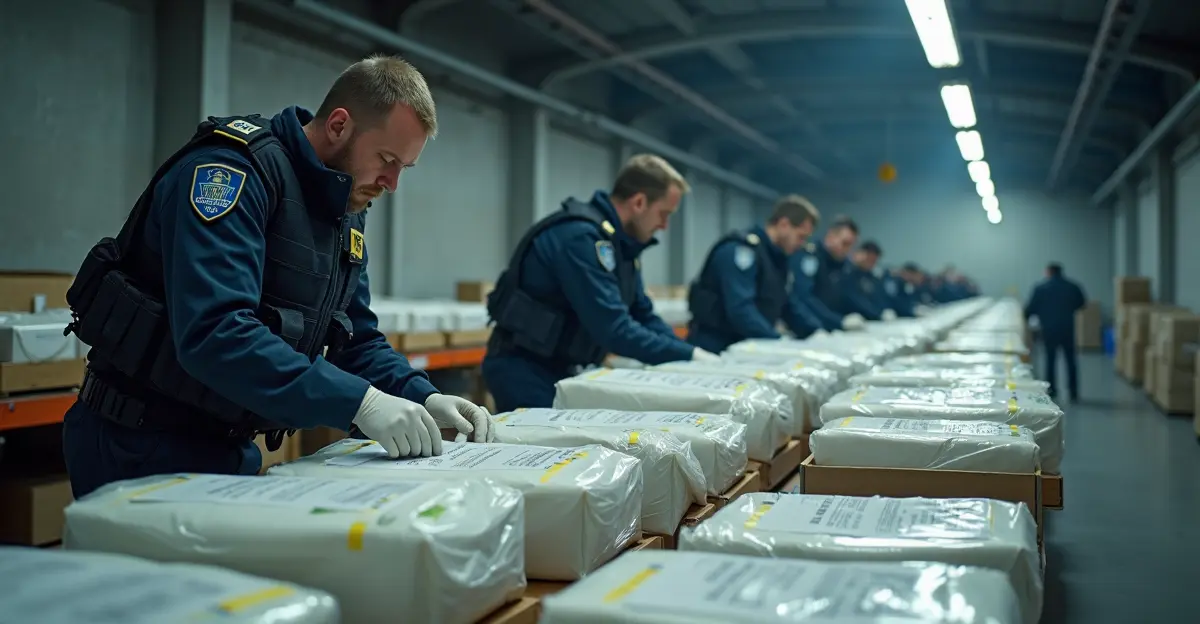
Operation DECOY III was a coordinated international police action that ran from June to November 2025, targeting criminal networks distributing counterfeit currency through postal services. The operation was led by law enforcement agencies from Austria, Portugal, and Spain, with coordination provided by Europol, the European Union's law enforcement agency. According to Europol's official announcement, the operation involved authorities from 18 countries working together to track and intercept shipments of fake money before they could enter circulation.
The scale of this operation demonstrates the growing threat of international financial crime networks that exploit global postal systems. 'This operation shows our commitment to protecting the integrity of our currencies and financial systems,' stated a Europol spokesperson in their official release.
Key Findings and Seizures
The operation yielded staggering results across multiple countries:
Massive Quantities Intercepted
- Total value prevented from circulation: €1.2 billion
- Number of counterfeit items seized: Over 7 million
- Postal packages intercepted: 379 parcels
- New investigations triggered: 70 cases
Major Country-Specific Seizures
Romanian authorities made the largest single seizure, intercepting more than 4.8 million altered-design euro banknotes. They also dismantled a storage facility containing over 223,000 counterfeit notes that had been shipped from China. In Portugal, the United Kingdom, and the United States, authorities discovered more than 220,000 counterfeit coins in euros, British pounds, and US dollars through three separate seizures.
Currency Breakdown
The seized counterfeit items included:
- Euro banknotes and coins
- US dollar bills and coins
- British pound notes and coins
- Swiss franc banknotes
The China Connection: Source of 90% of Counterfeit Currency
One of the most significant findings from Operation DECOY III was the overwhelming connection to China. Europol reported that more than 90% of the seized counterfeit currency originated from shipments traced back to China. This revelation has prompted Europol to intensify efforts to improve cooperation with Chinese authorities to combat counterfeit currency production at its source.
The European Central Bank and European Commission are now working alongside Europol to strengthen collaboration with Chinese law enforcement agencies. This approach mirrors previous successful international anti-counterfeiting initiatives that have targeted production facilities rather than just distribution networks.
How Counterfeit Currency Enters Circulation
Criminal networks have increasingly turned to postal services as a distribution method for several reasons:
- Lower Risk: Postal shipments attract less scrutiny than bulk cargo shipments
- Global Reach: International mail systems provide access to markets worldwide
- Anonymity: Senders can use false identities and addresses
- Cost Efficiency: Shipping small quantities via post is cheaper than other methods
The operation revealed that criminal organizations were using sophisticated packaging techniques to avoid detection by customs and postal inspection systems. This trend represents a significant shift from traditional organized crime money laundering methods to more technologically advanced distribution networks.
International Cooperation and Future Implications
Operation DECOY III demonstrates the effectiveness of international law enforcement cooperation. The involvement of 18 countries, including non-EU nations like the United States and United Kingdom, shows the global nature of the counterfeit currency threat. Europol received support from the European Anti-Fraud Office (OLAF), which assisted with information exchange and helped identify suspicious packages.
The success of this operation has several important implications:
- Enhanced Postal Security: Postal services worldwide are likely to implement stricter screening procedures
- Improved International Cooperation: Europol's efforts to work with Chinese authorities may lead to more source-country interventions
- Financial System Protection: Preventing €1.2 billion in fake currency from entering circulation protects economies from inflation and financial instability
- Criminal Network Disruption: The 70 new investigations may lead to further dismantling of organized crime operations
FAQ: Europol's Counterfeit Currency Operation
What is Europol?
Europol is the European Union's law enforcement agency that helps member states combat serious international crime and terrorism. Based in The Hague, Netherlands, it serves as a central hub for criminal intelligence and operational coordination across Europe.
How much counterfeit currency was seized?
Authorities prevented approximately €1.2 billion worth of counterfeit currency from entering circulation, including over 7 million individual counterfeit items across multiple currencies.
Which countries were most affected?
While the operation involved 18 countries, Romania made the largest single seizure (4.8 million euro banknotes), and Portugal, the UK, and US intercepted significant quantities of counterfeit coins.
Why is China mentioned as a source?
Europol reported that over 90% of the seized counterfeit currency was traced to shipments originating from China, highlighting the need for improved international cooperation to address production at the source.
What happens to seized counterfeit currency?
Seized counterfeit currency is typically analyzed for forensic evidence, then destroyed to prevent any possibility of it entering circulation. The information gathered from seized items helps authorities track criminal networks and improve detection methods.





Follow Discussion