


 Deutsch
 English
 Español
 Français
 Nederlands
 Português


 Share
Share




What is the current cost of the US-Iran war?
The United States has officially spent $25 billion on the war with Iran, according to the Department of Defense. Defense Secretary Pete Hegseth disclosed this figure during a contentious six-hour congressional hearing where lawmakers from both parties questioned the accuracy and scope of the reported costs. The US-Iran war cost is expected to rise significantly as military operations continue in the Middle East.
Breakdown of the $25 Billion War Cost
The Pentagon's $25 billion estimate covers munitions, troop deployment, and naval operations. A large portion stems from expensive missile systems. Approximately 1,200 Patriot missiles have been fired, each costing around $4 million. In addition, about 1,000 Tomahawk cruise missiles have been used, at roughly $2 million per unit. In total, the military has struck 13,000 targets since the conflict began.
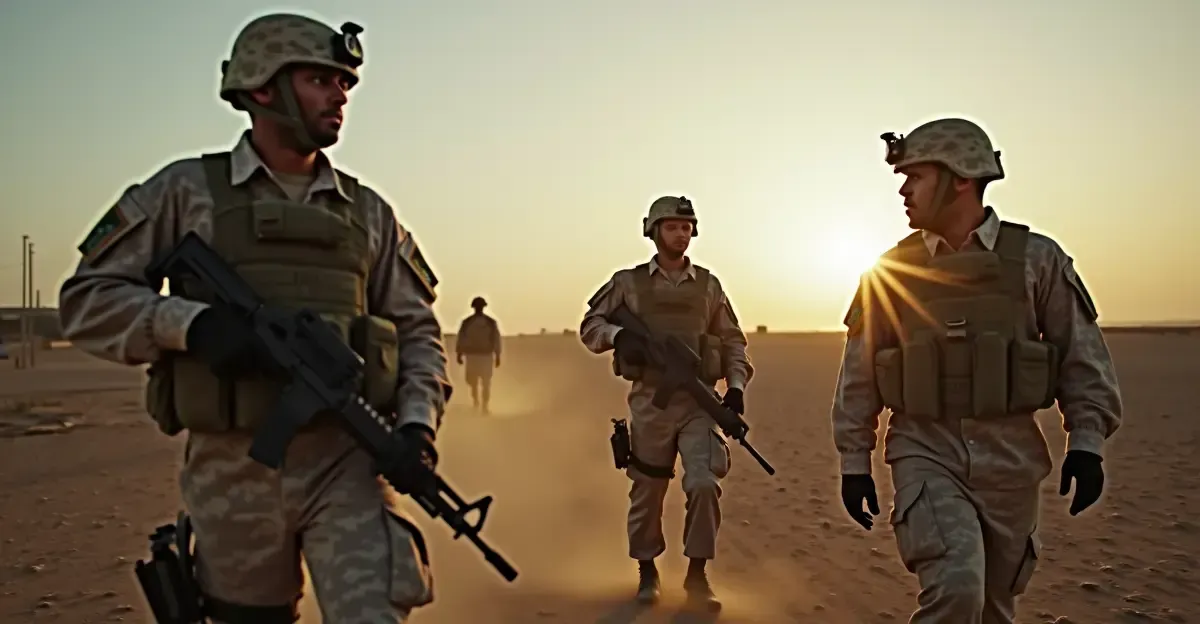
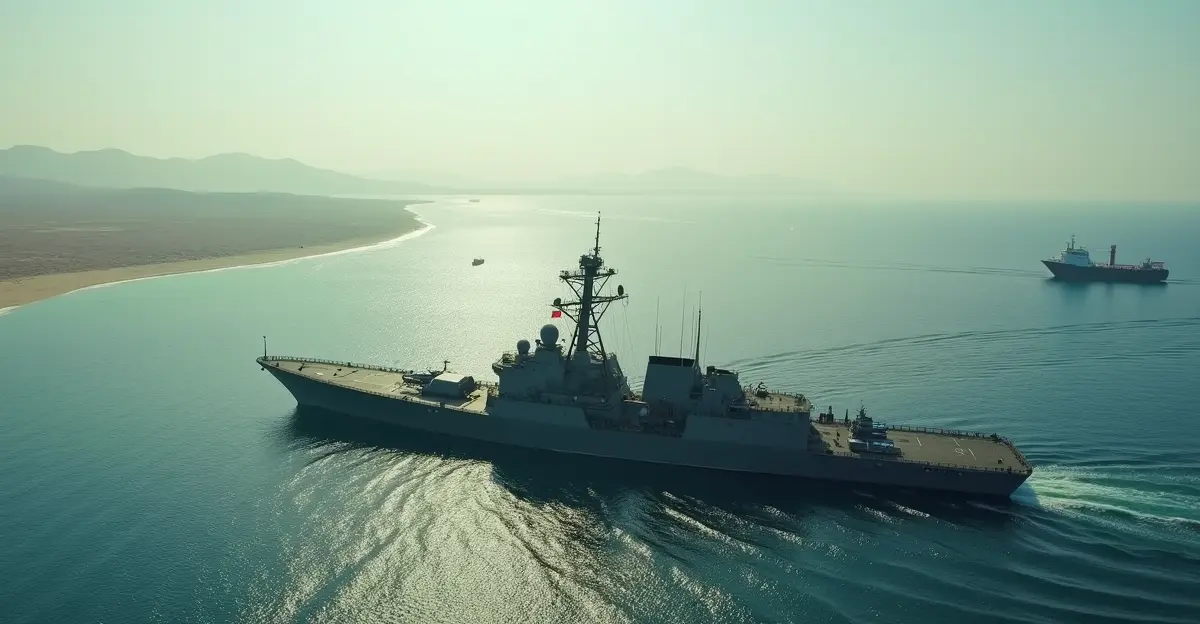
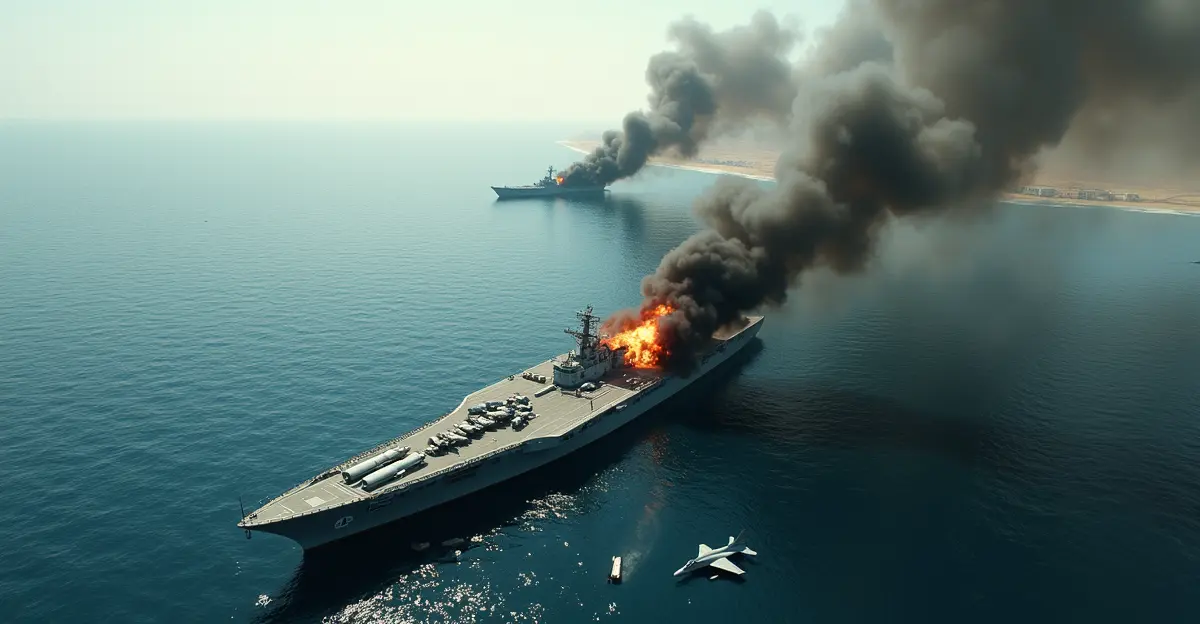
Beyond munitions, the US has deployed 50,000 troops to the region, established a blockade of the Strait of Hormuz, and positioned three aircraft carriers in the area. 'That is quite unique,' said US correspondent Jan Postma. 'They have a massive number of personnel there, and it all costs money.'
Real Costs Could Be Double the Official Figure
According to sources within the Pentagon cited by CNN, the actual cost may be far higher than the $25 billion reported. 'People inside the Pentagon say it could easily be double: $40 to $50 billion,' Postma added. Early in the war, nine US bases were struck and radar installations were damaged. These repairs may not yet be reflected in the official budget.
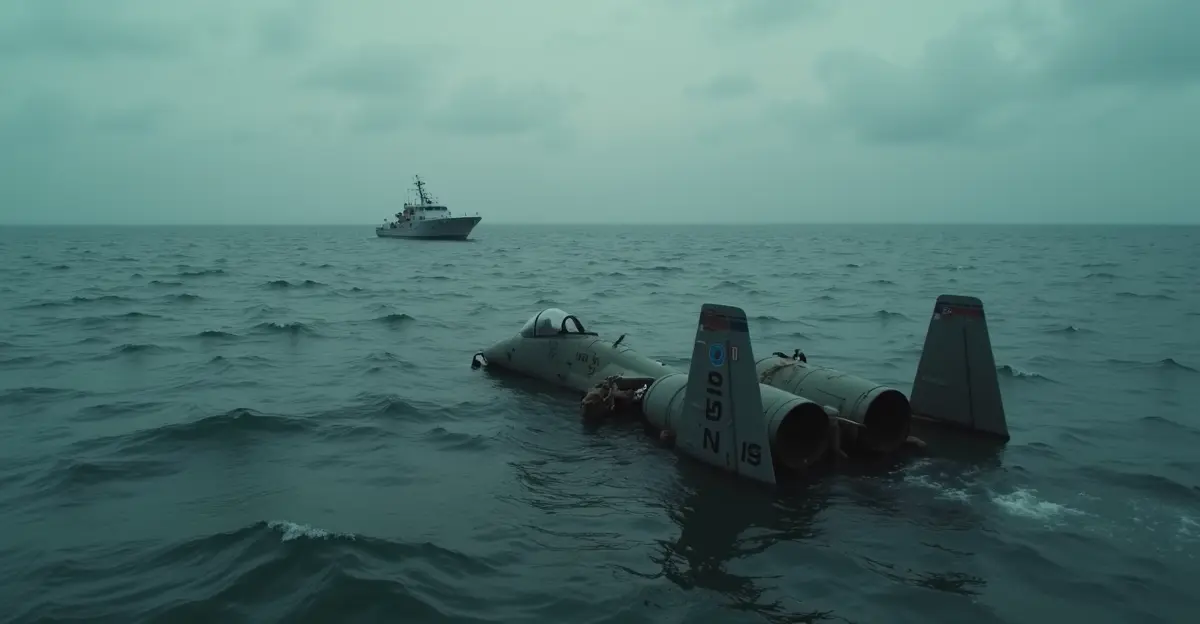
The strain on US munitions stockpiles is severe. Normally, the US purchases about 100 Tomahawk missiles per year; the conflict has already consumed 1,000. 'Right now, missiles are being moved from other parts of the world to the Middle East,' Postma noted. 'That comes at the expense of other regions.' This situation is reminiscent of the US military readiness challenges seen in previous prolonged conflicts.
Equipment and Personnel Fatigue
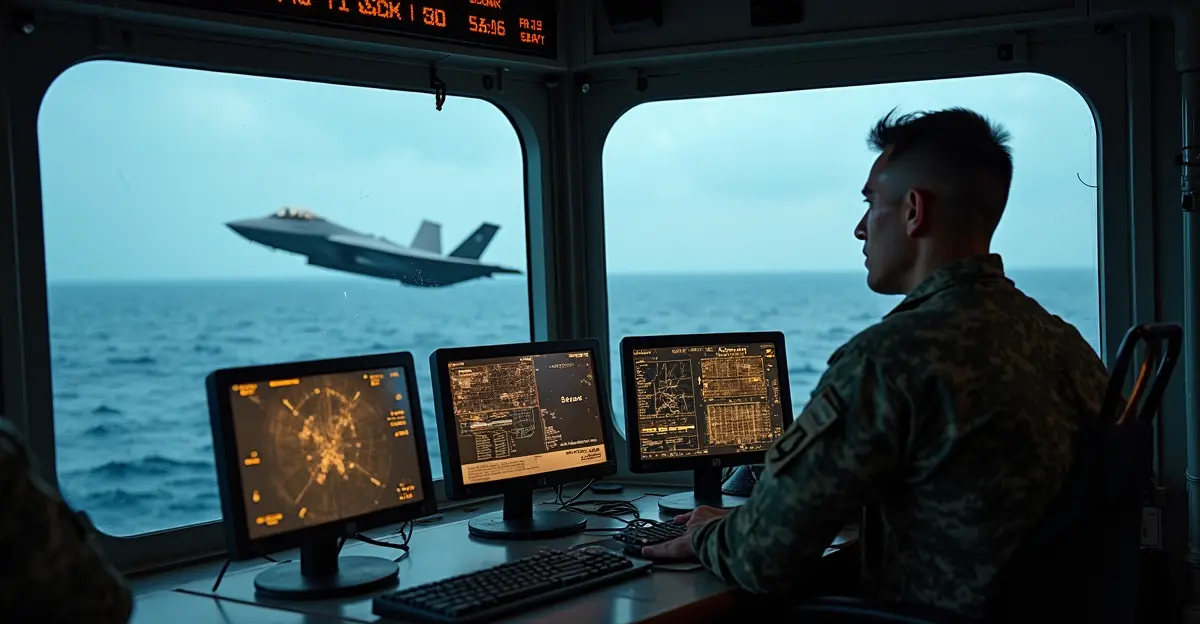
The USS Gerald R. Ford, the newest and largest US aircraft carrier, recently completed a ten-month deployment and is returning for major maintenance. Lawmakers expressed concern about crew exhaustion, but Hegseth dismissed those worries. The strain on both equipment and personnel is mounting as the conflict drags on.
Congressional Criticism and Budget Disputes
The hearing was originally about the Department of Defense's proposed budget increase from $1 trillion to $1.5 trillion. Democrats, and even some Republicans, voiced skepticism about the $25 billion figure. 'Democrats don't believe the $25 billion number and say it must be higher,' Postma reported. 'The first six days alone cost $11 billion.' A previous White House request for an additional $200 billion for the war has further fueled distrust.
Criticism also focused on a bombed school that resulted in civilian casualties. Democrats argued the administration is straying from its 'America First' policy by diverting funds from healthcare and education. The debate highlights the growing tension over the economic impact of the Iran conflict on domestic programs.
Impact on US Munitions and Global Posture
The rapid depletion of precision-guided munitions is reshaping US global military strategy. With Tomahawk and Patriot inventories running low, the Pentagon is forced to redistribute assets from other theaters, potentially weakening deterrence in Europe and Asia. This logistical challenge echoes concerns about NATO defense spending targets and allied burden-sharing.
FAQ: US Iran War Costs
How much has the US spent on the Iran war so far?
The Pentagon officially reports $25 billion, but sources suggest the real figure could be $40-50 billion when including repairs and replenishment.
What are the main cost drivers?
Munitions account for a large share: 1,200 Patriot missiles ($4M each) and 1,000 Tomahawk missiles ($2M each), plus 50,000 troops, three aircraft carriers, and a naval blockade.
Why do critics say the official number is too low?
Early war costs included $11 billion in the first six days, and damaged bases and radar installations needing repair may not be fully accounted for yet.
How does this affect US military readiness?
Munitions stockpiles are strained, with missiles being moved from other regions to the Middle East, reducing readiness elsewhere. The USS Gerald R. Ford carrier also requires major maintenance after ten months of deployment.
What is the proposed defense budget increase?
The Trump administration has requested an increase from $1 trillion to $1.5 trillion for the Department of Defense, with an additional $200 billion sought specifically for the Iran war.
Sources
BNR Nieuwsradio, 'VS al 25 miljard kwijt aan Iran-oorlog: Werkelijke kosten mogelijk veel hoger', April 30, 2026. CNN reporting on Pentagon sources. Congressional testimony by Secretary Pete Hegseth.
Follow Discussion