


 Deutsch
 English
 Español
 Français
 Nederlands
 Português


 Share
Share




What is the Iran War Cost?
The United States Department of Defense has revealed that the first week of military operations against Iran cost approximately $11 billion, according to Pentagon officials. This staggering figure represents what acting Under Secretary of Defense Jules Hurst III called a 'rough estimate' during a recent defense summit in Washington, highlighting the extraordinary financial burden of modern warfare. The announcement comes as the Pentagon prepares to submit a supplemental budget request to Congress, with expectations that the total could reach at least $50 billion for ongoing operations.
Background: Operation Epic Fury and Escalating Tensions
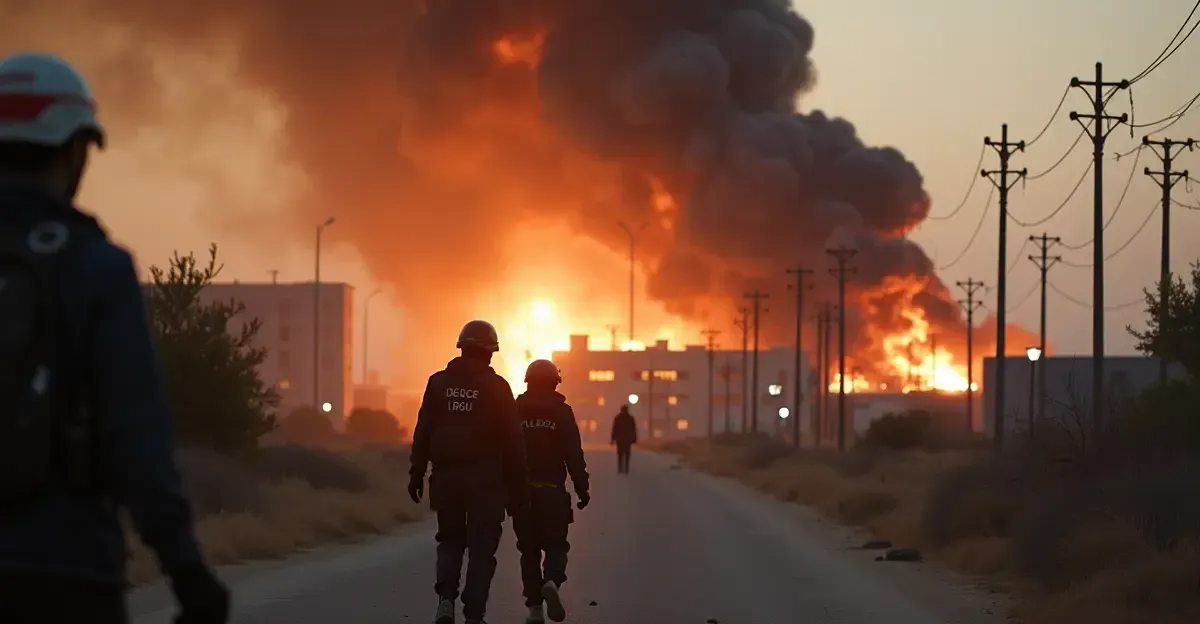
The conflict, known internally as 'Operation Epic Fury,' represents a significant escalation in the long-standing tensions between the United States and Iran. Following the collapse of diplomatic efforts and the reinstatement of maximum pressure sanctions in early 2025, military action began in February 2026 with joint U.S.-Israeli operations targeting Iranian military infrastructure. The conflict has drawn comparisons to previous Middle East military engagements in terms of scale and complexity, though the financial costs appear to be unprecedented for such a short timeframe.
Breakdown of Military Expenditures
While the Pentagon has not provided a detailed breakdown of the $11 billion expenditure, defense analysts suggest several major cost categories:
- Aerial operations: Deployment of advanced fighter jets, bombers, and surveillance aircraft
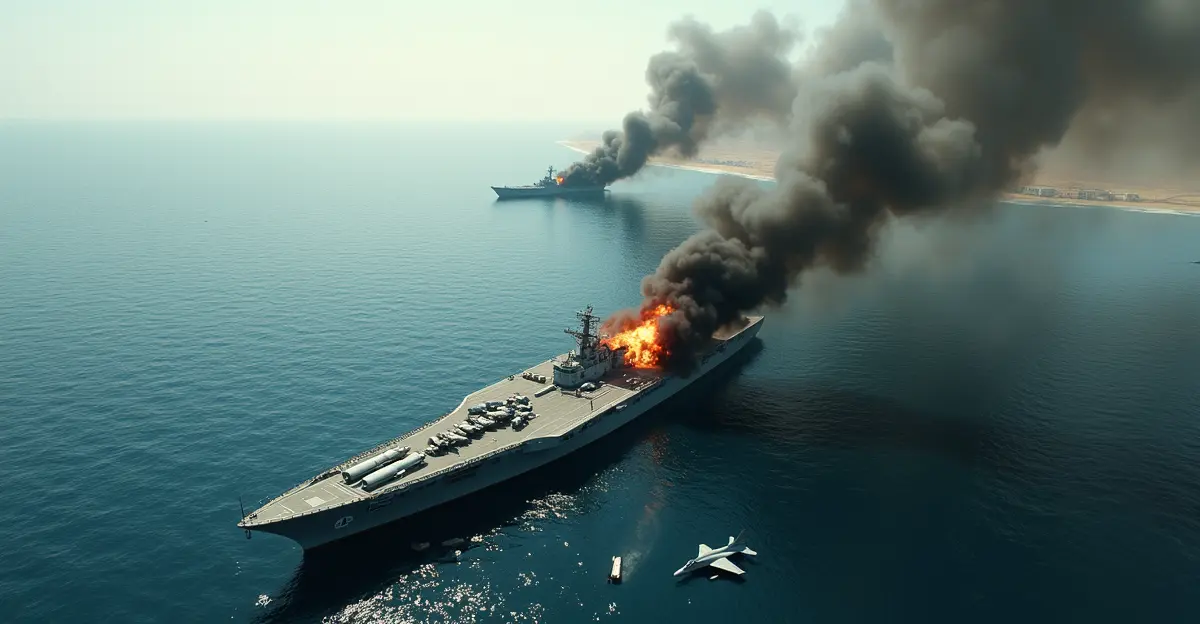
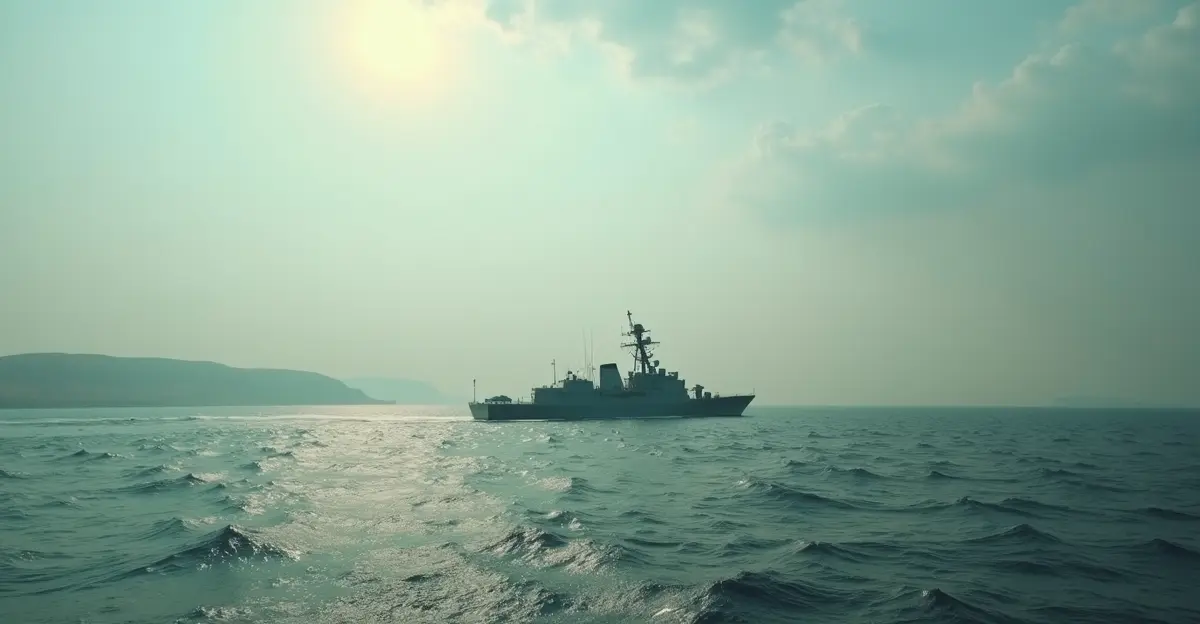
- Naval deployments: Carrier strike groups and support vessels in the Persian Gulf
- Munitions expenditure: Precision-guided missiles, bombs, and other ordnance
- Fuel and logistics: Massive consumption of aviation and marine fuels
- Personnel costs: Hazard pay, transportation, and support for deployed forces
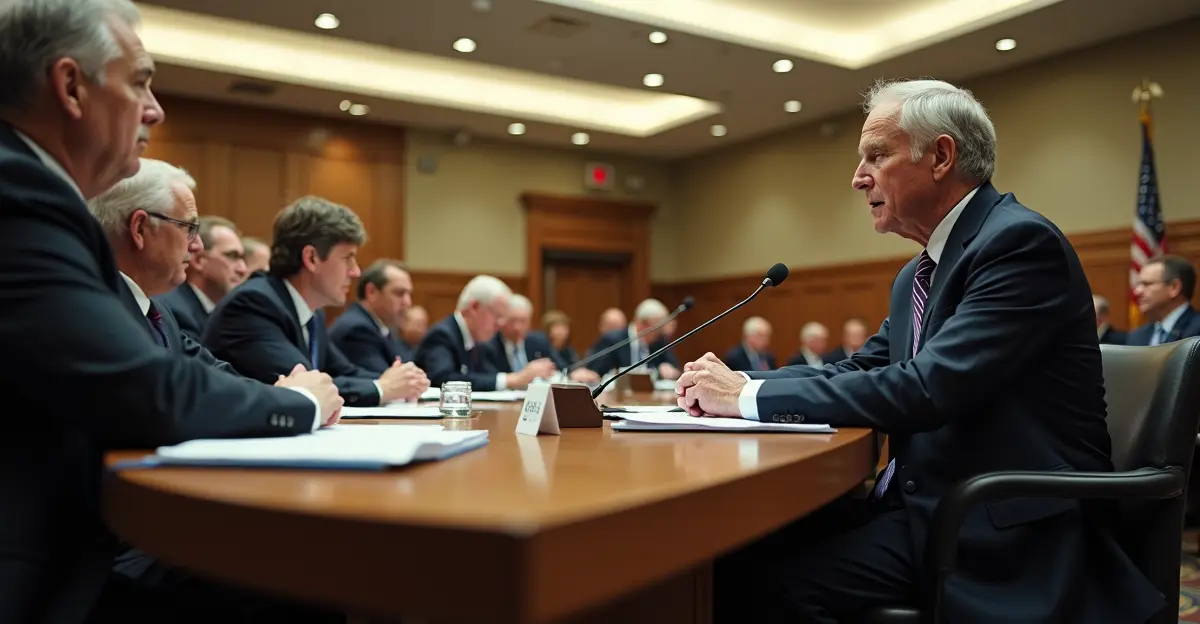
Democratic Senator Chris Coons has questioned whether the $11 billion figure includes all operational costs, telling reporters: 'I don't know if that amount also includes all the operational costs of ships, aircraft, fuel, and personnel.'
Political Challenges: Congressional Approval Uncertain
The Pentagon's forthcoming supplemental budget request faces significant political hurdles in Congress. According to Politico, Republican leaders have indicated they feel no urgency to increase the existing $1 trillion defense budget, arguing the administration hasn't demonstrated financial strain from the conflict. Meanwhile, Democrats appear unlikely to support the measure, with at least seven Democratic senators needed to reach the 60-vote threshold required for passage.
The political landscape is further complicated by public opinion. A Quinnipiac University poll reveals that more than half of American voters oppose U.S. military action in Iran, creating additional pressure on lawmakers facing re-election. This public sentiment mirrors concerns about the long-term economic impact of sustained military engagement.
Comparative Cost Analysis
External analysts have offered varying estimates of the conflict's costs. The Center for Strategic and International Security estimated the first 100 hours of air and sea attacks at $3.7 billion, significantly lower than the Pentagon's $11 billion figure for the first week. This discrepancy highlights the challenges in accurately calculating wartime expenditures, particularly when considering classified operations and long-term equipment replacement costs.
Strategic Implications and Future Projections
The $11 billion first-week cost raises serious questions about the sustainability of current military operations. Pentagon officials emphasize that their supplemental budget request will focus not only on replacing expended systems but also on developing new capabilities. 'We want to make sure we make the right investments and develop the right capabilities,' Hurst stated. 'So it's not just about replacing existing systems, but also about acquiring new systems.'
Military experts warn that continued operations at this financial scale could have broader economic consequences, potentially impacting defense budget allocations for other strategic priorities. The conflict's duration and intensity will ultimately determine whether the $11 billion first-week figure represents an anomaly or establishes a new baseline for modern warfare costs.
Frequently Asked Questions
How much did the first week of the Iran war cost?
The Pentagon estimates the first week of military operations against Iran cost approximately $11 billion, according to acting Under Secretary of Defense Jules Hurst III.
What is Operation Epic Fury?
Operation Epic Fury is the internal U.S. military designation for the ongoing conflict with Iran that began in February 2026, involving joint U.S.-Israeli operations against Iranian military targets.
Will Congress approve additional funding for the Iran war?
Approval appears uncertain, with Republican leaders expressing reluctance to increase the defense budget and Democrats unlikely to provide the necessary votes for passage.
How does this cost compare to other military operations?
The $11 billion first-week cost exceeds initial estimates for comparable operations, though external analysts have offered lower figures ranging from $3.7 billion for the first 100 hours.
What factors contribute to such high war costs?
Major cost drivers include advanced aircraft deployments, naval operations, precision munitions expenditure, fuel consumption, and personnel expenses for deployed forces.
Follow Discussion