


 Deutsch
 English
 Español
 Français
 Nederlands
 Português


 Share
Share




What is Operation Epic Fury?
The United States military campaign against Iran, codenamed Operation Epic Fury, has incurred staggering financial costs in its initial phase, with the first 100 hours alone costing approximately 3.2 billion euros (3.7 billion dollars). This comprehensive analysis examines the economic impact of the conflict that began on February 28, 2026, with massive US strikes targeting Iranian military infrastructure and leadership positions.
Breaking Down the Initial Costs
According to research from the Center for Strategic and International Studies (CSIS), a respected Washington-based think tank, the daily cost of the Iran war averages between 650 million and 870 million euros per day. The breakdown reveals three primary expense categories:
- Munitions Replacement (3.1 billion euros): The largest expense comes from replacing over 2,000 precision munitions fired during the initial phase
- Operational Costs (196 million euros): Including air operations (125 million), naval operations (64 million), and ground operations (7 million)
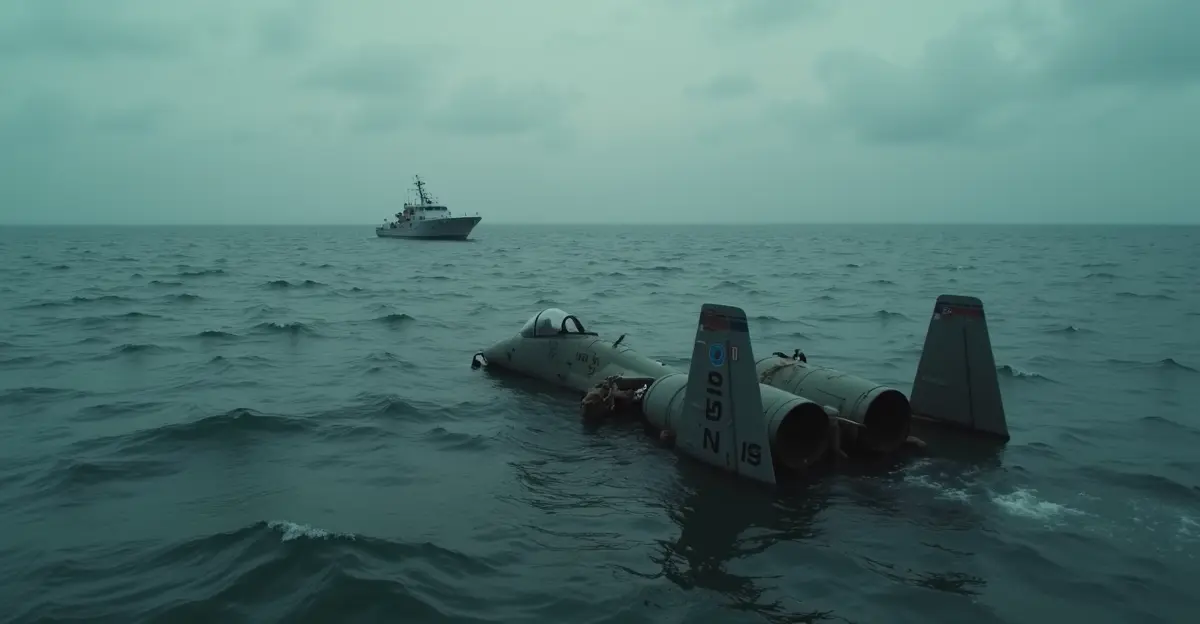
- Combat Losses and Infrastructure Damage (350 million euros): Including three F-15 fighter jets lost in a friendly-fire incident
Weapon System Costs: A Pricey Arsenal
The high expenditure stems from sophisticated weapon systems deployed against Iranian targets. A single Patriot air defense missile costs 3-4 million euros to fire, while Tomahawk cruise missiles run approximately 3.2 million euros each. In contrast, Iranian Shahed drones used in asymmetric warfare cost only 20,000-50,000 euros to produce, creating a significant cost imbalance that strains US defense budgets.
Kent Smetters, director of the Penn Wharton Budget Model, provided sobering projections: 'In a scenario where the war ends relatively quickly, we estimate costs around 40 billion euros. If hostilities continue beyond two months, expenses could reach 100 billion euros.' These figures exclude broader economic impacts like inflation spikes and oil price increases, which could push total economic costs to 210 billion dollars.
Economic Impact and Global Consequences
The Iran conflict has triggered immediate global economic repercussions. Oil prices surged to over $115 per barrel after Iran effectively closed the Strait of Hormuz, disrupting approximately 20% of global oil shipments. This energy shock has created stagflationary pressures, simultaneously slowing economic growth while increasing inflation worldwide.
Similar to the 2022 Russia-Ukraine conflict economic impact, the Iran war has caused European natural gas prices to nearly double following attacks on Qatari gas facilities. Aviation and tourism sectors face severe disruptions as Gulf states close airspace, grounding thousands of flights and affecting major carriers like Emirates Airlines.
Budgetary Challenges and Political Implications
Approximately 3.5 billion euros of the initial war costs fall outside existing defense budgets, requiring supplemental appropriations from Congress. This creates significant political challenges for the Trump administration, with opposition lawmakers highlighting the financial burden on American taxpayers.
The US defense budget allocation process faces unprecedented strain as munitions replacement alone accounts for 3.1 billion euros in unbudgeted expenses. Congressional debates now center on emergency funding mechanisms and the long-term fiscal sustainability of continued military operations.
Future Projections and Cost Mitigation
CSIS analysts note that potential cost reductions could come from transitioning to less expensive munitions and decreased Iranian drone and missile launches. However, the intensity of operations remains the primary determinant of future expenditures.
The conflict's economic ripple effects extend beyond direct military spending. Global stock markets have declined, with the Dow Jones falling over 400 points on March 2, 2026. Analysts warn of potential recession risks and long-term food price hikes due to disruptions in fuel and fertilizer markets, similar to concerns raised during the global food crisis 2024.
Frequently Asked Questions
How much does the Iran war cost per day?
The Iran war costs between 650 million and 870 million euros per day, according to CSIS and Congressional estimates respectively.
What are the main expense categories?
The three main categories are munitions replacement (3.1 billion euros), operational costs (196 million euros), and combat losses/infrastructure damage (350 million euros).
How does this compare to previous conflicts?
The daily cost exceeds initial phases of recent conflicts, driven by expensive precision munitions and sophisticated air defense systems.
Who pays for these war costs?
American taxpayers bear the burden through supplemental defense appropriations, with most expenses falling outside existing budgets.
What are the long-term economic impacts?
Potential impacts include sustained high oil prices, global inflation increases, stock market volatility, and possible recession in affected regions.



Follow Discussion