


 Deutsch
 English
 Español
 Français
 Nederlands
 Português


 Share
Share




Semiconductor Supply Chain Crisis: 2026 Geopolitical Bottleneck Analysis
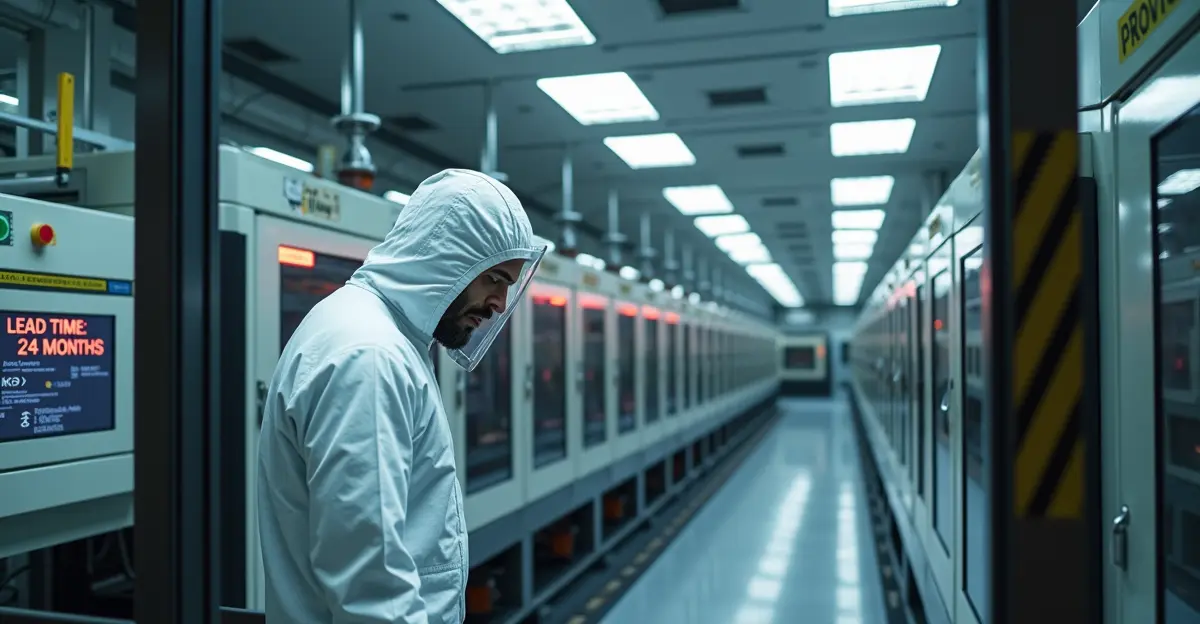
The global semiconductor industry is facing unprecedented pressure in early 2026 as escalating Middle East tensions create systemic bottlenecks threatening everything from automotive production to AI infrastructure. With helium prices surging approximately 50%, shipping delays adding 20-30 days to logistics, and major manufacturers implementing price increases ranging from 15-85%, the global technology sector is confronting what analysts describe as a perfect storm of geopolitical instability, concentrated production, and AI-driven demand.
What is the 2026 Semiconductor Supply Chain Crisis?
The 2026 semiconductor supply chain crisis represents a multi-faceted disruption affecting the global electronics manufacturing ecosystem. Unlike previous shortages driven by pandemic-related issues, this crisis stems from geopolitical tensions in the Middle East that have exposed critical vulnerabilities in specialized material supplies and logistics networks. The crisis threatens to delay production across multiple industries and could add billions in costs to technology products worldwide.
The Geopolitical Trigger: Middle East Tensions Escalate
In March 2026, renewed conflict in the Middle East has created immediate pressure points on semiconductor manufacturing. According to supply chain analysts, Iranian drone strikes on Qatar's Ras Laffan helium processing facility have forced production offline, threatening 2-3 month production halts with 4-6 month recovery times. Qatar supplies over one-third of the world's helium, which is essential for cooling and creating inert atmospheres during chip manufacturing.
Additionally, Israel and Jordan account for two-thirds of global bromine production, another critical semiconductor material used in etching processes. The conflict also threatens shipping routes through the Strait of Hormuz, potentially stranding critical semiconductor fabrication equipment and adding 20-30 days to shipping schedules.
Material Shortages: The Helium Crisis Deepens
Why Helium Matters for Semiconductors
Helium serves as a critical cooling agent in semiconductor lithography processes and is essential for creating contamination-free environments during chip production. With Qatar's facilities offline, the global helium supply has tightened dramatically. According to The Oregon Group analysis, helium spot prices have doubled, with potential for 50-200% spikes in severe shortage scenarios. South Korean chipmakers are already paying premiums for limited supplies.
Concentrated Production Risks
The vulnerability stems from extreme concentration in helium production, with the U.S. and Qatar producing over 85% of global supply. This geographic concentration creates single points of failure that the Middle East conflict has now exposed. Transportation challenges compound the problem, as helium tends to evaporate during transit, making timely delivery critical for manufacturing continuity.
Price Increases and Market Impact
Major semiconductor manufacturers have responded to the crisis with significant price adjustments effective April 1, 2026. According to market research, price increases range from 15-85% across different product categories:
- High-Bandwidth Memory (HBM): Capacity completely sold out, secondary market prices up 150%
- Standard DRAM and NAND flash: 40-80% price increases
- Microcontrollers and analog ICs: 15-85% hikes from manufacturers like TI, ADI, and NXP
- Power devices and passive components: 10-30% increases
These price adjustments reflect not only material cost increases but also the strategic importance of semiconductors in the AI infrastructure boom. AI servers consume approximately 30 times more memory than standard servers, creating unprecedented demand pressure on already strained supply chains.
TSMC's Dominant Position and Systemic Risk
Taiwan Semiconductor Manufacturing Company (TSMC) controls approximately 70% of the global foundry market for advanced semiconductors, creating significant systemic risk. Despite reporting record Q1 2026 revenue of NT$1.13 trillion ($35.6 billion), representing a 35% year-over-year increase, the company faces mounting pressure from supply chain disruptions. TSMC's concentration in Taiwan creates additional geopolitical risk beyond the Middle East tensions, as any disruption to Taiwanese production would have catastrophic consequences for global technology sectors.
"The semiconductor industry is experiencing its most severe supply chain stress test since the pandemic," notes a supply chain analyst from Gartner. "We're seeing material inflation of 10-18%, potential delays in advanced fab construction of 3-6 months costing $500 million to $3 billion per facility, and threats to the global AI infrastructure expansion."
Shipping and Logistics Bottlenecks
The Middle East conflict has created severe shipping disruptions through critical corridors like the Strait of Hormuz. Shipping delays of 20-30 days are now common, stranding semiconductor fabrication equipment and creating ripple effects throughout manufacturing schedules. These logistical challenges compound material shortages, creating a multi-layered crisis that procurement teams are struggling to navigate.
AI Demand Creates Perfect Storm Conditions
The timing of this supply chain crisis coincides with unprecedented demand for AI infrastructure. According to a 2024 McKinsey analysis, global demand for AI-ready data center capacity is growing at approximately 33% annually through 2030, with AI workloads expected to consume roughly 70% of total data center capacity by the decade's end. This demand surge creates perfect storm conditions when combined with geopolitical disruptions.
Energy prices also threaten AI data center expansion, as these facilities consume 3-5 times more electricity than conventional ones. The Middle East conflict's impact on oil markets could further strain the economics of AI infrastructure deployment.
Industry Response and Mitigation Strategies
Supply chain managers are urgently implementing several strategies to navigate the crisis:
- Multi-source procurement: Qualifying alternative suppliers for critical materials
- Buffer stock increases: Building inventory reserves for essential components
- Regional diversification: Rerouting components and reassessing geographic dependencies
- Long-term agreements: Securing supply through extended contracts with premium pricing
The U.S. emerges as a potential beneficiary in this situation as the world's largest helium producer, potentially gaining greater control over semiconductor supply chains. However, the global nature of semiconductor manufacturing means that disruptions in one region inevitably affect production worldwide.
FAQ: 2026 Semiconductor Supply Chain Crisis
What caused the 2026 semiconductor supply chain crisis?
The crisis was triggered by escalating Middle East tensions that disrupted helium production in Qatar (one-third of global supply) and bromine supplies from Israel/Jordan (two-thirds of global production), combined with shipping delays through the Strait of Hormuz.
How much have semiconductor prices increased?
Price increases range from 15-85% across different product categories, with High-Bandwidth Memory experiencing the most severe increases (up to 150% in secondary markets).
What industries are most affected?
Automotive, consumer electronics, AI infrastructure, and industrial equipment sectors face the most immediate impacts due to their heavy reliance on semiconductor components.
How long will the supply chain disruptions last?
Analysts project 2-3 month production halts with 4-6 month recovery times for helium supplies, though broader supply chain normalization could take through 2027.
What can companies do to mitigate risks?
Companies should implement multi-source procurement strategies, increase buffer stock for critical components, qualify alternative suppliers, and secure long-term supply agreements.
Future Outlook and Strategic Implications
The 2026 semiconductor supply chain crisis highlights the fragility of global technology manufacturing networks in an era of geopolitical instability. As semiconductors become increasingly viewed as strategic resources critical to national security and economic prosperity – often described as "the new oil" – governments and corporations must reassess their supply chain resilience. The crisis may accelerate trends toward regionalization of semiconductor manufacturing and increased investment in alternative material sources, fundamentally reshaping the global electronics industry for years to come.




Follow Discussion