


 Deutsch
 English
 Español
 Français
 Nederlands
 Português


 Share
Share




Strait of Hormuz Crisis Deepens as US and Iran Exchange Strikes
The Strait of Hormuz crisis has escalated dramatically on July 14, 2026, as the United States launched a third consecutive night of strikes against Iranian military targets, and Iran retaliated by striking commercial vessels and US military facilities across the Gulf region. The strategic waterway — through which 20% of the world's oil and 25% of liquefied natural gas passes — remains functionally closed, sending oil prices to a one-month high and threatening global economic stability.
Brent crude surged 2% to $84.98 per barrel, while WTI rose 2.1% to $79.79, following a 9.6% jump in the prior session — the largest single-day gain since May 2020. President Donald Trump declared the ceasefire signed on June 17 in Islamabad "over" after Iran allegedly struck three commercial vessels on July 7, prompting massive US retaliatory bombings.
The 2026 Strait of Hormuz campaign began on February 28, 2026, when the US and Israel launched "Operation Epic Fury" — a series of airstrikes targeting Iran's nuclear program and military leadership, including the assassination of Supreme Leader Ali Khamenei. Iran responded by closing the Strait of Hormuz to foreign shipping, triggering the most significant geopolitical energy crisis in decades.
Timeline of the Escalation
February–March 2026: Outbreak of War
On February 28, US and Israeli jets struck nuclear facilities at Natanz, Fordow, and Isfahan, along with IRGC command centers in Tehran. Iran immediately shut the Strait of Hormuz, deploying naval mines, fast-attack craft, and anti-ship missiles. By early March, global oil prices had spiked 30%, and the UN Security Council held emergency sessions.
April–May: Blockade and Operation Project Freedom
On April 13, the US imposed a naval blockade on Iran. From May 3–6, US forces launched Operation Project Freedom to clear the strait, but paused as diplomatic progress emerged. The US struck over 80 Iranian targets, including air defense systems and IRGC naval assets.
June: Ceasefire Signed
A memorandum of understanding was signed on June 17 by Trump and Iranian President Pezeshkian, brokered by Oman and Qatar. The interim deal allowed limited Iranian oil sales under a US waiver and promised the reopening of the strait. However, the ceasefire proved fragile.
July 7–14: Ceasefire Collapse
On July 7, during Khamenei's funeral, Iran attacked three commercial vessels in the strait. The US responded with over 80 strikes on Kharg Island — Iran's primary oil export hub. On July 8, Trump declared the ceasefire over at the NATO summit in Ankara. On July 9, a second US strike package hit approximately 90 targets, including near the Bushehr nuclear plant. Iran struck Qatar for the first time. On July 11, the US launched 140 strikes — the largest single package — and Iran formally declared the strait closed. On July 12, Iran struck Oman with drones. By July 14, the crisis had lasted over 135 days, with all mediation channels under severe strain.
Global Economic Fallout
The Dallas Federal Reserve estimates that a one-quarter closure of the strait could raise WTI oil prices to $98 per barrel and lower annualized global GDP growth by 2.9 percentage points in Q2 2026. If the closure extends to three quarters, oil prices could reach $132 per barrel, with growth remaining negative through year-end. The UN Conference on Trade and Development (UNCTAD) warns that global merchandise trade growth is expected to slow sharply from 4.7% in 2025 to just 1.5–2.5% in 2026.
President Trump proposed charging a 20% toll on all cargo passing through the strait, calling the US the "GUARDIAN OF THE HORMUZ STRAIT." This would cost approximately $32 million per tanker and add $16 to oil prices. However, Gulf countries are accelerating alternative pipeline routes, with Goldman Sachs estimating 45% of regional exports could bypass the strait by 2027.
The global economic impact of the Strait of Hormuz closure is being felt across sectors. Airlines face fuel cost headwinds, while defense stocks like BAE Systems have held up. China's renewable energy sector is benefiting as nations seek alternatives to war-zone-dependent energy sources.
Human and Military Toll
Total estimated deaths across all parties range from 8,964 to 18,298 as of July 14. US KIA is verified at 14–16. Iranian military KIA is disputed, ranging from 1,800 to 7,650. Civilian deaths across all sides are estimated at 1,780–3,758. At least seven Indian seafarers have been killed in multiple attacks on commercial vessels. US equipment losses are estimated at $5.14 billion.
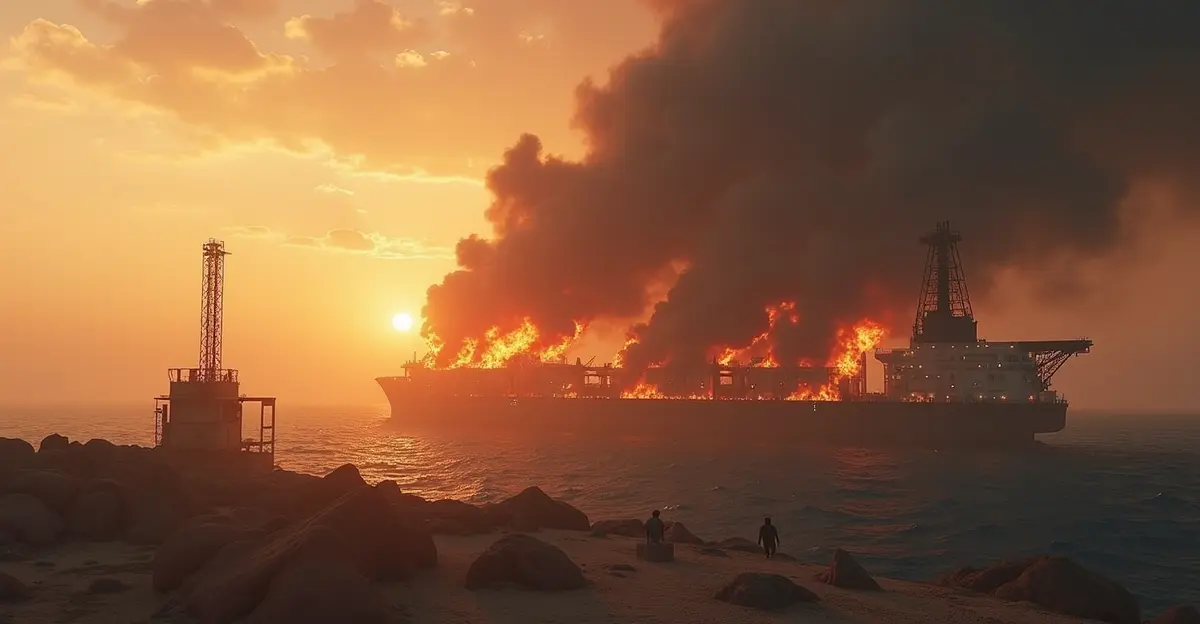
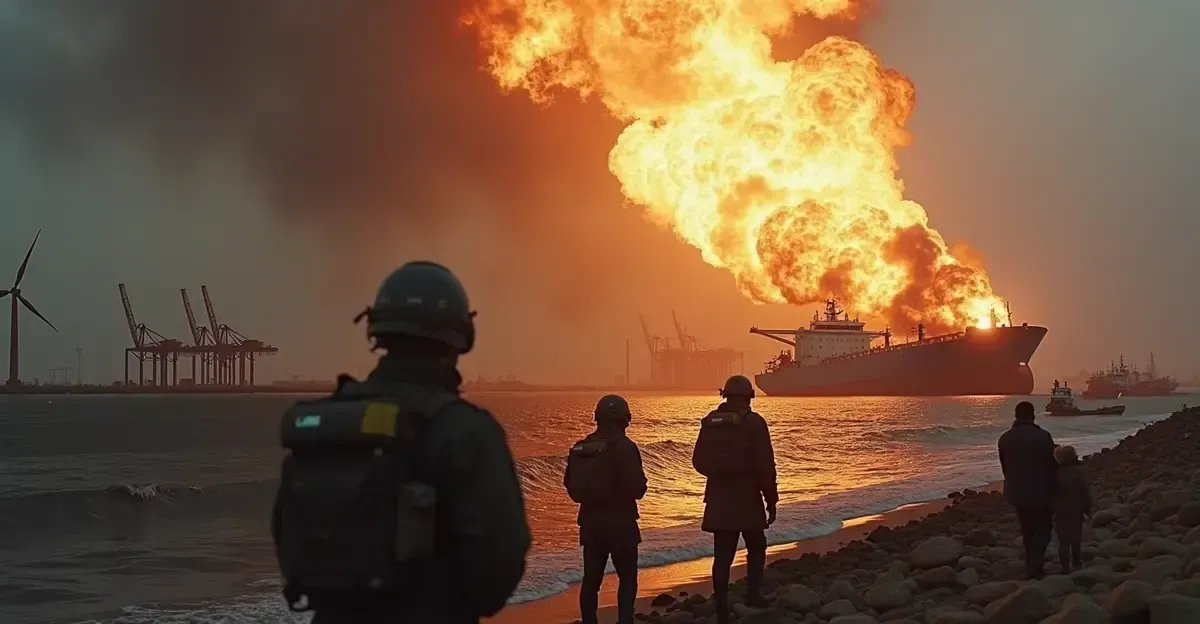
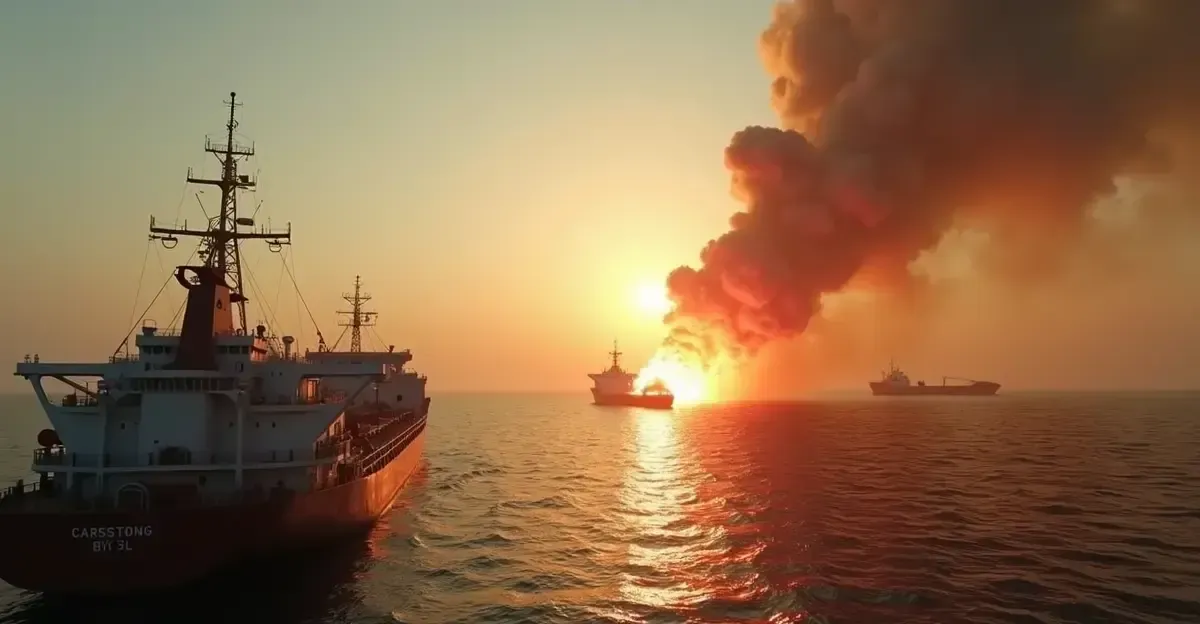
Iranian cruise missiles struck two Emirati oil tankers in Omani waters on July 14, killing one Indian crew member and wounding eight others. The IRGC claimed the supertankers ignored warnings and attempted to pass through a mined route. US Central Command reported striking Iranian air defense systems, coastal radar sites, missile and drone capabilities, and small boats using fighter aircraft, naval vessels, and sea drones for the first time.
Regional Spillover
The conflict has expanded beyond the strait. Yemen's Houthi movement fired missiles at Saudi Arabia. Jordan intercepted missiles entering its airspace from Iran. Explosions were reported in Bandar Abbas and Kish Island. The 2025 bank heist in Berlin pales in comparison to the scale of this regional crisis. Dubai is planning to build a new port to bypass the Strait of Hormuz entirely. The UK is using diplomatic channels with the US to address the escalating crisis.
FAQ: Strait of Hormuz Crisis 2026
What is the Strait of Hormuz and why is it important?
The Strait of Hormuz is a 104-mile-long waterway between Iran and Oman connecting the Persian Gulf to the Gulf of Oman. It is the world's most strategically important oil chokepoint, carrying about 20% of global oil consumption and 25% of LNG trade.
What caused the 2026 Strait of Hormuz crisis?
The crisis began on February 28, 2026, when the US and Israel launched airstrikes on Iran's nuclear program and assassinated Supreme Leader Khamenei. Iran retaliated by closing the strait to foreign shipping, triggering a prolonged military campaign.
How has the crisis affected oil prices?
Oil prices have surged dramatically. Brent crude reached $84.98 on July 14, with a 9.6% single-day jump earlier. The Dallas Fed projects prices could reach $98–132 per barrel depending on the duration of the closure.
Is the Strait of Hormuz open or closed?
Iran has formally declared the strait closed to commercial shipping, and the US disputes this claim. In practice, tanker traffic has reduced to near zero, with war-risk insurance premiums surging. The strait is functionally closed to outbound commercial traffic.
What are the global economic implications?
UNCTAD warns that global trade growth could slow to 1.5–2.5% in 2026. The Dallas Fed estimates a 2.9 percentage point reduction in annualized global GDP growth if the closure lasts one quarter. Developing countries are disproportionately affected due to higher energy import costs.
Sources
Sources for this article include: New York Times live coverage, CNBC, Reuters, Al Jazeera, Bloomberg, Dallas Federal Reserve analysis, UNCTAD rapid assessment, Wikipedia's 2026 Strait of Hormuz campaign page, and military casualty trackers. All data is current as of July 14, 2026.

Follow Discussion