


 Deutsch
 English
 Español
 Français
 Nederlands
 Português


 Share
Share




Ceasefire Collapses as US and Iran Return to Open Conflict
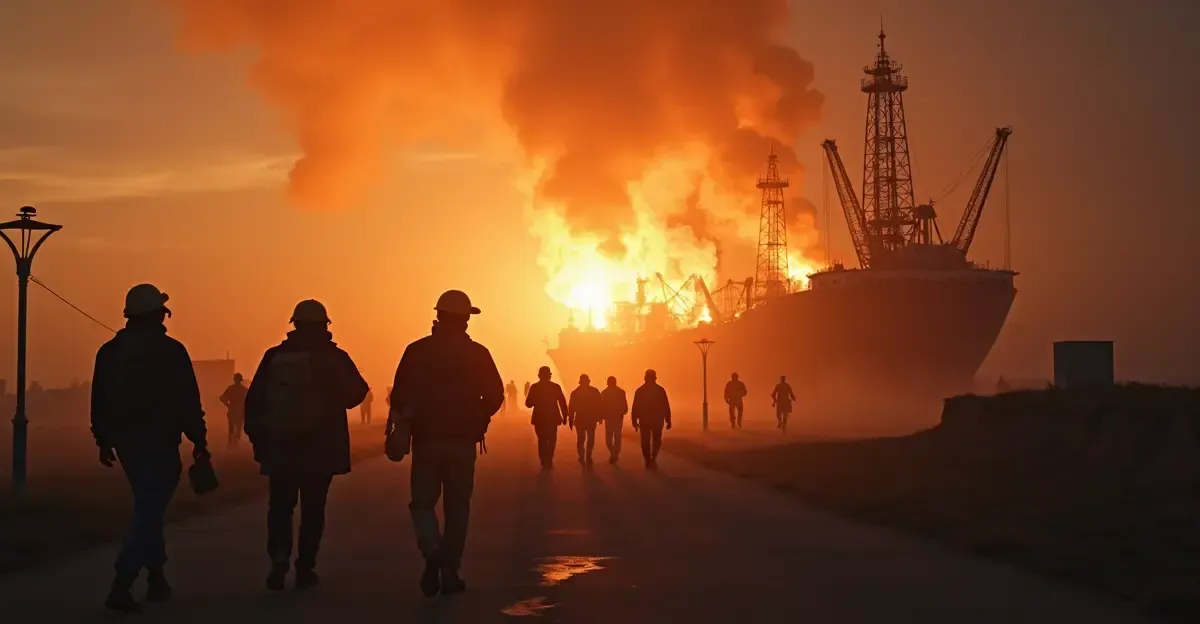
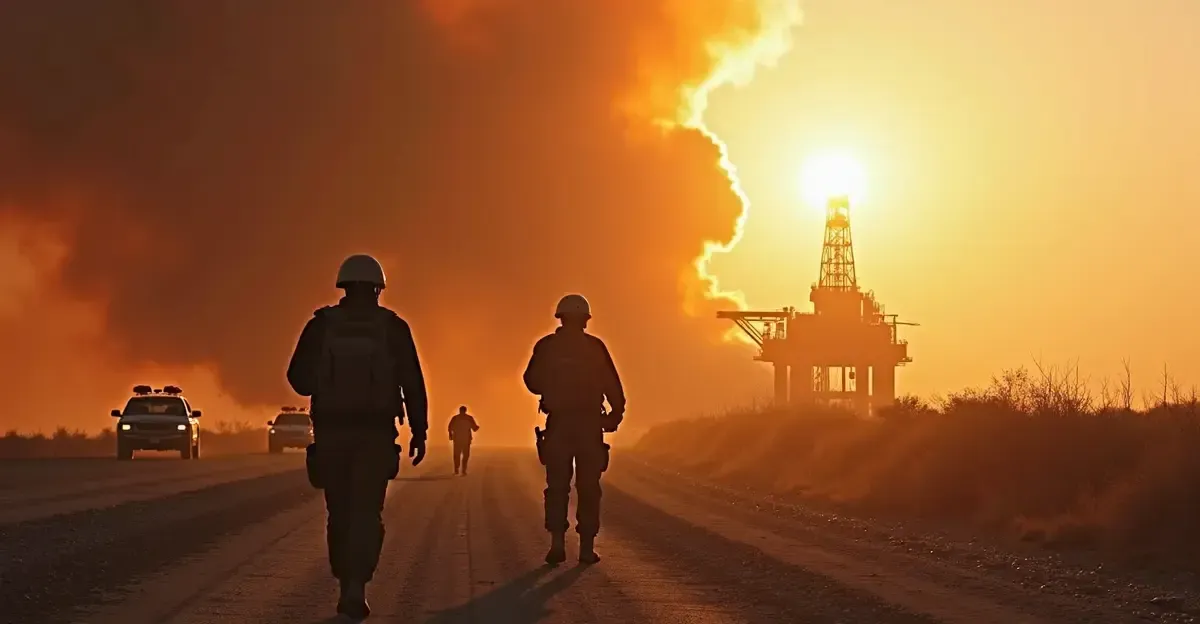
The fragile ceasefire between the United States and Iran has effectively collapsed, plunging the Middle East back into open warfare and disrupting global energy markets through the near-total closure of the Strait of Hormuz. President Donald Trump declared the truce 'over' on July 8, 2026, following a series of Iranian attacks on commercial vessels in the strategic waterway. The US-Iran conflict escalation has triggered a global energy alert, with oil prices surging above $82 per barrel and stock markets tumbling worldwide.
The breakdown marks a dramatic reversal from the 14-point Memorandum of Understanding signed on June 17, which had formally ended the US naval blockade and reopened the Strait of Hormuz in exchange for economic incentives including oil sanctions relief. However, disputes over control of the waterway quickly resurfaced. Iran launched a drone strike against a ship on June 25 — the first MOU violation — and struck three vessels on July 7, prompting the US to revoke Iran's oil license and launch retaliatory strikes.
Strategic Waterway Becomes Battlefield
The Strait of Hormuz, a 21-mile-wide chokepoint connecting the Persian Gulf to the Arabian Sea, normally handles approximately 21 million barrels of oil daily — roughly 20% of global consumption. Since the conflict erupted, shipping traffic has plummeted. On July 7, only 16 vessels transited the strait, compared to a daily average of 125 under normal conditions. About 6,000 seafarers remain stranded in the channel.
Iran's Islamic Revolutionary Guard Corps (IRGC) has launched anti-ship missile strikes on multiple commercial vessels, including the Qatari LNG tanker Al-Rekayyat and the Saudi-flagged crude oil tanker Wedyan, causing engine room fires and significant damage. President Trump has vowed to 'take out Pickaxe Mountain,' a buried Iranian nuclear facility, and announced a 20 percent toll on vessels passing through the strait, claiming Gulf nations will pay for US protection. Iran's foreign minister dismissed the plan, insisting Iran remains the 'guardian of the strait.'
Military Casualties and Regional Spread
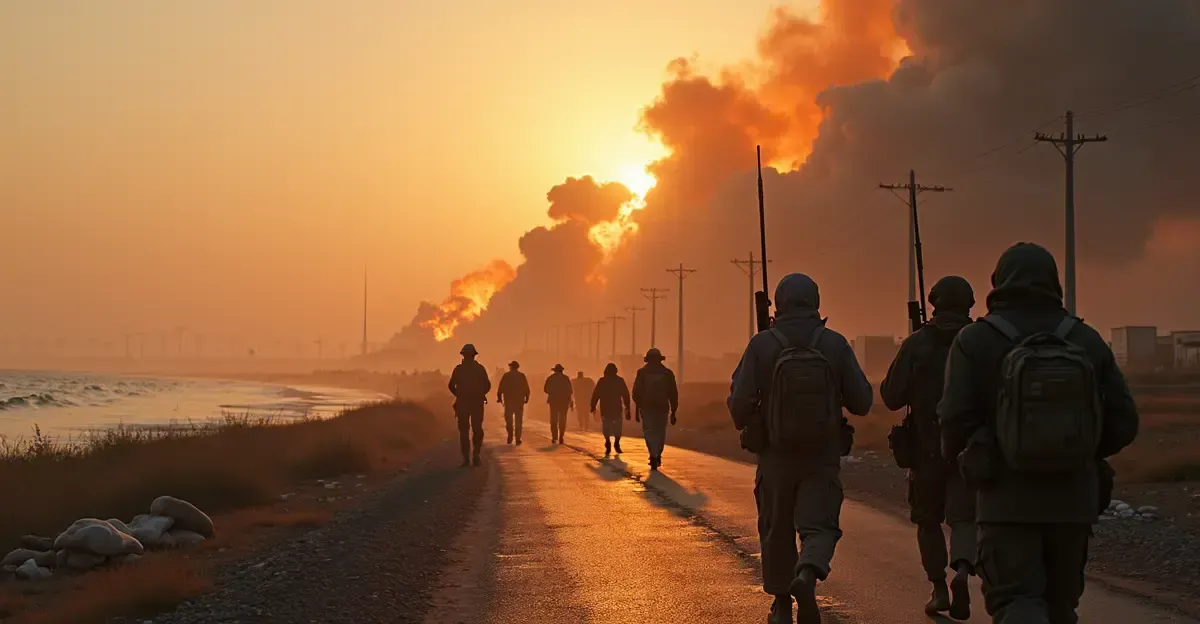
The conflict has exacted a heavy toll. According to military tracking data, total estimated deaths across all parties range from 8,962 to 18,297 as of July 13, 2026. US military fatalities stand at 14, including a Navy pilot killed in a helicopter crash in the Arabian Sea on July 1. Iranian military casualties are disputed at 1,800–7,650, while civilian deaths across all sides are estimated at 1,779–3,757. The conflict has also spread to neighboring states: Iran's Revolutionary Guard has attacked US military bases in Kuwait, Jordan, Bahrain, and Qatar, while the US has struck 140 Iranian targets including locations in Abadan, killing at least 24 people.
Global Economic Shockwaves
The Strait of Hormuz closure represents a supply disruption three to five times larger than past geopolitical crises like the Yom Kippur War or the Persian Gulf War. The Dallas Federal Reserve has modeled scenarios showing that a one-quarter closure would raise WTI oil prices to $98 per barrel and lower global GDP growth by 2.9 percentage points. A two-quarter closure could push oil to $115 per barrel, while a three-quarter scenario could see oil reach $132 with growth remaining negative through year-end 2026.
Financial markets reacted sharply on Monday, July 13. The Dow Jones Industrial Average fell 0.3%, the S&P 500 dropped 0.8%, and the Nasdaq Composite declined 1.6%, led by semiconductor stocks. Brent crude jumped above $82 per barrel after Trump vowed to reinstate the blockade. Energy stocks rallied sharply while technology stocks struggled under pressure from higher energy costs and rising real interest rates. The global economic impact of oil price surge is being felt across Asia-Pacific economies, with China importing 68% of its 11.2 million daily barrels from the Gulf, South Korea depending on 85%, and India on 62%.
UK Designates IRGC as Terrorist Organization
In a major policy shift, the British government announced on July 13 that it will outlaw Iran's Islamic Revolutionary Guard Corps under new national security legislation — the National Security (State Threats) Act. Home Secretary Shabana Mahmood confirmed the decision, stating the IRGC is involved in foreign power threat activity. Once approved by Parliament, it will become a criminal offense to belong to the organization, invite support for it, or display its symbols, with penalties of up to 14 years in prison. The move creates a new legal mechanism to ban state-linked organizations under national security law, marking a departure from previous UK governments that had resisted proscribing the IRGC under terrorism legislation due to it being an official state body.
Humanitarian and Environmental Concerns
UN Secretary-General António Guterres has warned that resuming full-scale hostilities would have 'catastrophic consequences' for the region, international peace and security, and the global economy. The UN Economic Commission for Europe warned that prices and supply volatility will remain high, with potential for further price rises and raw material shortages. Strategic oil reserves are at their lowest levels in decades. Extreme heatwaves fueled by El Niño are compounding the crisis by increasing energy demand for cooling and straining infrastructure. The humanitarian crisis in the Middle East continues to deepen as the conflict disrupts aid deliveries and displaces civilian populations.
FAQ
What caused the US-Iran ceasefire to collapse?
The ceasefire collapsed after Iran launched drone and missile strikes on commercial vessels in the Strait of Hormuz in late June and early July 2026, violating the 14-point MOU signed on June 17. President Trump declared the truce 'over' on July 8 and resumed airstrikes against Iranian targets.
How much oil flows through the Strait of Hormuz daily?
Under normal conditions, approximately 21 million barrels of oil — about 20% of global consumption — transit the Strait of Hormuz daily. As of early July 2026, traffic had plummeted to just 16 vessels per day, effectively closing the waterway.
What is the economic impact of the Strait of Hormuz closure?
The Dallas Federal Reserve estimates a one-quarter closure would raise oil prices to $98 per barrel and reduce global GDP growth by 2.9 percentage points. A longer closure could push oil above $130 per barrel and cause prolonged economic contraction.
How has the UK responded to the conflict?
The UK has designated Iran's Islamic Revolutionary Guard Corps as a terrorist organization under new national security legislation, making it a criminal offense to belong to or support the group, with penalties of up to 14 years in prison.
What are the casualty figures so far?
Total estimated deaths across all parties range from 8,962 to 18,297 as of July 13, 2026. US military fatalities stand at 14, with over 400 troops wounded. Iranian military casualties are disputed at 1,800–7,650, and civilian deaths are estimated at 1,779–3,757.


Follow Discussion