


 Deutsch
 English
 Español
 Français
 Nederlands
 Português


 Share
Share




Ceasefire Declared 'Over' After Renewed Hostilities
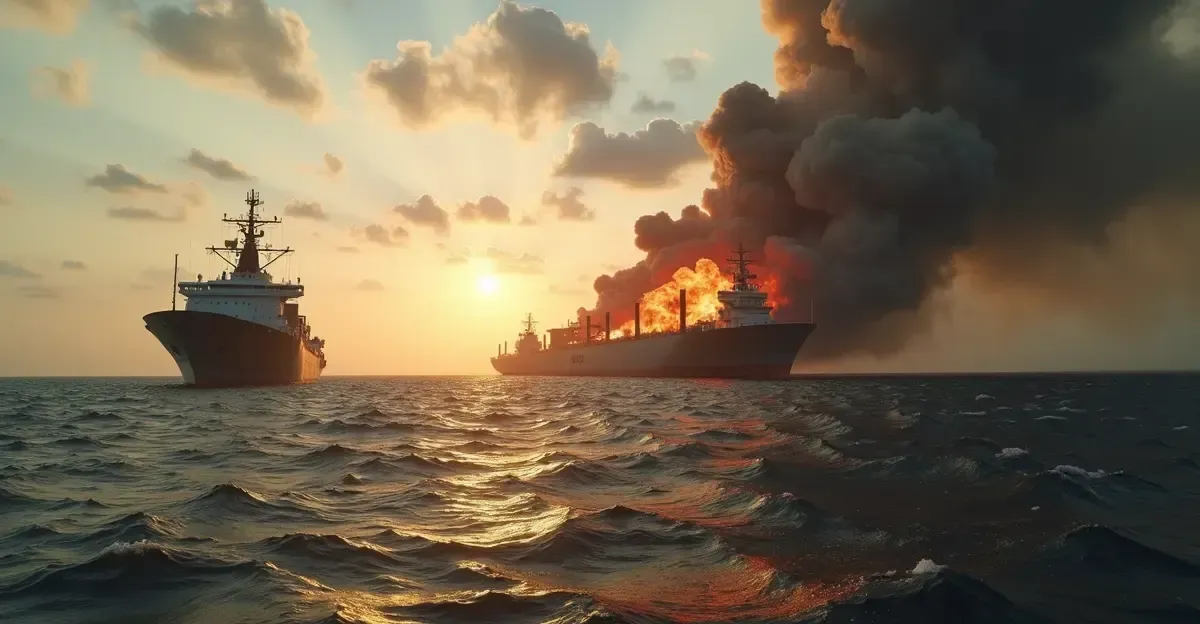
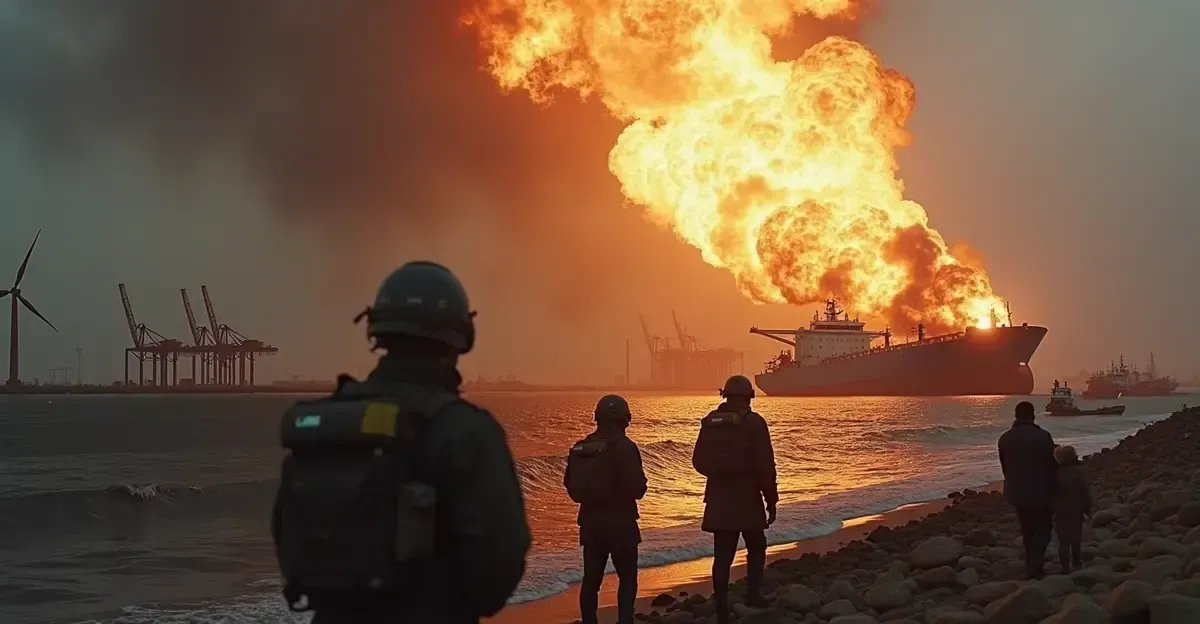
President Donald Trump declared the U.S.-Iran interim ceasefire "over" on July 8, 2026, following a massive wave of American airstrikes against Iranian military positions. The strikes, launched in retaliation for attacks on three commercial vessels in the Strait of Hormuz, targeted more than 80 installations across Iran's southern coast, including long-range anti-ship missile sites, coastal radar networks, and over 60 small boats operated by the Islamic Revolutionary Guard Corps (IRGC). The escalation marks a dramatic breakdown of the fragile peace deal brokered just months earlier and threatens to plunge the region back into full-scale conflict.
The 2026 Iran war ceasefire had been teetering for weeks. The interim agreement, signed on June 17, 2026, as the Islamabad Memorandum, established a 60-day negotiation period intended to produce a final peace settlement. However, violations by both sides had steadily eroded trust. Trump, speaking at the NATO summit in Ankara, Turkey, accused Iran of breaching the truce by attacking tankers, and warned that further military action was imminent. "The ceasefire is over," Trump told reporters. "We will very probably hit them hard again tonight."
Massive U.S. Military Response
U.S. Central Command (CENTCOM) confirmed that the strikes, conducted on the night of July 7-8, 2026, were designed to "degrade Iran's ability to threaten freedom of navigation" in the strategic waterway. The operation involved precision munitions launched from naval vessels and aircraft, hitting targets across multiple Iranian provinces. Iran's Revolutionary Guards responded with joint missile and drone attacks against U.S. military facilities in Bahrain and Kuwait, though CENTCOM reported that all incoming projectiles were intercepted with no material damage or casualties. Iran also shot down a U.S. MQ-9 Reaper drone over the Persian Gulf.
Defense Secretary Pete Hegseth confirmed the Pentagon's readiness for deeper strikes if necessary. "We have the capability and the will to impose severe costs on Iran if they continue their aggression," Hegseth said in a statement. Iran's Parliament Speaker Mohammad Baqer Qalibaf accused the U.S. of breaching the ceasefire, warning that "the era of bullying and extortion is over."
Oil Markets in Turmoil
The renewed hostilities sent shockwaves through global energy markets. Brent crude oil surged 5.2% to settle at $78.02 per barrel on July 8, while West Texas Intermediate (WTI) rose 4.4% to $73.52. Prices had already climbed 3% the previous day following the initial U.S. strikes. The U.S. Treasury also revoked Iran's license to sell crude oil—a major concession granted under the interim peace deal—effectively reimposing sanctions that had been lifted in June.
The Strait of Hormuz, through which about 20% of the world's oil passes, remains a flashpoint. The U.S.-led Joint Maritime Information Center raised its threat assessment to "severe" for vessels transiting the waterway. Iran has repeatedly threatened to close the strait entirely, a move that would cripple global oil supplies. The economic impact of the 2026 Iran war has already been severe: the International Energy Agency called it the "largest supply disruption in the history of the global oil market," with Brent having surged past $120 per barrel during the initial closure in March 2026.
NATO Summit Tensions
Trump's declaration came on the sidelines of the NATO Summit in Ankara, where he pressured allies to take a more active role in the conflict. However, European leaders resisted committing military resources to the Iran theater. Trump criticized NATO members for failing a "loyalty test" and threatened to withdraw approximately 68,000 U.S. troops stationed in Europe. NATO Secretary General Mark Rutte noted that European airports had served as platforms for U.S. power projection during the Iran offensive but stopped short of pledging direct involvement.
European leaders from Poland, Norway, and Estonia dismissed Trump's troop withdrawal threat as an empty promise, expressing confidence in continued American support. The summit's agenda had originally focused on defense investment targets and support for Ukraine, but the Iran crisis dominated discussions.
Global Economic Fallout
The collapse of the ceasefire threatens to reignite a broader economic crisis. The 2026 Iran war has already caused what analysts describe as the worst energy crisis since the 1970s. Gulf Cooperation Council states, reliant on the Strait of Hormuz for over 80% of their food imports and virtually all energy exports, face a "grocery supply emergency" with consumer prices spiking 40–120%. European gas benchmarks nearly doubled in March 2026, and the European Central Bank was forced to postpone planned interest rate reductions while raising inflation forecasts.
The United Nations Development Programme estimated in March 2026 that the war could reduce GDP growth in Arab nations by $120–194 billion. The conflict has also shaken confidence in the Gulf region as a safe destination for investment and expatriates, with analysts describing it as the "end of the narrative" of Gulf economic invulnerability.
What Comes Next?
Despite Trump's declaration, the White House left the door slightly ajar for renewed diplomacy. Trump later suggested that U.S. negotiators could still engage with Iranian counterparts, though he expressed skepticism about the prospects for success. Iran's government has demanded the lifting of all sanctions and a guarantee of safe oil exports as preconditions for any new talks.
The coming days will be critical. If both sides refrain from further escalation, a new ceasefire could be cobbled together. But with hardliners on both sides now emboldened, the path to peace appears narrower than ever. The world watches as the Strait of Hormuz once again becomes the epicenter of global geopolitical risk.
Frequently Asked Questions
Why did the U.S.-Iran ceasefire collapse?
The ceasefire collapsed after Iran attacked three commercial vessels in the Strait of Hormuz, which the U.S. considered a clear violation. President Trump declared the truce "over" on July 8, 2026, following U.S. retaliatory strikes on over 80 Iranian military targets.
How did oil prices react to the news?
Brent crude surged 5.2% to $78.02 per barrel, and WTI rose 4.4% to $73.52 on July 8. Prices had already climbed 3% the previous day. Analysts warn of further volatility if the Strait of Hormuz is threatened again.
What is the Strait of Hormuz and why is it important?
The Strait of Hormuz is a narrow waterway between the Persian Gulf and the Gulf of Oman, through which about 20% of the world's oil passes. It is a critical chokepoint for global energy supplies, and any disruption can cause severe price spikes and supply shortages.
What did NATO decide about the Iran conflict?
At the July 7-8 NATO Summit in Ankara, allies declined to commit military forces to the Iran conflict. Trump criticized them for failing a "loyalty test" and threatened to withdraw U.S. troops from Europe, though European leaders dismissed the threat.
Could the war lead to a global recession?
Many economists warn that prolonged conflict could trigger a global recession. The International Energy Agency has called the supply disruption the largest in history, and the European Central Bank has already raised inflation forecasts while cutting growth projections.

Follow Discussion