


 Deutsch
 English
 Español
 Français
 Nederlands
 Português


 Share
Share




Strait of Hormuz Crisis: Aluminum Supply Chain Disruption Threatens Global Manufacturing
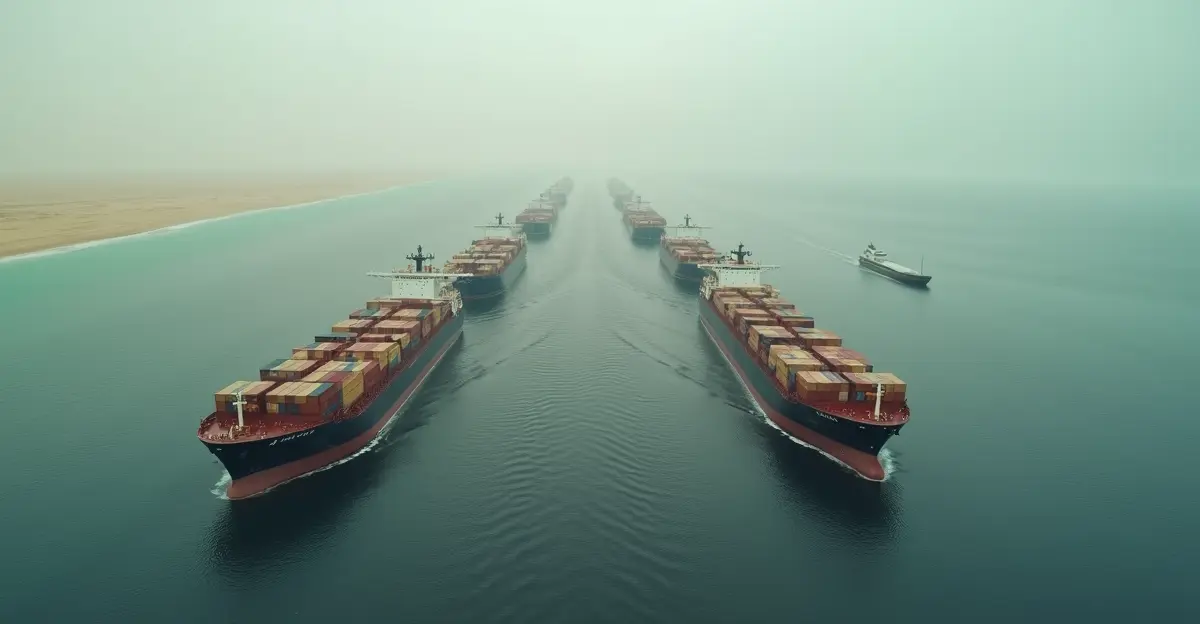
The escalating Strait of Hormuz crisis has triggered a secondary shockwave through global aluminum supply chains, threatening manufacturing sectors worldwide with shipping traffic plummeting 90% in recent weeks. As geopolitical tensions between the U.S. and Iran intensify, this critical maritime chokepoint's disruption is creating immediate supply chain pressures that are now manifesting in aluminum price surges and manufacturing sector disruptions across automotive, aerospace, and construction industries.
What is the Strait of Hormuz Crisis?
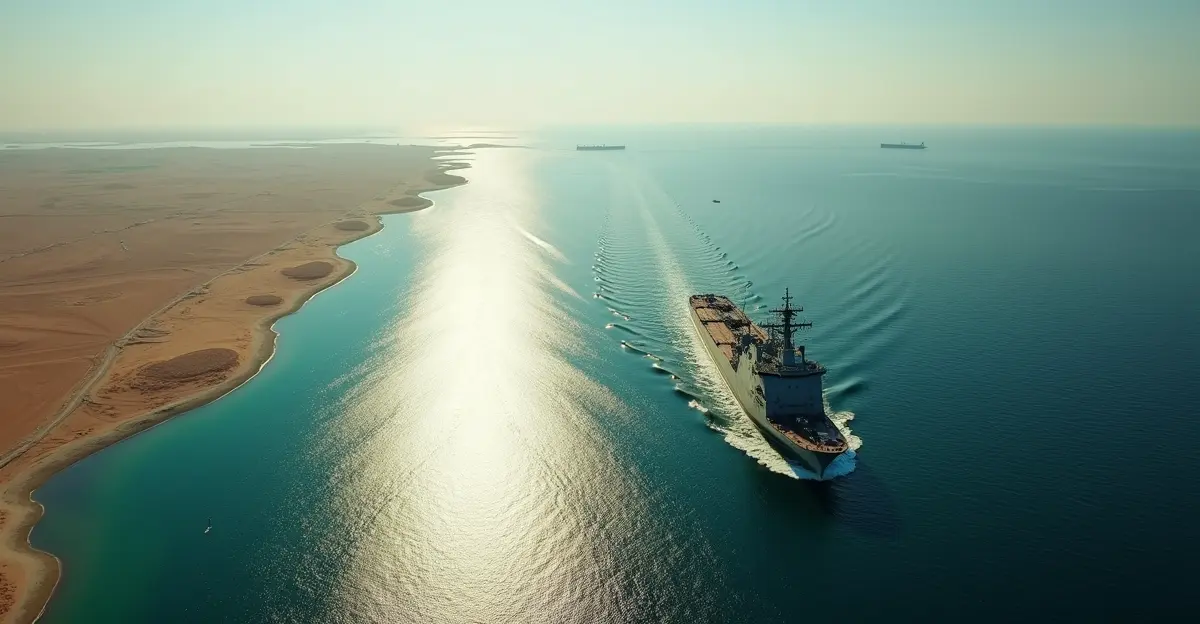
The Strait of Hormuz is a 104-mile-long strategic waterway between the Persian Gulf and Gulf of Oman that handles approximately 20% of the world's liquefied natural gas and 25% of seaborne oil trade annually. Recent geopolitical conflicts have reduced shipping traffic through this critical corridor by 90%, creating cascading effects far beyond energy markets. The waterway also transports approximately 5 million metric tons of aluminum and raw materials annually, representing 21% of U.S. unwrought aluminum imports and 13% of wrought aluminum imports from Middle Eastern producers.
Aluminum Supply Chain Vulnerability Analysis
The aluminum industry's dependence on the Strait of Hormuz represents a critical vulnerability in global manufacturing supply chains. Over 75% of Gulf Cooperation Council aluminum exports depend on this single corridor, creating systematic risks when geopolitical tensions disrupt shipping. Major regional smelters including Aluminum Bahrain (1.5 million MT capacity), Qatar's Qatalum (648,000 MT), and Iranian facilities (400,000+ MT) rely on this passage for both exports and essential raw material imports.
Immediate Market Impacts
Disruptions have triggered immediate market consequences: aluminum prices surged 31% to $3,418 per metric ton, regional premiums escalated 100-150%, and alternative routing through the Cape of Good Hope adds 10-15 days transit time with $45-50 per metric ton surcharges. According to supply chain experts, these disruptions could hit consumer prices within 2-5 weeks as diverted containers create terminal congestion and reduce empty container availability.
Sector-Specific Manufacturing Impacts
Automotive Industry Disruption
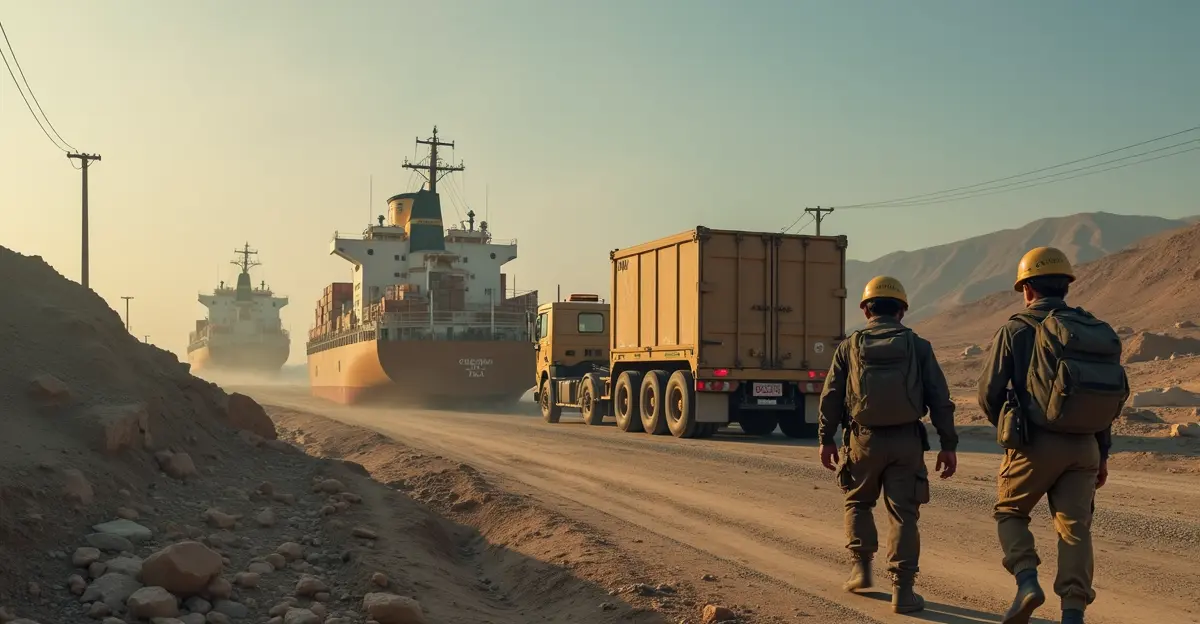
The automotive sector faces acute pressure as Middle Eastern aluminum represents critical supply for primary foundry alloys (PFAs) used in components like wheels and engine blocks. Japanese and South Korean manufacturers, who previously avoided Russian aluminum since the 2022 Ukraine conflict, are now scrambling to negotiate with Russia's Rusal for alternative supplies. This strategic shift highlights how regional conflicts force difficult sourcing decisions, potentially involving suppliers from countries with complicated international relations.
Aerospace and Construction Sectors
Aerospace manufacturers face particular challenges due to aluminum's lightweight properties essential for aircraft construction, while construction companies confront material shortages and price volatility affecting building projects worldwide. The global construction materials shortage has been exacerbated by these supply chain disruptions, creating ripple effects across infrastructure development.
Global Supply Chain Reconfiguration
The crisis is accelerating a fundamental shift from global efficiency to regional resilience in manufacturing supply chains. Major shipping companies like Maersk and Hapag-Lloyd have already suspended Middle East routes, forcing manufacturers to seek alternative sourcing strategies. The timeline for supply chain impacts shows that shipping reroutes require 2-5 weeks to cause terminal congestion, with experts warning that even if the strait reopened today, supply chain disruptions would take months to resolve.
Alternative Sourcing Strategies
Japanese auto-parts manufacturers are engaging in talks with Rusal for primary foundry alloys, marking a significant policy reversal. South Korean manufacturers are also negotiating with the Russian aluminum giant, while other companies explore Indian and African alternatives. This reconfiguration mirrors broader trends in global trade realignment as geopolitical tensions reshape international commerce patterns.
Broader Economic Implications
The aluminum supply chain disruption creates secondary effects across multiple industries. Petrochemical and plastic feedstock prices have increased 15-25%, affecting packaging, consumer goods, and industrial manufacturing. Fertilizer represents another critical downstream risk, with one-third of global fertilizer trade transiting the strait, potentially impacting food inflation during spring planting season.
Strategic Reserve Considerations
The crisis has renewed focus on strategic aluminum reserves as a buffer against supply disruptions. The National Defense Stockpile (NDS), managed by the Defense Logistics Agency, serves as the strategic reserve for materials needed for national defense, though aluminum's inclusion remains limited. Recent legislative proposals include creating a Strategic Resilience Reserve for critical minerals, with the Trump Administration announcing a $12 billion critical minerals stockpile initiative accessible to private industry.
Expert Perspectives on Supply Chain Resilience
Supply chain experts warn that markets are underestimating the compounding nature of these disruptions, with a potential tipping point approaching if no resolution occurs within another week. "The situation threatens to break the global economy unless normal traffic through this critical waterway resumes," warns one analyst. Another expert notes that "many commodities have only a few weeks of inventory, creating immediate pressure on manufacturing operations."
The aluminum-energy nexus compounds vulnerabilities, as natural gas supply disruptions can force complete smelter shutdowns. European markets face particular stress due to existing supply constraints, while Asian markets experience increased freight costs and extended transit times. This crisis highlights the interconnected nature of global energy and materials markets and their vulnerability to geopolitical disruptions.
Future Outlook and Adaptation Strategies
Manufacturers are implementing multiple adaptation strategies including inventory accumulation, contract renegotiations, and long-term diversification to alternative smelting capacity in Africa and other regions. The crisis accelerates the shift toward regional supply chains and increased inventory buffers, moving away from just-in-time manufacturing models that proved vulnerable during recent disruptions.
Frequently Asked Questions (FAQ)
How long will aluminum supply chain disruptions last?
Even if the Strait of Hormuz reopened immediately, supply chain experts estimate disruptions would take 2-3 months to fully resolve due to terminal congestion, shipping reroutes, and inventory depletion throughout the supply chain.
Which manufacturing sectors are most affected?
Automotive, aerospace, and construction sectors face the most immediate impacts due to their heavy reliance on aluminum for lightweight components, aircraft manufacturing, and building materials.
What are Japanese and South Korean manufacturers doing?
They are negotiating with Russia's Rusal for aluminum supplies, marking a significant policy shift after voluntarily avoiding Russian purchases since the 2022 Ukraine invasion.
How much have aluminum prices increased?
Aluminum prices have surged 31% to $3,418 per metric ton, with regional premiums escalating 100-150% due to supply constraints and increased shipping costs.
What broader economic impacts are expected?
Beyond aluminum, petrochemical and plastic feedstock prices have increased 15-25%, affecting multiple downstream industries including packaging, consumer goods, and industrial manufacturing.
Conclusion: A New Era of Supply Chain Resilience
The Strait of Hormuz crisis represents a watershed moment for global manufacturing supply chains, exposing critical vulnerabilities in aluminum distribution networks. As geopolitical tensions continue to disrupt this vital maritime corridor, manufacturers worldwide must accelerate their transition from global efficiency models to regional resilience strategies. The crisis underscores the need for diversified sourcing, strategic reserves, and adaptive supply chain management in an increasingly volatile global landscape.



Follow Discussion