


 Deutsch
 English
 Español
 Français
 Nederlands
 Português


 Share
Share




Fresh Violence Erupts in Northern Ireland
For the second consecutive night, violent unrest has gripped the outskirts of Belfast, Northern Ireland, as police deployed water cannons to disperse crowds of rioters throwing stones, bricks, and bottles. The renewed disorder follows a brutal stabbing attack earlier this week that has inflamed community tensions and sparked a wave of anti-immigrant violence across the region.
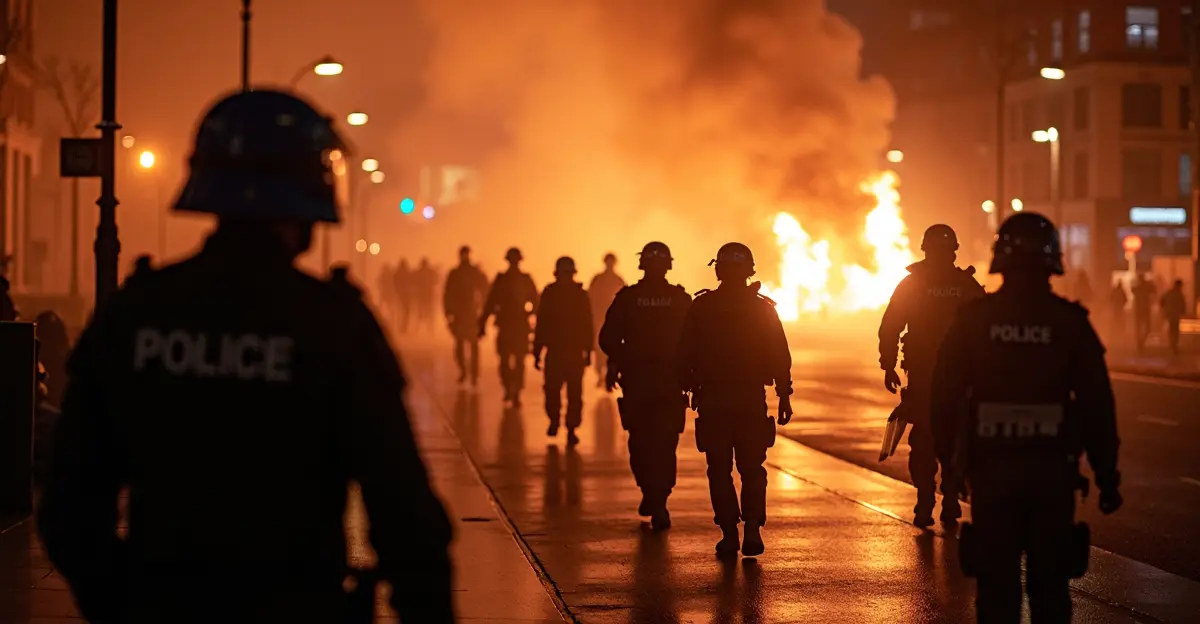
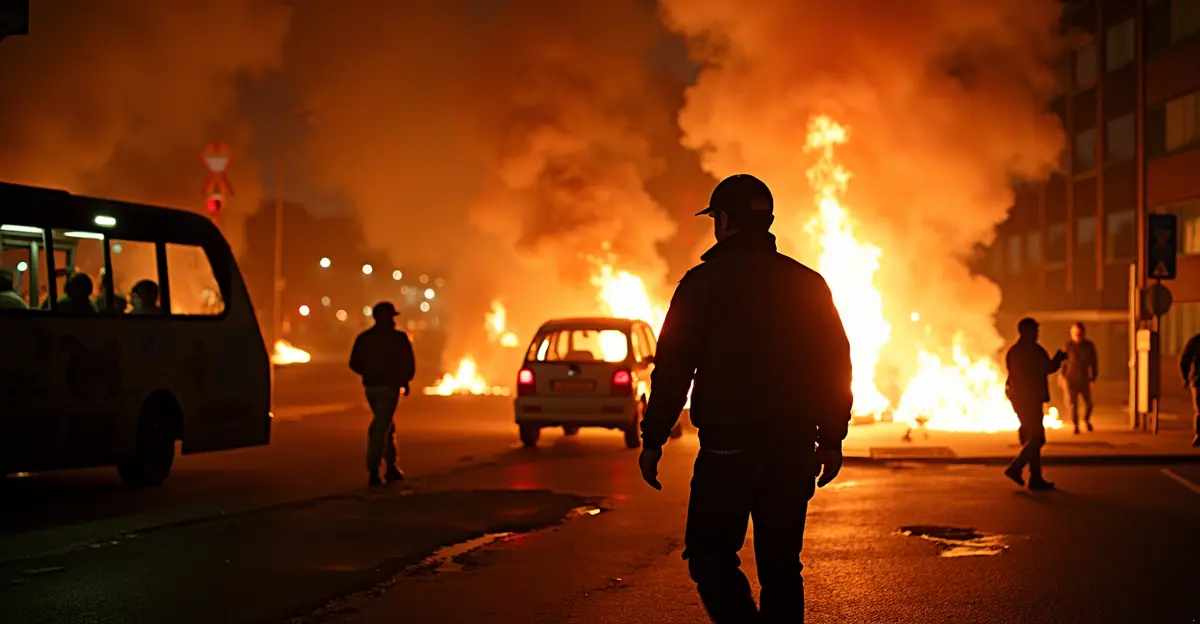
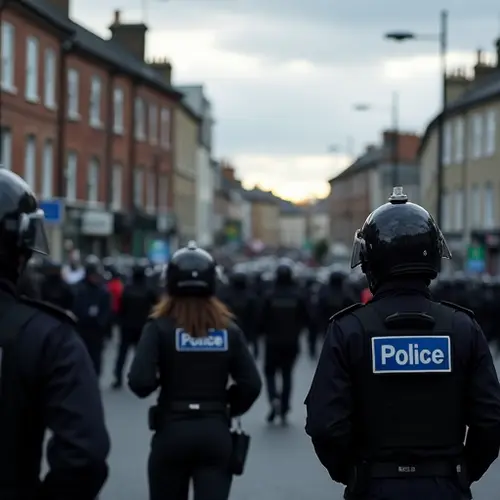
According to multiple British media reports, around 200 people gathered in Newtownabbey, north of Belfast, on Wednesday evening, setting fires on roads and hurling projectiles at police officers. Footage from the scene shows rioters using sledgehammers to break paving stones before throwing the pieces at riot police. A sewage tanker was also set ablaze, according to the Belfast Telegraph. Police responded with water cannons to push back the crowds, marking a significant escalation in tactics.
Background: The Stabbing That Sparked the Unrest
The violence began after a knife attack on Monday evening that left a man in his 40s with severe injuries, including the loss of his left eye. The suspect, 30-year-old Hadi Alodid, a Sudanese national who arrived in the UK via Ireland in 2023 and was granted refugee status, has been charged with attempted murder. He appeared in Belfast Magistrates' Court on Wednesday and was remanded in custody. Police have stated there is no evidence linking the attack to terrorism.
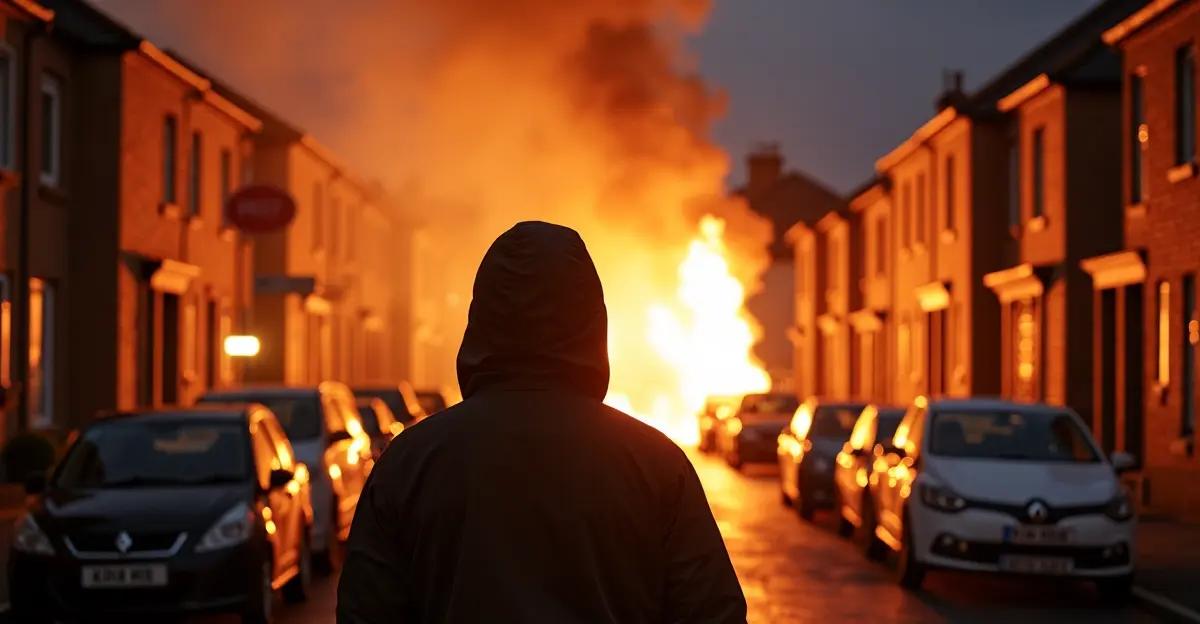
The stabbing ignited long-simmering tensions in loyalist areas of Belfast. On Tuesday night, rioters set homes and vehicles on fire, forcing several families to flee. Firefighters rescued multiple people from burning buildings, and more than 20 residents were left homeless. The Northern Ireland hate crime laws have been under scrutiny as authorities grapple with the surge in racially motivated attacks.
Second Night of Confrontation
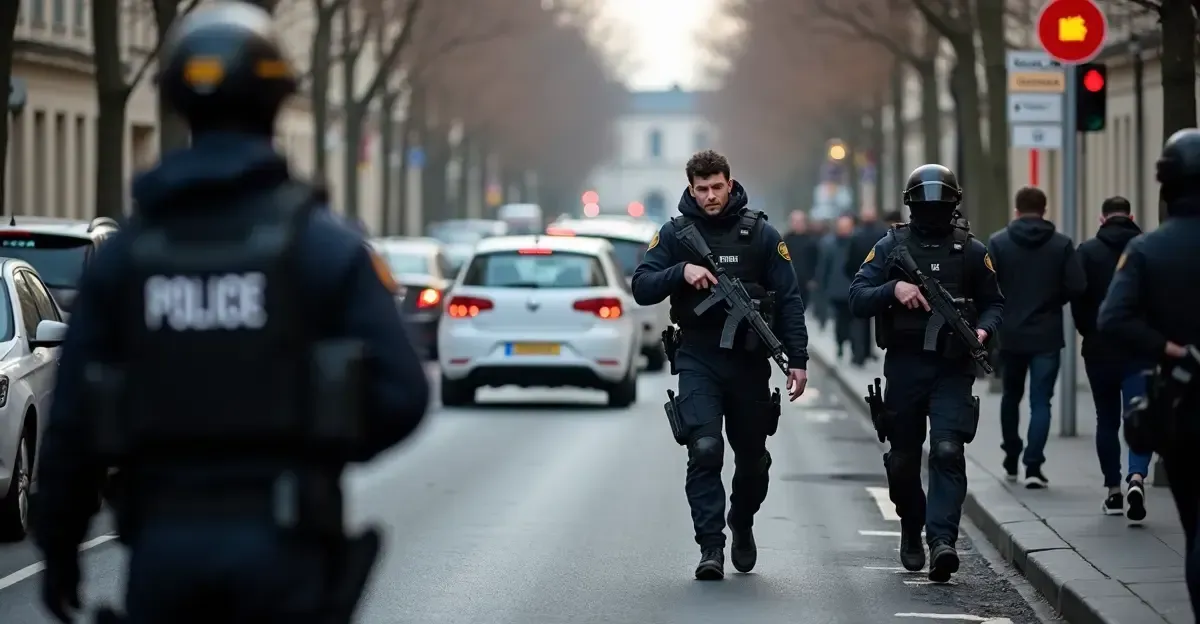
On Wednesday, schools and businesses closed early in anticipation of further unrest. Bus and train services were suspended from early evening. A heightened police presence was deployed across the city. Sky News correspondent David Blevins reported that while central Belfast was calmer than the previous night, there was still "significant violence" in the outskirts.
In Londonderry, separate incidents of arson were reported, with items set alight on roads. Motorists were urged to avoid affected areas. The PSNI response to public disorder has drawn both praise and criticism, with some community leaders calling for a more robust approach to prevent further escalation.
Community and Official Reactions
The family of the stabbing victim issued a statement pleading for calm. "We do not want this incident to be used to divide people or fuel hostility," they said. "Migrants make a very valuable contribution to Northern Ireland." The Northern Ireland Executive condemned the violence in a joint statement, describing it as "disorder, violence and intimidation" that has "caused significant damage to communities, sown fear, and endangered innocent lives."
UK Prime Minister Keir Starmer also condemned the attacks, calling them "shocking and completely unacceptable." The media regulator Ofcom warned online platforms about content inciting hatred linked to the unrest. Meanwhile, human rights groups have expressed concern over the targeting of ethnic minorities. The impact of immigration on Northern Ireland society remains a deeply polarizing issue, with loyalist paramilitaries suspected of orchestrating some of the violence.
Wider Implications
The unrest comes at a time when the Police Service of Northern Ireland (PSNI) is under significant strain, with around 1,500 of its 6,200 officers on sick leave or restricted duties. Chief Constable Jon Boutcher has repeatedly warned that the force is "critically underfunded." The riots echo patterns seen in other parts of the UK, where anti-immigrant sentiment has boiled over into street violence.
Frequently Asked Questions
What caused the Belfast riots in 2026?
The riots were triggered by a stabbing attack on June 8, 2026, in which a Sudanese man allegedly attacked a local resident. The incident sparked anti-immigrant violence in loyalist areas of Belfast and surrounding towns.
How many people have been arrested?
As of June 10, at least one person has been arrested in connection with the rioting, though police have indicated further arrests are likely as investigations continue.
Is the stabbing suspect linked to terrorism?
Police have stated there is no evidence linking the attack to terrorism. The suspect, Hadi Alodid, has been charged with attempted murder and remains in custody.
What has been the response of the UK government?
Prime Minister Keir Starmer condemned the violence, and the Northern Ireland Executive issued a joint statement denouncing the disorder. Additional police resources have been deployed to the affected areas.
Are the riots connected to loyalist paramilitaries?
While the PSNI has denied direct paramilitary involvement, human rights observers have noted that the unrest follows patterns seen in previous loyalist-linked anti-immigrant violence in Northern Ireland.
Follow Discussion