


 Deutsch
 English
 Español
 Français
 Nederlands
 Português


 Share
Share




What Happened in Belfast?
On the night of June 9, 2026, violent race riots erupted across Belfast, Northern Ireland, as hundreds of masked men targeted migrant communities, setting homes, cars, and businesses ablaze in what politicians have called a '21st-century pogrom.' The violence was sparked by a knife attack on June 8, when Hadi Alodid, a 30-year-old Sudanese asylum seeker, allegedly attacked Stephen Ogilvie with a kitchen knife in an attempted beheading on Kinnaird Avenue in north Belfast. Ogilvie survived but lost his left eye and suffered severe facial injuries. Alodid has been charged with attempted murder and remanded in custody.
The unrest quickly escalated beyond the initial protest, with rioters going door-to-door demanding that 'foreigners' leave. The Northern Ireland migration crisis has been a growing point of tension in the region, and this incident became a flashpoint for far-right agitators.
How the Violence Unfolded
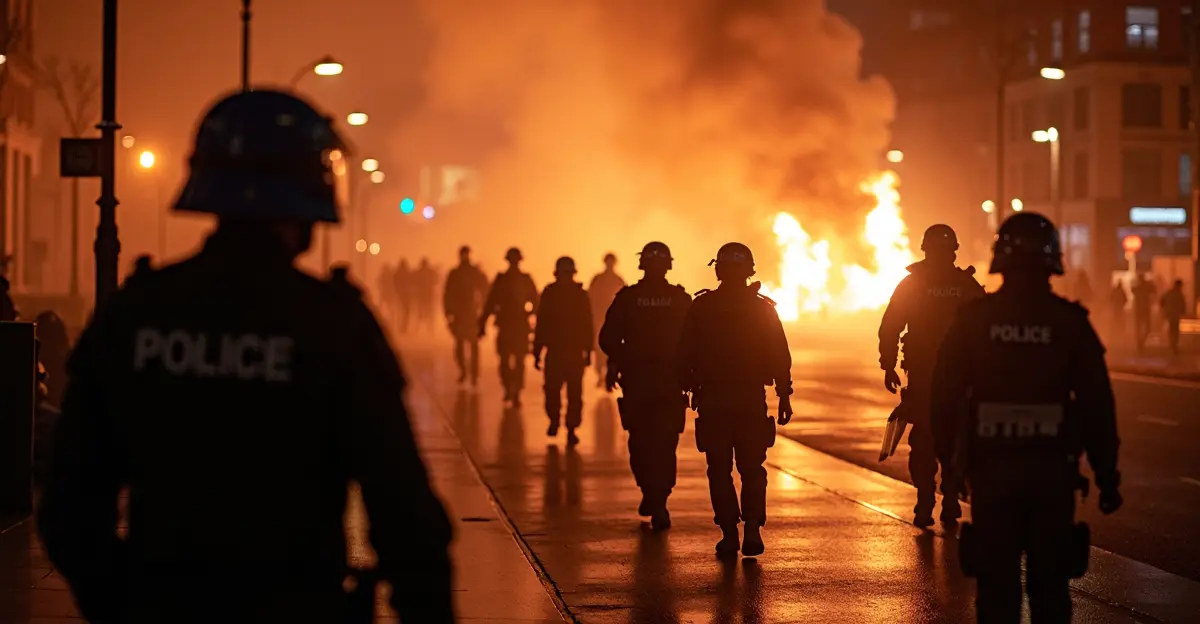
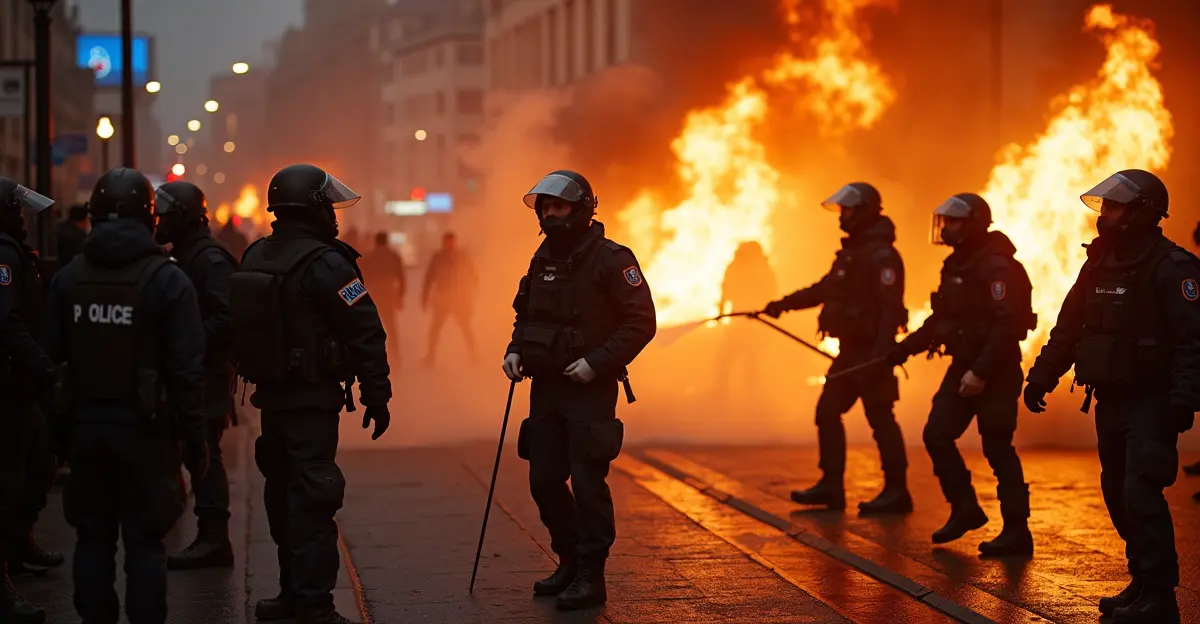
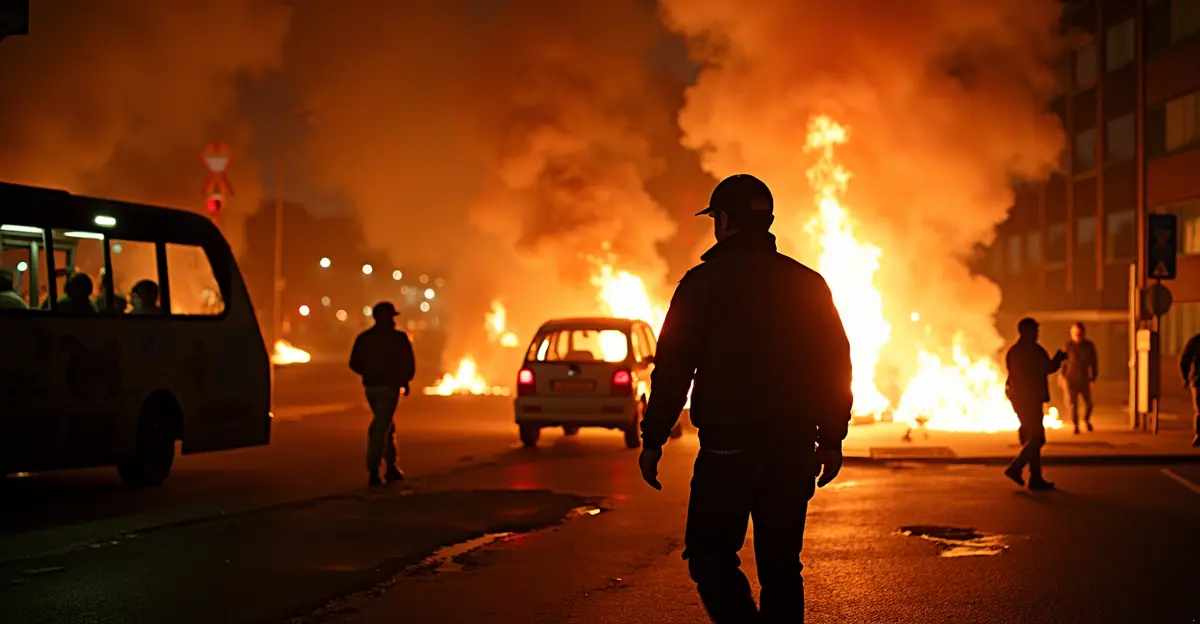
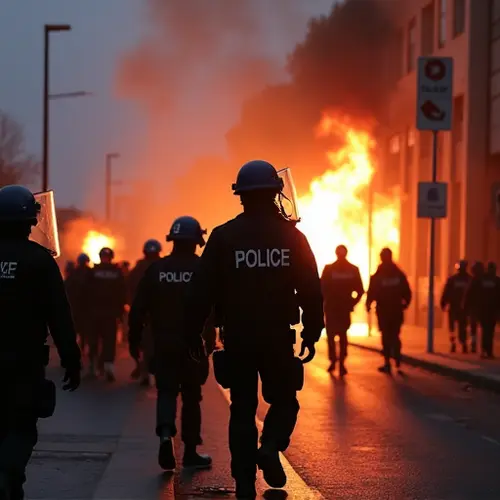
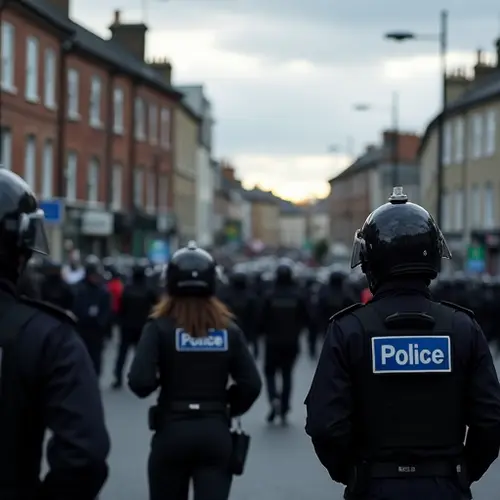
Groups of masked men, estimated to be in the hundreds, moved through streets in Belfast, targeting homes they believed housed migrants, asylum seekers, or refugees. Witnesses described attackers kicking in doors, smashing windows, and setting properties on fire. A Middle Eastern supermarket was also torched. The fire service reported responding to 62 incidents between 7 p.m. and midnight, including burning cars, dumpsters, and structures. A bus was set ablaze, and police deployed water cannons to disperse crowds. Two PSNI officers were injured during the clashes.
One clergyman who went to help victims told the BBC he witnessed families fleeing their burning homes 'only because they are black.' SDLP MP Claire Hanna described the scene: 'We see groups going door to door asking to get the foreigners out, based exclusively on the colour of their skin.'
Social Media Amplification
The knife attack video was widely shared on social media, particularly by far-right figures. Tommy Robinson, the British far-right activist, posted protest locations on X (formerly Twitter). Elon Musk, the billionaire owner of X and CEO of Tesla, amplified these posts, sharing Robinson's content and a post from the group Restore Britain that urged followers not to 'make peace with evil.' Musk wrote that 'only by protesting REPEATEDLY and LOUDLY will there be any change!!' Critics, including Labour chair Anna Turley and Northern Ireland Justice Minister Naomi Long, accused Musk of inflaming tensions and using his platform to incite violence. The role of social media in riots has become a central point of debate in the aftermath.
Political Condemnation and Response
Northern Ireland's First Minister Michelle O'Neill condemned the violence as 'disgusting cowardice' and 'outright thuggery,' stating that 'masked men burning families out of their homes is not protest, it is racism.' UK Prime Minister Keir Starmer called the riots 'shocking and completely unacceptable,' warning that racist rioters 'will feel the full force of the law.' Justice Minister Naomi Long blamed 'kwaadwillende personen die tot gisteren waarschijnlijk Belfast nog niet eens konden aanwijzen op de kaart' (malicious individuals who until yesterday probably could not even point to Belfast on a map) for weaponizing fear for their own gain.
The victim's family issued a powerful statement urging calm: 'We do not want our tragedy to be used to divide people or fuel hostility. Migrants make a deeply valuable contribution to our country. Peaceful protest is the only way forward.' Three people have been arrested so far in connection with the riots, and police expect further protests. The unrest also spread to Portadown, with smaller protests reported in London, Glasgow, Edinburgh, and Southampton.
Broader Context and Implications
The 2026 Belfast riots come exactly one year after similar anti-immigration riots in Ballymena, Northern Ireland, which were sparked by an alleged sexual assault involving Romanian Roma teenagers. That unrest left 107 police officers injured over two weeks. The UK far-right anti-immigration protests have become a recurring pattern, often triggered by isolated crimes and amplified by online disinformation. Analysts warn that the combination of social media echo chambers, far-right organizing, and underlying community tensions creates a volatile mix. The PSNI has faced criticism for being under-resourced, with only 6,200 officers—far below the recommended 7,500—and many on sick leave.
FAQ
What sparked the Belfast riots in June 2026?
The riots were triggered by a knife attack on June 8, 2026, in which Sudanese asylum seeker Hadi Alodid allegedly attempted to behead Stephen Ogilvie. Alodid was charged with attempted murder.
Who is being blamed for the violence?
Politicians and community leaders blame far-right agitators, including Tommy Robinson and Elon Musk, who amplified protest calls on social media. The rioters themselves are described as masked men targeting ethnic minorities.
How many people were arrested?
As of June 10, 2026, three people have been arrested in connection with the riots. Further arrests are expected.
What did the victim's family say?
Stephen Ogilvie's family condemned the riots, stating that migrants make valuable contributions and urging the public not to use the tragedy to fuel hostility.
Has this happened before in Northern Ireland?
Yes. In June 2025, similar anti-immigration riots broke out in Ballymena after two Romanian Roma teenagers were charged with attempted rape. Those riots lasted over two weeks and injured 107 police officers.
Follow Discussion