


 Deutsch
 English
 Español
 Français
 Nederlands
 Português


 Share
Share




Record Reward for Berlin Blackout Saboteurs
Germany has announced a staggering €1 million reward for information leading to the arrest of those responsible for the devastating power grid attack that plunged parts of Berlin into darkness for nearly a week in early January 2026. The unprecedented bounty represents one of the largest ever offered in Germany for domestic terrorism cases and underscores the severity of what authorities are calling the longest blackout in Berlin since World War II.
The Attack and Its Impact
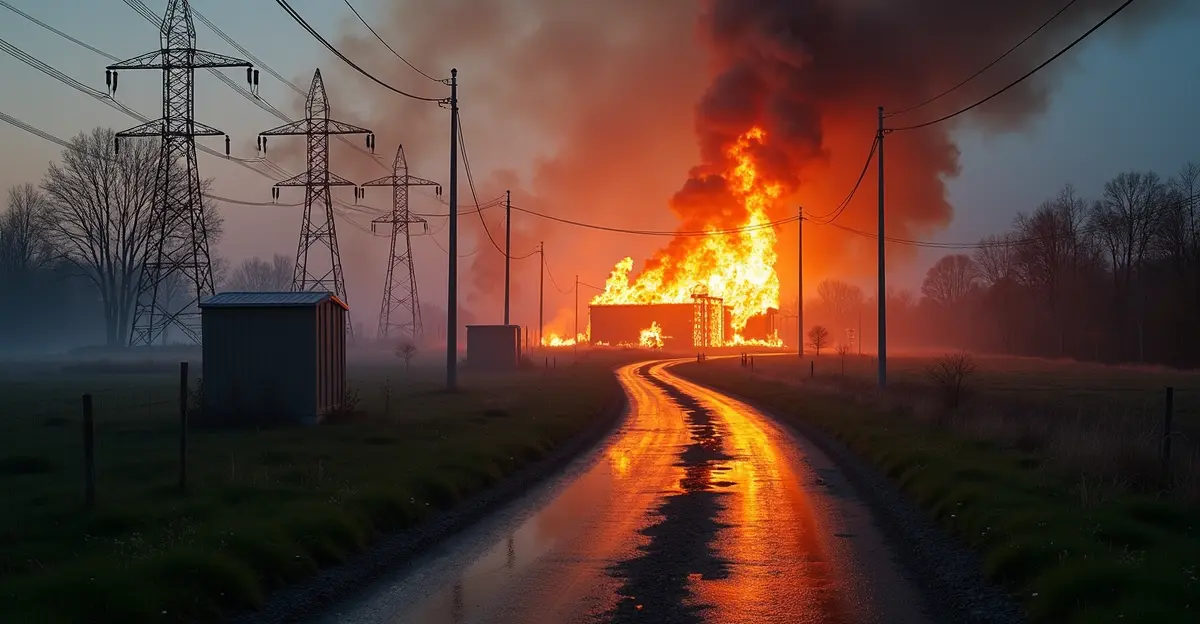
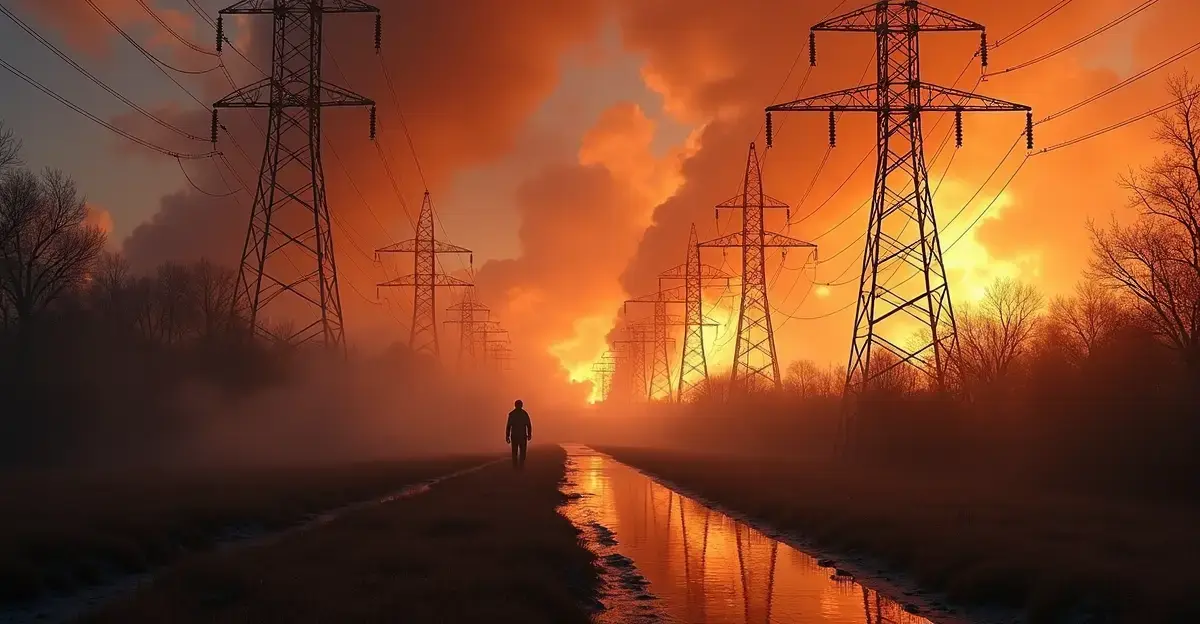
In the early hours of January 3, 2026, arsonists set fire to a cable bridge in southwest Berlin, severely damaging high-voltage cables and cutting power to approximately 45,000 households and 2,200 businesses. The far-left extremist group Vulkangruppe (Volcano Group) quickly claimed responsibility for what they described as an attack against the "energy hunger" contributing to climate change. The group also stated they aimed to hinder artificial intelligence development.
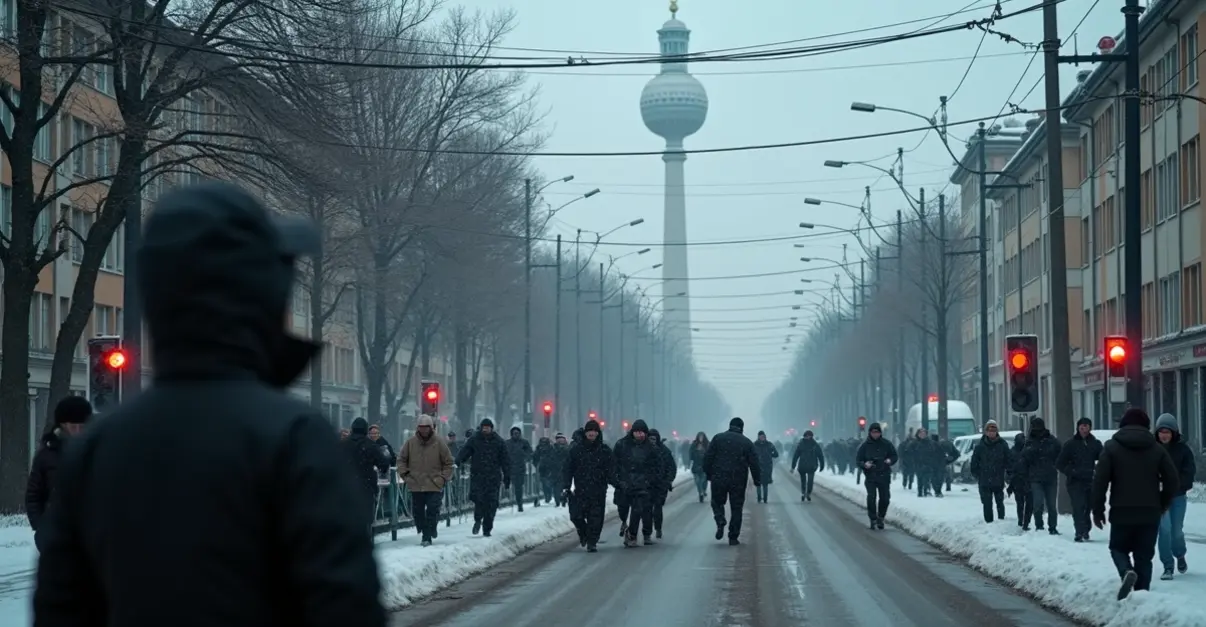
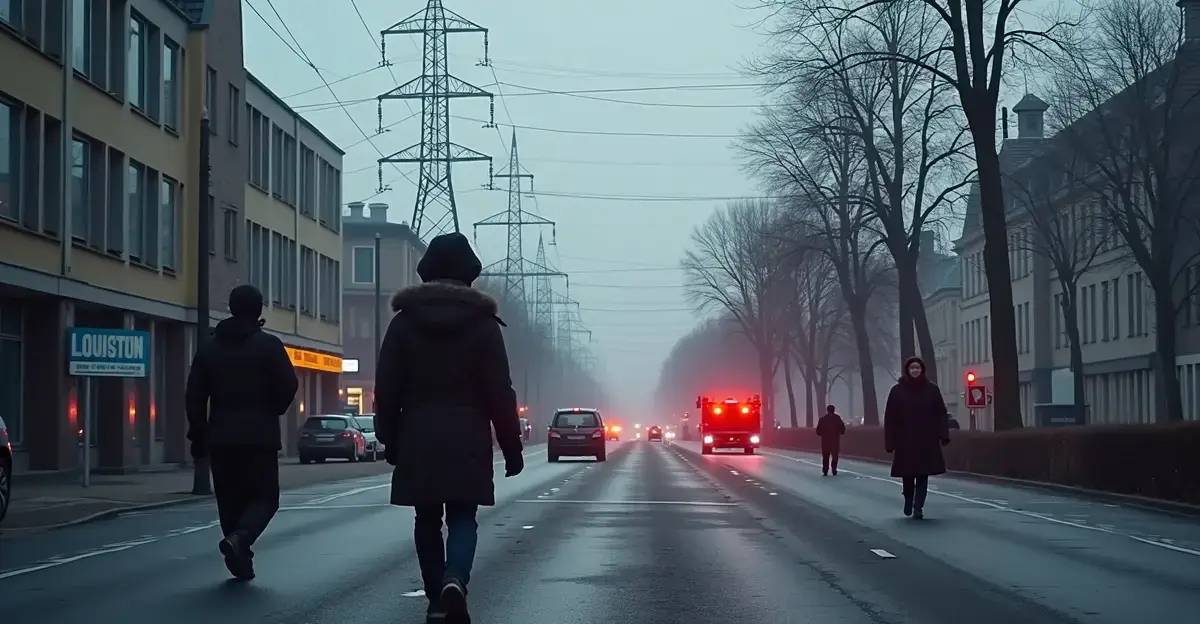
The outage lasted until January 7, leaving residents without electricity and heating during winter conditions. Hospitals relied on emergency generators, schools closed, and daily life ground to a halt in affected neighborhoods. 'We have never experienced anything like this since the war,' said one elderly resident interviewed by local media.
Government Response and Security Crackdown
German Interior Minister Alexander Dobrindt announced the reward alongside a comprehensive security crackdown targeting left-wing extremism. 'We are stepping up our efforts in the fight against left-wing extremism. We are striking back,' Dobrindt declared at a press conference. 'We have had much success in combating right-wing extremism and Islamist terrorism, but attention has been insufficiently focused on left-wing extremism, a movement that is making a strong comeback.'
The reward offer runs until February 24, with posters appearing at public transport stops across Berlin urging witnesses to come forward. Berlin Senator Iris Spranger called it a "unique reward" for what authorities consider a terrorist attack.
The Vulkangruppe's History
The Vulkangruppe has been active since at least 2011 and has claimed responsibility for numerous infrastructure attacks in the Berlin region. According to Wikipedia, the group has been associated with 11 arson attacks targeting energy, railway, and data infrastructure, including previous attacks on Berlin's power grid and sabotage at Tesla's factory near the German capital.
Security experts note the group's sophisticated targeting of critical infrastructure. 'This isn't random vandalism—it's carefully planned sabotage designed to cause maximum disruption,' explained security analyst Dr. Klaus Weber in an interview with Euronews.
Broader Security Implications
The attack has exposed significant vulnerabilities in Germany's critical infrastructure protection. As reported by BBC News, the incident has reignited debates about Germany's susceptibility to sabotage by both domestic and foreign actors. The government is now preparing new legislation to expand security agency powers, including automated data analysis, facial recognition software, and IP address storage capabilities.
Berlin Mayor Kai Wegner condemned the attack in strong terms, calling it "terrorism" that endangered lives during winter conditions. The political fallout has been significant, with opposition parties questioning why such critical infrastructure remained vulnerable despite previous warnings.
As Germany enters what security officials describe as a "new phase" in combating domestic extremism, the €1 million reward represents both a desperate measure to catch elusive perpetrators and a symbolic statement about the government's determination to protect critical infrastructure from increasingly sophisticated attacks.


Follow Discussion