


 Deutsch
 English
 Español
 Français
 Nederlands
 Português


 Share
Share




Hundreds of Train Passengers Trapped All Night in France
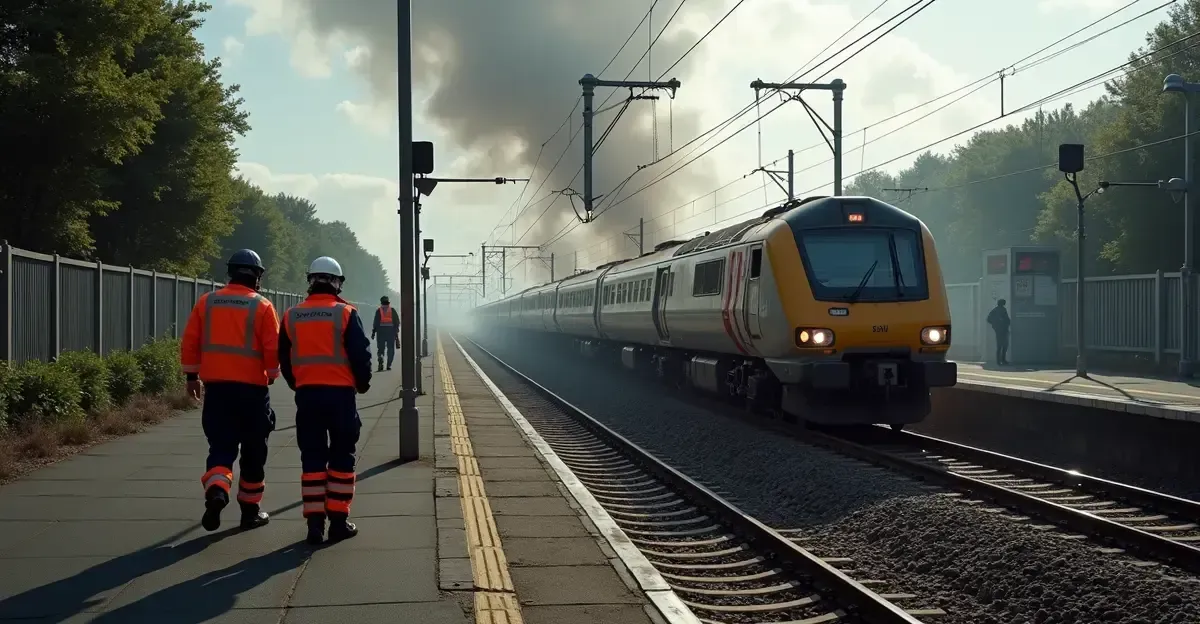
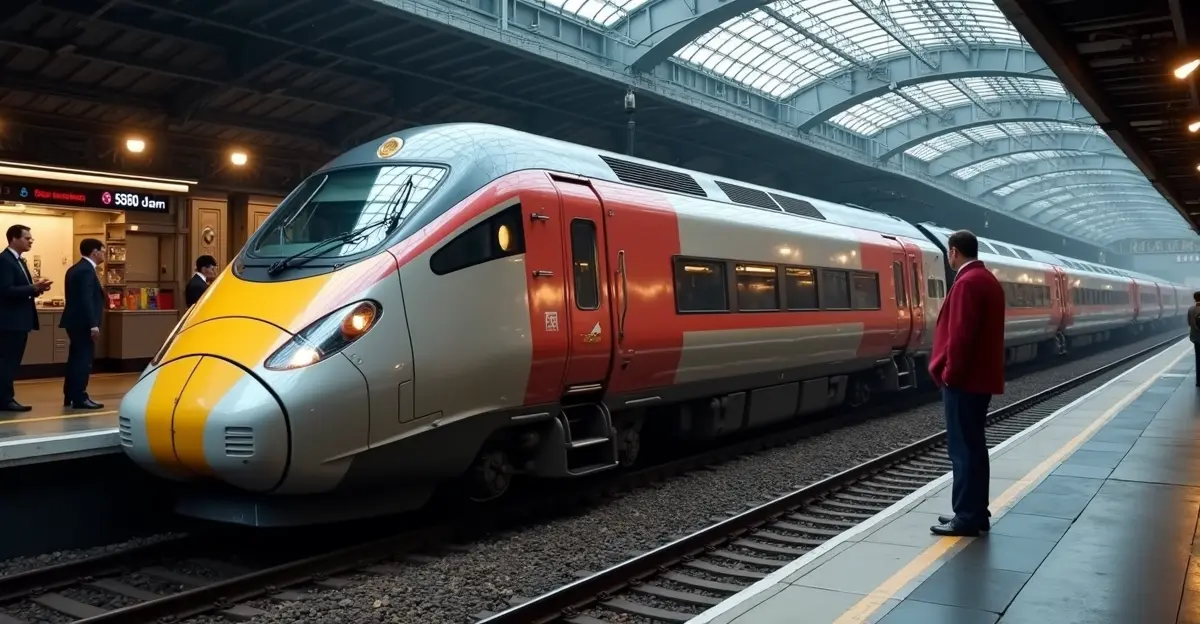
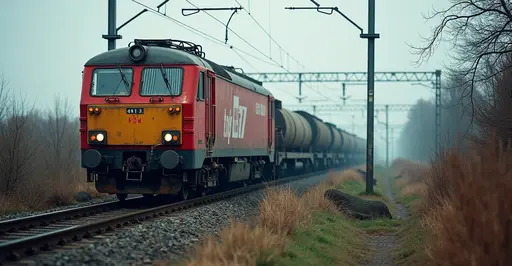
In a major rail incident that made headlines across Europe, 841 passengers were stranded overnight on two Trenitalia high-speed trains in France on the night of May 29–30, 2026. The trains, en route to Paris from Milan and Lyon, were halted near the village of Buffon, northwest of Dijon, due to technical failures and infrastructure problems. Passengers endured up to 14 hours without adequate water, light, or functioning toilets, sparking outrage and calls for accountability.
What Happened: The Timeline of the Incident
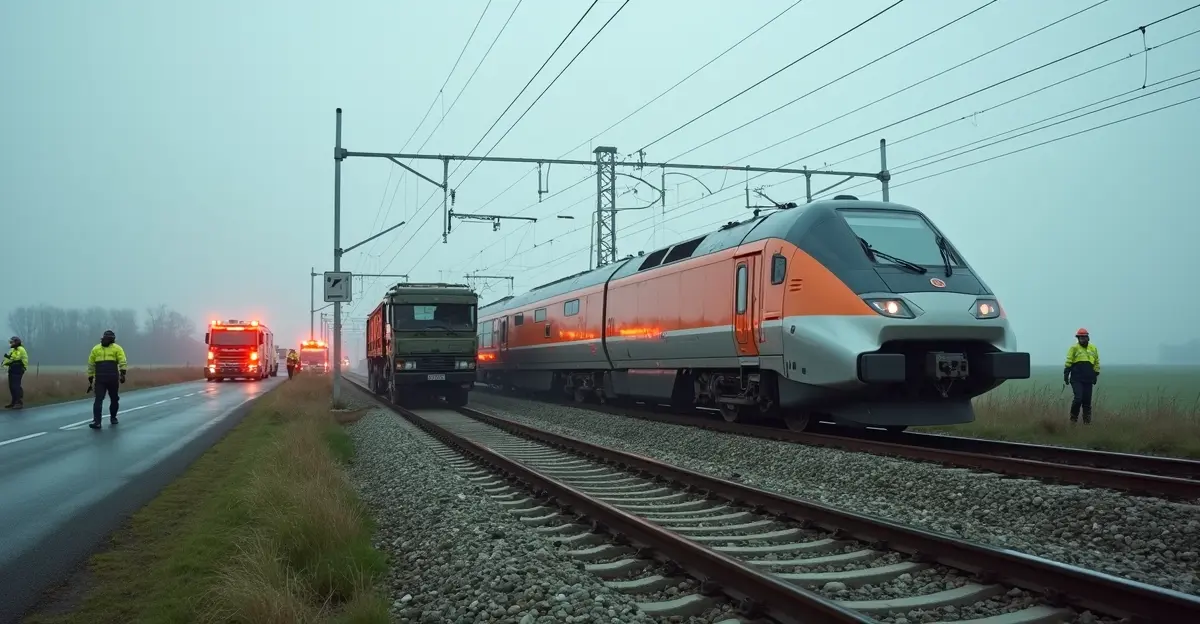
The two Frecciarossa trains — services FR9296 and FR6658 — departed from Lyon-Part-Dieu and Milan respectively on Friday evening. Around 23:45, a signaling defect between Mâcon and Le Creusot forced the trains onto secondary tracks not designed for high-speed travel. Shortly after, an electrical power failure brought both trains to a complete stop near Buffon, in the Côte-d'Or department. The European rail infrastructure challenges were once again thrust into the spotlight.
Passenger Ordeal: 'A Nightmare'
Passengers reported chaotic conditions inside the carriages. The air conditioning failed, lights went out, and water supplies ran dry. Social media posts shared by trapped travelers showed dark train compartments and passengers sitting on luggage. One passenger, identified on X (formerly Twitter) as YMontesi, wrote: "Friday evening, train Lyon → Paris. After more than 5 hours of 'travel' we are barely above Dijon on a secondary track, blocked, without light, electricity, or water…" Another post at 7:50 AM read: "They are finally 'authorizing' us to step out for fresh air."
Local newspaper Le Bien Public interviewed passengers who described the situation as "a nightmare" and "completely insane." According to them, train staff rarely passed through, information was scarce, and a small snack was only distributed around 10 PM. Emergency services from the Côte-d'Or and Yonne prefectures mobilized to distribute water and assist five passengers suffering from heat-related malaise.
Trenitalia's Response and Compensation
Trenitalia defended its handling of the crisis, stating that "both trains remained supplied with active air conditioning" and that teams were on site to ensure comfort. However, passenger testimonies contradicted this. The company later announced a full refund of all tickets and opened an internal investigation in collaboration with SNCF Réseau, the French rail infrastructure manager. The Trenitalia customer service policies are now under scrutiny.
The trains finally resumed service around 9:30 AM on Saturday, arriving at Paris Gare de Lyon at approximately 10:30 AM — a delay of 12 to 13 hours. The incident also caused cascading delays for regional trains in the Bourgogne-Franche-Comté area.
Broader Implications for European Rail Travel
This incident highlights the vulnerability of cross-border high-speed rail operations when infrastructure fails. The European high-speed rail network reliability is a growing concern for travelers and policymakers alike. The European Union has been pushing for seamless rail corridors, but events like this underscore the need for better contingency planning and real-time passenger communication.
Frequently Asked Questions
How many passengers were stranded?
Exactly 841 passengers were trapped on the two Trenitalia Frecciarossa trains.
What caused the train to stop?
A signaling defect forced the trains onto secondary tracks, followed by an electrical power failure that immobilized them near Buffon, Côte-d'Or.
How long were passengers stuck?
Passengers were stranded for approximately 12 to 14 hours, from late Friday evening until Saturday morning around 9:30 AM.
Did passengers receive compensation?
Yes, Trenitalia announced a full refund of all tickets and launched an internal investigation.
Was anyone injured?
No serious injuries were reported, but five passengers were treated for heat-related malaise by emergency services.
Sources
Information for this article was gathered from reports by Le Bien Public, Ouest-France, Le Progrès, Actu.fr, and social media posts from passengers, as well as statements from Trenitalia and SNCF Réseau.
Follow Discussion