


 Deutsch
 English
 Español
 Français
 Nederlands
 Português


 Share
Share




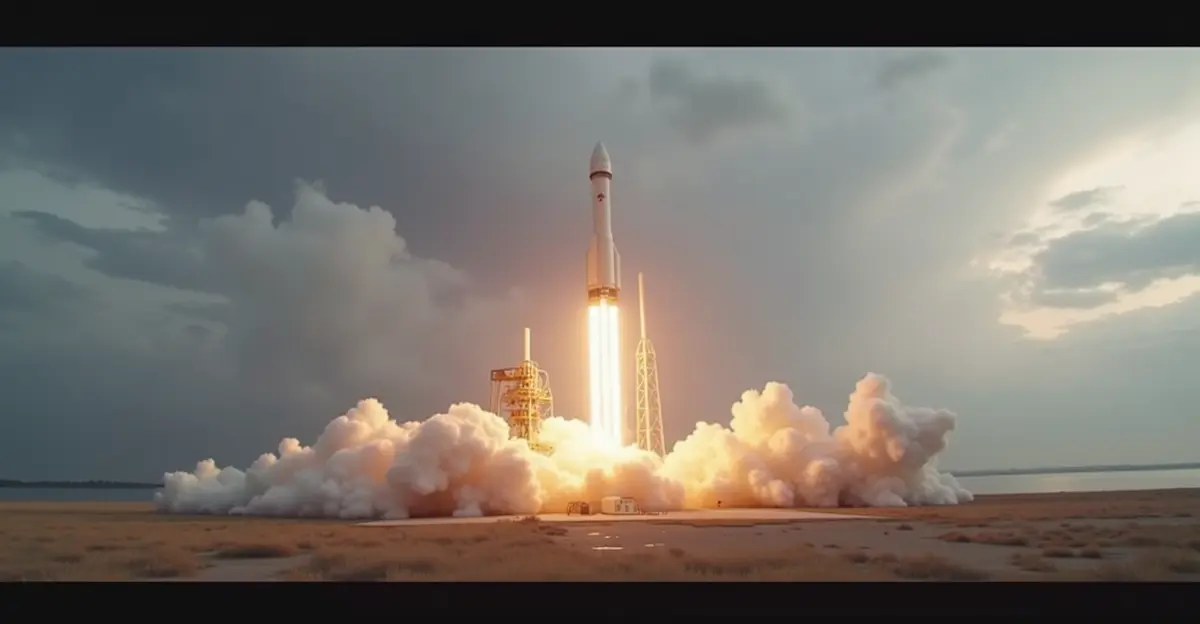
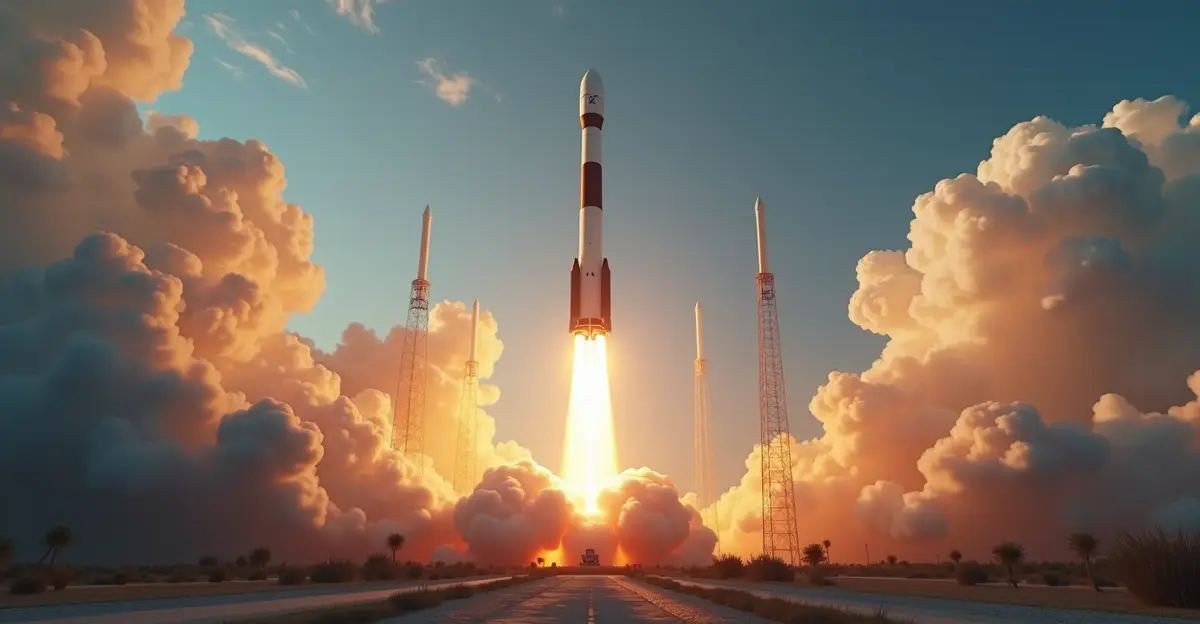
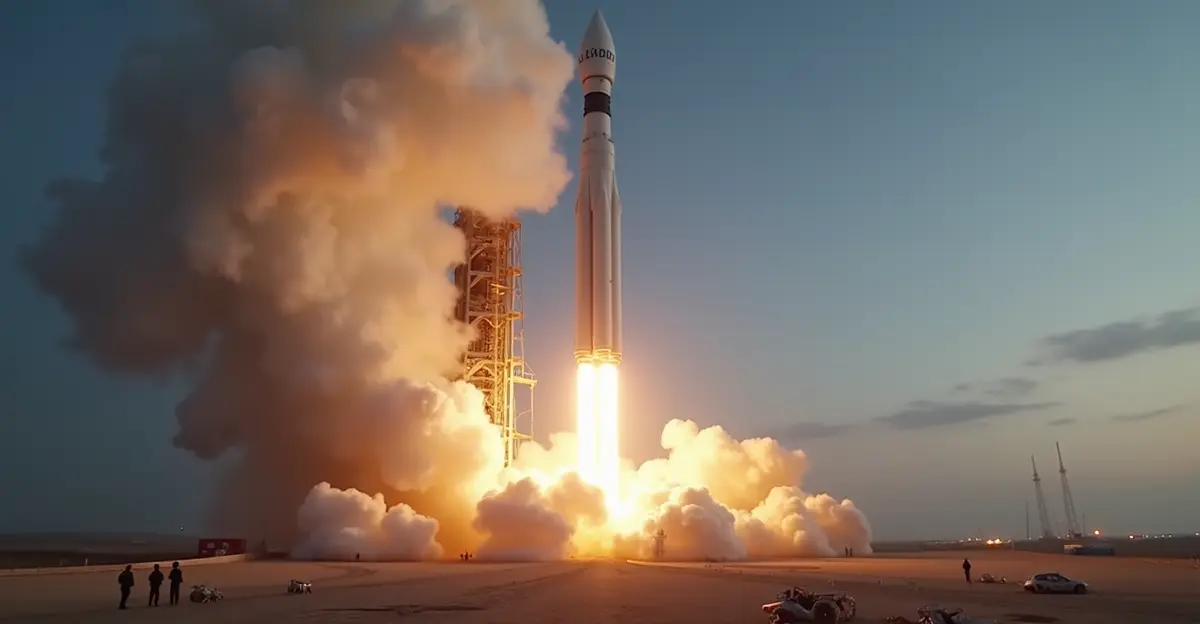
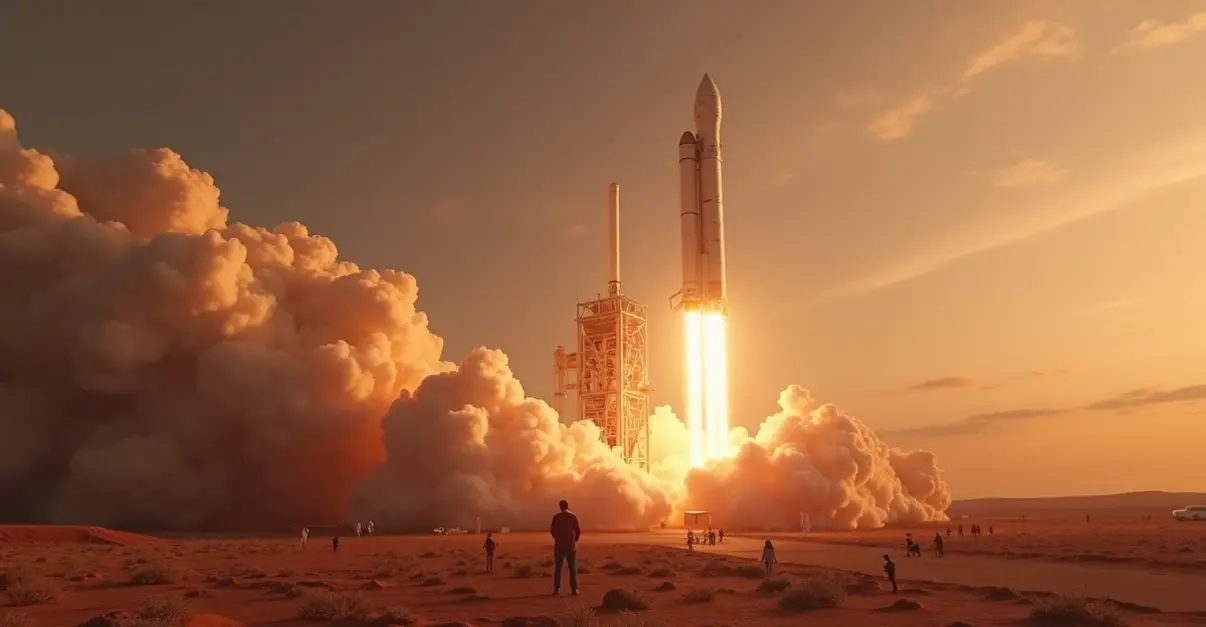
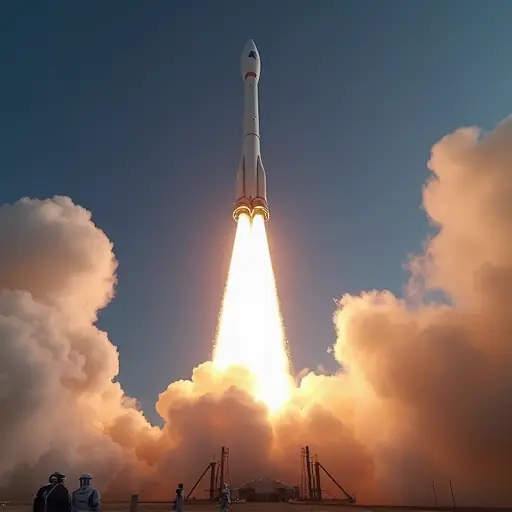
SpaceX is on the verge of a major milestone with Starship Test Flight 14, the first mission designed to place the fully reusable rocket into a sustained orbit and deliver operational payloads to space. Liftoff is targeted for no earlier than Monday, September 28, 2026, from SpaceX's Starbase facility in Boca Chica, Texas.
What Is Starship Test Flight 14?
Starship Test Flight 14 is the fourteenth integrated launch of SpaceX's two-stage Starship system and its first operational mission. Unlike the previous flight-test campaign, which focused on validating launch, staging, and controlled splashdowns, this mission aims to complete a true orbital insertion, deploy 26 Starlink V3 satellites, and then safely return Ship 41 to Earth.
The flight builds on years of iterative testing. The SpaceX Starship flight test program has already produced 13 launches, with 8 successes and 5 failures, steadily expanding the rocket's capabilities.
Mission Profile: From Texas to Orbit and Back
Vehicle and Launch Pad
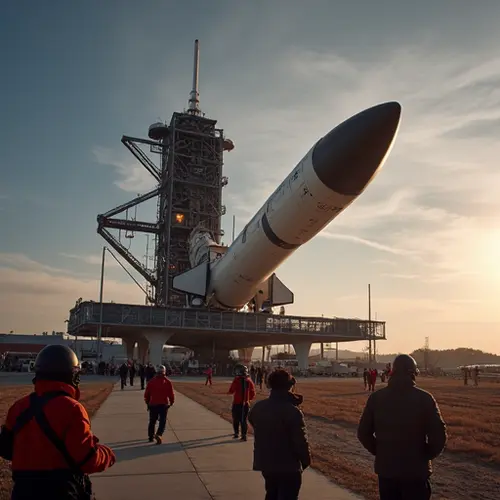
Flight 14 uses Block 3 vehicles: Super Heavy Booster 21 and Starship Ship 41. The duo is stacked on Orbital Launch Pad 2 (OLP-2) at Starbase. Booster 21 completed a full-duration static fire on August 28, 2026, while Ship 41 finished a six-engine, approximately 60-second static fire on August 21.
Starlink V3 Payload Deployment
After stage separation, Super Heavy will perform a boostback and controlled splashdown in the Gulf of Mexico. Ship 41, if healthy, will conduct an orbital-insertion burn and deploy 26 Starlink V3 satellites as Starlink Group 31-1. Three of those satellites carry cameras designed to image Ship 41's heat shield while in orbit. This expands the Starlink satellite constellation with its first V3 satellites delivered by Starship.
Orbital Flight and Splashdown
The spacecraft is expected to spend about 8.5 hours in orbit before performing a deorbit burn and reentering Earth's atmosphere. Ship 41 will then complete a landing flip and landing burn before splashing down in the Pacific Ocean.
Why This Mission Matters
Success would demonstrate five key capabilities needed for future Starship operations: orbital insertion, payload deployment, extended in-orbit flight, controlled deorbit, and atmospheric reentry. These are essential building blocks for NASA's Artemis lunar landings, which rely on a Starship human landing system, and for SpaceX's long-term plans for the Starship Mars colonization program. A reusable Starship could also cut launch costs dramatically, enabling more frequent and affordable access to orbit for both commercial and scientific payloads.
Flight 14 is the bridge from test flights to an operational Starship, a SpaceX mission commentator said.
Starship Test Flight 14: Key Milestones
- June 29, 2026: Ship 41 cryogenic proof testing
- August 19, 2026: Ship 41 single-engine deorbit burn simulation
- August 21, 2026: Ship 41 full six-engine static fire
- August 28, 2026: Booster 21 full-duration static fire
- September 28, 2026: Targeted launch date
Frequently Asked Questions
When does Starship Test Flight 14 launch?
SpaceX is targeting no earlier than Monday, September 28, 2026, from Starbase, Texas.
What is the payload on Starship Flight 14?
Starship will deploy 26 Starlink V3 satellites, three of which carry heat-shield imaging cameras.
Where will the Starship booster and ship land?
Super Heavy Booster 21 will splash down in the Gulf of Mexico, and Ship 41 will splash down in the Pacific Ocean after about 8.5 hours in orbit.
Is this Starship's first orbital flight?
Yes. Flight 14 aims for Starship's first sustained orbital insertion, following 13 earlier test flights.
Follow Discussion