


 Deutsch
 English
 Español
 Français
 Nederlands
 Português


 Share





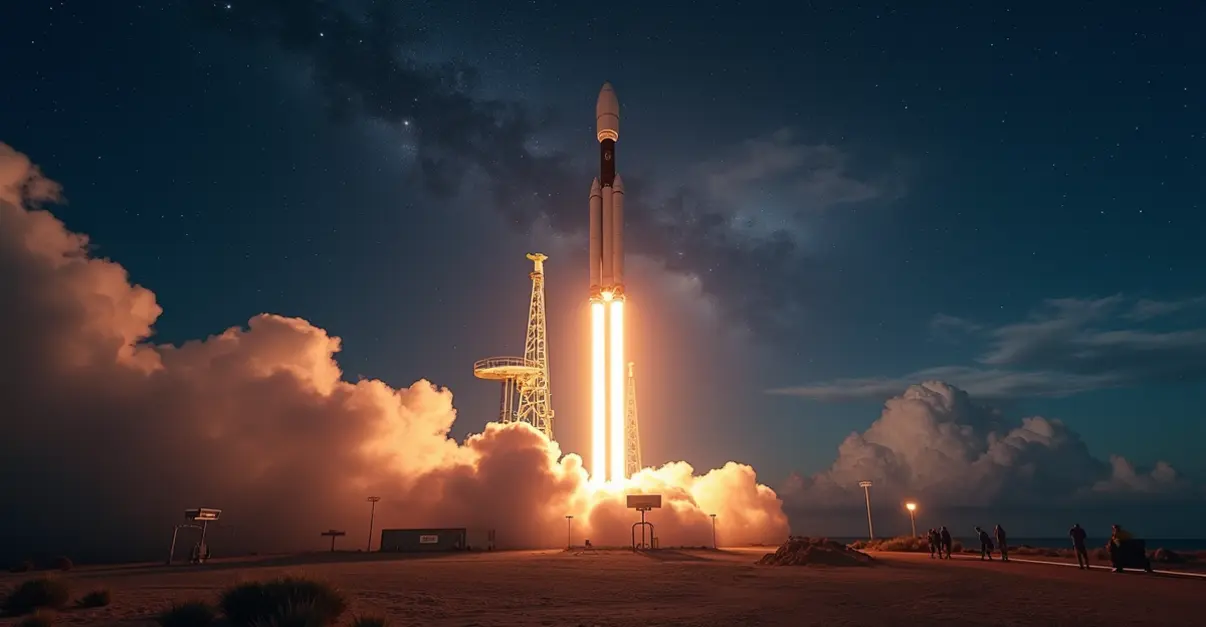
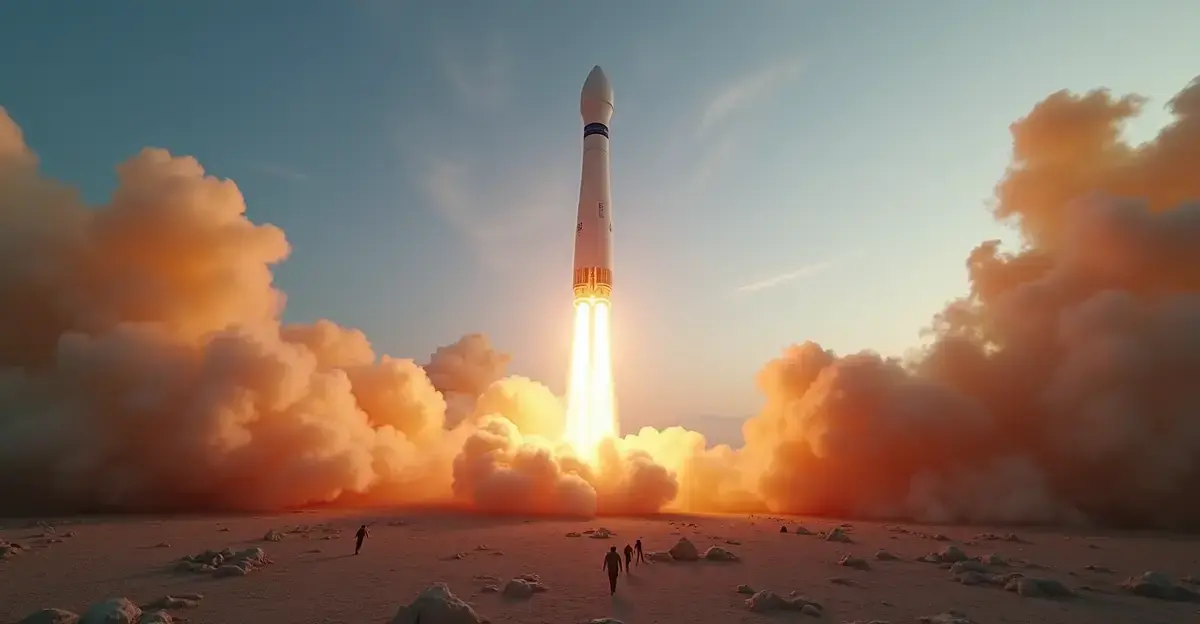
A United Launch Alliance (ULA) Vulcan rocket carrying 40 Amazon Leo internet satellites suffered a critical launch failure on Monday, November 16, 2026, minutes after liftoff from Cape Canaveral Space Force Station in Florida. All 40 satellites were lost, dealing a major blow to Amazon's low Earth orbit (LEO) broadband constellation, which aims to compete with SpaceX's Starlink.
What Happened During the Amazon Leo Vulcan Launch?
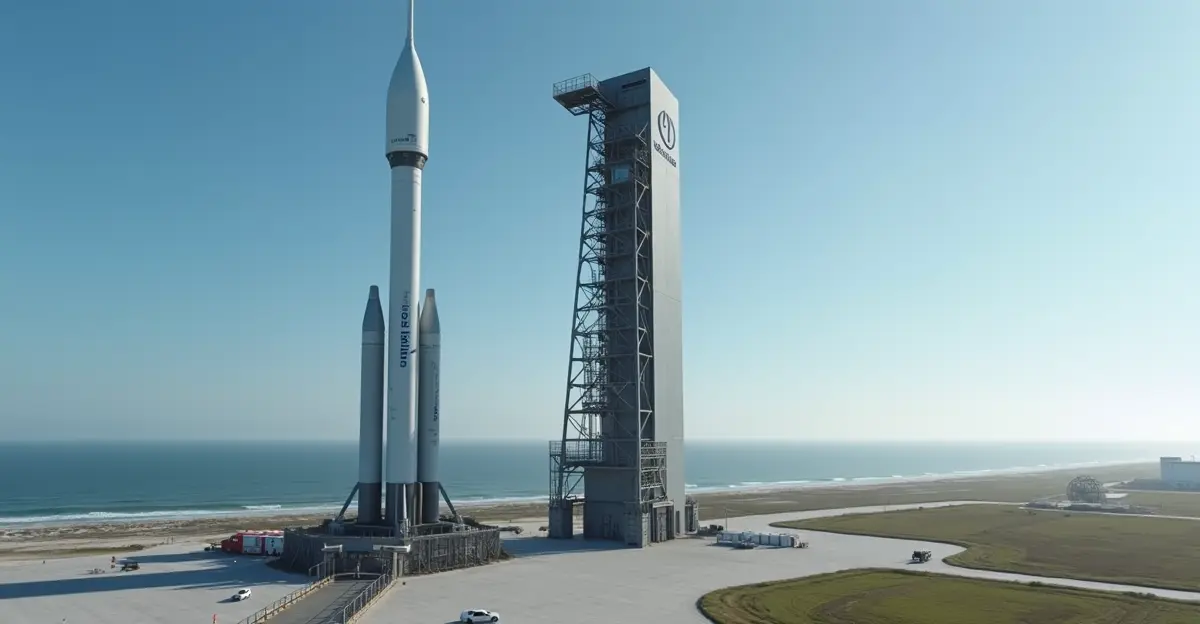
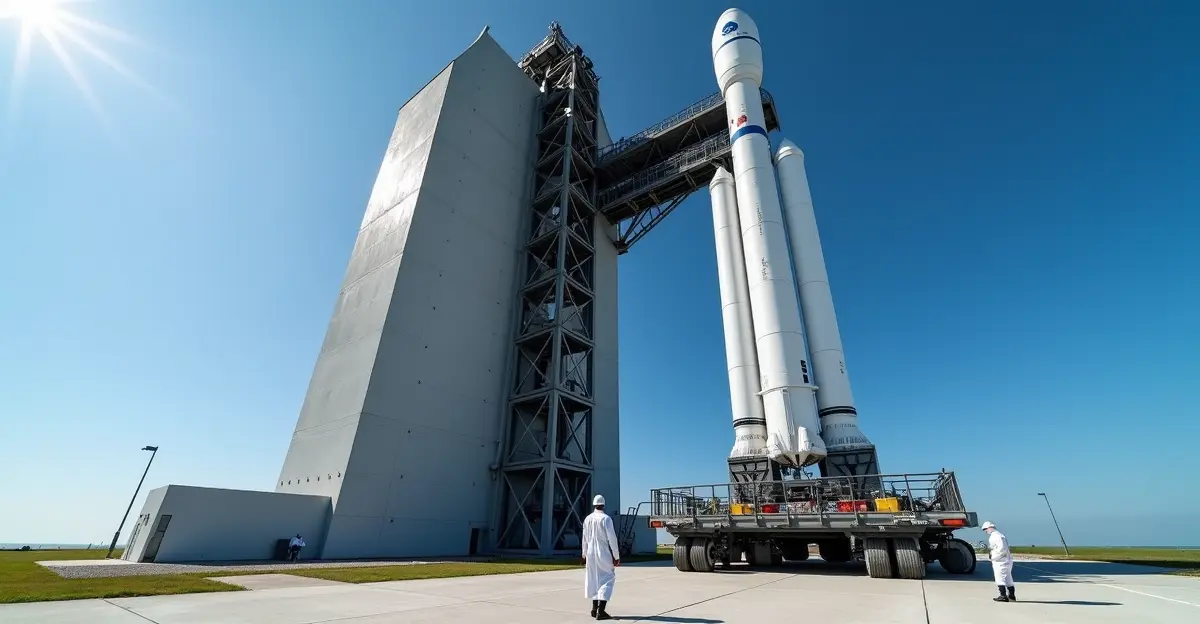
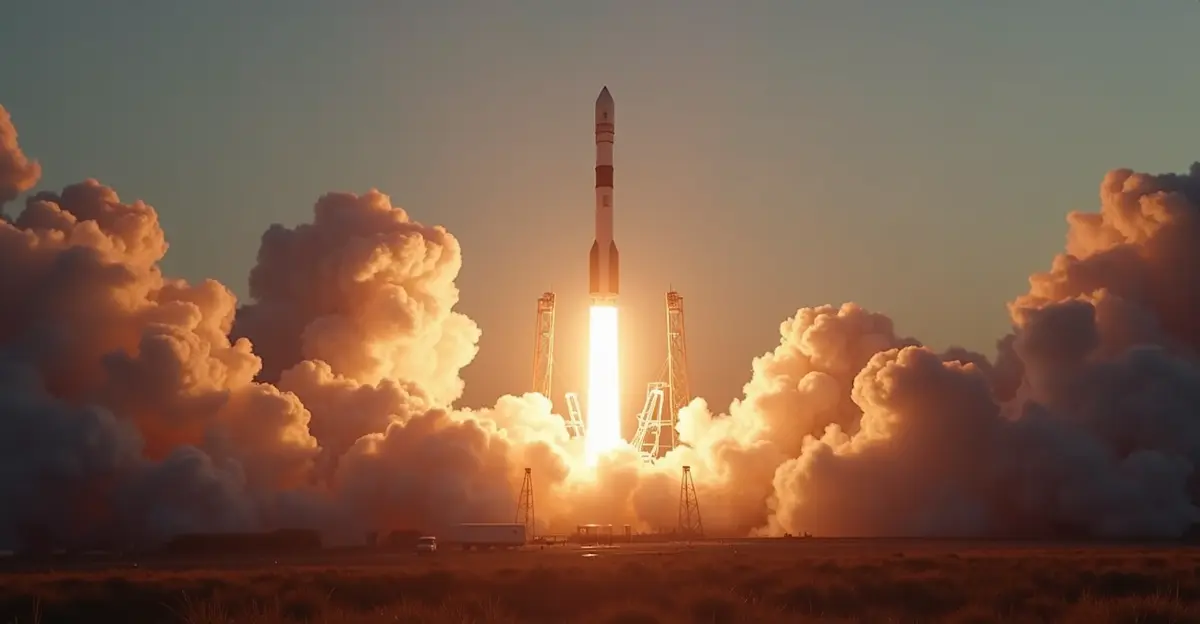
The 65-metre (213-foot) Vulcan Centaur rocket lifted off at 12:40 p.m. local time after a 20-second delay caused by an unexplained technical issue. One minute and 40 seconds into flight, the solid rocket boosters separated as planned. However, approximately 10 minutes after launch, a malfunction occurred that prevented the upper stage from reaching the velocity and altitude needed to enter orbit.
ULA said the rocket and its payload of 40 Amazon Leo satellites fell back toward Earth. The company has not confirmed whether or where debris landed, but the last known telemetry placed the rocket at 153 kilometres (95 miles) above the Atlantic Ocean.
Why Did the Vulcan Rocket Fail?
The exact cause of the Amazon Leo launch failure remains unknown. ULA has launched an investigation and said it will work with Amazon and other organisations to determine what went wrong. "We will work with our customer and other organisations to determine the cause, take appropriate measures and resume flights as soon as possible," ULA said in a statement.
Notably, the launch was delayed by 20 seconds due to a separate, unexplained technical problem with the rocket. It is not yet clear whether that issue contributed to the failure. This marks ULA's first failed mission in 20 years. The company, a joint venture between Lockheed Martin and Boeing founded in 2006, had flown the Vulcan only four times before; the previous flight was nine months earlier.
The Vulcan Centaur is powered by two BE-4 main engines built by Blue Origin, the space company founded by Amazon executive chairman Jeff Bezos, plus six solid rocket boosters. This was only the fifth flight of the Vulcan since its debut in 2024.
What the Amazon Leo Failure Means for Project Kuiper
Amazon Leo — formerly known as Project Kuiper — has ordered 38 Vulcan launches from ULA to deploy its satellite internet constellation. The failed mission, designated LV-01, was the first of those flights. "Every launch carries risk, and that is especially true for first missions such as LV-01," Amazon Leo wrote on X. "ULA is a reliable partner for Amazon, and we believe they will learn from this mission."
The loss of 40 satellites is significant for a programme that needs more than 3,300 satellites to provide global coverage. As of July 2026, Amazon Leo had launched 396 production satellites across all providers.
Amazon Leo Satellite Network at a Glance
- Total planned satellites: 3,236 authorised by the FCC (projected to exceed 3,300)
- Launch providers: ULA (38 Vulcan flights), Blue Origin, ArianeGroup, SpaceX
- Total launch contracts: 92 missions worth over $10 billion
- Primary competitor: Starlink by SpaceX
Impact on ULA and the Space Launch Industry
The failed Vulcan launch could ground the rocket for an extended period while ULA investigates. Canadian broadcaster CBC News described the event as "a kink in the cable for the launch planning" of both ULA and Amazon. ULA has already flown eight Amazon satellite missions using the older Atlas V rocket, but the Vulcan is now its primary workhorse for commercial and national security launches.
Industry analysts note that the satellite internet market is becoming increasingly crowded, with Starlink, OneWeb and Amazon Leo competing for orbital slots and customers. A prolonged Vulcan stand-down could delay Amazon Leo's deployment timeline and push more launches to rival providers.
FAQ: Amazon Leo Vulcan Launch Failure
How many satellites were lost in the Amazon Leo launch failure?
All 40 Amazon Leo satellites aboard the ULA Vulcan rocket were lost when the vehicle failed to reach orbit.
What caused the Vulcan rocket to fail?
The cause is under investigation. The rocket experienced a malfunction about 10 minutes after liftoff, and a 20-second pre-launch delay due to a technical issue is also being reviewed.
Where did the rocket debris land?
ULA has not confirmed a debris location. The last known position was 153 kilometres above the Atlantic Ocean.
Is this ULA's first launch failure?
Yes, this is ULA's first failed mission in 20 years.
Follow Discussion