


 Deutsch
 English
 Español
 Français
 Nederlands
 Português


 Share
Share




Ariane 6 2026: Europe's Heavy-Lift Rocket Debuts with Amazon Leo Satellite Launch
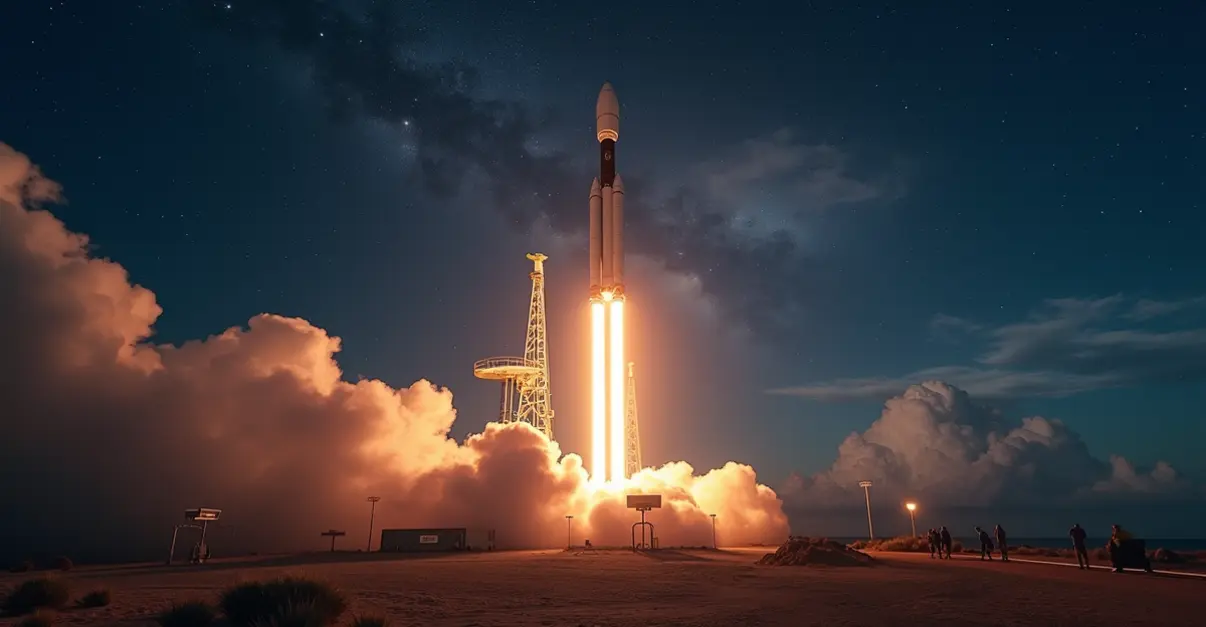
Europe's space industry achieved a major milestone on February 12, 2026, as the most powerful version of the Ariane 6 rocket successfully launched 32 satellites for Amazon's Leo internet constellation. The Ariane 64 configuration, featuring four solid rocket boosters, lifted off from Europe's Spaceport in Kourou, French Guiana at 16:45 UTC, marking Europe's return to autonomous heavy-lift launch capability and demonstrating significant progress in the global satellite internet race.
What is the Ariane 6 Rocket?
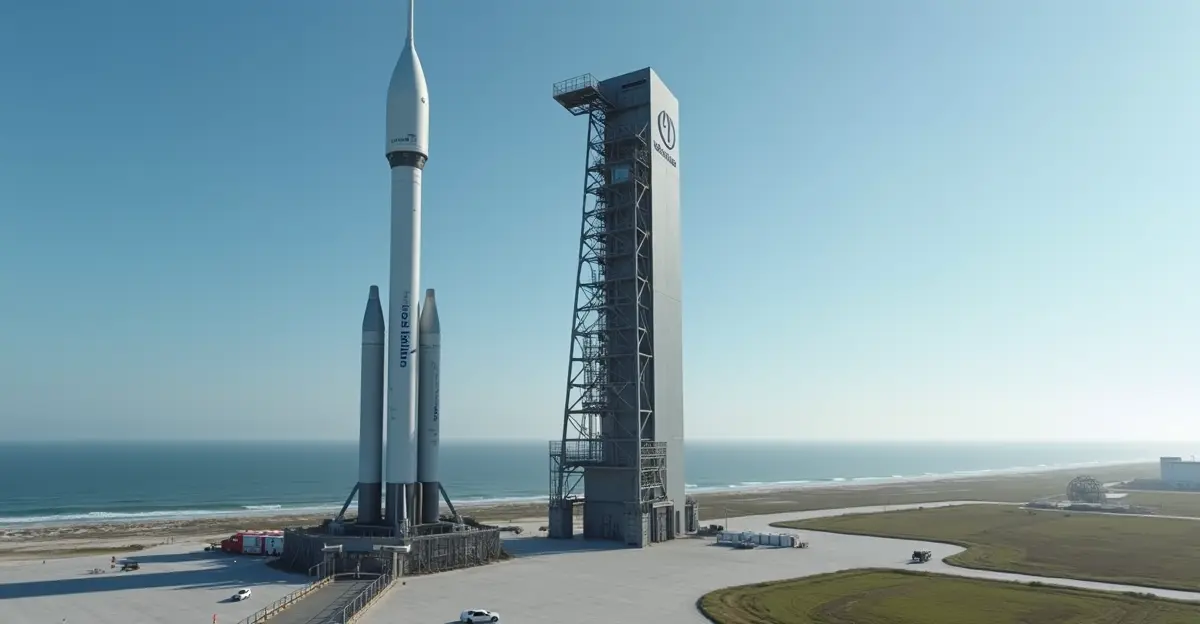
The Ariane 6 is Europe's next-generation launch vehicle developed by ArianeGroup under the European Space Agency (ESA) to replace the reliable Ariane 5. The rocket comes in two configurations: the Ariane 62 with two boosters for medium payloads (10.3 tonnes to LEO) and the Ariane 64 with four boosters for heavy payloads (21.6 tonnes to LEO). Standing 62 meters tall with a 5.4-meter diameter, the Ariane 64 represents Europe's most powerful expendable launch vehicle, though it lacks the reusability features of its American competitors.
Key Specifications of Ariane 64:
- Height: 62 meters (with 20-meter fairing)
- Payload Capacity: 21,500 kg to Low Earth Orbit (LEO)
- Boosters: 4 P120C solid rocket boosters
- Main Engine: Vulcain 2.1 (first stage)
- Upper Stage: Vinci engine
- Launch Cost: Approximately $98 million per flight
The Historic Launch Mission
The February 12 mission, designated VA267 (LE-01 for Amazon Leo), represented several significant firsts for European spaceflight. 'This launch demonstrates Europe's autonomous heavy-lift launch capability and constellation deployment capacity,' stated ESA officials in their official release. The 1 hour 54 minute mission successfully deployed all 32 Amazon Leo satellites into a low Earth orbit at approximately 465 km altitude with a 51.9-degree inclination.
This mission marked:
- The first flight of the Ariane 64 configuration
- The first European rocket launch for Amazon Leo
- The first commercial customer for Ariane 6
- The debut of the rocket's elongated 20-meter fairing
- The heaviest payload ever launched by a European vehicle (approximately 20 metric tons)
Amazon Leo: Europe's Entry into Satellite Internet Competition
Amazon Leo (formerly Project Kuiper) represents Amazon's ambitious entry into the satellite internet market, directly competing with SpaceX's Starlink constellation. With this launch, Amazon Leo now operates 212 satellites in orbit, with plans to eventually deploy over 3,200 spacecraft. The constellation aims to provide high-speed internet access to underserved communities worldwide, with service rollout expected to begin later in 2026.
Amazon has secured 18 Ariane 6 launches as part of its constellation deployment strategy, demonstrating the commercial viability of European launch services in the competitive satellite internet market. The company has also booked launches with other providers, including SpaceX, highlighting the complex competitive landscape in the space industry.
Ariane 6 vs SpaceX Falcon 9: Key Differences
| Feature | Ariane 64 | SpaceX Falcon 9 |
|---|---|---|
| Reusability | Expendable | Partially reusable (first stage) |
| LEO Payload | 21,600 kg | 22,800 kg |
| Launch Cost | ~$98 million | $62-95 million |
| Annual Launch Rate | Up to 10 by 2027 | Over 60 in 2025 |
| First Flight | July 2024 | June 2010 |
Strategic Implications for European Space Industry
The successful Ariane 64 launch represents more than just a technical achievement; it marks Europe's strategic return to autonomous space access. After facing a year without independent launch capability due to Ariane 6 delays and geopolitical issues with Russian rockets, Europe now possesses a complete rocket fleet including Vega-C, Ariane 62, and Ariane 64. This provides the continent with comprehensive access to space for payloads of all sizes to various orbits.
The mission demonstrates Europe's ability to compete in the commercial satellite launch market, though challenges remain regarding cost competitiveness and reusability. While Ariane 6 offers significant improvements over its predecessor with approximately 40% cost reduction, it still faces stiff competition from SpaceX's reusable Falcon 9 rockets.
FAQ: Ariane 6 and Amazon Leo Launch
What was launched on February 12, 2026?
The Ariane 64 rocket launched 32 Amazon Leo internet satellites into low Earth orbit from French Guiana.
How many satellites does Amazon Leo now have in orbit?
With this launch, Amazon Leo now operates 212 satellites, with plans to deploy over 3,200 eventually.
Is Ariane 6 reusable like SpaceX rockets?
No, Ariane 6 is an expendable launch vehicle, while SpaceX's Falcon 9 features reusable first stages.
What is the payload capacity of Ariane 64?
The Ariane 64 can carry approximately 21.6 tonnes to low Earth orbit, more than double the capacity of the two-booster Ariane 62 variant.
When will Amazon Leo internet service be available?
Amazon plans to begin service rollout later in 2026 as additional coverage and capacity are added to the network.



Follow Discussion