


 Deutsch
 English
 Español
 Français
 Nederlands
 Português


 Share
Share




FAA Orders SpaceX to Ground Starship V3 After Booster Mishap
The Federal Aviation Administration (FAA) has ordered SpaceX to ground its Starship V3 rocket following a booster failure during the vehicle's maiden test flight on May 22, 2026. The decision comes at a critical time for the company, which is preparing for its highly anticipated initial public offering (IPO) on the Nasdaq, expected to be the largest in history. The grounding means SpaceX cannot launch Starship again until it completes a full mishap investigation and receives FAA approval—a process that could take weeks or months.
What Happened During Starship Flight 12?
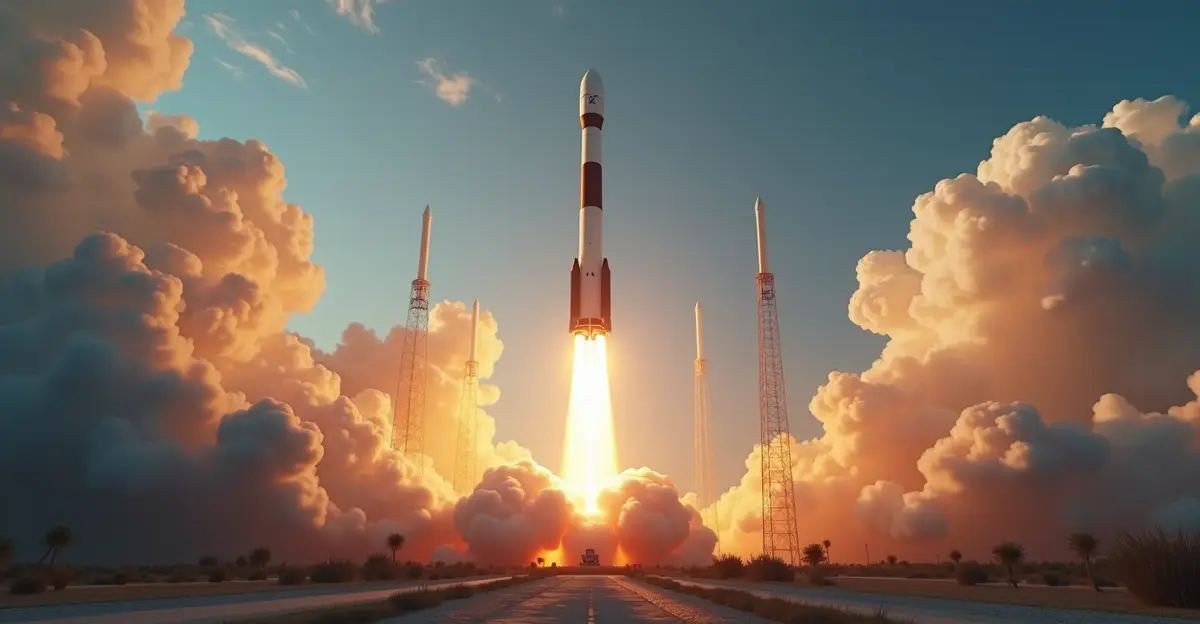
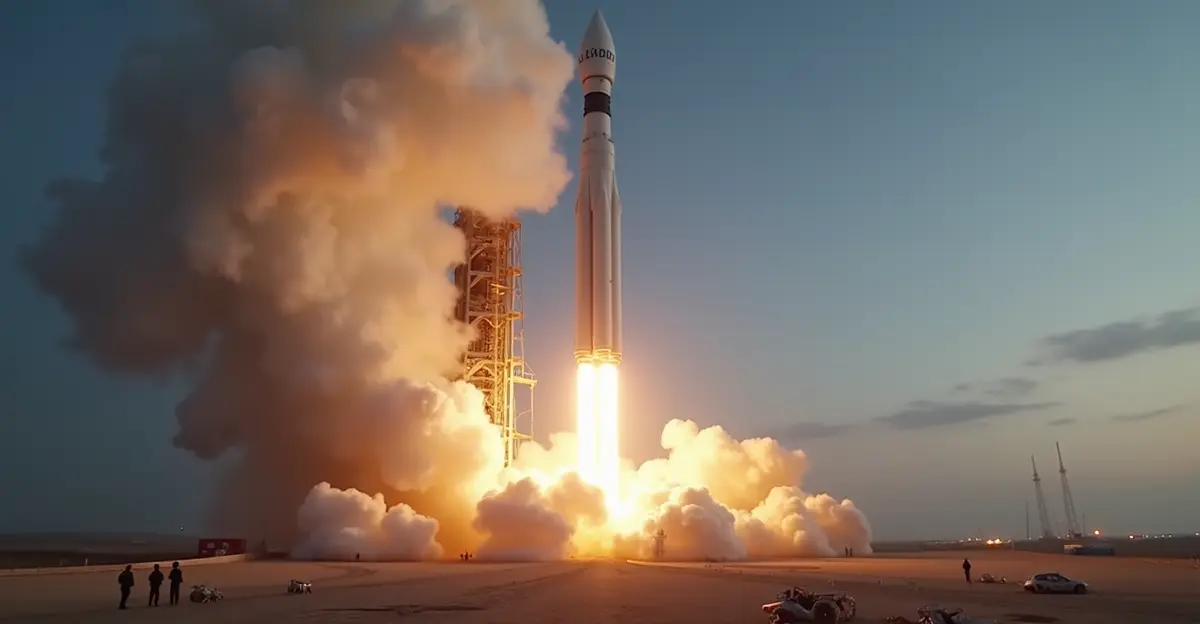
SpaceX's 12th Starship test flight launched successfully from Starbase, Texas, at 5:30 p.m. CT on May 22, 2026. This was the debut of the upgraded Starship V3, featuring the new Raptor 3 engines and a taller, more powerful airframe. The upper stage performed well, deploying 20 dummy Starlink satellites and achieving several firsts, including in-space imaging of Starship by modified Starlink satellites. However, the Super Heavy booster experienced critical anomalies during its return sequence.
According to the FAA, multiple Raptor engines on the booster failed to ignite during the planned boostback burn, causing the 72-meter-tall first stage to tumble and crash into the Gulf of Mexico. The FAA classified the event as a 'mishap' and noted that the hard splashdown occurred in a risky area, causing delays to five flights from a nearby airport. No injuries or property damage were reported.
Why the Starship V3 Grounding Matters
Technical Setback for SpaceX's Most Powerful Rocket
The Starship V3 is SpaceX's most ambitious upgrade yet. Standing 124.4 meters (407 feet) tall with 33 Raptor 3 engines producing approximately 9,240 tons of liftoff thrust, it is designed to carry over 100 metric tons to low Earth orbit in fully reusable mode—triple the capacity of the previous V2 version. The Raptor 3 engine itself is a marvel of engineering, delivering 280 tons of thrust at 350 bar chamber pressure without needing heat shields.
The booster failure raises questions about the reliability of the new propulsion system. During Flight 12, the booster failed to light all planned engines for its boostback burn, causing it to lose control. SpaceX must now identify the root cause, which likely involves the methane feed system or engine ignition sequencing, and implement corrective measures before the FAA clears Starship for flight again.
Impact on SpaceX's Upcoming IPO
The grounding comes at an inopportune time. SpaceX is targeting a landmark IPO on the Nasdaq under ticker SPCX, with pricing scheduled for June 11, 2026, and first trading on June 12. The company aims to raise up to $75 billion at a valuation of $1.75 trillion to $2 trillion, potentially making it the largest public debut in market history.
While the Starship program is not yet a revenue driver—SpaceX's profitable Starlink division funds it—the V3 rocket is central to the company's long-term growth story. Starship is needed to deploy the next-generation Starlink V2 satellites, which are too large for Falcon 9. The SpaceX IPO valuation relies in part on investor confidence in Starship's ability to scale operations. A prolonged grounding could dampen sentiment, though most analysts expect the IPO to proceed as planned.
What's Next for Starship?
SpaceX must now conduct a thorough mishap investigation, report its findings to the FAA, and propose corrective actions. Historically, such investigations have taken anywhere from a few weeks to several months. However, the FAA could issue an earlier return-to-flight determination if it determines that public safety is not jeopardized.
The grounding also has implications for NASA's Artemis program, which relies on a Starship variant as the Human Landing System for lunar missions. The first crewed lunar landing under Artemis III is currently scheduled for 2028, but delays in Starship development could push that timeline further.
SpaceX CEO Elon Musk has not publicly commented on the grounding, but the company's engineering teams are already analyzing telemetry data from Flight 12. The Starship V3 upgrades include a redesigned methane feed system and larger grid fins, which may need adjustments based on the investigation's findings.
Frequently Asked Questions
Why did the FAA ground Starship?
The FAA grounded Starship after the Super Heavy booster experienced multiple engine failures during its return burn on Flight 12, resulting in an uncontrolled hard splashdown in the Gulf of Mexico. The agency classified this as a mishap requiring a formal investigation.
How long will Starship be grounded?
The grounding duration is uncertain. Previous Starship mishap investigations have taken 2-6 months, but the FAA could clear SpaceX sooner if the root cause is identified quickly and corrective actions are deemed sufficient.
Will the grounding affect SpaceX's IPO?
Most analysts believe the IPO will proceed as scheduled on June 12, 2026, as SpaceX's valuation is primarily driven by Starlink's profitability and the company's overall growth trajectory. However, a prolonged Starship grounding could impact long-term investor confidence.
What is the Starship V3?
Starship V3 is the latest version of SpaceX's fully reusable super heavy-lift rocket. It features Raptor 3 engines, a taller airframe (124.4 m), and a payload capacity of over 100 metric tons to low Earth orbit. It debuted on Flight 12 on May 22, 2026.
What is SpaceX's IPO date?
SpaceX is expected to begin trading on the Nasdaq under ticker SPCX on June 12, 2026, with pricing on June 11. The company aims to raise up to $75 billion at a valuation of up to $2 trillion.
Sources
This article is based on reporting from Reuters, TechCrunch, USA Today, Astronomy.com, and SpaceX's official launch page. For more on the SpaceX Starship program, visit the company's website.


Follow Discussion