


 Deutsch
 English
 Español
 Français
 Nederlands
 Português


 Share
Share




At least 15 people were killed, including three children, and at least 16 others were injured when Russian forces struck the south-eastern Ukrainian city of Zaporizhzhia with five glide bombs on Saturday morning, 10 October 2026, according to Ukrainian officials and emergency services. The Russian glide bomb attack on Zaporizhzhia destroyed residential buildings and left more residents missing beneath rubble, with over 80 rescuers continuing a desperate search.
What happened in Zaporizhzhia?
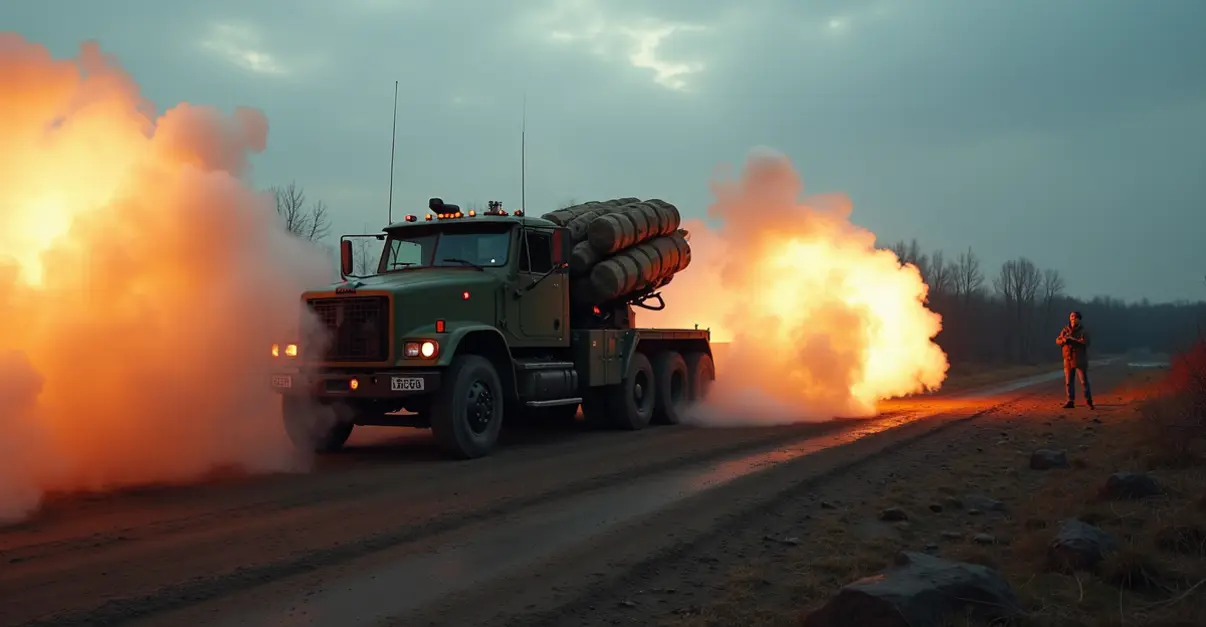
Acting Mayor Regina Kharchenko said an apartment block was hit on its ground floor, causing upper floors to collapse, and described the strike as hitting 'our very heart'. The city of more than 710,000 people lies less than 16km from the front line, making it a frequent target. Glide bombs are stand-off weapons fitted with flight-control surfaces that allow aircraft to release them from a distance, and they are notoriously difficult to intercept once launched. These weapons have become central to Russian glide bomb tactics in the war.
Search and rescue teams worked through the day in the ruined residential district. Ukrainian emergency services said at least 16 people were wounded and that the death toll could rise. President Volodymyr Zelensky said overnight strikes also hit 13 other Ukrainian regions, underlining the scale of the barrage.
Why Zelensky called the attack Russia's 'thanks'
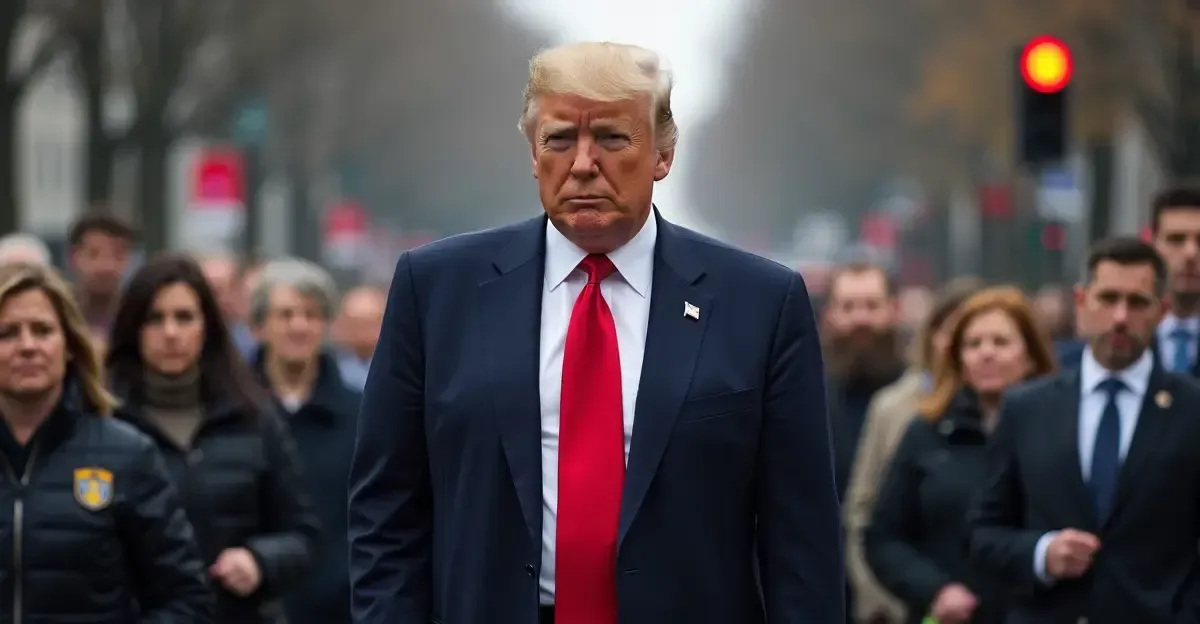
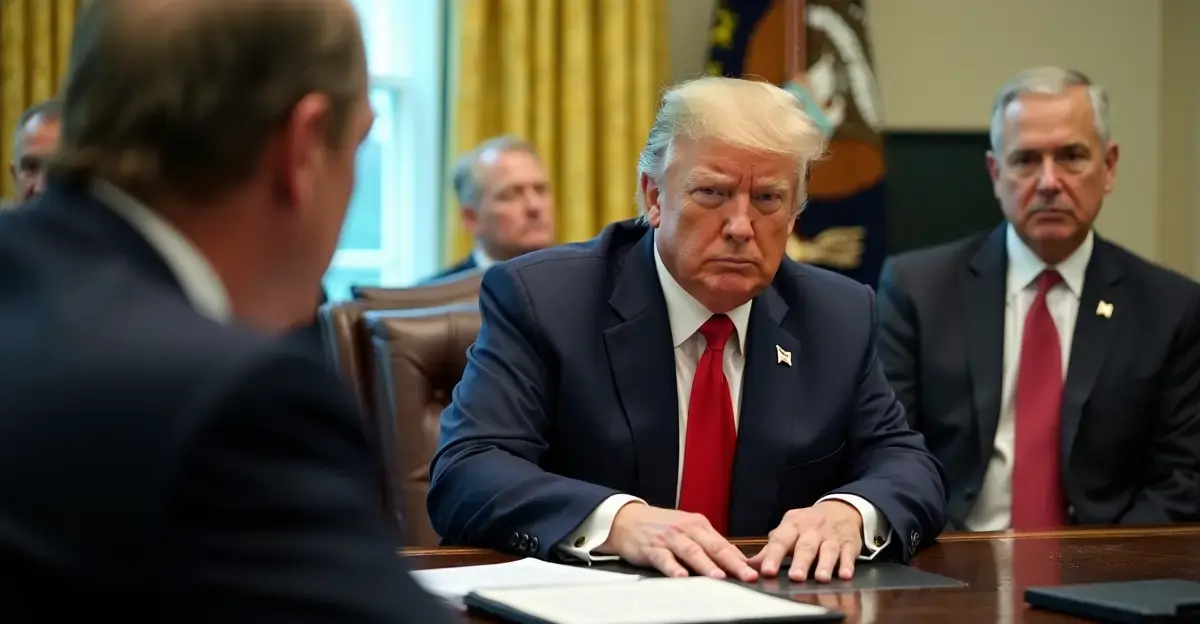
The strike came hours after US President Donald Trump announced a deal with Vladimir Putin for the United States to import Russian diesel. Zelensky said the bombing was Moscow's way of expressing its 'thanks' for the arrangement, telling reporters the deal was 'an investment in a war that must be ended' and describing it as a gift to Putin.
Trump said Putin agreed to supply more than 300,000 tonnes of Russian diesel immediately and another 500,000 tonnes in November—about 6 million barrels, or roughly 1.5 days of US demand. The White House framed the move as a way to lower fuel prices for farmers, ranchers and truckers ahead of the November midterm elections.
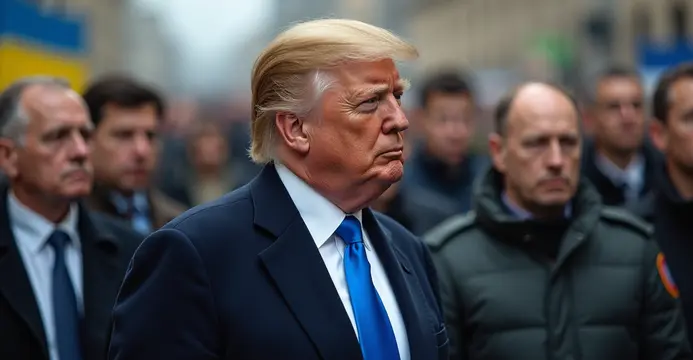
Trump also escalated his feud with Kyiv, saying Ukraine needed 'a new leader' and blaming Zelensky for high US diesel costs. The comments followed Ukrainian strikes on Russian refineries, which US officials said Kyiv had been asked to halt.
European leaders reiterate support for Ukraine
The EU criticised the diesel deal and pledged to maintain pressure on Moscow. Brussels is preparing what would be its largest sanctions package, with around 1,600 listings, according to officials. Germany, Sweden and the United Kingdom all reaffirmed support for Kyiv, pushing back against Washington's shift.
Analysts noted the diesel volume, while politically explosive, is 'not a needle mover' for global supply, estimated at a 5–6% boost. But Ukraine and its allies argue the symbolism and revenue matter more than the barrels.
Recent high-casualty attacks
Saturday's attack is part of a deadly escalation. The UN says civilian casualties in Ukraine rose 55% in the first eight months of 2026. A strike on Kramatorsk killed 33 people and another on Pryluky killed 22 in the same period, according to Ukrainian authorities.
- Zaporizhzhia, 10 October 2026: at least 15 killed, including three children
- Kramatorsk, earlier in 2026: 33 killed
- Pryluky, earlier in 2026: 22 killed
What this means for fuel prices and the war
The diesel deal sits at the intersection of US fuel-price politics and the war in Ukraine. Trump has made cheaper diesel a central midterm theme, but critics across the aisle, including former Vice President Mike Pence, called the purchase a betrayal. The arrangement could complicate NATO unity at a moment when European capitals are trying to deepen sanctions.
Frequently asked questions
How many people died in the Zaporizhzhia glide bomb attack?
At least 15 people were killed, including three children, and at least 16 were injured, with more feared trapped under rubble.
What did Volodymyr Zelensky say about the Russian diesel deal?
He said the strike was Russia's 'thanks' for the US deal and called it a gift to Putin and an investment in the war.
Why did Donald Trump agree to buy Russian diesel?
Trump said the deal would lower US fuel prices for farmers, ranchers and truckers before the November midterm elections.
How have European leaders responded?
The EU criticised the deal and is preparing its largest sanctions package, while Germany, Sweden and the UK reaffirmed support for Ukraine.
What are glide bombs?
Glide bombs are stand-off weapons with flight-control surfaces that can be released from a distance, making them hard to intercept.
Future outlook
As rescuers continue searching for survivors in Zaporizhzhia, the diplomatic fallout from the diesel deal is likely to deepen. Kyiv has vowed to respond to the strikes, and EU officials say sanctions pressure will not ease. The coming weeks will test whether Washington's pursuit of cheaper fuel can coexist with its stated goal of ending the war.


Follow Discussion