


 Deutsch
 English
 Español
 Français
 Nederlands
 Português


 Share
Share




In a dramatic turn of events, Russian President Vladimir Putin has signaled that the war in Ukraine may be 'coming to an end,' even as his forces launched their deadliest aerial assaults on Kyiv in months, killing at least 24 people and flattening a residential building. Speaking after the scaled-back Victory Day parade on May 9, 2026, Putin suggested a willingness to negotiate, but analysts warn his conditions amount to a Ukrainian capitulation. Meanwhile, reports of growing discontent inside the Kremlin and among Russian elites have emerged, though experts say Putin still holds the 'touwtjes strak in handen' (reins tightly in hand).
Context: A Ceasefire Shattered by Violence
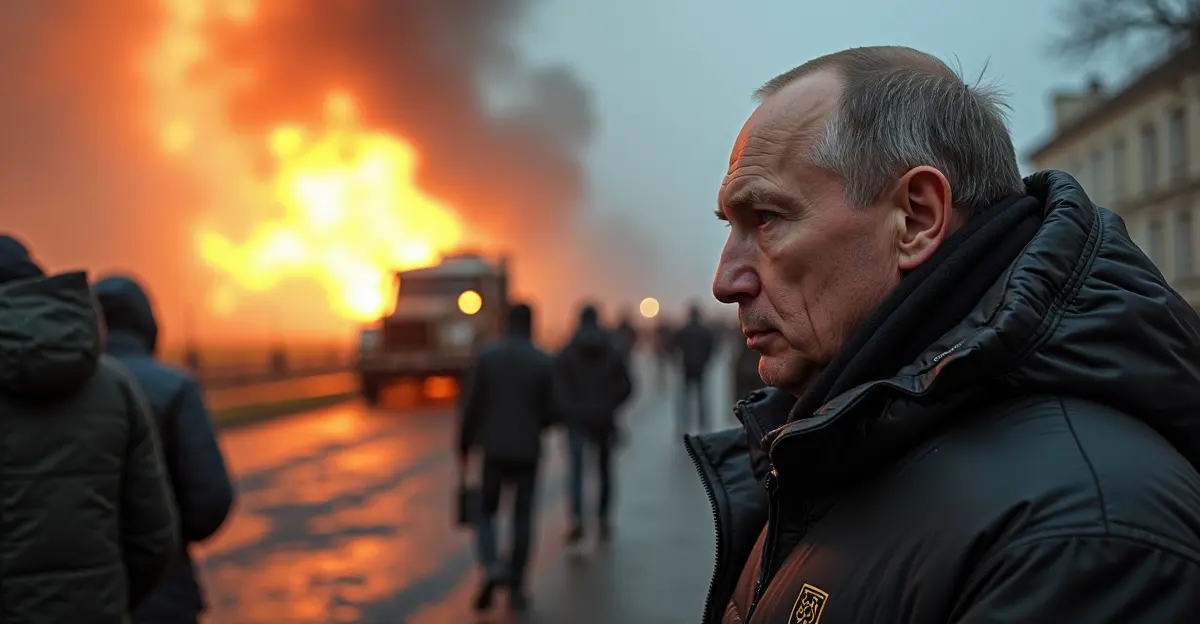
A three-day US-brokered ceasefire, which began on May 9, was meant to pave the way for prisoner exchanges and broader peace talks. However, within days, Russia launched a massive two-day barrage of over 1,560 drones and 56 missiles across Ukraine, targeting Kyiv, Kharkiv, Odesa, and other cities. In the capital, a nine-story apartment block in the Darnytskyi district was split in two by a ballistic missile, killing 24 people, including three children. Air raid alarms sounded for nearly 11 hours straight. Ukrainian President Volodymyr Zelenskyy accused Russia of stockpiling weapons to overwhelm air defenses, vowing retaliation. The assault marked the worst attack on Kyiv in recent months, shattering any remaining hope that the ceasefire could hold.
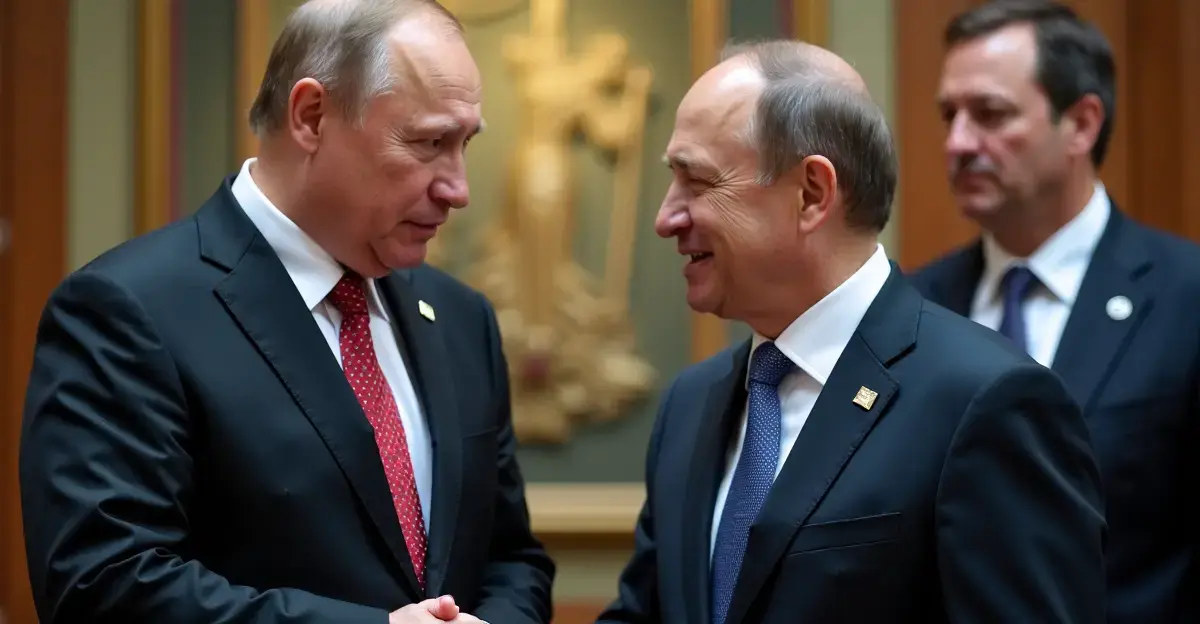
The timing of the attacks, coinciding with Putin's conciliatory remarks, has left many observers puzzled. On May 9, Putin told reporters that 'the cause is heading toward an end,' a phrase carefully parsed by Kremlin watchers. He blamed Western 'globalist' leaders for the war and reiterated that peace would only come on Russia's terms, including Ukrainian neutrality, recognition of annexed territories, and demilitarization. The Russia-Ukraine peace negotiations remain stalled, with the Kremlin stating that a final agreement could take a long time.
Signs of Strain Inside the Kremlin
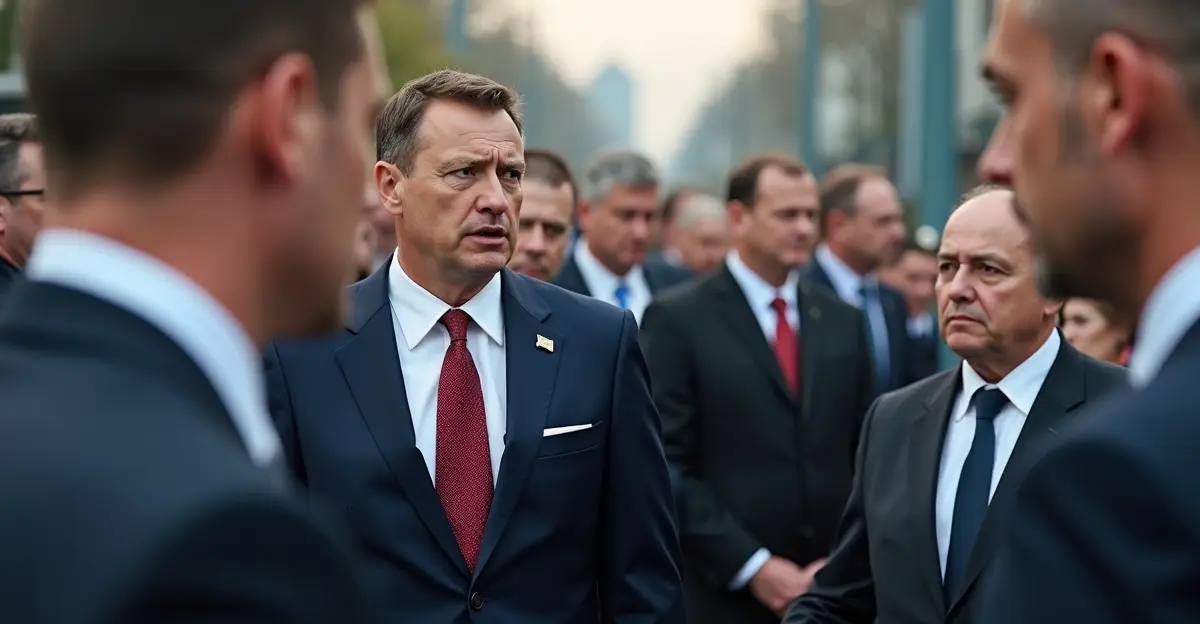
Despite Putin's confident public posture, multiple reports suggest underlying tensions. A leaked European intelligence assessment, published by the Financial Times, claimed that Putin has become increasingly reclusive, with his security detail under heightened surveillance. The Economist ran an anonymous article by a senior Russian official suggesting that some in government circles are 'cautiously distancing themselves' from Putin. Meanwhile, opposition politician Boris Nadezhdin, who attempted to challenge Putin in the 2024 election, told The New York Times that Russian society is in 'the first stage of awakening,' with the economy deteriorating rapidly since the start of the year.
Russia's economy is showing clear signs of strain. Budget deficits have exceeded annual targets by 1.5 times, inflation is eroding pensions, and Western sanctions continue to bite. Industrialists are increasingly concerned about the confiscation of businesses and their redistribution to Putin loyalists. Even pro-war 'Z-bloggers' have begun to criticize the lack of decisive victories on the battlefield. The Russian economic crisis under sanctions is fueling public discontent, though open dissent remains rare due to the pervasive security apparatus.
Elite Discontent or Western Wishful Thinking?
Russia expert Helga Salemon of the Hague Centre for Strategic Studies (HCSS) cautions against reading too much into these reports. 'The stories rely on anonymous sources and are timed suspiciously well,' she says. 'They may be part of the information war waged by Western intelligence agencies.' She insists that 'Putin still has the reins firmly in hand.' Former Moscow correspondent Hubert Smeets agrees that the repressive apparatus is too strong for any immediate revolt. However, he notes a growing struggle between the security bloc and the economic bloc within the government. 'The security forces want to keep fighting; the economists see the country bleeding dry,' Smeets explains.
Recent analysis by the Lansing Institute estimates a 20-30% probability of a serious coup attempt within 12-18 months, though a successful coup is rated at only 10-15%. The most likely scenario is an elite-managed transition rather than a violent overthrow. Still, the Kremlin's own security behavior—reducing Putin's public appearances, increasing multi-layer screening, and expanding surveillance of staff—suggests a regime that fears insider threats.
Impact and Implications
The contradiction between Putin's talk of peace and the intensified bombing of Kyiv has profound implications. For Ukrainians, it underscores the belief that Russia uses ceasefires to regroup and rearm. 'They stockpile missiles during the quiet periods and then unleash hell,' a Kyiv resident told local media. The attacks have also complicated US President Donald Trump's mediation efforts. Trump had brokered the three-day truce and expressed hope for extending it, but the Kyiv strikes have drawn sharp criticism, with Trump saying the attack could delay peace efforts. Meanwhile, the prisoner exchange that accompanied the ceasefire—205 POWs swapped on each side—offers a rare glimmer of humanity amid the carnage.
For Putin, the dual messaging may be aimed at different audiences: to the Russian public, he signals an eventual end to the 'special military operation' to manage war fatigue; to the West, he projects strength and intransigence. But as the 2025 Russia-Ukraine war escalation has shown, the gap between rhetoric and reality on the ground remains vast. The war, now in its fifth year, has killed hundreds of thousands, displaced millions, and reshaped global geopolitics.
Frequently Asked Questions
Did Putin really say the war is ending?
Yes, on May 9, 2026, after the Victory Day parade, Putin stated that the war is 'coming to an end,' but he conditioned it on Ukraine's capitulation—recognizing Russian control over annexed territories and abandoning NATO aspirations.
Why did Russia attack Kyiv during a ceasefire?
Russia accused Ukraine of violating the truce and claimed the strikes were retaliation for Ukrainian drone attacks. Ukraine denies this, saying Russia used the ceasefire to stockpile munitions.
Is Putin's power weakening?
Reports of elite discontent and economic strain have surfaced, but most experts agree Putin's repressive apparatus remains strong. A coup is possible but unlikely in the near term.
What was the death toll from the May 2026 Kyiv attacks?
At least 24 people were killed, including three children, and dozens more wounded when a missile struck a residential building in Kyiv's Darnytskyi district.
What role is the US playing?
President Trump brokered a three-day ceasefire and prisoner exchange, but the renewed violence has complicated his peace efforts. The US continues to provide military aid to Ukraine.
Sources
This article is based on reporting from NOS, Reuters, Al Jazeera, The Guardian, CNN, Foreign Policy, and the Lansing Institute. Direct quotes from Hubert Smeets and Helga Salemon are from the original NOS article by Wessel de Jong.

Follow Discussion