


 Deutsch
 English
 Español
 Français
 Nederlands
 Português


 Share
Share




Russia in Fear as Ukraine Shifts the Battlefield
Growing fear is spreading across Russia as Ukraine demonstrates an increasing ability to strike deep into Russian territory, according to defense analyst Patrick Bolder of the Hague Centre for Strategic Studies (HCSS). The war, now in its fourth year since the full-scale invasion of February 2022, has entered a new phase where Ukraine's long-range strike capabilities are causing significant concern among Russian civilians and leadership alike. Internet blackouts, bank runs, and President Vladimir Putin's retreat to bunkers signal a profound shift in the conflict's momentum.
Context: Ukraine's Evolving Military Strategy
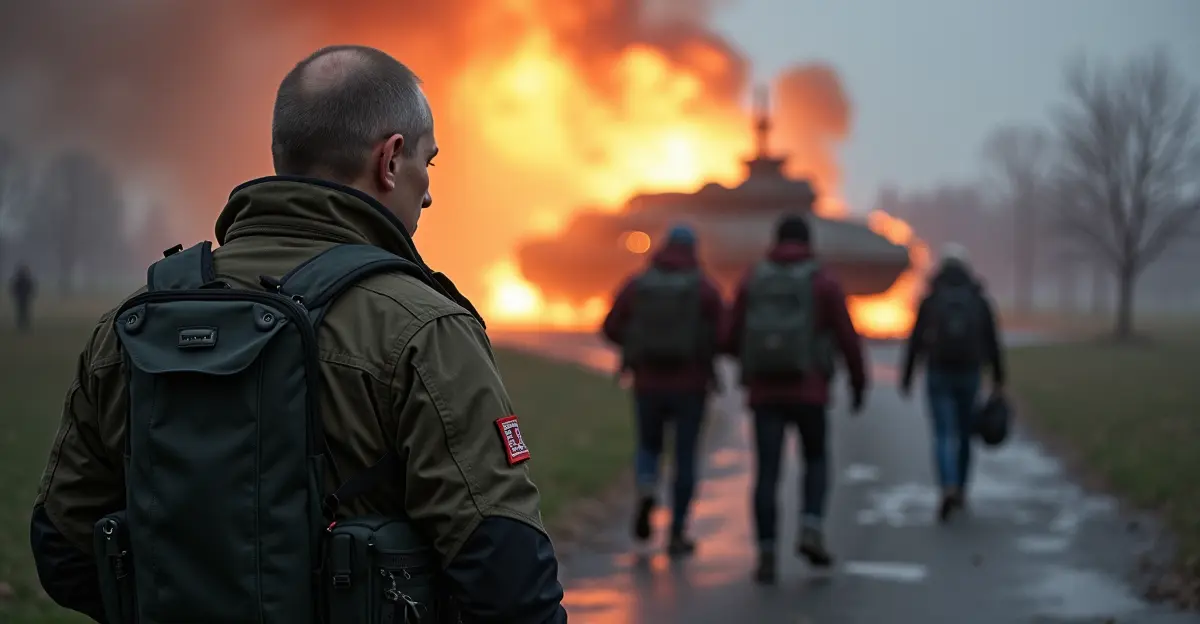
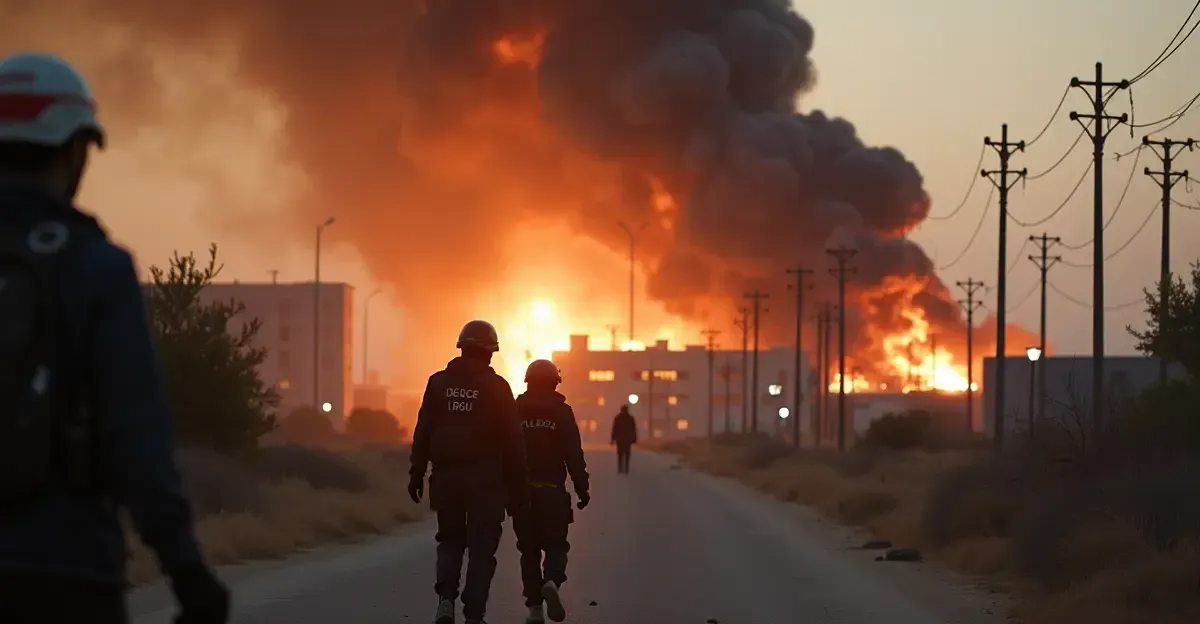
Since the start of Russia's full-scale invasion on February 24, 2022, the war has seen dramatic shifts. After failing to capture Kyiv in early 2022, Russia entrenched in eastern and southern Ukraine. In 2023 and 2024, Ukrainian counteroffensives liberated significant territory, and by August 2024, Ukrainian forces launched a cross-border incursion into Russia's Kursk region. As of May 2025, Ukraine is striking targets up to 2,000 kilometers from its border, hitting Russian ammunition depots, fuel supplies, and command centers. This has brought the war home to ordinary Russians in ways not seen before.
Signs of Panic Inside Russia
Internet Blackouts and Bank Runs
Recent weeks have seen widespread mobile internet disruptions across Russia, limiting access to banking apps and digital payment systems. As a result, Russians have been withdrawing cash in large volumes, fearing that savings could be frozen or confiscated. Bolder notes: 'We know from the past that Russia has raided savings accounts to finance wars. People are afraid of that. If a bank run develops, it's dangerous for the economy.' The combination of censorship and connectivity issues has fueled public anxiety.
Putin's Disappearing Act
President Putin has become increasingly reclusive, rarely appearing in public and reportedly spending most of his time in fortified bunkers. Bolder states: 'You see that Putin is afraid of attacks in his vicinity. He barely comes out of his bunkers anymore. That shows something is really going on in Russia and that there is a lot of fear of what Ukraine can currently do.' The security measures echo the Soviet-era paranoia of past leaders but are now amplified by modern drone warfare and Ukrainian intelligence operations.
Ceasefire Diplomacy: Victory Day Standoff
Russia celebrates Victory Day on May 9, marking the Soviet Union's defeat of Nazi Germany in 1945. This year, Putin proposed a ceasefire around that date to allow festivities to proceed without disruption. Ukrainian President Volodymyr Zelensky rejected the offer, saying: 'You go on killing our citizens until the day before, and then I'm supposed to give you the chance to throw a party? I don't think so.' Instead, Zelensky proposed his own ceasefire — but only if it leads to a genuine truce and eventual peace. Russia, however, continued attacks, leaving the situation uncertain.
The Waning Role of the United States
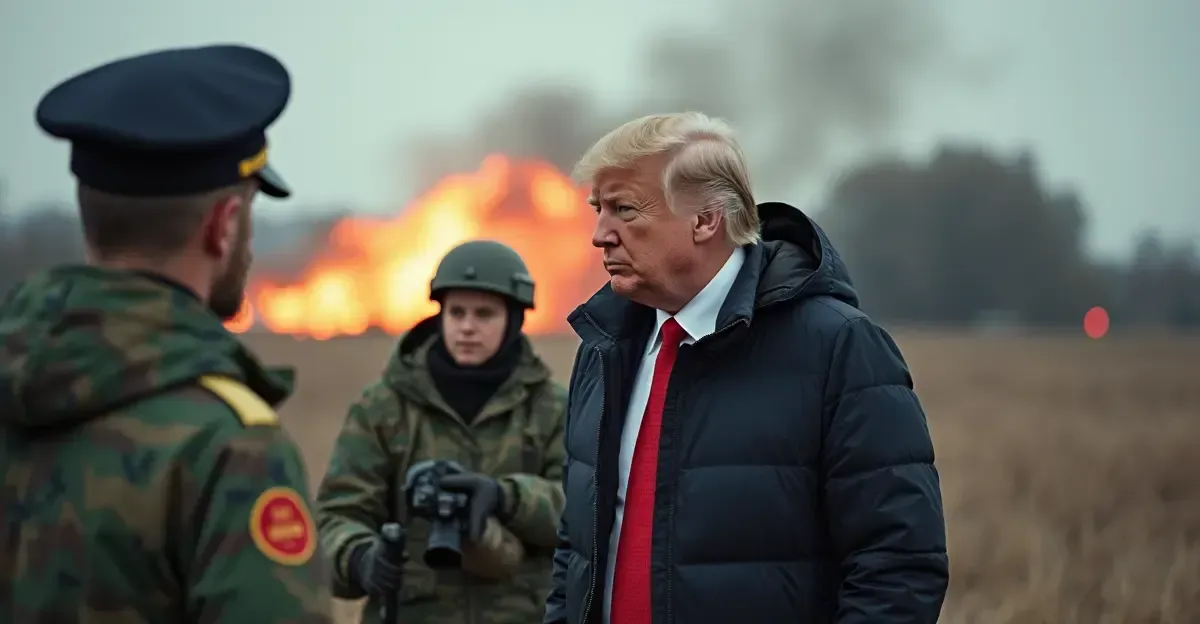
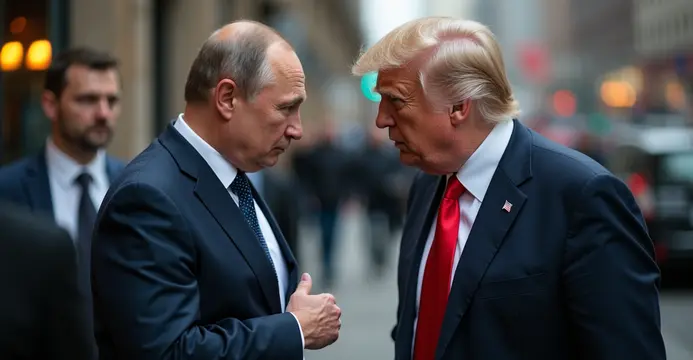
Former U.S. President Donald Trump, who returned to office in January 2025, had positioned himself as a potential mediator between Russia and Ukraine. However, Bolder argues that Trump has lost much of his leverage. 'For Putin, Trump is the ideal conversation partner. Putin tries to pressure Zelensky via Trump to get a favorable outcome. But Trump has fired his shot,' Bolder explains. The U.S. has been distracted by other conflicts, including operations in the Strait of Hormuz, reducing its focus on Ukraine. Meanwhile, Europe's growing role in Ukraine's defense has diminished Washington's centrality.
Europe Steps Up as Russia's Influence Fades
European nations have increasingly taken the lead in supporting Ukraine. The European Political Community meeting in Armenia this week highlighted how Moscow's regional influence is waning. Bolder notes: 'Armenia is trying to break away from Russia. That gives Europe more opportunities to play a key role.' However, he cautions that the EU must organize itself better: 'In Brussels they want to, but in the capitals it's still complicated. That will come naturally when the pressure is high enough.'
Putin Trapped With No Exit Strategy
According to Bolder, Putin is increasingly cornered. The Russian leader has refused to negotiate directly with Zelensky, branding him illegitimate due to the absence of elections under martial law. He also avoids dealing with the European Union. 'In the end, Putin will have to negotiate with Zelensky, backed by the European Union,' Bolder says. 'That's exactly what Putin wants to avoid. You see that Putin is increasingly backed into a corner and actually has no exit strategy anymore. That ties him to Trump as well: both started wars without a clear way out.' The lack of a diplomatic off-ramp raises the risk of further escalation as Russia's military and economic pressures mount.
Frequently Asked Questions
Why is Russia afraid of Ukraine in 2025?
Ukraine has developed the ability to strike deep inside Russian territory — up to 2,000 kilometers from the border — hitting military and infrastructure targets. This, combined with internet disruptions and economic fears, has caused widespread anxiety among Russians and forced Putin to increase his personal security.
What is the Victory Day ceasefire proposal?
Russia proposed a ceasefire around May 9, 2025, to allow Victory Day celebrations. Ukraine rejected this, proposing its own truce that would lead to a lasting peace. Russia continued attacks, so no ceasefire has taken effect.
How is Europe involved in the Ukraine war now?
Europe has become a key player in supporting Ukraine, both militarily and diplomatically. With U.S. attention diverted, the EU is taking a larger role in potential peace negotiations, though internal coordination remains a challenge.
Has Putin lost control of the war?
Analysts say Putin is increasingly isolated, hiding in bunkers, and lacks an exit strategy. Russian military losses remain high, public discontent is growing, and Ukraine's strikes are reaching deeper than ever, suggesting the Kremlin's grip on the conflict is weakening.
What does the future hold for the Russia-Ukraine war?
The conflict appears to be at a tipping point. Ukraine's growing military capability, Europe's increased involvement, and Russia's internal instability could lead to a negotiated settlement — or further escalation. Much depends on whether Putin can find a face-saving way to end the war.
Sources
BNR Nieuwsradio interview with Patrick Bolder (HCSS), May 6, 2025. Additional context from Wikipedia's Russo-Ukrainian War article.
Follow Discussion