


 Deutsch
 English
 Español
 Français
 Nederlands
 Português


 Share
Share




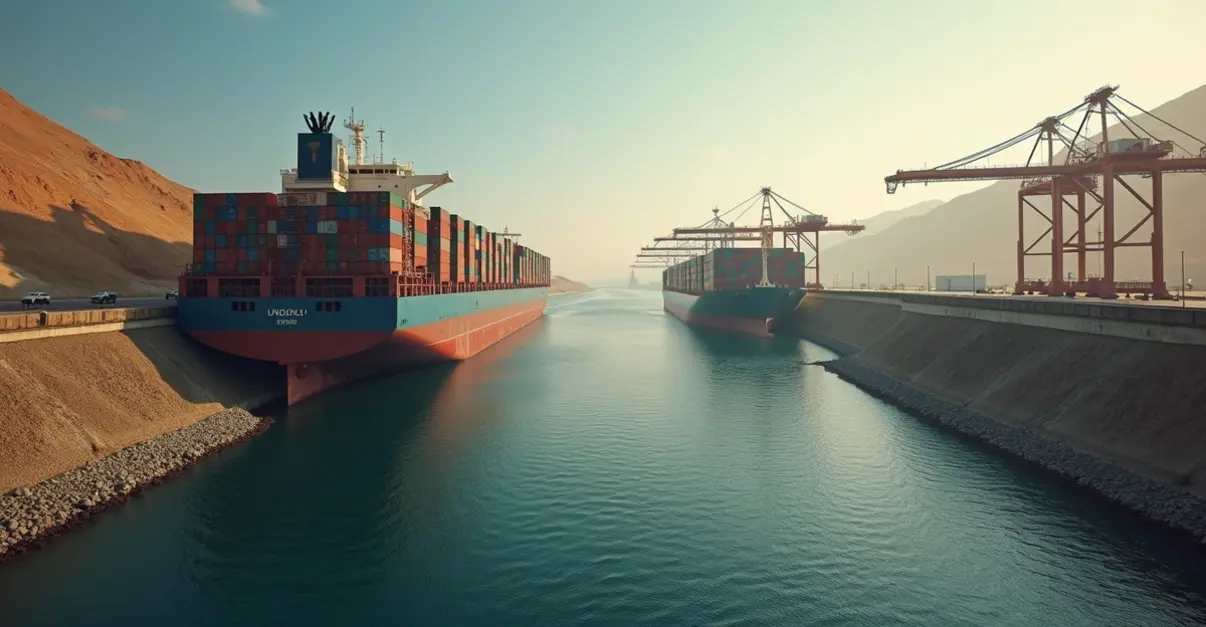
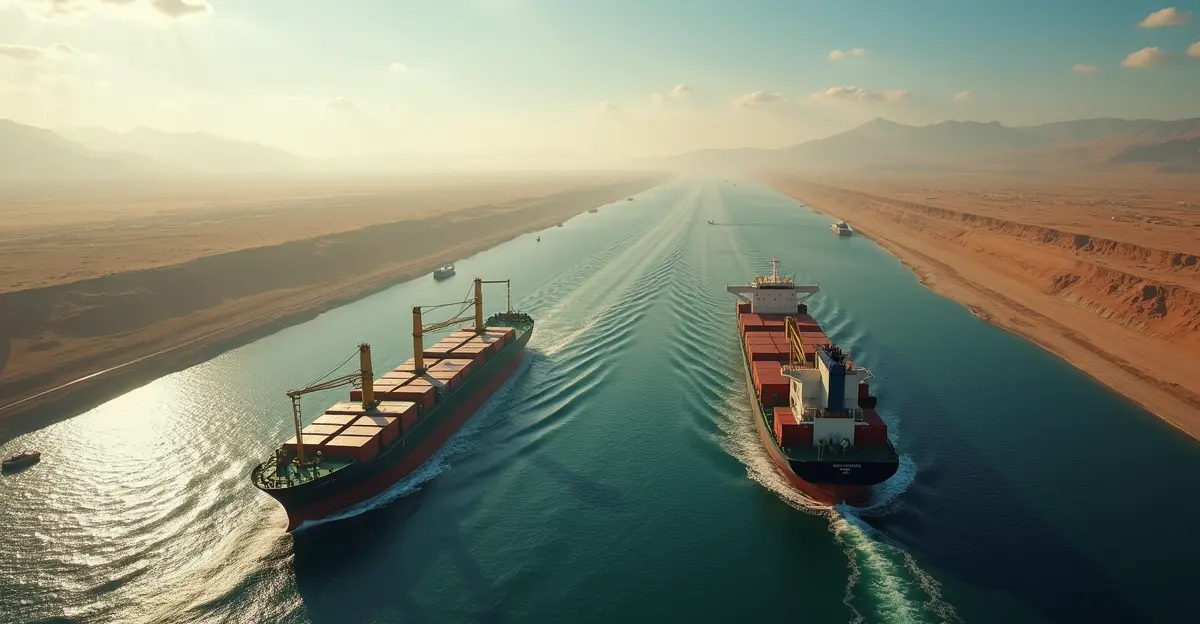
The simultaneous Suez and Panama Canal disruptions are fundamentally reshaping global trade in 2026, triggering what analysts call the Great Reroute. Ongoing security threats in the Red Sea and severe drought restrictions at the Panama Canal have forced shipping lines to divert vessels around the Cape of Good Hope, adding 10 to 14 days to voyage times and doubling spot container rates on key east-west lanes. For multinational corporations, freight operators, and policymakers, this marks the end of just-in-time logistics and the beginning of a new era of resilient, redundant supply chains.
What Is Driving the 2026 Reroute?
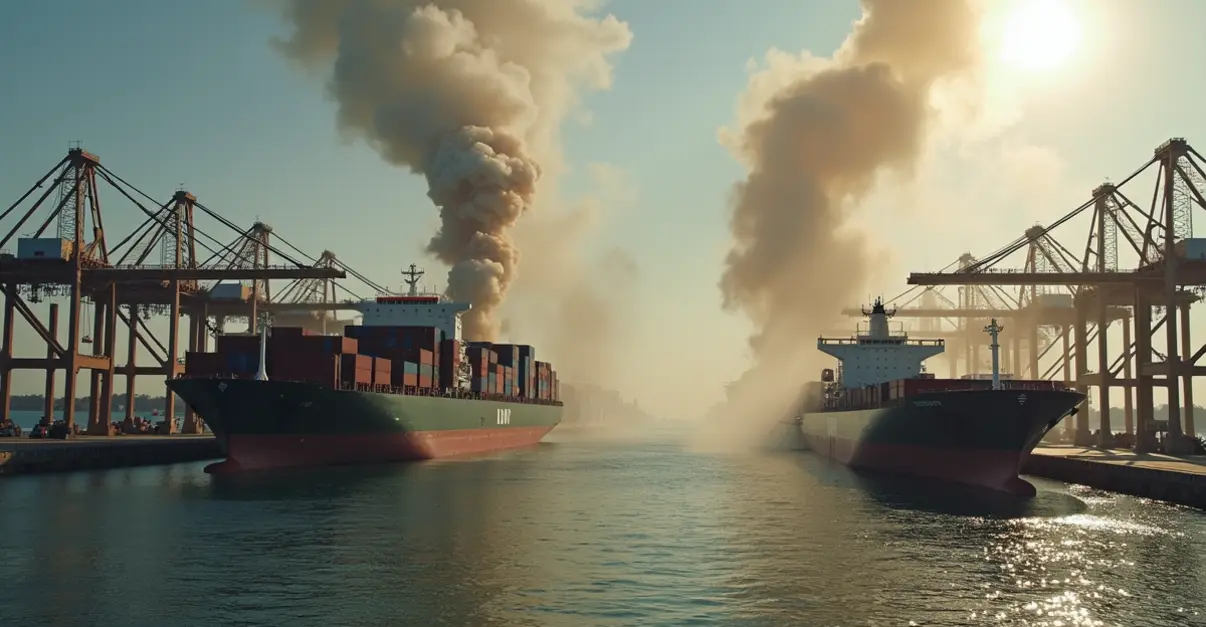
Two crises are colliding at the world's most critical maritime chokepoints. In the Red Sea, Red Sea security threats that began with Houthi attacks in late 2023 have persisted, with insurers still classifying the region as high-risk. Although a late-2025 ceasefire prompted Maersk and Hapag-Lloyd to trial partial Suez returns, CMA CGM paused its own plans and most carriers remain on Cape of Good Hope routings. Meanwhile, the Panama Canal drought restrictions have deepened: the Panama Canal Authority cut daily transits from 36 to 32 in September 2026 and reduced Neopanamax draft limits from 15.24m to 14.63m after rainfall ran 34% below average from May to August.
How Much Have Voyage Times and Rates Changed?
The rerouting math is brutal. Cape of Good Hope diversions add 10 to 14 days to Asia-Europe voyages, while Suez alternatives for Panama-bound cargo add 7 to 10 days. These delays have absorbed massive fleet capacity and pushed global container shipping rates sharply higher. According to Xeneta data from mid-September 2026, Far East to US East Coast spot rates hit $10,955 per FEU, Far East to US West Coast reached $7,738 per FEU, and North Europe rates stood at $4,333 per FEU. Drewry's World Container Index climbed to $4,476 per FEU, more than double its late-January 2026 level of $2,107.
Spot Rate Comparison: January vs September 2026
- Drewry World Container Index: $2,107 (Jan) → $4,476 (Sept)
- Far East to US East Coast: ~$10,955 per FEU (Sept)
- Far East to US West Coast: ~$7,738 per FEU (Sept)
- Far East to North Europe: ~$4,333 per FEU (Sept)
From Just-in-Time to Resilient Supply Chains
The Great Reroute is forcing a strategic rethink. For decades, manufacturers relied on just-in-time logistics with minimal inventory and single-source suppliers. Now, 10-to-14-day delays and volatile rates have pushed companies to build buffer stock, diversify suppliers, and redesign networks around redundancy. Freight operators are adopting hybrid routing strategies—using the Suez Canal for urgent, high-value cargo while keeping Cape of Good Hope services for cost-sensitive shipments. Policymakers, meanwhile, are confronting the reality that global trade remains dangerously concentrated in a handful of vulnerable maritime chokepoints.
Economic and Strategic Implications
The financial toll is staggering. Egypt has lost roughly 40% of Suez Canal revenues, equivalent to about $10 billion in cumulative losses since the crisis began, according to UNCTAD and statements attributed to President Abdel Fattah El-Sisi. Panama's restrictions have pushed auction slot prices to between $1 million and $4 million, up from about $15,000 before the drought. These costs are filtering into consumer prices and complicating central banks' inflation battles. The strategic lesson is equally clear: reliance on single chokepoints is no longer viable. Investment is now flowing into alternative corridors and supply chain resilience strategies, including African port upgrades and expanded rail links.
What Experts Are Saying
Speed via Suez does not guarantee better supply chains—reliability is increasingly prioritized over transit time, since volatility is more disruptive than delays. — SeaRates 2026 analysis.
The ACP's conservative water-saving strategy means daily transit slots remain around 32 versus the pre-drought average of 36–38, and minor rainfall deficits could trigger swift re-imposition of restrictions. — Adimar Shipping 2026 outlook.
Frequently Asked Questions
Why are ships avoiding the Suez Canal in 2026?
Ongoing security threats in the Red Sea, including Houthi attacks, have kept insurers classifying the region as high-risk. Despite a ceasefire and partial returns by some carriers, most vessels continue to reroute around the Cape of Good Hope.
How much longer is the Cape of Good Hope route?
The Cape route adds 10 to 14 days to typical Asia-Europe voyages compared with the Suez Canal, reducing effective fleet capacity and driving up freight rates.
What is causing the Panama Canal restrictions?
A severe El Niño-driven drought has left Gatun and Alajuela Lakes below normal levels. The Panama Canal Authority has cut daily transits from 36 to 32 and reduced maximum vessel drafts to conserve water.
How much have container rates risen in 2026?
Drewry's World Container Index more than doubled from $2,107 per FEU in late January 2026 to $4,476 per FEU by mid-September 2026. Key transpacific lanes saw even sharper spikes.
Is this rerouting permanent?
No single factor guarantees permanence, but with no near-term resolution to either crisis and structural shifts toward resilience, analysts say 2026 marks the hardening of temporary rerouting into a lasting restructuring of global maritime trade.
Conclusion: A New Normal for Global Trade
The Great Reroute is no longer a temporary disruption. As Egypt's Suez revenue losses mount, Panama's water crisis persists, and spot rates remain elevated, 2026 is the year global trade permanently rewires itself around redundancy. Shippers, carriers, and governments that adapt to this new geography will be best positioned for the next decade of volatility.
Follow Discussion