


 Deutsch
 English
 Español
 Français
 Nederlands
 Português


 Share
Share




Dual Canal Crises Disrupt Global Trade Networks
Global shipping markets are experiencing unprecedented turbulence as simultaneous disruptions at both the Suez and Panama Canals have created a perfect storm for international trade. What began as isolated regional issues has snowballed into a worldwide logistics crisis, with shipping rates skyrocketing and supply chains facing severe strain. According to recent data, container shipping rates on key Asia-Europe routes have surged by as much as 400%, reaching $8,000 per container, while transit times have extended by weeks as vessels are forced to take lengthy detours.
The Suez Canal: Geopolitical Tensions Paralyze Vital Artery
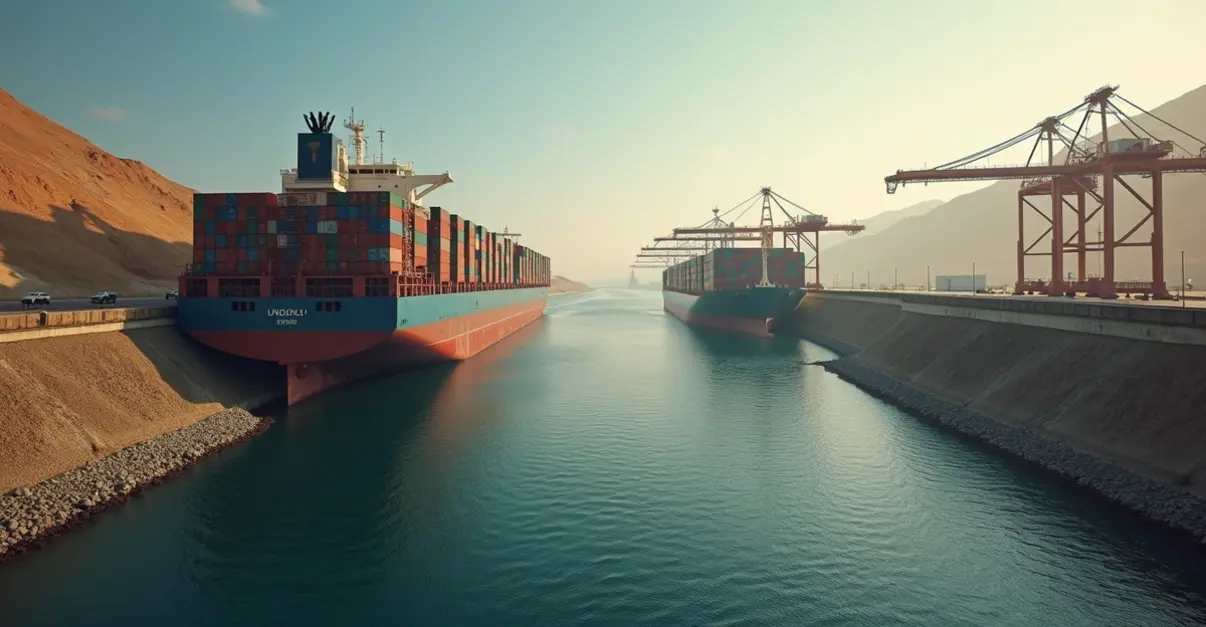
The Suez Canal, which normally handles 12-15% of global trade, has seen its daily transits plummet by 57% from 75 to just 32 vessels due to ongoing geopolitical tensions and Houthi rebel attacks in the Red Sea. 'This is the most severe disruption we've witnessed in decades,' says maritime analyst Sarah Chen from the International Shipping Federation. 'Egypt's canal revenues have dropped by 60%, amounting to nearly $7 billion in losses, and the ripple effects are being felt across every sector of the global economy.'
The crisis has forced over 50% of traffic to reroute around Africa's Cape of Good Hope, adding 8,000-10,000 kilometers and 12-15 days to voyages. This massive detour has created a domino effect throughout global logistics networks, with automotive, electronics, and consumer goods sectors experiencing 4-week delays in shipments. Retailers have been forced to build 60-day buffer inventories to cope with the uncertainty, driving up warehousing costs and creating cash flow challenges for businesses worldwide.
Panama Canal: Climate Change Creates New Shipping Bottleneck
While the Suez faces security challenges, the Panama Canal is grappling with a different but equally disruptive problem: climate change. Persistent drought conditions have reduced water levels in the canal's reservoirs, forcing authorities to implement strict restrictions on vessel transits. The Panama Canal Authority has described the situation as having 'no historical precedence,' with cargo ships facing wait times extending from hours to several weeks.
'The Panama Canal relies on freshwater from rainfall to operate its lock system, and we're seeing climate change impacts in real-time,' explains Dr. Miguel Rodriguez, a climate scientist specializing in maritime infrastructure. 'Approximately 6% of world trade passes through this canal, and these restrictions threaten to slow global commerce significantly.' The canal handles about $270 billion in cargo annually, with U.S. trade representing 73% of traffic, making this disruption particularly impactful for North American supply chains.
Logistics Industry Adapts to New Reality
Shipping companies and logistics providers are scrambling to adapt to this new reality. CMA CGM has launched regular eastbound services via alternative routes, reducing transit times from 40-45 days to 28-32 days and increasing capacity by 25-30%. Maersk has confirmed plans to restore Asia-Europe routing via Suez, with phased returns beginning in January 2026, though traffic levels remain about 60% below pre-crisis levels as carriers exercise caution due to ongoing regional security concerns.
The market outlook suggests carriers may face heavy losses in early 2026 as vessel capacity continues to outstrip demand on major trade lanes. According to industry forecasts, container shipping costs in 2026 could range from $2,200 to $9,500+ for a 40-foot container from Asia to the US West Coast, depending on several key factors including fleet growth, vessel decommissioning, and potential Red Sea reopening.
Economic Impact and Future Outlook
The dual canal crises have exposed fundamental vulnerabilities in global supply chains that depend heavily on single choke points. While international naval patrols and diplomatic efforts aim to restore safe passage through the Suez, and the Panama Canal Authority is implementing major infrastructure projects including a $1.6 billion dam on the Rio Indo, experts predict full normalization may not occur until mid-2026.
'What we're seeing is a fundamental restructuring of global trade routes,' notes James O'Connor, author and trade analyst. 'Companies that built their supply chains around just-in-time delivery are now realizing the risks of over-reliance on critical infrastructure. The smart players are diversifying their routes, building redundancy into their logistics networks, and accepting that higher shipping costs are the new normal.'
As the world navigates these challenges, the shipping industry faces a critical period of adaptation. The lessons learned from these canal disruptions will likely shape global trade patterns for years to come, forcing businesses to rethink their supply chain strategies and build more resilient operations capable of withstanding future disruptions.

Follow Discussion