Deutsch
 English
 Español
 Français
 Nederlands
 Português






Suez Canal Crisis Forces Shipping Industry to Rethink Global Routes
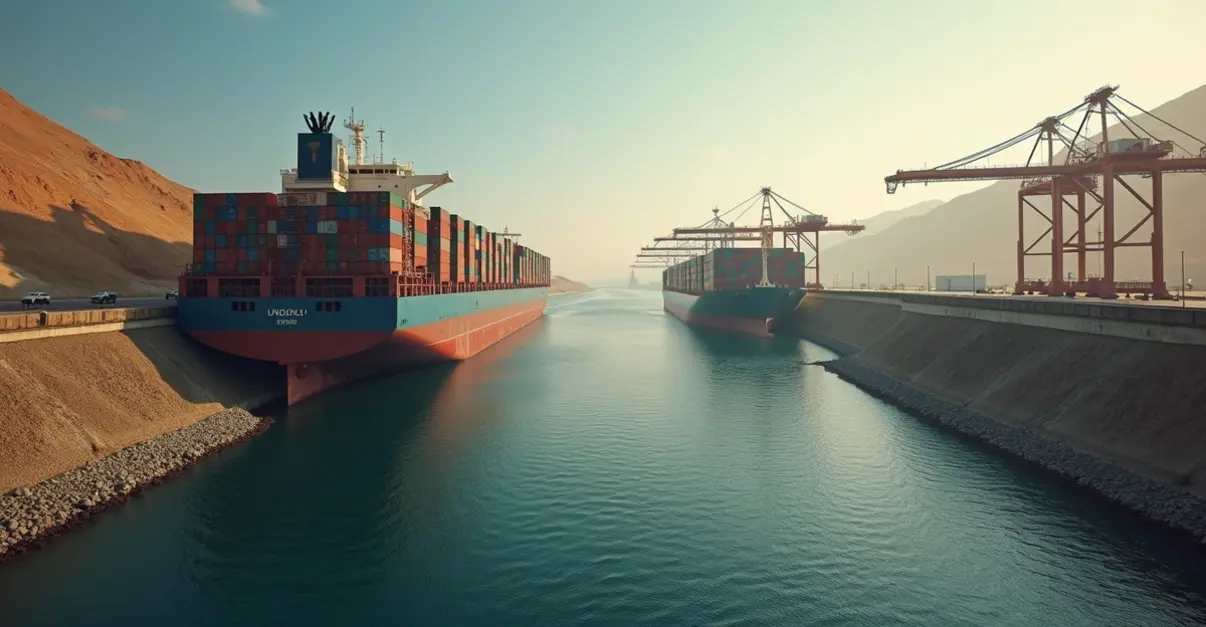
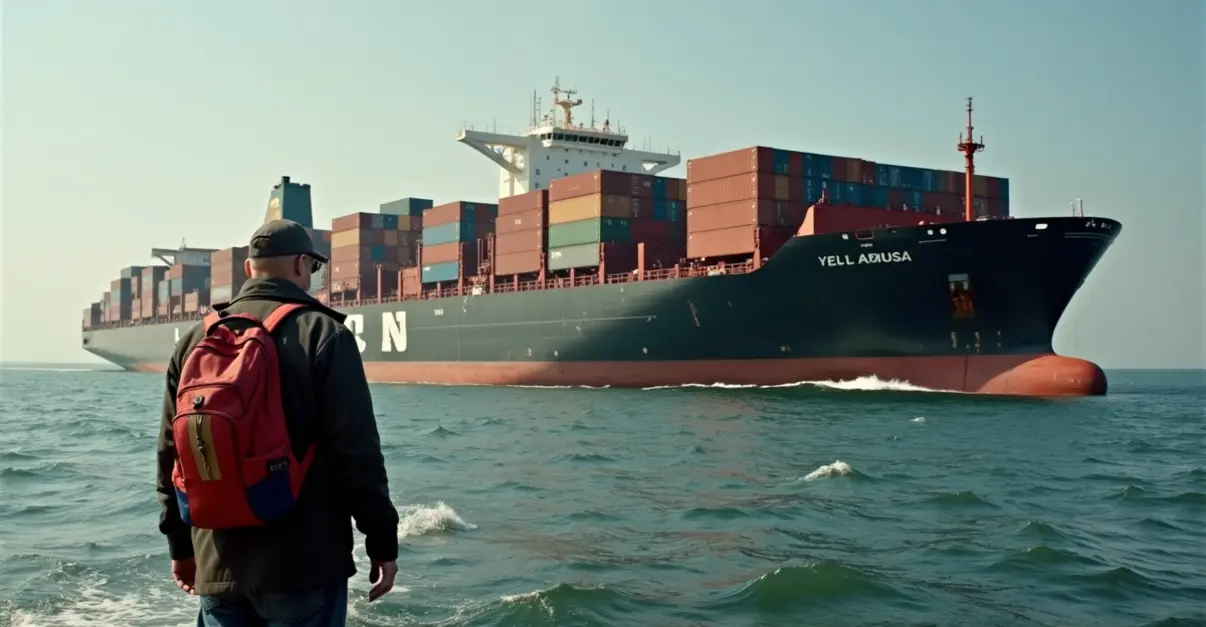
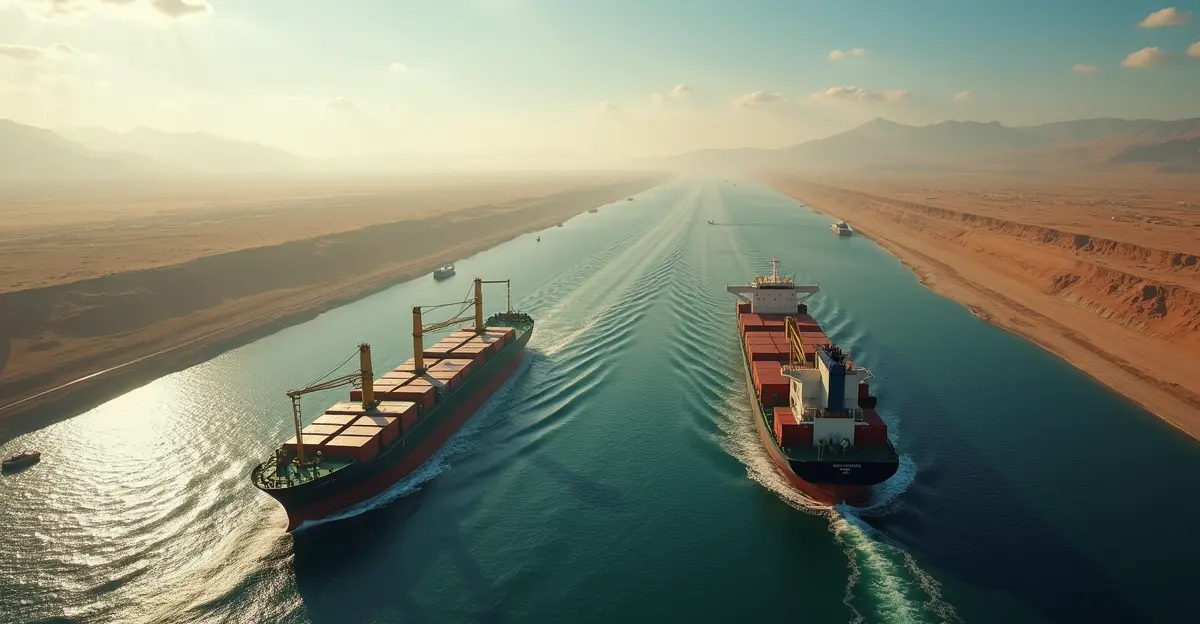
The Suez Canal, once the undisputed artery of global trade connecting Asia and Europe, has become a symbol of shipping uncertainty in 2025-2026. What began as a security crisis in the Red Sea has evolved into a fundamental restructuring of maritime logistics, forcing carriers to make complex calculations between transit times, costs, and reliability.
The Numbers Tell a Stark Story
According to recent industry data, Suez Canal traffic remains approximately 60% below pre-crisis levels despite three months without Houthi attacks. Container ship transits through the canal dropped a staggering 86% year-over-year in Q4 2025, with crude and product tanker flows also significantly reduced. 'We're seeing structural shifts, not temporary disruptions,' explains shipping analyst Maria Chen from Maritime News. 'The industry has adapted to longer routes, and returning to Suez isn't as simple as flipping a switch.'
Cape of Good Hope: The Costly Alternative
The primary alternative route around Africa's Cape of Good Hope adds significant distance and time to voyages. The 193-kilometer Suez Canal normally saves ships up to 7,000 km compared to the Cape route, reducing Asia-Europe transit times by 25-35 days. However, with security concerns persisting, carriers have been forced to accept the longer journey.
'Transit times have increased by roughly 30%, from 12-14 days to 16-18 days for many routes,' notes logistics expert James Wilson. 'This has reduced global container shipping capacity by approximately 9%, creating a perfect storm of higher costs and longer delays.' According to Sailor Speaks analysis, shipping costs have surged dramatically, with the Shanghai-Rotterdam route doubling and Shanghai-Genoa route rising 350% between December 2023 and February 2024.
Financial Impacts and Strategic Shifts
The economic consequences extend far beyond shipping companies. Global trade fell 1.3% in December 2023, with EU exports declining 2% and imports 3.1%. The disruptions could add 0.7 percentage points to global core goods inflation and 0.3 points to overall core inflation in early 2024.
Insurance premiums tell another part of the story. While war risk premiums have fallen to around 0.2% of hull value from their peak, the Red Sea region remains classified as high-risk by insurance companies. 'Risk is now a permanent factor in pricing and operations,' says insurance specialist David Park. 'Carriers are employing selective routing strategies, using Suez for urgent or high-value shipments while maintaining Cape routes for cost-oriented services.'
2026: A Cautious Return to Normal?
As we enter 2026, there are signs of cautious optimism. CMA CGM plans to resume MEDEX and INDAMEX services via Suez in January 2026, and Maersk conducted its first trial transit in December 2025. However, industry experts warn that a rapid return to Suez routing could create new problems.
'Simultaneous arrivals from both Suez and Cape routes could overwhelm European ports,' warns port operations manager Sarah Johnson. 'We saw anchorage times increase 36.8% in Rotterdam and 50% in Antwerp during the peak of the crisis. A sudden flood of Suez traffic could recreate those bottlenecks.'
According to VesselBot analysis, the rerouting had significant environmental impacts too: voyage distances increased up to 244% for UK-bound ships, and emissions rose 27% for Felixstowe-destined vessels.
The New Logistics Reality
The shipping industry has learned hard lessons about supply chain resilience. 'Volatility is more disruptive than delays,' notes supply chain consultant Michael Torres. 'Companies now prioritize stable planning cycles even with longer transit times. The decision between routes involves complex trade-offs between transit time, cost, reliability, and risk exposure.'
The Suez Canal Authority faces ongoing revenue pressure, and any recovery is expected to be gradual rather than sudden. Full reversion to 2023 patterns appears unlikely in the near term. As carriers navigate this new landscape, shippers must adapt their strategies, considering not just cost and speed, but reliability and risk in their logistics planning.
The crisis has fundamentally changed how global trade routes are evaluated. What was once a simple calculation of distance and canal fees has become a multidimensional analysis of security, insurance, environmental impact, and supply chain resilience. The shipping industry's experience with the Suez Canal disruptions will likely influence route planning for years to come.