


 Deutsch
 English
 Español
 Français
 Nederlands
 Português


 Share
Share




What is Canal Disruption Trade Impact?
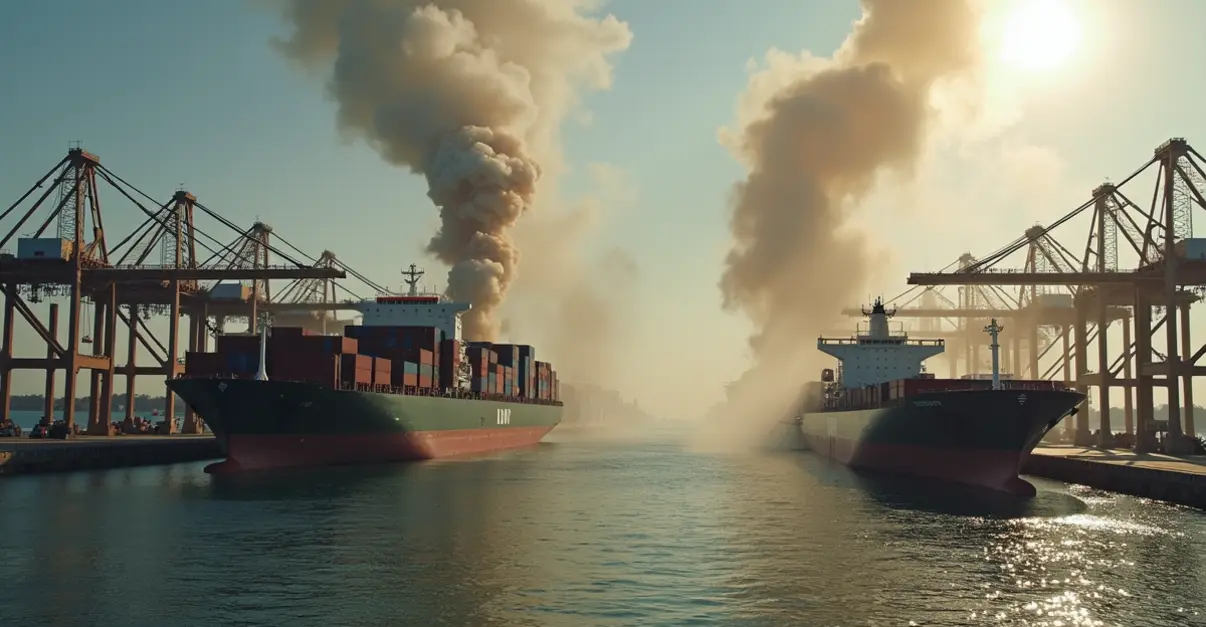
The global shipping industry faces unprecedented challenges in 2026 as simultaneous disruptions at the world's two most critical maritime chokepoints – the Suez and Panama Canals – create a perfect storm of shipping delays, rerouting complexities, and cost pressures that ultimately pass through to consumers. These global trade disruptions represent a fundamental threat to supply chain stability, with the Panama Canal experiencing severe drought conditions that have reduced daily transits from 23 to 14 slots, while the Suez Canal continues to face security concerns despite partial restoration of traffic. According to UNCTAD reports, Suez Canal traffic has plummeted 57% below its peak, while Panama Canal remains 30% below peak levels, forcing 89% of vessels to reroute around Africa's Cape of Good Hope.
The Dual Canal Crisis: Suez and Panama Disruptions
In 2026, global shipping faces simultaneous crises at both major canals. The Panama Canal Authority is implementing $1.6 billion infrastructure projects to combat severe drought conditions, but these won't be ready until 2032. Meanwhile, the canal has seen a 29% drop in vessel transits in 2024, with LNG traffic down 66% as carriers reroute around Africa. The Suez Canal situation shows some improvement, with CMA CGM announcing in December 2025 that its INDAMEX service will resume full Suez Canal transits, following a ceasefire in Gaza and Houthi signals to stop attacks. However, security concerns persist, and only 47 ships have resumed Suez Canal passage since February 2025.
Rerouting Options and Their Costs
Shipping companies face difficult choices when rerouting vessels. The primary alternatives include:
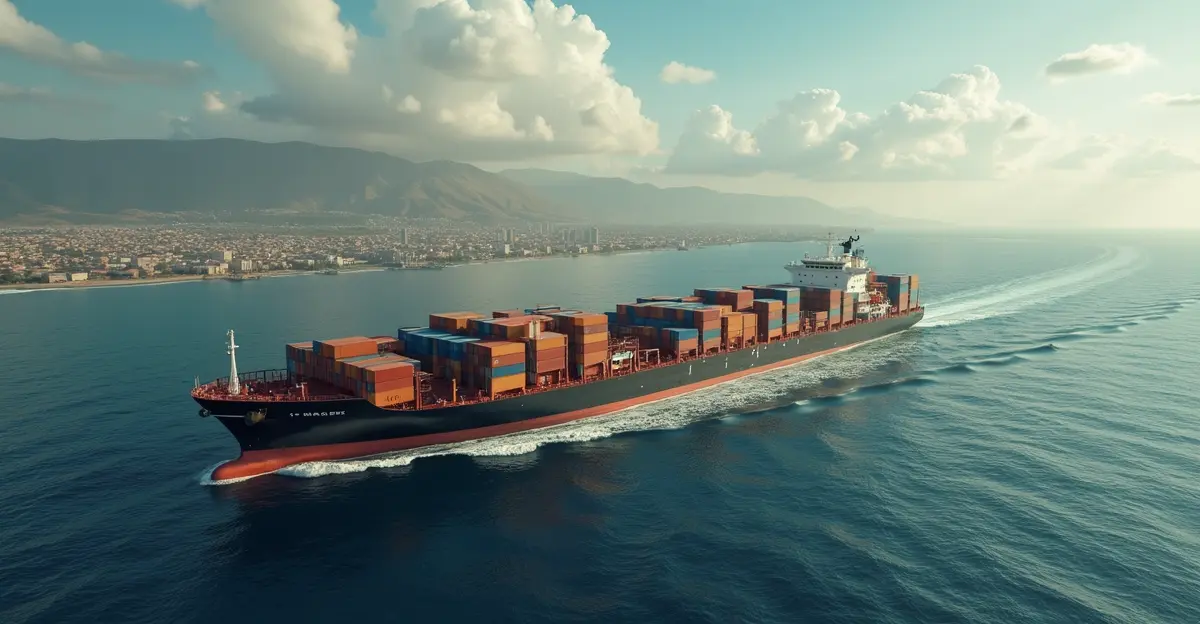
- Cape of Good Hope Route: Adding 7-12 days to transit times and increasing fuel consumption by approximately 27%
- Alternative Canal Routes: Limited options with capacity constraints
- Intermodal Solutions: Combining sea and land transport with higher complexity
According to S&P Global reports, shipping reroutes around the Cape of Good Hope are expected to continue well into 2025 as the industry adapts to ongoing disruptions. The CEO of ONE (Ocean Network Express) indicates these alternative shipping routes have become necessary due to persistent challenges affecting traditional maritime corridors.
Cost Pass-Through to Consumers: The Inflationary Impact
The financial burden of canal disruptions ultimately reaches consumers through multiple channels. A Chartered Institute of Procurement and Supply (CIPS) survey reveals that consumer goods prices could surge in 2026 due to soaring shipping costs and supply chain disruptions. Specific sectors affected include:
- Computers: 18% reporting over 10% price increases
- Transport equipment: 15% price increases
- Electrical machinery: 14% price increases
UNCTAD analysis shows that small island developing states potentially face 0.9% price increases directly attributable to shipping disruptions. A typical large container ship now incurs an additional $400,000 in emissions costs per voyage when diverting around Africa, costs that eventually filter through to retail prices.
Shipping Cost Escalation Statistics
| Cost Category | Increase Since 2020 | 2025-2026 Impact |
|---|---|---|
| Container Shipping Rates | 280% | Continued volatility |
| Air Freight Costs | 150% year-over-year | Peak-season spikes |
| Port Congestion Fees | Tripled at major hubs | 12-18 day wait times |
| War-risk Insurance Premiums | Significant increases | Driving Cape rerouting |
Industry Adaptation and Strategic Responses
The shipping industry is undergoing fundamental transformation in response to these challenges. The dissolution of the 2M Alliance and formation of the Gemini Cooperation are reshaping East-West trade corridors, while environmental regulations are pushing companies toward fuel-efficient routes. Technological innovations enable dynamic routing adjustments to enhance operational efficiency and safety. According to industry experts, the supply chain resilience strategies being implemented include:
- Optimizing packaging to reduce volume and weight
- Strategic inventory management with buffer stocks
- Negotiating long-term shipping contracts
- Leveraging technology for real-time route optimization
These adaptations reflect a broader recognition that volatility has become a permanent feature rather than temporary disruption in international trade, as noted by procurement experts monitoring the situation.
Global Trade Implications and Economic Impact
The canal disruptions have far-reaching consequences for global trade patterns. The Panama Canal handles $270 billion in annual cargo and is critical to U.S. trade, representing 73% of canal traffic. The Suez Canal's partial closure has reshaped European and Asian trade flows, with significant implications for energy markets and manufacturing supply chains. These developments highlight the vulnerability of global supply chains to both geopolitical tensions and climate risks, underscoring the need for diversified shipping routes and resilient infrastructure investment.
Expert Perspectives on the Crisis
Industry leaders express concern about the sustainability of current disruptions. 'The cracks are forming in the global trading system,' warns one procurement professional cited in the CIPS survey. Another expert notes that 'volatility has become a permanent feature rather than temporary disruption in international trade.' Shipping executives emphasize that while the Cape of Good Hope route adds significant time and cost, it provides necessary safety and predictability during periods of heightened security threats.
FAQ: Canal Disruption Trade Impact
How long will shipping delays continue in 2026?
Shipping delays are expected to persist through 2026, with industry experts predicting stabilization may occur by 2026-2027, though shipping costs will likely remain elevated compared to pre-2020 levels.
What percentage of global trade passes through the Panama and Suez Canals?
Together, these canals handle approximately 15-20% of global maritime trade, with the Panama Canal moving over 5% and the Suez Canal handling 10-12% of global container traffic.
How much do rerouting options add to shipping costs?
Rerouting around Africa's Cape of Good Hope adds approximately $400,000 in additional emissions costs per voyage for large container ships, plus increased fuel consumption and extended transit times.
Which consumer products are most affected by shipping disruptions?
Computers, transport equipment, and electrical machinery show the highest price increases, with 18% of computer products reporting over 10% price increases due to shipping cost pressures.
Are there permanent solutions to canal disruptions?
The Panama Canal Authority is implementing $1.6 billion infrastructure projects, but these won't be complete until 2032. Industry adaptation through route diversification and technological innovation offers more immediate resilience.
Future Outlook and Conclusion
As we move through 2026, the global shipping industry faces continued challenges from dual canal disruptions. While partial restoration of Suez Canal traffic offers some relief, the Panama Canal drought conditions are expected to persist through late 2025. The global economic implications of these disruptions extend far beyond shipping costs, affecting consumer prices, manufacturing timelines, and economic stability worldwide. Businesses must continue adapting through diversified supply chains, strategic inventory management, and flexible logistics planning to navigate this complex landscape.

Follow Discussion