


 Deutsch
 English
 Español
 Français
 Nederlands
 Português


 Share
Share




Suez Canal's Gradual Return After Two-Year Disruption
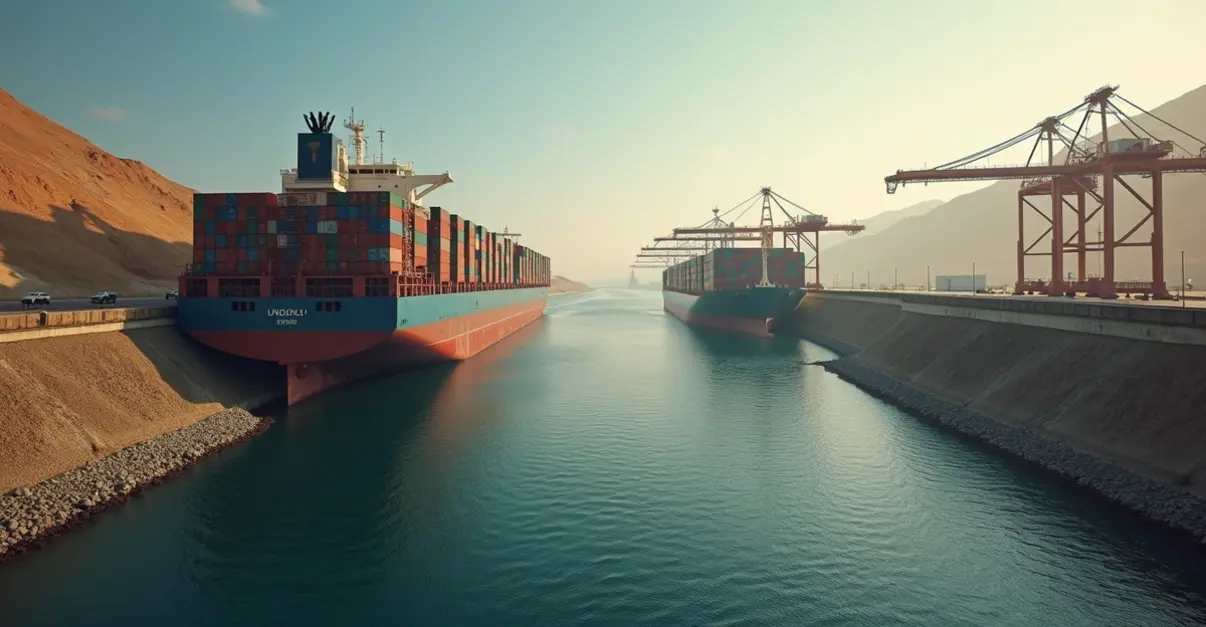
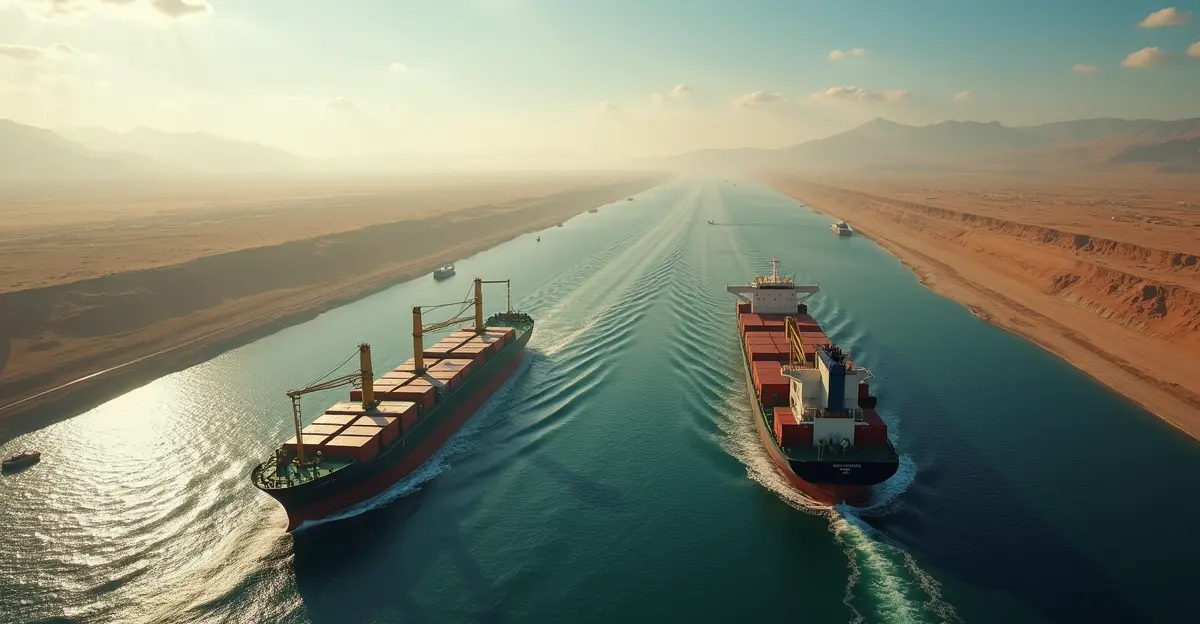
The Suez Canal, the vital artery connecting the Mediterranean Sea to the Red Sea, is experiencing a cautious reopening in early 2026 after nearly two years of significant disruptions. Major shipping carriers like CMA CGM and Maersk have begun phased returns to the route, marking a pivotal moment for global trade flows that had been forced to navigate the longer Cape of Good Hope alternative.
According to industry reports, the canal's traffic remains about 60% below pre-crisis levels despite the reopening, indicating that structural shifts in shipping patterns may have become entrenched. 'We're seeing a partial return rather than a full recovery,' explains a logistics analyst from SeaRates. 'Carriers are employing selective routing strategies, using Suez only for urgent shipments while maintaining Cape routes for cost-oriented shipments.'
Economic Impact on Global Markets
The canal's disruption had far-reaching consequences for global commerce. As a critical maritime choke point handling 12-15% of worldwide trade and 30% of container traffic, the diversions added billions in operational costs and extended transit times by 10-14 days for Asia-Europe routes. The return of approximately 6% of global container capacity that was absorbed by longer diversions is now creating a buyer's market for shippers.
Freight rates are expected to decline substantially, with forecasts suggesting Asia-US West Coast rates could drop 30-35% to $2,200-3,200 per 40-foot container. 'The industry has learned that volatility is more disruptive than delays,' notes a maritime economist. 'The key operational trade-off in 2026 prioritizes reliability over speed.'
Policy Implications and Geopolitical Considerations
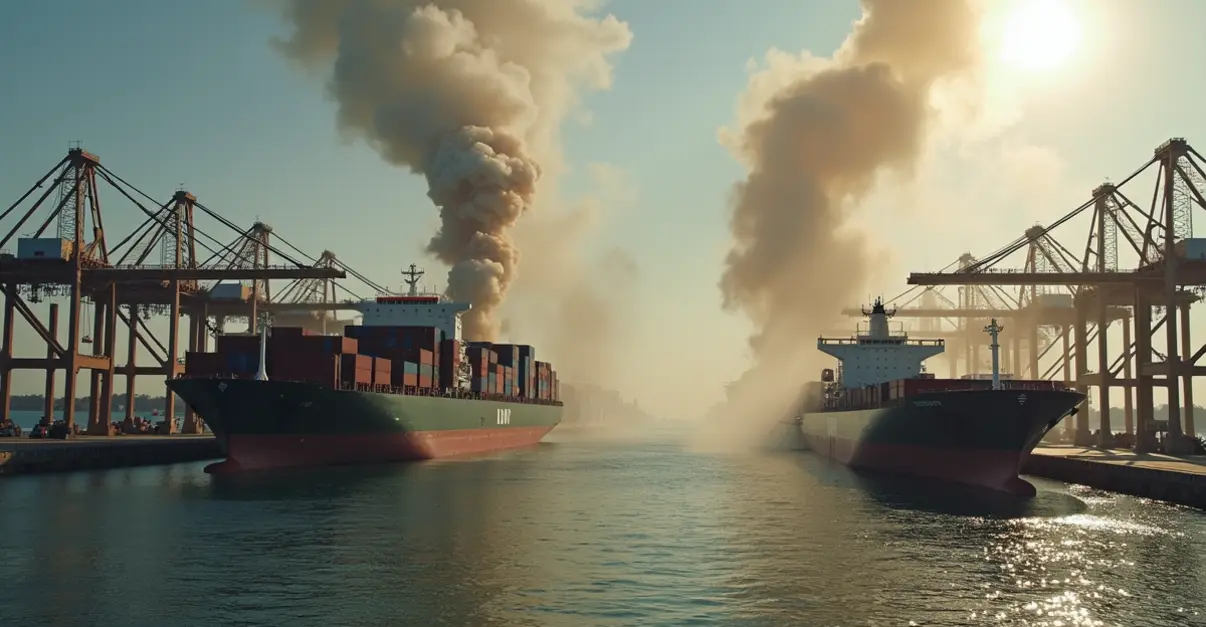
The Suez Canal's security has become a focal point for international policy discussions. The canal generates vital revenue for Egypt—$9.4 billion in 2022-2023—making its stability crucial for the Egyptian economy. Recent Houthi attacks in the Red Sea highlighted the vulnerability of this strategic waterway, forcing shipping companies to reroute vessels around Africa.
Insurance companies continue to classify the region as high-risk, keeping insurance premiums elevated even as security improves. 'Risk has become a permanent factor in pricing and operations,' states an insurance industry representative. 'Carriers must evaluate routing through the lens of risk, reliability, and broader supply chain strategy.'
Supply Chain and Inventory Challenges
The reopening presents complex challenges for global supply chains. While transit times will normalize, reducing Asia-Europe shipping by 10-14 days, logistics experts warn of potential 'inventory whiplash' at major ports as faster-arriving ships could overwhelm warehouse capacity.
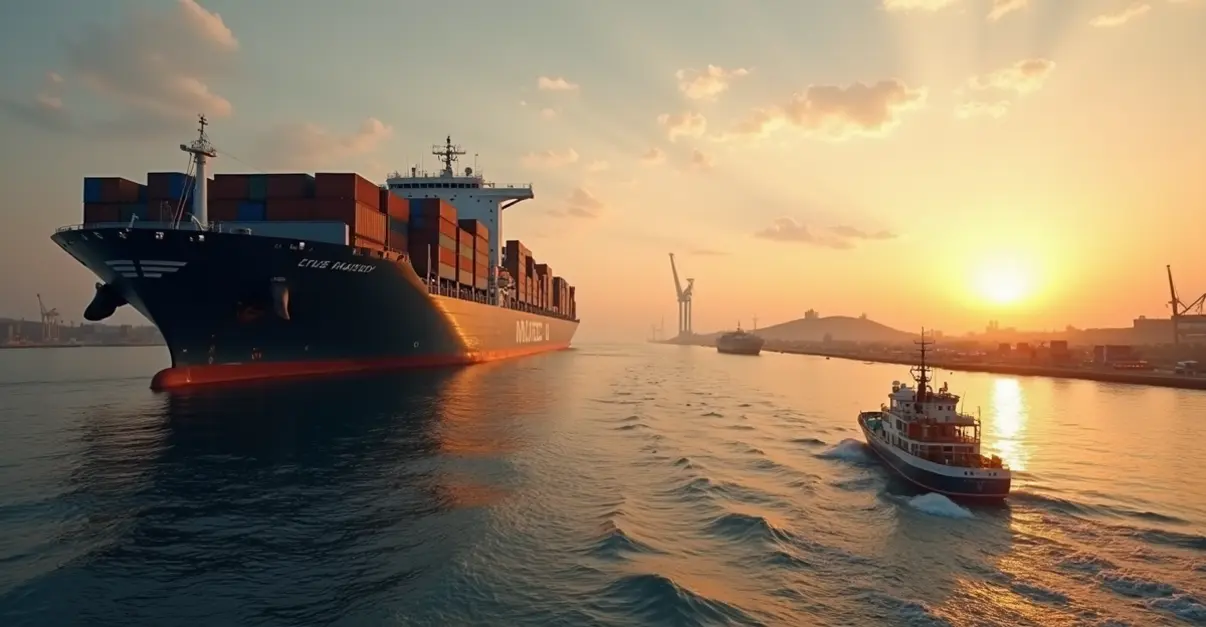
European ports like Antwerp and Rotterdam continue to face congestion, while North America experiences tight capacity on Gulf Coast ports. 'The restoration creates complex challenges,' says a supply chain consultant. 'We may see cargo shift back from air to sea transport, but ports need to prepare for simultaneous arrivals of Suez and Cape-routed vessels.'
Future Outlook and Industry Adaptation
Looking ahead, industry analysts project a gradual rather than sudden recovery. The shipping industry faces oversupply from new vessel deliveries coinciding with the capacity returning to market, potentially leading to heavy carrier losses in Q1 2026.
Flexibility has become the dominant planning principle for logistics providers and shippers. 'The market is in a period of unstable normalization,' observes a trade analyst. 'Importers should leverage this buyer's market in rate negotiations while preparing for schedule unpredictability during the transition.'
The Suez Canal's story in 2026 serves as a reminder of how interconnected global trade remains, and how disruptions to critical infrastructure can ripple through economies worldwide for years after the initial event.

Follow Discussion