


 Deutsch
 English
 Español
 Français
 Nederlands
 Português


 Share
Share




The Strait of Hormuz crisis in early 2026 has become the most severe energy supply shock in decades. Ship transits through the world's most critical maritime chokepoint have collapsed by 95%, energy prices have surged 24%, and the World Bank projects global merchandise trade growth will fall from 4.7% to as low as 1.5%. Brent crude, which averaged $69 per barrel before the conflict, now averages $86 per barrel in 2026. For governments and companies, the disruption has moved from a regional scare to a structural economic event reshaping energy, food, and trade.
What Is the Strait of Hormuz and Why Does It Matter?
The Strait of Hormuz is the narrow waterway between Iran and Oman connecting the Persian Gulf to the Gulf of Oman. Before the crisis, it carried about 20% of global LNG and 25% of seaborne oil trade annually. Because it is the only sea passage for major Gulf exporters, a closure at this global maritime chokepoint immediately threatens energy availability in Asia and Europe. Unlike past threats, the 2026 disruption became a sustained blockade.
How the 2026 Crisis Unfolded
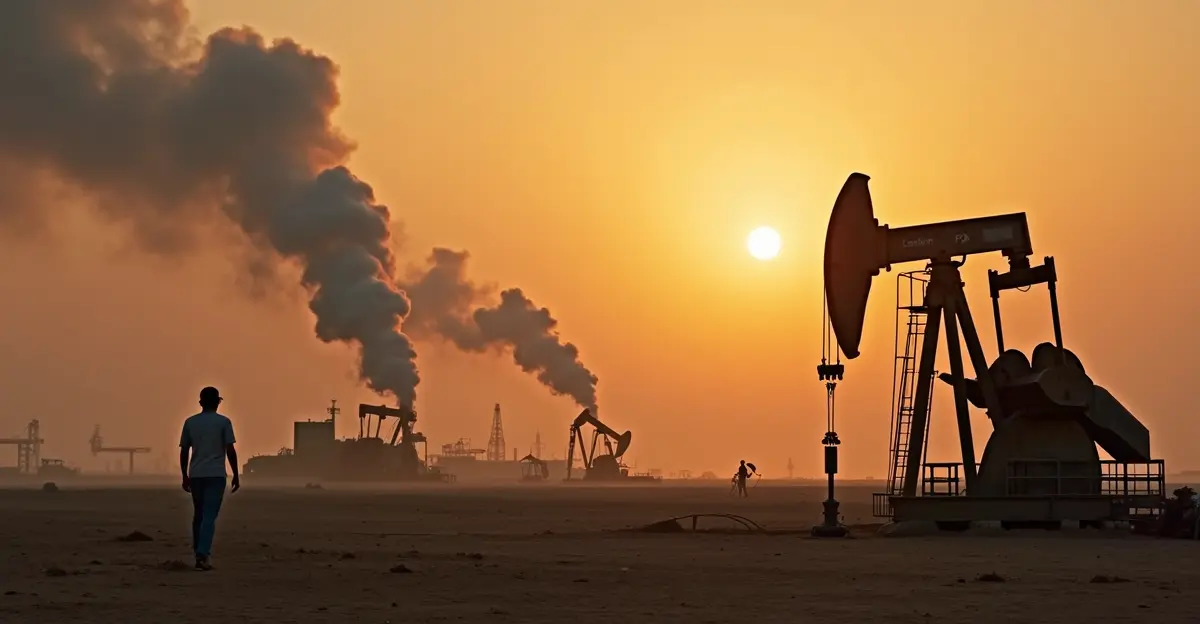
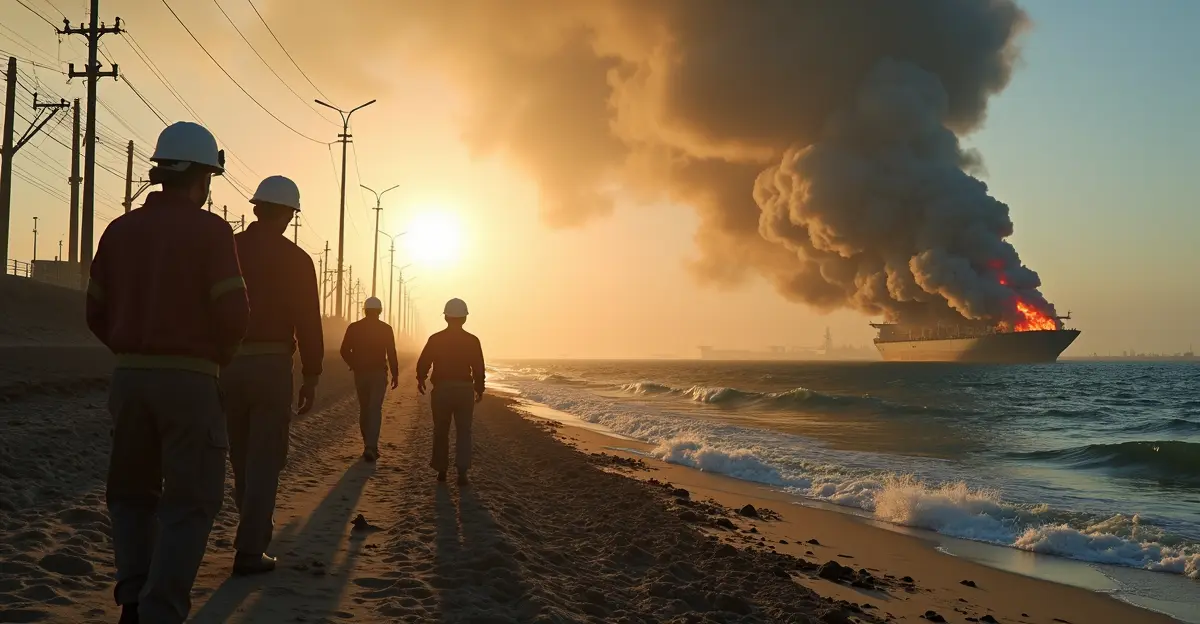
On 28 February 2026, U.S.-Israeli strikes on Iran triggered escalation. Iran's IRGC banned merchant vessels, attacked ships, and laid mines, cutting transit traffic to near zero. By 21 April, about 2,000 ships and 20,000 mariners were stranded. Brent briefly surpassed $100 on 8 March and peaked at $126. Asia bears the brunt: 84% of Hormuz crude normally goes to China, India, Japan, and South Korea. The episode intensified the 2026 oil price shock dynamics.
Economic Shockwaves: Energy, Trade, and Food Security
World Bank data show that by end-March, Brent jumped about 65% month-on-month, its largest monthly gain ever. Global oil supply fell 10.1 million barrels per day in March, and output is expected to fall 6.6% year-on-year in Q2. Brent is projected to average $86 per barrel in 2026, with risks as high as $115. The disruption has raised energy prices 24% and cut merchandise trade growth to as low as 1.5%. Fertilizer prices are up 31%, and up to 45 million additional people may face acute food insecurity. Many developing economies now spend more on debt servicing than on health or education, leaving little room to absorb the shock. The link between energy and global food insecurity has rarely been this direct.
| Indicator | Pre-crisis (2025) | 2026 projection |
|---|---|---|
| Brent crude average | $69/bbl | $86/bbl |
| Global merchandise trade growth | 4.7% | 1.5% (low) |
| Fertilizer prices | Baseline | +31% |
| Ship transits through Hormuz | Normal | -95% |
Who Is Most Vulnerable?
- China, India, Japan, and South Korea import the largest shares of Hormuz crude.
- Europe risks losing Qatari LNG flows, pressuring winter gas storage.
- Low-income food-importing nations face compounding fertilizer and grain price shocks.
Resilience Shift: From Efficiency to Supply Chain Security
The crisis is accelerating a shift from efficiency-driven globalization to resilience-based supply chains. According to Supply Chain Review, shipping costs soared over 120% in June 2026, pushing firms toward 'slow logistics,' safety stock, multi-sourcing, and alternative routes. Renewable energy investment is also accelerating as governments see clean power as a hedge. The move toward supply chain resilience is becoming a competitive requirement.
Expert Perspectives
'This is not a temporary spike. The crisis has revealed that energy security and trade security are the same problem. Markets are repricing risk for a world where one narrow waterway can hold 20% of global oil hostage.'
Frequently Asked Questions
What caused the 2026 Strait of Hormuz crisis?
The crisis began on 28 February 2026 when U.S.-Israeli strikes on Iran prompted Iran's IRGC to ban merchant vessels, attack ships, and mine the waterway.
How much oil normally passes through the Strait of Hormuz?
About 25% of the world's seaborne oil and 20% of global LNG passed through annually before the crisis, roughly 20 million barrels per day.
What are the projected economic impacts in 2026?
Brent crude is forecast to average $86 per barrel, global merchandise trade growth may fall to 1.5%, and fertilizer prices are up 31%, with up to 45 million more people facing acute food insecurity.
Why is renewable energy investment accelerating?
The crisis has made fossil fuel supply routes appear fragile, so governments are treating renewable energy investment as a strategic hedge against chokepoint risk.
Conclusion: The New Geopolitics of Energy
The 2026 Strait of Hormuz crisis marks the end of an era in which cheap, frictionless energy flows could be taken for granted. Even if the strait reopens, higher insurance, diversified sourcing, and new energy infrastructure will become permanent features of the global economy. For businesses and policymakers, the lesson is clear: resilience is the new efficiency.
Follow Discussion