


 Deutsch
 English
 Español
 Français
 Nederlands
 Português


 Share
Share




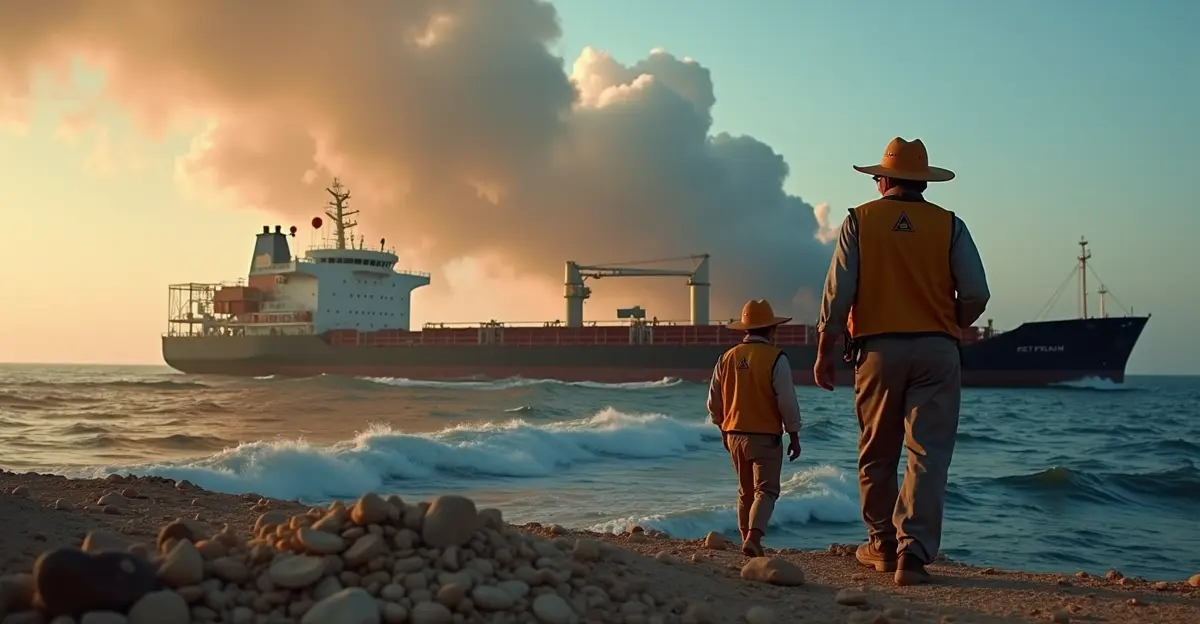
The near-total closure of the Strait of Hormuz in early 2026 has triggered the largest oil market disruption in history, sending Brent crude surging 65% and slashing global merchandise trade growth from 4.7% to as low as 1.5%. This Strait of Hormuz energy blockade has rapidly become the defining strategic development of the year, with cascading effects on industrial production, food security, and the global economic order.
What is the Strait of Hormuz Energy Blockade?
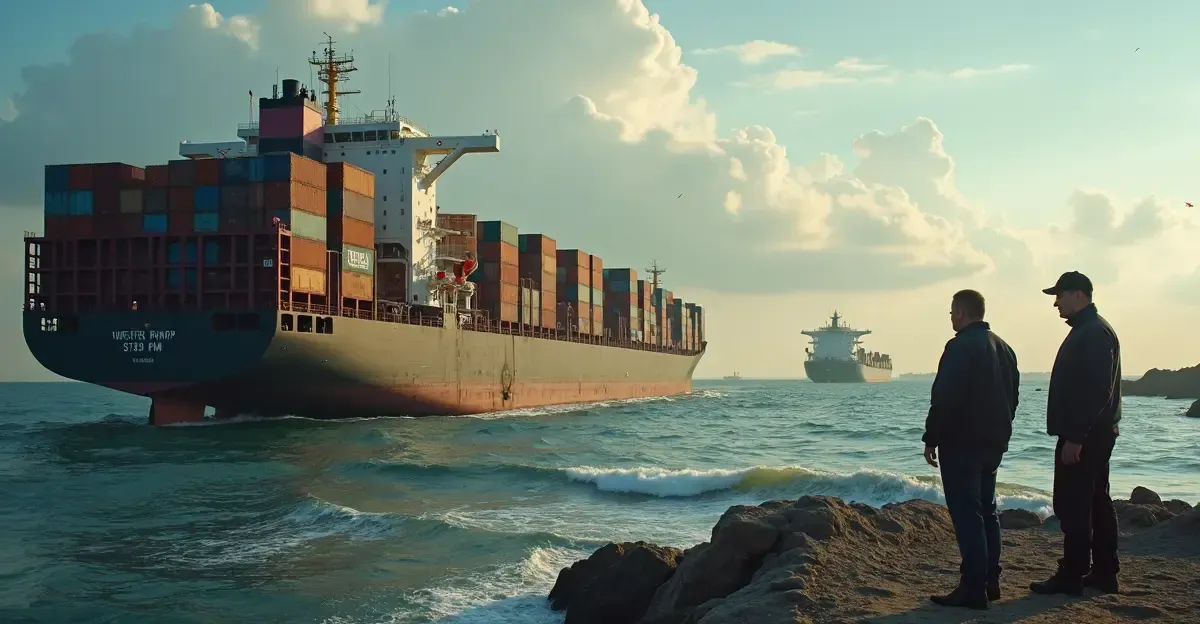
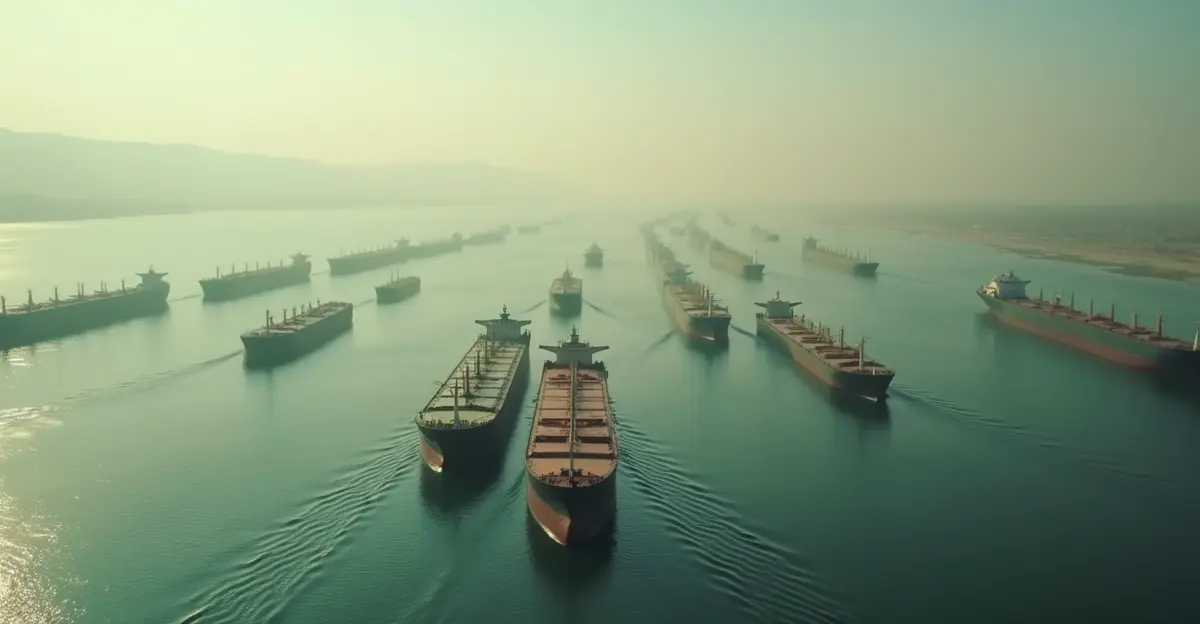
The Strait of Hormuz is a narrow waterway between Iran and Oman, the only sea passage from the Persian Gulf to the open ocean. Before the crisis, roughly 20% of global liquefied natural gas and 25% of seaborne oil trade passed through it annually, along with a significant share of fertilizers and grain. The blockade began after Iranian retaliation on Feb. 28, 2026, collapsing daily oil flows from about 20 million barrels to just 2.7 million barrels. As the global energy chokepoint crisis deepened, shipping insurance rates spiked and many tankers avoided the area altogether.
Economic Shockwaves: Oil Prices and Global GDP
According to the World Bank's April 2026 Commodity Markets Outlook, Brent crude jumped about $46 per barrel, or 65%, by end-March—the highest monthly gain ever recorded. Global oil supply fell by 10.1 million barrels per day in March, and second-quarter output is projected to fall 6.9 million barrels per day year-on-year. World Bank analysts note that Brent could average $86 per barrel in 2026, with upside risks pushing prices to $95–$115. The Dallas Fed models a one-quarter closure cutting global annualized real GDP growth by 2.9 percentage points in Q2 2026, with WTI reaching $98 per barrel. 'This is the first closure of the Strait, and the shock is three to five times larger than past disruptions,' the Dallas Fed research team wrote. UNCTAD likewise warns that the disruption is deepening global economic strain across trade, prices, and finance, with disproportionate harm to energy-importing developing economies.
Asia's Industrial Halt and Fuel Rationing
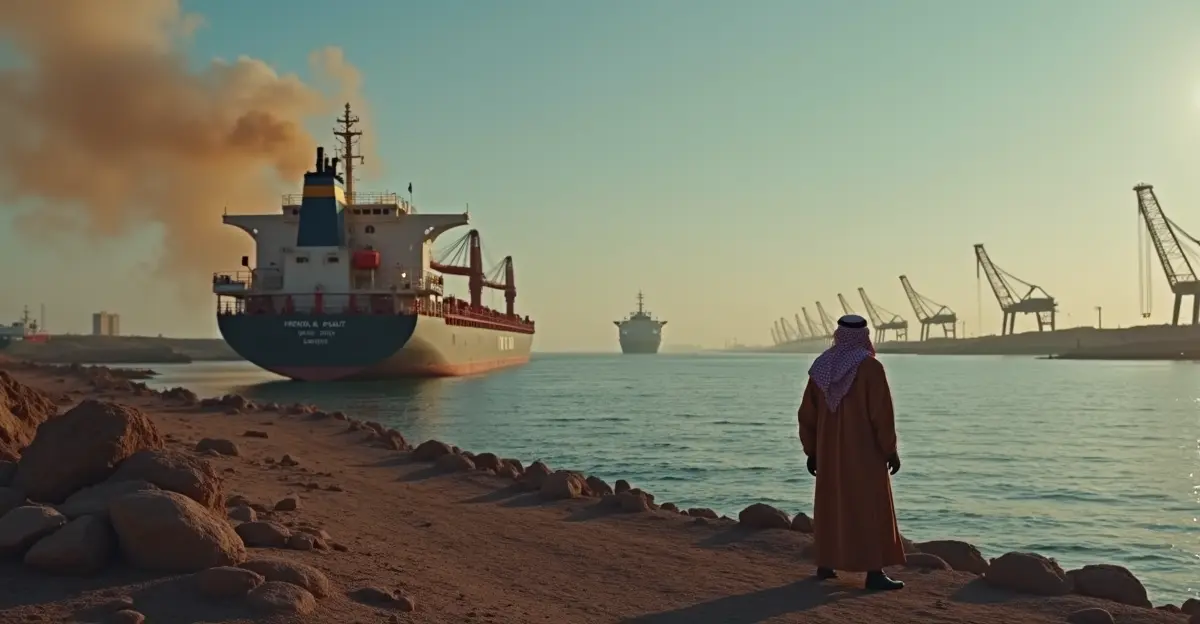
Asia receives about 80% of Gulf oil, making it the hardest-hit region. Japan released 80 million barrels from strategic reserves, South Korea imposed fuel price caps, and China banned fuel exports to protect domestic supply. Industrial production in petrochemical, transport, and manufacturing hubs slowed sharply. The global supply chain diversification trend has accelerated as firms shift from just-in-time to just-in-case logistics, regionalizing production to reduce reliance on a single chokepoint.
Food Security and Fertilizer Crisis
The blockade's impact extends far beyond fuel. The Persian Gulf supplies 36% of global urea exports and 29% of ammonia; up to 30% of 2024 fertilizer shipments transited Hormuz. The March 2026 closure halted 3–4 million tonnes monthly, pushing Middle East urea prices up 19% and European gas benchmark TTF up 55%. FAO Chief Economist Máximo Torero warned that a prolonged crisis could trigger a 'global agri-food catastrophe,' with 20–45% of key agri-food inputs relying on the strait. 'The clock is ticking,' Torero said, urging governments to build strategic fertilizer reserves and avoid export restrictions.
Structural Shifts and Geoeconomic Confrontation
The World Economic Forum already ranked geoeconomic confrontation as the top global risk for 2026, and the Hormuz crisis has crystallized that warning. Markets are fragmenting into Gulf and Atlantic systems, while nations accelerate renewable energy, strategic reserves, and energy security investments. UNCTAD's emergency assessment emphasizes that the shock is reshaping the architecture of global trade itself.
FAQ
What caused the Strait of Hormuz closure in 2026?
The closure followed Iranian retaliation to the U.S.-Israeli 'Operation Epic Fury' air campaign on Feb. 28, 2026, leading to a naval blockade that cut oil flows by nearly 85%.
How much did oil prices rise?
Brent crude surged about 65% (roughly $46 per barrel) by end-March 2026, its largest monthly gain in history.
What is the projected GDP impact?
The Dallas Fed estimates a one-quarter closure cuts global annualized real GDP growth by 2.9 percentage points in Q2 2026.
Why is food security at risk?
Because fertilizers and agri-fuel transit Hormuz; reduced fertilizer use could lower crop yields in 2026 and 2027, driving food inflation.
What are governments doing?
They are releasing strategic reserves, rationing fuel, diversifying supply chains, and accelerating renewable energy and strategic fertilizer stockpiles.
Conclusion: A New Age of Competition
As the crisis enters its second quarter, the world is adapting to a new normal of volatile energy markets and fragmented trade. The Strait of Hormuz energy blockade has not only disrupted today's economy but is accelerating the structural transformation of global trade and economic security. Policymakers now face the urgent task of building resilience before the next shock.
Follow Discussion