


 Deutsch
 English
 Español
 Français
 Nederlands
 Português


 Share
Share




Inside the EU's 24/7 Wildfire Crisis Center in Brussels
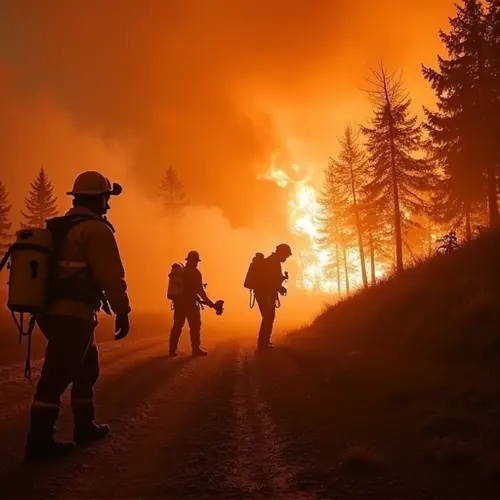
While most EU officials in Brussels have begun their summer holidays, the staff at the European Union's Emergency Response Coordination Centre (ERCC) are working around the clock. This crisis center tracks wildfires across Europe day and night, using satellite imagery to monitor fire evolution, share real-time data, and coordinate cross-border firefighting resources. As the 2026 wildfire season intensifies, the center has become the nerve center for EU disaster response.
The ERCC, located in Brussels, is responsible for coordinating the EU's response to natural disasters, including the devastating forest fires that have become increasingly common across Southern Europe. Maria Zuber, who leads the EU's disaster response team, warns that 2026 could be a record year for wildfires. 'This could well be a record year,' she says, noting that the area burned so far is comparable to the same period last year, which was the worst on record.
How the EU Crisis Center Coordinates Wildfire Response
Real-Time Satellite Monitoring
The ERCC uses advanced satellite technology, including the Copernicus Emergency Management Service, to track fires in real time. Large screens display fire hotspots across the continent, allowing experts to predict fire behavior and share critical information with all EU member states. This system enables rapid detection of new fires and helps prioritize resource allocation.
Resource Pooling and Deployment
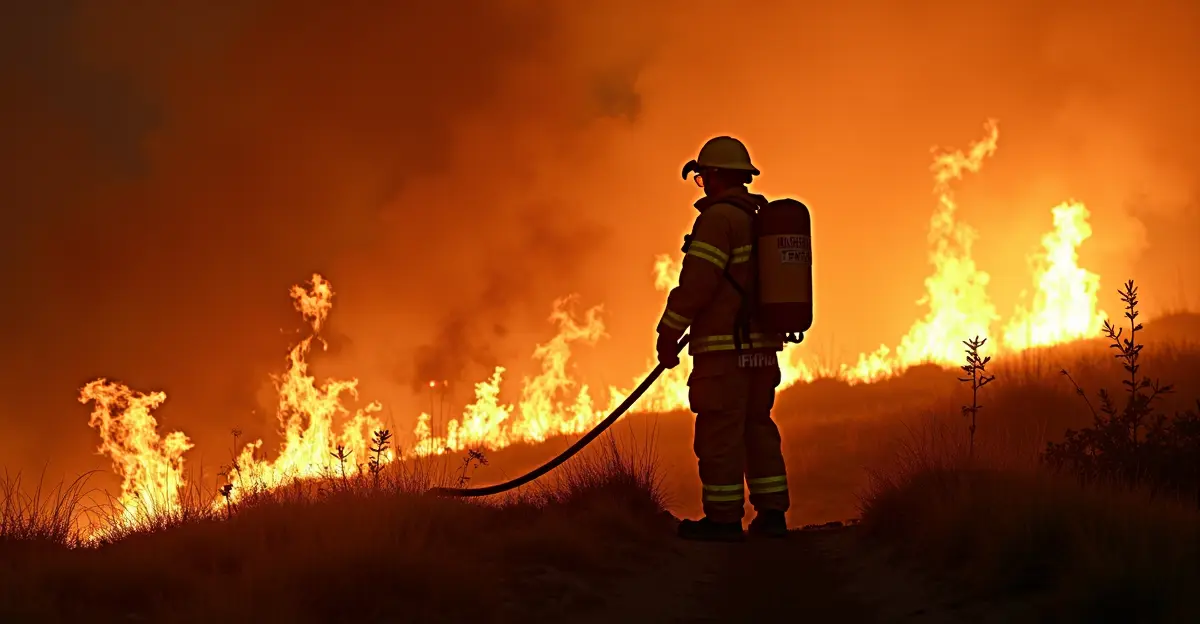
When a country requests assistance, the ERCC springs into action. It searches across Europe for available firefighting aircraft, helicopters, and personnel. Currently, the EU maintains a reserve fleet of 22 firefighting planes, 5 helicopters, and 777 firefighters, pre-positioned in high-risk areas. In July 2026, for example, 40 Dutch firefighters were deployed to Spain, while Portuguese and Croatian aircraft assisted France.
The EU's wildfire prevention strategy is evolving, but the immediate focus remains on saving lives and property. 'We must keep some aircraft in reserve because risks in Greece and Central Europe are increasing,' Zuber explains.
EU to Expand Firefighting Fleet: New Canadairs by 2030
Recognizing the inadequacy of the current fleet, the EU has ordered 12 new Canadair firefighting planes and 5 helicopters. However, delivery is not expected until 2030 at the earliest. Even then, officials admit the fleet will still be insufficient for megafires. 'Even if you send 50 planes, the fire sometimes spreads so fast you can't keep up,' a European disaster official notes.
Prevention: The New Priority
The ERCC is increasingly focused on wildfire prevention rather than just suppression. Zuber emphasizes that firefighting is a last resort. 'Prevention is not a sexy topic to talk about, but it is really, really important.' Key prevention measures include:
- Early warning systems for at-risk communities
- Controlled grazing to reduce dry vegetation
- Public education campaigns to prevent arson
- Improved forest management practices
These strategies are critical as climate change drives longer, more intense fire seasons. The impact of climate change on wildfires is undeniable, with hotter, drier conditions creating a tinderbox across Southern Europe.
International Cooperation and the EU Civil Protection Mechanism
Beyond the 27 EU member states, 10 other countries participate in the EU Civil Protection Mechanism, including Turkey, Ukraine, Norway, and Albania. The Netherlands activated the mechanism for the first time in April 2026 when wildfires broke out across the country. Germany and France provided assistance. This European civil protection cooperation model is being studied by other regions facing similar wildfire threats.
FAQ: EU Wildfire Crisis Center
What is the EU Emergency Response Coordination Centre?
The ERCC is the operational hub of the EU Civil Protection Mechanism, coordinating disaster response across Europe 24/7.
How does the EU track wildfires in real time?
The center uses satellite data from the Copernicus program, combined with ground reports and weather forecasts, to monitor fire activity and predict spread.
How many firefighting aircraft does the EU have?
The EU currently has a reserve fleet of 22 firefighting planes and 5 helicopters, with 12 new Canadairs and 5 more helicopters ordered for delivery by 2030.
Which countries have requested EU wildfire assistance in 2026?
France and Spain have activated the EU Civil Protection Mechanism this year, receiving aircraft and personnel from multiple member states.
What is the EU doing to prevent wildfires?
The EU is investing in early warning systems, forest management, controlled burns, and public awareness campaigns to reduce fire risks before they escalate.
Sources
This article is based on reporting from NOS, the Dutch public broadcaster, and additional research from the European Commission's Emergency Response Coordination Centre.
Follow Discussion