


 Deutsch
 English
 Español
 Français
 Nederlands
 Português


 Share
Share




What is the World Air Quality Report?
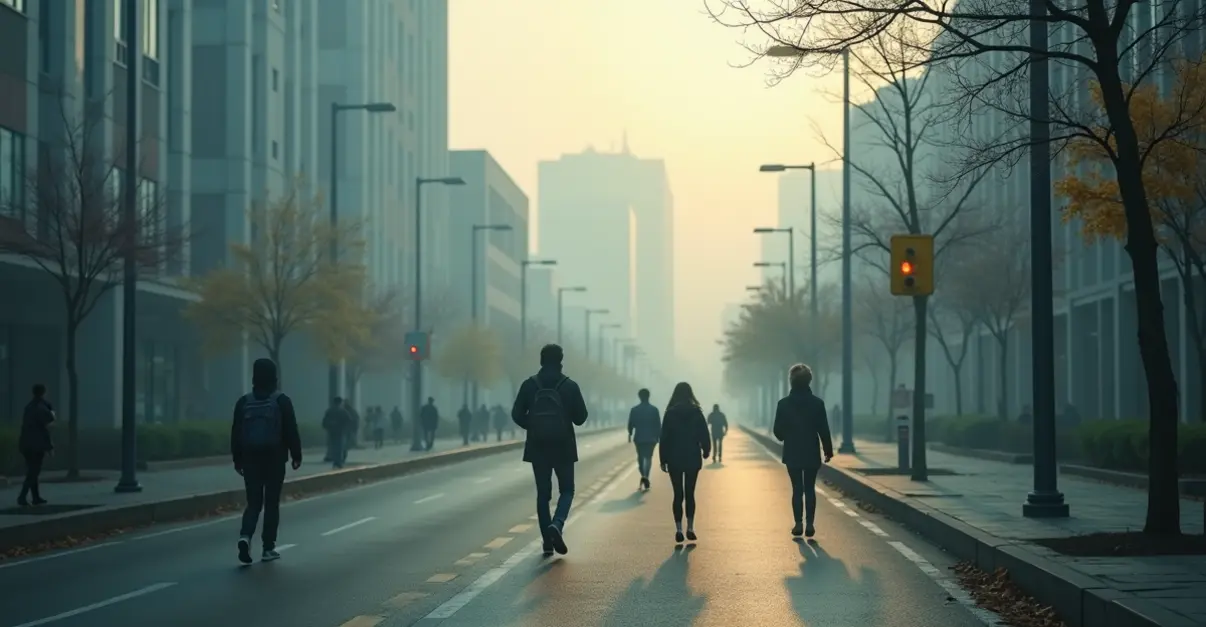
The World Air Quality Report 2026, published by Swiss air quality technology company IQAir, reveals a stark global reality: only 13 countries worldwide meet the World Health Organization's (WHO) safe air quality standards for PM2.5 particulate matter. This comprehensive analysis examined data from 9,446 cities across 143 countries, regions, and territories, finding that a mere 14% of cities globally have clean air that meets WHO guidelines—a decline from 17% in 2024. The report highlights an alarming trend of deteriorating air quality worldwide, driven primarily by climate change-induced wildfires, dust storms, and extreme weather events that have intensified pollution levels across continents.
The Global Air Pollution Crisis Explained
PM2.5 refers to fine particulate matter measuring 2.5 micrometers or smaller—particles so tiny they can penetrate deep into human lungs and enter the bloodstream. The WHO sets the safe limit at 5 micrograms per cubic meter (µg/m³) annually. Exposure to PM2.5 pollution causes approximately 7.8 million premature deaths worldwide annually, contributing to respiratory diseases, cardiovascular problems, cancer, and other serious health conditions. 'There is no safe level for exposure to particulates,' according to WHO research, making air pollution one of the world's most significant environmental health threats.
Which Countries Have Clean Air in 2026?
The 13 countries and territories meeting WHO PM2.5 guidelines include:
- Andorra - The European microstate in the Pyrenees mountains
- Estonia - Northern European nation with strong environmental policies
- Iceland - Island nation with geothermal energy dominance
- Australia - Despite recent wildfire impacts
- Barbados - Caribbean island nation
- Bermuda - British Overseas Territory in the Atlantic
- French Polynesia - Pacific island territory
- Grenada - Caribbean island nation
- New Caledonia - French Pacific territory
- Panama - Central American country
- Puerto Rico - U.S. territory in the Caribbean
- Réunion - French island in the Indian Ocean
- U.S. Virgin Islands - Caribbean territory
This means 91% of monitored countries (130 out of 143) fail to meet WHO safety standards, exposing billions to hazardous air pollution daily.
Europe's Mixed Air Quality Picture
Only three European nations—Andorra, Estonia, and Iceland—maintain air quality within WHO guidelines. The continent faces significant challenges from transboundary pollution, with PM2.5 concentrations increasing in 23 European countries during 2025. Switzerland and Greece experienced over 30% pollution increases due to wildfire smoke from North America and Saharan dust from Africa. However, Malta demonstrated progress, reducing PM2.5 levels by nearly 24% through transitioning from heavy fuel oil to renewable energy sources for electricity generation.
The European situation contrasts sharply with the global climate change impacts documented in recent reports, showing how interconnected environmental issues affect air quality across regions.
World's Most Polluted Regions
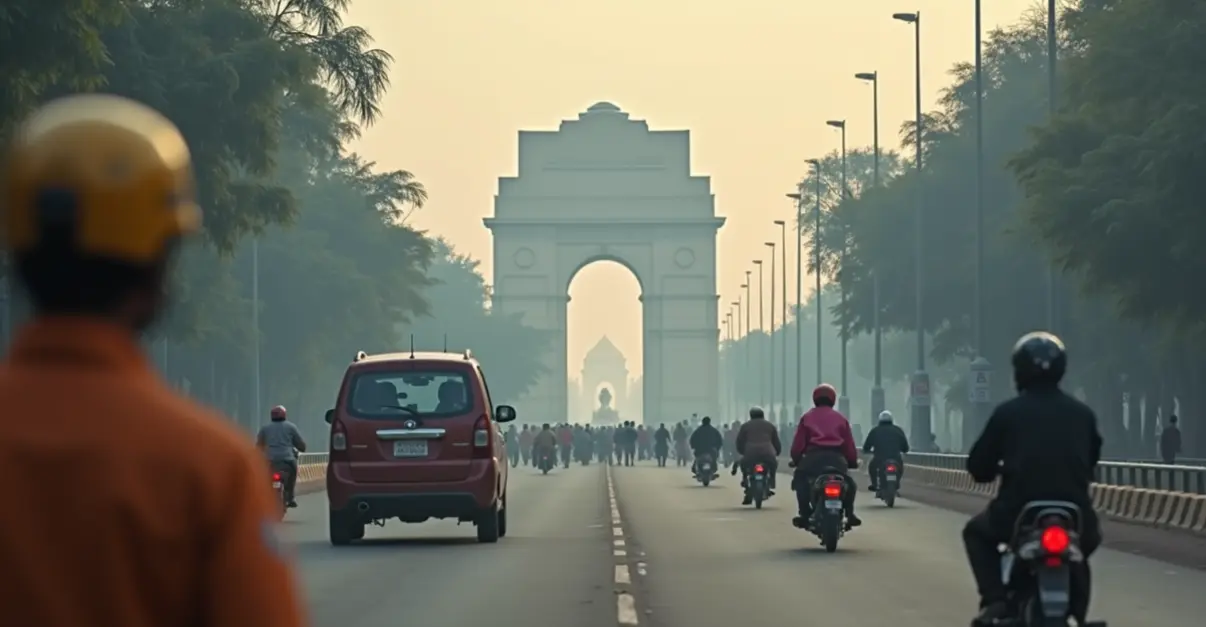
Pakistan ranks as the world's most polluted country with PM2.5 levels averaging 67.3 µg/m³—over 13 times the WHO guideline. Other severely affected nations include Bangladesh, Tajikistan, Chad, and the Democratic Republic of Congo. All 25 of the world's most polluted cities are located in India, Pakistan, and China, with Loni, India, topping the list at 112.5 µg/m³—22 times above WHO limits. Delhi maintains its position as the world's most polluted capital city for the eighth consecutive year.
In contrast, Nieuwoudtville, South Africa, ranks as the world's least polluted location, situated in the rugged Namaqualand region known for its unique floral biodiversity. The town's remote location and minimal industrial activity contribute to its exceptional air quality.
Health Impacts and Economic Consequences
Air pollution represents a massive global health burden, with PM2.5 exposure linked to 4.7 million outdoor air pollution deaths annually. The economic costs are equally staggering, with healthcare expenses and lost productivity estimated at trillions of dollars worldwide. Vulnerable populations—including children, the elderly, and those with pre-existing conditions—face the greatest risks from poor air quality.
Similar to the public health challenges of urban pollution, air quality issues require comprehensive policy solutions addressing transportation, industry, and energy production sectors simultaneously.
What Causes Air Pollution Deterioration?
Several factors drive the global decline in air quality:
- Climate Change Impacts: Increased wildfires, dust storms, and extreme weather events
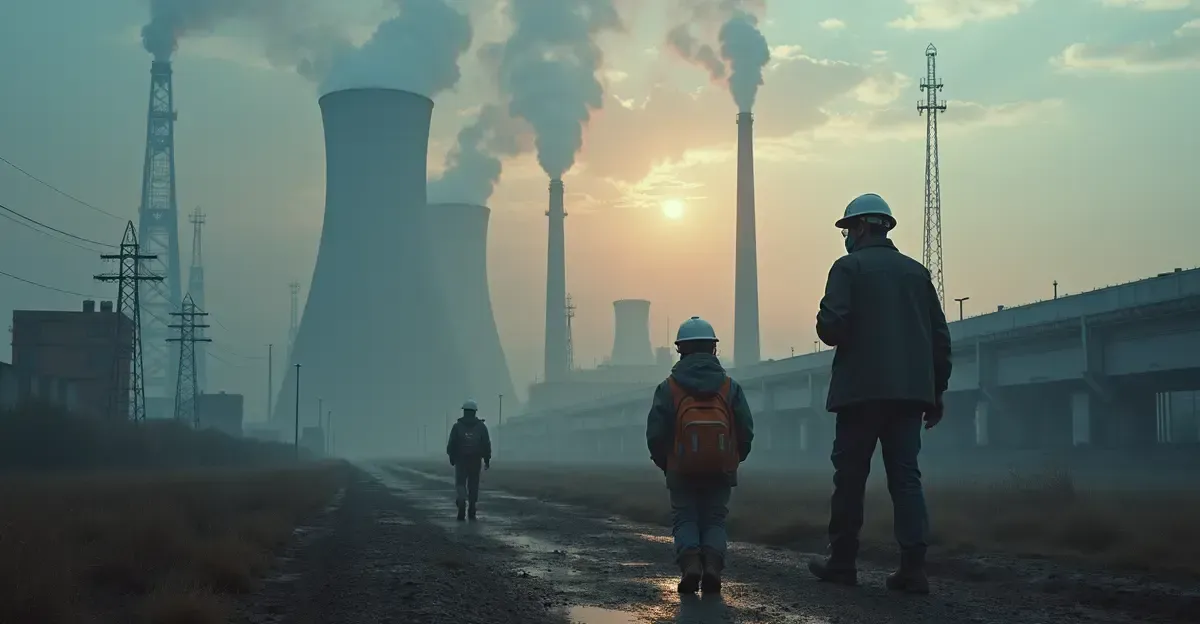
- Industrial Emissions: Manufacturing, mining, and energy production in developing economies
- Transportation Pollution: Vehicle exhaust, particularly in rapidly urbanizing regions
- Agricultural Practices: Biomass burning and fertilizer use
- Residential Energy Use: Cooking and heating with solid fuels in lower-income countries
Solutions and Policy Recommendations
Experts recommend several strategies to improve global air quality:
- Expand air quality monitoring networks, especially in data-poor regions
- Transition to renewable energy sources and phase out fossil fuels
- Implement stricter emissions standards for vehicles and industry
- Promote public transportation and electric vehicle adoption
- Address transboundary pollution through international cooperation
- Invest in clean cooking technologies for households
The renewable energy transition policies being implemented in various countries demonstrate how systemic changes can yield significant air quality improvements.
Frequently Asked Questions
What is PM2.5 and why is it dangerous?
PM2.5 refers to fine particulate matter measuring 2.5 micrometers or smaller. These microscopic particles can penetrate deep into lungs, enter the bloodstream, and cause respiratory diseases, heart conditions, cancer, and premature death.
Which European countries have the cleanest air?
Andorra, Estonia, and Iceland are the only three European nations meeting WHO air quality guidelines for PM2.5 levels in 2026.
What is the world's most polluted city?
Loni, India, ranks as the world's most polluted city with PM2.5 levels 22 times above WHO safety limits at 112.5 µg/m³.
How many people die from air pollution annually?
Approximately 7.8 million people die prematurely each year from air pollution exposure, with 4.7 million attributed to outdoor air pollution.
Can air quality improve quickly?
Yes—Malta reduced PM2.5 pollution by nearly 24% in one year by transitioning from heavy fuel oil to renewable energy sources, demonstrating rapid improvement is possible with decisive policy action.


Follow Discussion