


 Deutsch
 English
 Español
 Français
 Nederlands
 Português


 Share
Share




Groundbreaking Research Shows Urban Green Spaces Transform Public Health
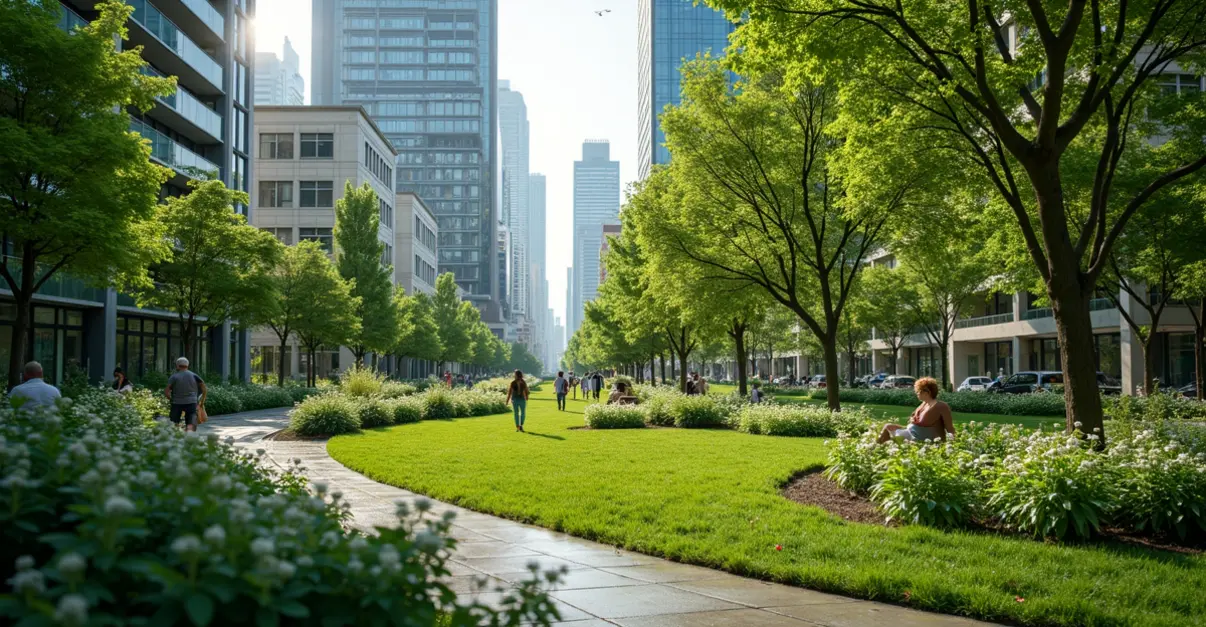
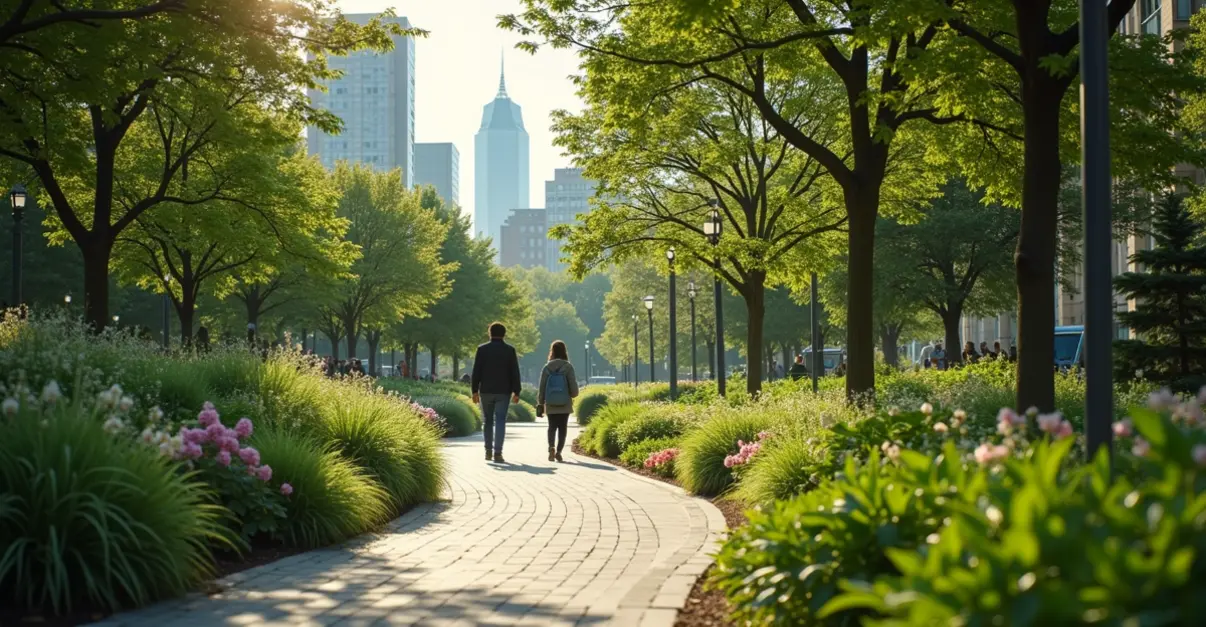
A comprehensive new study published this week reveals that urban green spaces provide far-reaching health benefits that could reshape city planning policies worldwide. The research, analyzing data from multiple international studies conducted between 2020-2026, demonstrates that access to parks, gardens, and natural environments significantly improves both physical and mental health outcomes for urban residents.
The Science Behind Green Space Benefits
The systematic review examined 178 research articles from 2015-2025, identifying health benefits across ten different types of urban green infrastructure including residential greenery, urban parks, trees, green roofs, and community gardens. 'What we found was remarkable consistency across studies - urban green spaces serve as natural health interventions,' explained lead researcher Dr. Elena Martinez from the Urban Health Institute. 'From reducing chronic disease rates to improving mental wellbeing, the evidence is overwhelming.'
According to the study published in MDPI's International Journal of Environmental Research and Public Health, urban green infrastructure serves as a climate adaptation strategy by reducing urban heat island effects through shading and evapotranspiration, managing stormwater runoff, improving air quality by capturing pollutants, and providing pollution barriers.
Mental Health Breakthrough Findings
Perhaps the most striking findings come from mental health research. A Stanford University study from July 2025 reveals that even brief 15-minute exposures to nature can significantly improve mental health for city residents. 'Our research demonstrates measurable psychological benefits from short nature visits,' said Stanford researcher Dr. James Wilson. 'This has important implications for urban planning and park design, suggesting that creating more accessible natural areas within cities could provide substantial mental health benefits.'
The research published in Taylor & Francis' Urban Planning journal examines the critical relationship between urban green spaces and mental health, focusing on practical applications for city planning. The study found that urban green spaces improve mental health by stabilizing emotions, releasing stress, and enhancing life satisfaction through three main mediators: environmental factors, outdoor activity, and social cohesion.
Threshold Effect Discovered
One of the most significant discoveries comes from research conducted in three Chinese cities (Beijing, Hangzhou, and Yinchuan) which reveals a nonlinear threshold relationship. When green space coverage exceeds 38%, chronic disease decline accelerates by 3.3 times and mental health improvement reaches 9.7%. Hangzhou's "Park City" policy showed the best results with 1.8% annual green space growth and a Policy Strength Index score of 82 points.
'This threshold effect is crucial for policymakers,' noted urban planning expert Dr. Li Wei from Tsinghua University. 'It means we need to aim for specific coverage targets to maximize health benefits. Simply having some green space isn't enough - we need strategic, comprehensive greening.'
Policy Implications and Community Impact
The study identifies seven key policy implications for urban planning, climate adaptation policymakers, and public health authorities. These include recommendations for integrating green infrastructure into urban development plans, creating equitable access to green spaces across socioeconomic groups, and developing metrics to track health outcomes related to green space investments.
The research emphasizes the growing importance of urban green infrastructure for public health, particularly post-COVID-19, and calls for interdisciplinary approaches to integrate climate adaptation measures with health co-benefits in urban policy and spatial planning. 'We're seeing a paradigm shift in how cities approach development,' said environmental policy analyst Maria Rodriguez. 'Green spaces are no longer just aesthetic amenities - they're essential public health infrastructure.'
Economic and Healthcare Benefits
Beyond direct health improvements, the study highlights significant economic benefits. Urban greening policies help revitalize communities, reduce financial burdens on healthcare systems, and improve overall quality of life. By promoting the development of parks, green roofs, and community gardens, these policies contribute to cleaner air, mitigate urban heat effects, and create spaces for recreation and social interaction.
The World Health Organization has long emphasized the importance of urban green spaces, defining them as "all urban land covered by vegetation of any kind." However, as the new research shows, it's not just about quantity but quality and accessibility. 'The benefits to visitors of urban green spaces increased with their biodiversity,' the study notes, indicating that "green" alone is not sufficient - the quality and variety of the urban green space are important as well.
As cities worldwide grapple with climate change, public health challenges, and urbanization pressures, this comprehensive study provides evidence-based guidance for creating healthier, more sustainable urban environments. The findings suggest that investing in urban green spaces represents one of the most cost-effective strategies for improving public health while simultaneously addressing climate resilience and community wellbeing.


Follow Discussion