


 Deutsch
 English
 Español
 Français
 Nederlands
 Português


 Share
Share




Study Reveals Economic Power of Urban Green Spaces
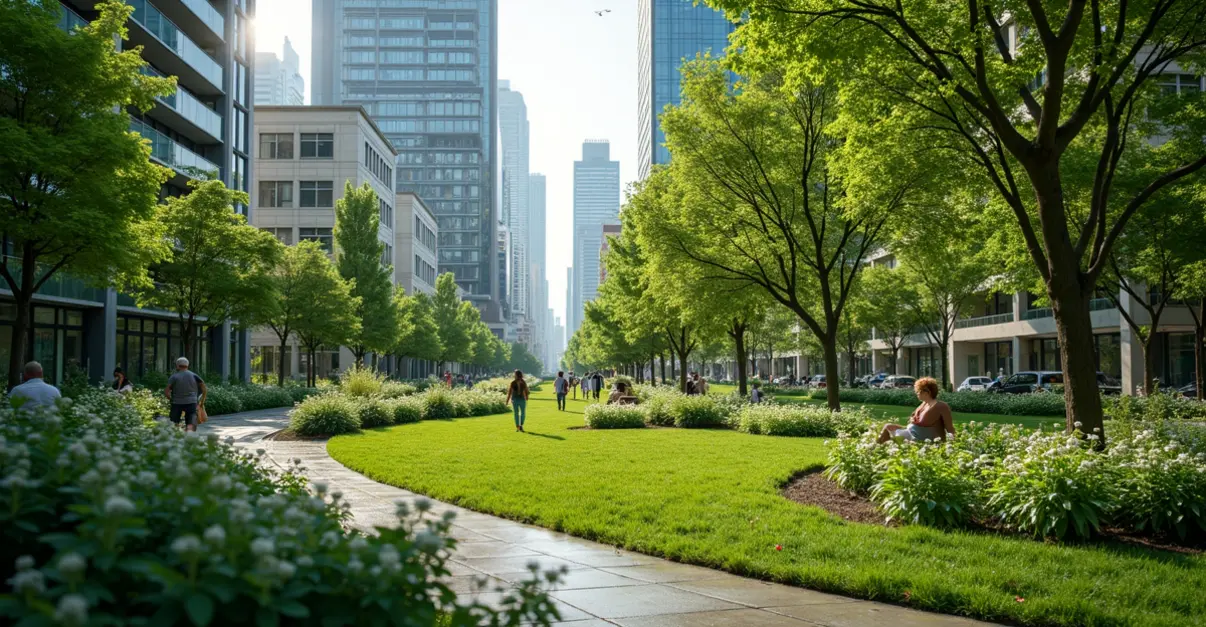
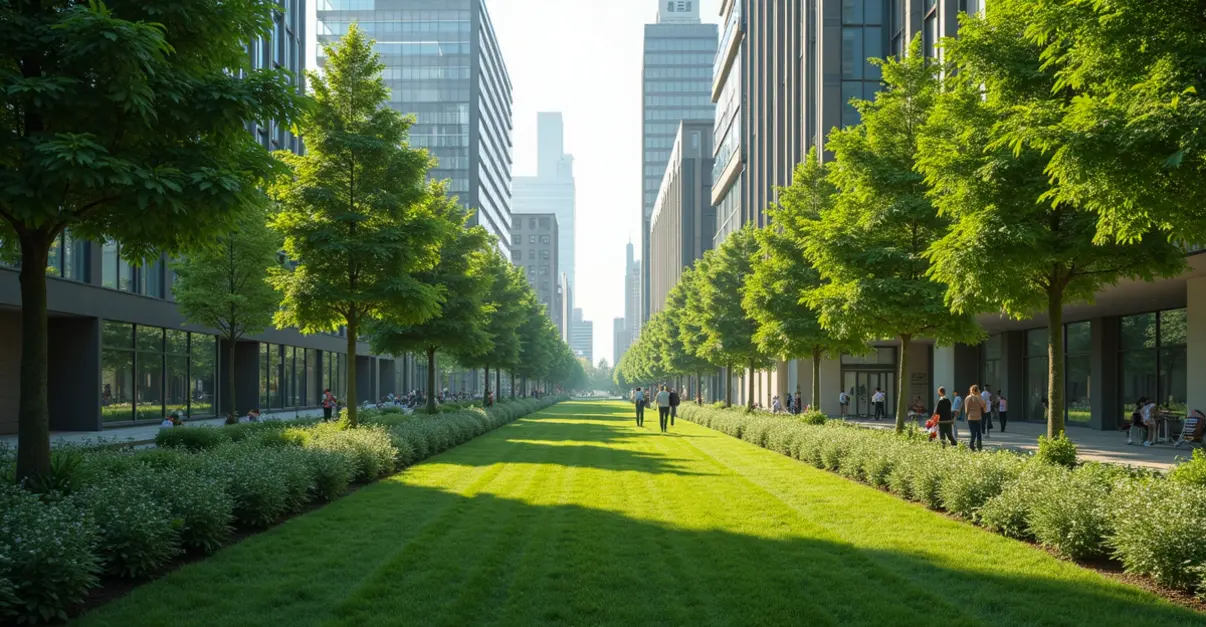
A groundbreaking new study has quantified what urban planners have long suspected: investing in urban green spaces isn't just good for the environment—it's a powerful economic strategy that saves billions in healthcare costs. The research, which analyzed data from cities across multiple continents, shows that every dollar spent on parks, community gardens, and urban forests returns significant savings in reduced medical expenses, lower absenteeism, and improved public health outcomes.
'We've moved beyond just measuring aesthetic value—we're now quantifying how green infrastructure directly impacts municipal budgets and public health systems,' says Dr. Maria Chen, lead researcher on the study. 'The numbers are compelling: cities with robust green space networks see 15-25% lower healthcare costs in surrounding neighborhoods.'
The Health Economics of Urban Greening
The study, published in Nature Cities, examined how urban green spaces contribute to what researchers call 'preventive healthcare infrastructure.' By promoting physical activity, reducing air pollution, mitigating urban heat islands, and providing mental health benefits, these natural areas function as frontline healthcare facilities that prevent illness before it occurs.
According to the World Health Organization's comprehensive report 'Assessing the value of urban green and blue spaces for health and well-being', urban green spaces provide multifunctional benefits that need to be properly valued by policymakers. The WHO emphasizes that urban planning should account for nature's value in environmental, social, health, and economic terms, especially given land scarcity and competing land uses in growing cities.
'What's revolutionary about this research is that it gives city planners hard numbers to work with,' explains urban economist James Rodriguez. 'Instead of green spaces being seen as 'nice-to-have' amenities, they're now recognized as essential infrastructure with measurable ROI.'
Policy Recommendations for Municipal Leaders
The study outlines several key policy recommendations for cities looking to maximize health savings through green space investment:
1. Implement Green Space Equity Mapping: Use geospatial data to identify 'green deserts'—areas with insufficient access to parks and natural spaces—and prioritize investments in these underserved communities.
2. Develop Public-Private Funding Models: Create innovative financing mechanisms that allow healthcare systems to invest in green infrastructure, recognizing that preventive health measures reduce their long-term costs.
3. Integrate Health Impact Assessments: Require all urban development projects to include health impact assessments that quantify potential effects on community wellbeing.
4. Establish Maintenance Standards: Ensure existing green spaces are properly maintained, as research shows that poorly maintained parks provide fewer health benefits.
A recent study from Brazil demonstrates significant public willingness to pay for urban green space maintenance and enhancement, driven primarily by recognition of their health benefits. This research addresses a notable gap in developing countries and provides practical implications for urban planners and policymakers.
Pilot Programs Showing Promising Results
Several cities have already launched pilot programs based on these economic principles with impressive early results:
• Medellín, Colombia: The 'Green Corridors' project has transformed 30 roads and 18 waterways into lush green spaces, reducing temperatures by 2-3°C and correlating with a 20% reduction in heat-related hospital admissions.
• Singapore: The city-state's 'City in a Garden' initiative has integrated green spaces into nearly every aspect of urban design, with studies showing improved mental health outcomes and reduced healthcare utilization in areas with abundant greenery.
• Portland, Oregon: The 'Healthy Parks, Healthy Portland' program tracks healthcare cost savings from park investments, with early data showing $3 saved in medical costs for every $1 invested in park maintenance and development.
'We're seeing a paradigm shift in how cities value their natural assets,' says Chloe Nowak, the study's author. 'Urban green spaces are no longer just recreational areas—they're becoming recognized as critical public health infrastructure that pays for itself many times over.'
The Future of Urban Planning
As cities continue to grow—with 68% of the world's population projected to live in urban areas by 2050—the economic argument for green space investment becomes increasingly urgent. The study recommends that future urban planning integrate health economics as a core consideration, with green spaces treated as essential utilities rather than optional amenities.
The UN-Habitat document 'Public Space and Urban Health' explores the critical relationship between public spaces and urban health, focusing on creating healthier cities and communities. The report examines how well-designed public spaces contribute to physical and mental wellbeing, social cohesion, and sustainable urban development.
With climate change intensifying urban heat islands and mental health concerns rising globally, the research suggests that investing in urban green spaces may be one of the most cost-effective strategies for building resilient, healthy cities for the 21st century.

Follow Discussion