


 Deutsch
 English
 Español
 Français
 Nederlands
 Português


 Share
Share




Widespread School Closures as Air Quality Deteriorates
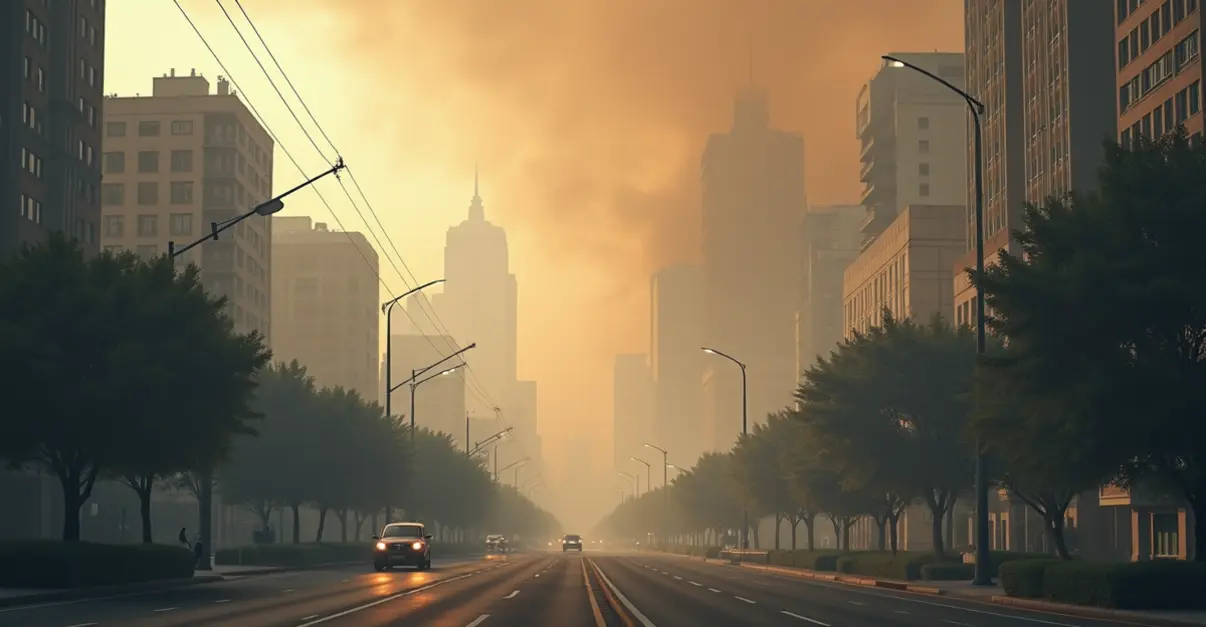
An unprecedented air quality crisis has forced school closures across multiple cities this week, as dangerous levels of particulate matter and other pollutants have created hazardous conditions for students and staff. Health officials have issued urgent advisories recommending protective actions while environmental agencies scramble to implement emissions source mitigation strategies.
The situation has affected educational institutions from the West Coast through the Midwest, with cities like Chicago, Detroit, Cleveland, and numerous West Coast communities reporting school closures or shifts to remote learning. 'We're facing a public health emergency that requires immediate action to protect our most vulnerable populations,' said Dr. Sarah Chen, a public health specialist with the American Lung Association. 'Children are particularly susceptible to the effects of poor air quality, and keeping them indoors during these episodes is a necessary precaution.'
Health Impacts and Protective Measures
The Air Quality Index (AQI) has reached dangerous levels in many regions, with readings frequently exceeding 150 - the threshold considered unhealthy for all population groups. Fine particulate matter (PM2.5) from wildfire smoke and other pollution sources can penetrate deep into lungs and even enter the bloodstream, causing respiratory and cardiovascular problems.
According to the State of the Air 2025 report, vulnerable populations including children, the elderly, and those with pre-existing respiratory conditions face the greatest risks. Health departments are recommending that people stay indoors, use air purifiers with HEPA filters, and wear N95 masks when outdoor exposure is unavoidable.
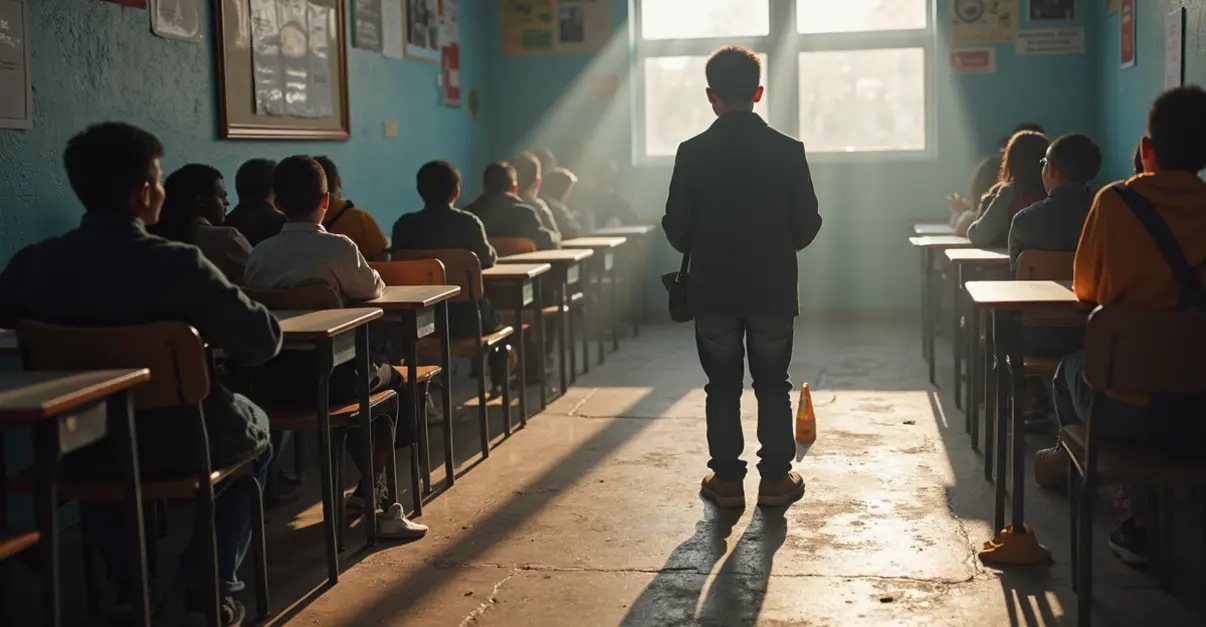
'We've implemented comprehensive indoor air quality protocols in our schools,' explained Mark Thompson, superintendent of a affected school district in Washington State. 'This includes keeping windows and doors closed, running HVAC systems on recirculation mode, and using portable air cleaners in classrooms. But when AQI levels exceed 200, we have to consider closure for everyone's safety.'
Emissions Source Mitigation Strategies
Environmental agencies are implementing emergency measures to reduce emissions from major sources. The EPA's Office of Air and Radiation has outlined strategies in their FY 2025-2026 National Program Guidance that include temporary restrictions on industrial emissions, enhanced monitoring of pollution sources, and public transportation incentives to reduce vehicle emissions.
According to a recent study published in Nature Communications, coordinated climate action can significantly reduce air pollution while addressing transboundary pollution issues. The research shows that ambitious mitigation scenarios could avoid approximately 1.32 million deaths globally through improved air quality.
'We need comprehensive approaches that address multiple pollutants simultaneously,' stated environmental policy expert Dr. James Rodriguez. 'Piecemeal solutions won't solve this crisis. We're advocating for overarching emission reduction goals that consider both local sources and transboundary pollution exchange.'
Educational Disruption and Long-term Solutions
The school closures represent a significant disruption to education, affecting millions of students nationwide. According to Brookings research, a quarter of U.S. schools are located in high-risk areas for environmental hazards, and the 2024-2025 school year alone saw over 9 million students affected by weather-related closures.
Schools are increasingly developing comprehensive indoor air quality management plans. The U.S. Green Building Council's School District Indoor Air Quality Management Plans Toolkit provides guidance for creating systematic approaches to monitor and improve air quality in educational facilities.
'This isn't just about temporary closures,' said education policy analyst Maria Gonzalez. 'We need to invest in resilient school infrastructure that can withstand these environmental challenges. That includes better ventilation systems, air purification technology, and building designs that protect indoor air quality during pollution events.'
Looking Forward
As climate change continues to intensify wildfire seasons and alter weather patterns, experts warn that air quality emergencies may become more frequent. The current crisis highlights the need for both immediate protective measures and long-term strategies to reduce emissions at their source.
Public health officials emphasize that while school closures are disruptive, they represent a necessary precaution to protect children's health. 'We're balancing educational continuity with student safety,' noted Dr. Chen. 'When air quality reaches hazardous levels, the health risks are simply too great to ignore. We need to treat these events with the seriousness they deserve and implement both protective actions and mitigation strategies.'
The situation remains fluid, with health departments continuing to monitor air quality conditions and adjust recommendations accordingly. Parents and school administrators are advised to stay informed through local health department alerts and air quality monitoring resources.



Follow Discussion