


 Deutsch
 English
 Español
 Français
 Nederlands
 Português


 Share
Share




Widespread School Closures as Air Quality Alerts Intensify
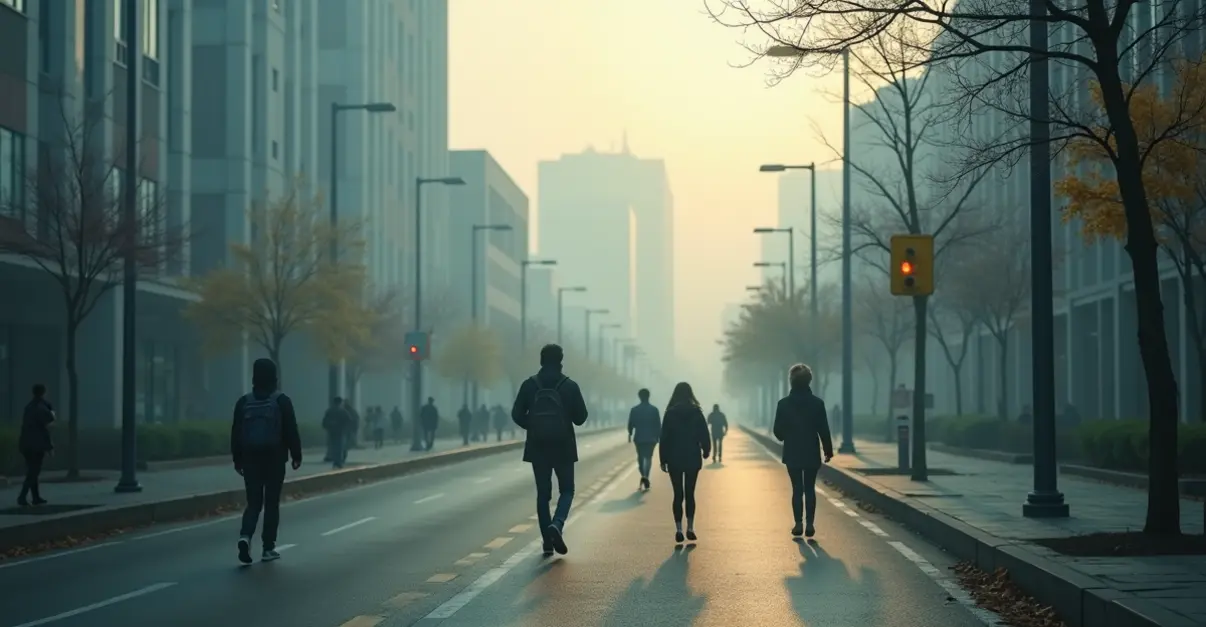
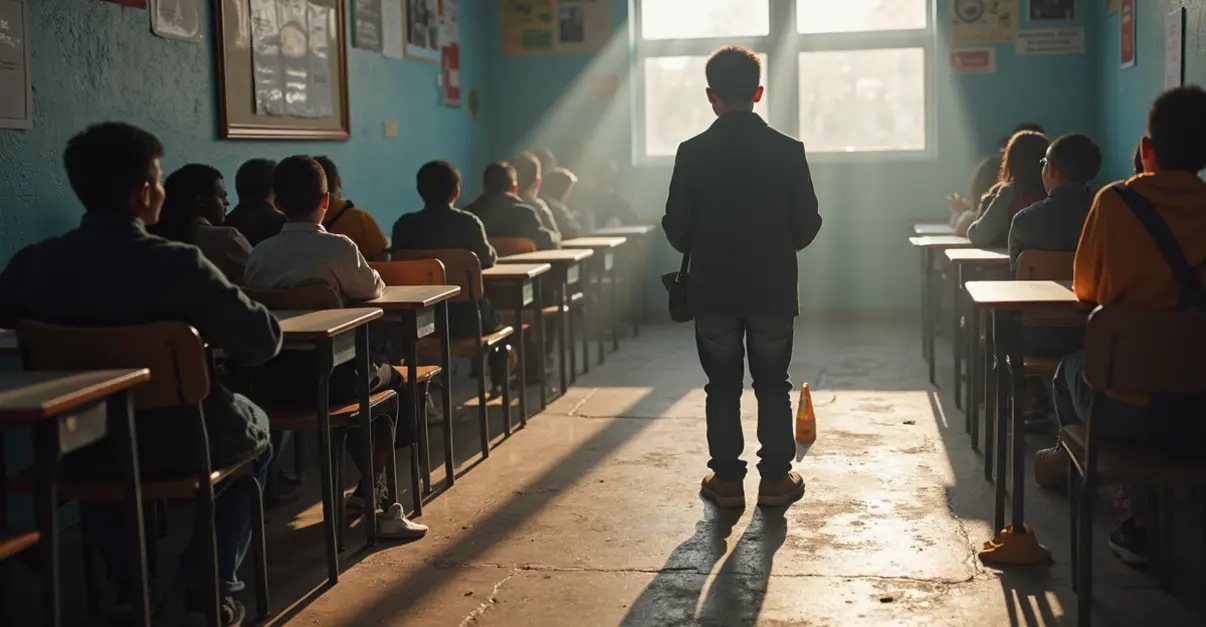
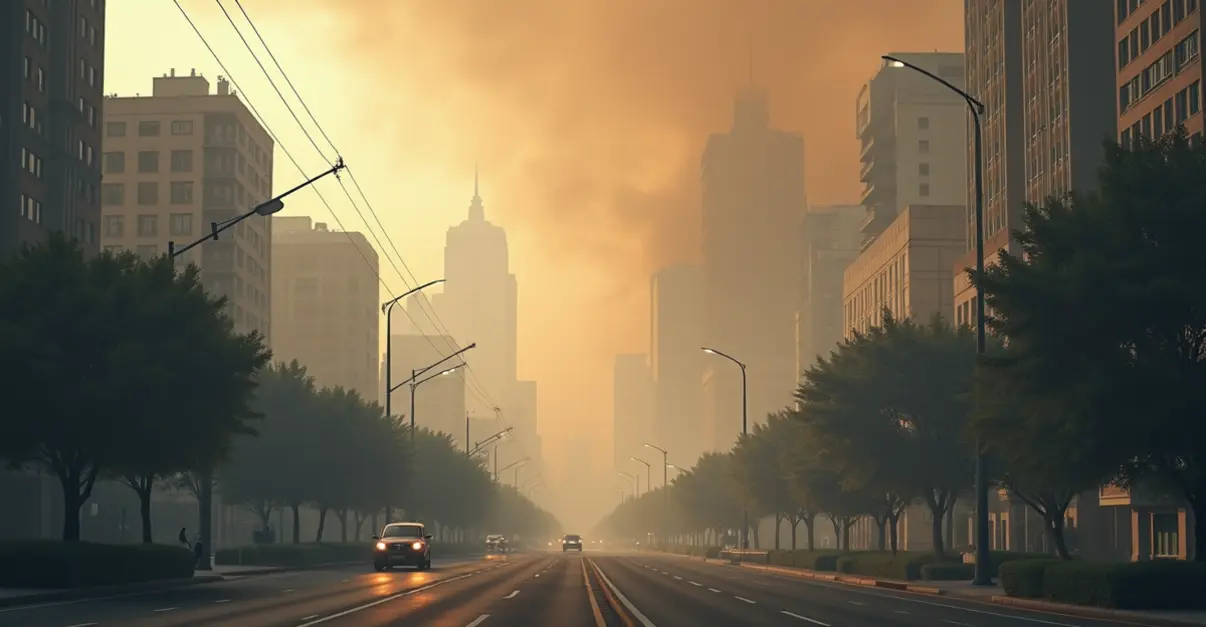
Across North America, a wave of school closures has swept through multiple states as air quality alerts reach hazardous levels, forcing educational institutions to shutter their doors and switch to remote learning. The situation, driven primarily by widespread wildfire smoke from uncontrolled fires in California, Oregon, and British Columbia, has created a public health crisis that's disrupting education for millions of students.
'We're seeing AQI readings surge past 150, which classifies air as unhealthy for everyone,' says Dr. Sarah Chen, an environmental health specialist. 'Children are particularly vulnerable to these conditions, and schools are making the difficult but necessary decision to close.'
The Air Quality Index: Understanding the Danger Levels
The Air Quality Index (AQI) serves as the primary guide for school administrators making closure decisions. The scale ranges from 0-500 with color-coded categories: green (0-50) is good, yellow (51-100) moderate, orange (101-150) unhealthy for sensitive groups, red (151-200) unhealthy for everyone, purple (201-300) very unhealthy, and maroon (301-500) hazardous.
According to established guidelines, schools typically move outdoor activities indoors at AQI 101-150, cancel all outdoor activities at 151-200, and consider full school closure at very unhealthy or hazardous levels. However, decisions are made locally by school district administrators who consider additional factors including pollutant type, duration of poor air quality, student vulnerability, and availability of proper indoor air filtration systems.
Economic Impacts and Community Disruption
The closures are creating significant economic ripple effects. 'When schools close, parents miss work, businesses lose productivity, and the entire community feels the impact,' notes economic analyst Michael Rodriguez. The UCLA Anderson Forecast report on the January 2025 Los Angeles wildfires reveals the broader economic consequences, with total property and capital losses estimated between $76 billion and $131 billion, and insured losses up to $45 billion.
The wildfires are projected to cause a 0.48% decline in county-level GDP for 2025 (approximately $4.6 billion) and $297 million in total wage losses for local businesses and employees. 'These aren't just environmental issues anymore - they're economic crises that affect every sector,' Rodriguez adds.
Policy Responses and Legislative Action
In response to the growing crisis, policymakers are taking action. The American Lung Association recently released a new report titled 'A Win-Win for Lung Health: How Policies on Indoor Air Quality Make Schools Healthier and More Energy Efficient' on January 21, 2026. The report addresses the critical public health issue of indoor air quality (IAQ) in schools, which negatively impacts asthma, absenteeism, and learning outcomes.
The report examines state laws across seven key areas: IAQ management plans, ventilation standards, radon, mold, integrated pest management, green cleaning products, and tobacco use. It finds that even states with strong requirements need better support, resources, and accountability for schools to maintain healthy indoor air environments.
Meanwhile, in Congress, H.R.5123 has been introduced in the 119th Congress (2025-2026), focusing on indoor air quality standards and health-related measures. This legislation represents current congressional activity addressing environmental health concerns related to indoor air quality in various settings including schools.
Health Implications for Vulnerable Populations
Children, the elderly, and individuals with respiratory or cardiovascular problems are typically the first groups affected by poor air quality. Health departments warn that children, seniors, and those with respiratory conditions are at greatest risk, with hospitals reporting increased asthma and respiratory distress cases.
'We're seeing a significant uptick in emergency room visits for respiratory issues during these air quality events,' reports Dr. Chen. 'The particulate matter from wildfire smoke can penetrate deep into the lungs and even enter the bloodstream, causing both immediate and long-term health problems.'
Looking Forward: Solutions and Preparedness
Schools are implementing various measures before resorting to full cancellation. These include moving activities indoors, upgrading HVAC systems with better filters, and using portable HEPA filters. The EPA's Indoor Air Quality Tools for Schools program provides comprehensive resources to help schools create healthy learning environments through proper ventilation and cleaning practices.
The American Lung Association provides ten research-based recommendations, including requiring IAQ management plans, ventilation standards, radon testing, prohibiting vehicle idling and tobacco use on school grounds, mold mitigation, safer cleaning products, and staff education protocols.
As climate change intensifies wildfire seasons and creates broader public health impacts, the situation highlights the urgent need for comprehensive approaches to ensure safe air for all students, educators, and staff. The economic, educational, and health implications of these air quality events will likely continue to shape policy discussions and community responses in the coming years.


Follow Discussion