


 Deutsch
 English
 Español
 Français
 Nederlands
 Português


 Share
Share




Health Crisis Forces Schools to Close as Air Quality Deteriorates
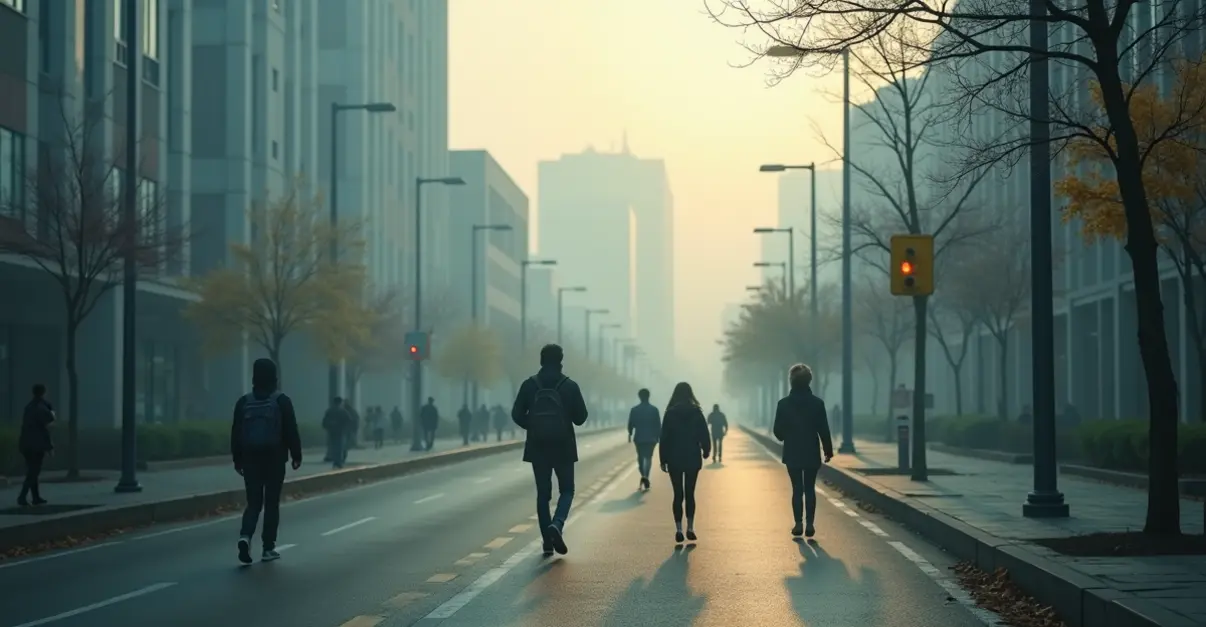
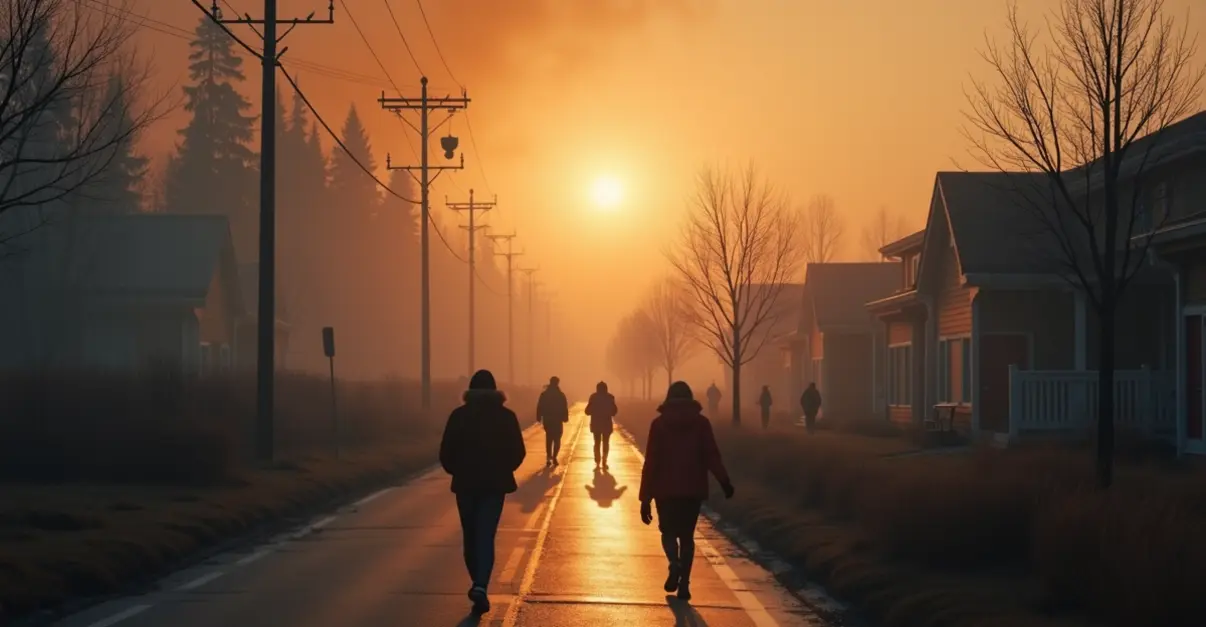
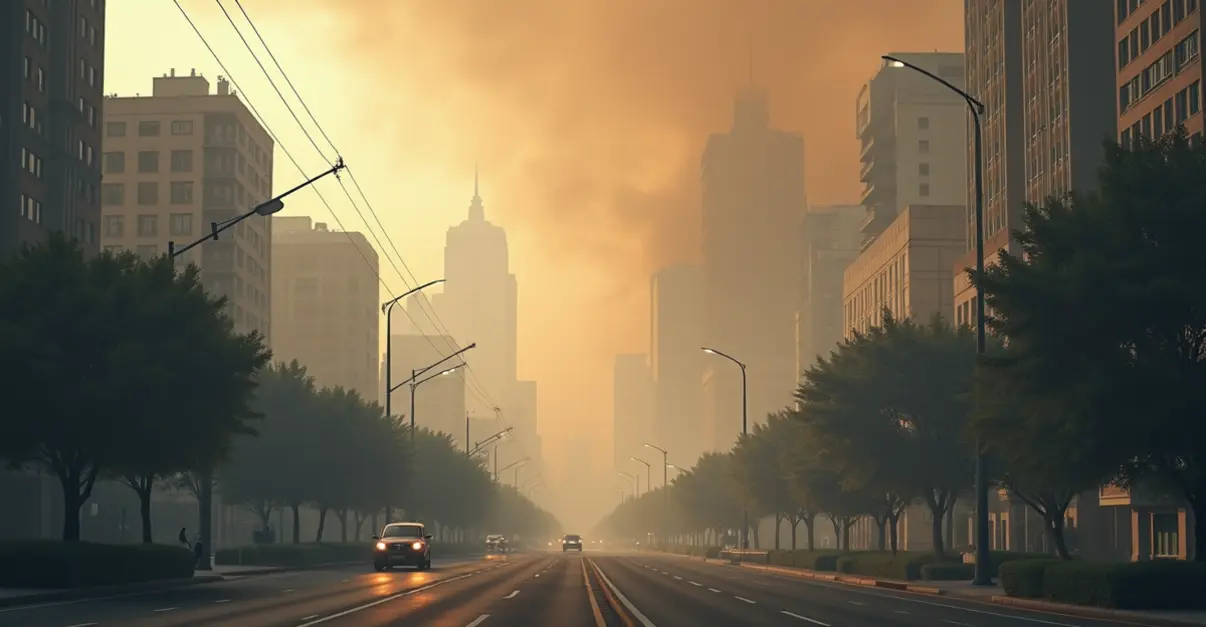
Across the United States, school districts are implementing emergency closures as air quality reaches hazardous levels, triggering health advisories and forcing administrators to make difficult decisions about student safety. The situation has become particularly acute in regions affected by wildfire smoke, industrial pollution, and seasonal inversion patterns that trap pollutants close to the ground.
'We're facing a public health emergency that requires immediate action,' says Dr. Sarah Chen, a pediatric pulmonologist at Children's Hospital. 'When the Air Quality Index (AQI) exceeds 200, we're seeing increased emergency room visits for asthma attacks and respiratory distress, especially among children with pre-existing conditions.'
Source Control and Temporary Measures
Health authorities are recommending a multi-pronged approach that includes both source control and temporary protective measures. The EPA's Indoor Air Quality Tools for Schools program provides comprehensive resources to help schools create healthier learning environments. This includes guidance on ventilation improvements, air filtration systems, and protocols for monitoring indoor air quality.
According to a 2026 report from the American Lung Association, schools implementing proper indoor air quality management have seen significant reductions in absenteeism and improvements in academic performance. The report outlines ten key recommendations, including requiring IAQ management plans with annual assessments, implementing ventilation standards, and establishing health safety protocols.
Decision-Making Protocols
Several states have developed specific guidance for school administrators. Washington State's Department of Health published an August 2025 document outlining decision-making criteria for school closures during wildfire smoke events. The guidance includes specific AQI thresholds that trigger different levels of response, from modifying outdoor activities to complete school closures.
'We follow a tiered approach based on real-time monitoring data,' explains Michael Rodriguez, superintendent of a California school district that has implemented these protocols. 'When AQI reaches 151-200 (unhealthy), we cancel all outdoor activities. At 201-300 (very unhealthy), we consider early dismissal. Anything above 300 triggers immediate closure discussions with local health authorities.'
Long-Term Solutions and Challenges
While temporary closures address immediate health risks, experts emphasize the need for long-term solutions. The EPA's 2025 Best Practices Guide for improving indoor air quality during wildland fire smoke focuses on HVAC enhancements, building adjustments, and air monitoring systems. ASHRAE Guideline 44 (2024) offers building-specific recommendations to minimize health impacts from smoke exposure.
However, implementation faces significant challenges. Many older school buildings lack modern ventilation systems, and budget constraints limit upgrades. 'We're trying to retrofit buildings that were constructed decades ago,' says Maria Gonzalez, facilities director for a large urban district. 'The cost of installing proper filtration systems across hundreds of classrooms is staggering, but we can't afford not to protect our students.'
Community Impact and Equity Concerns
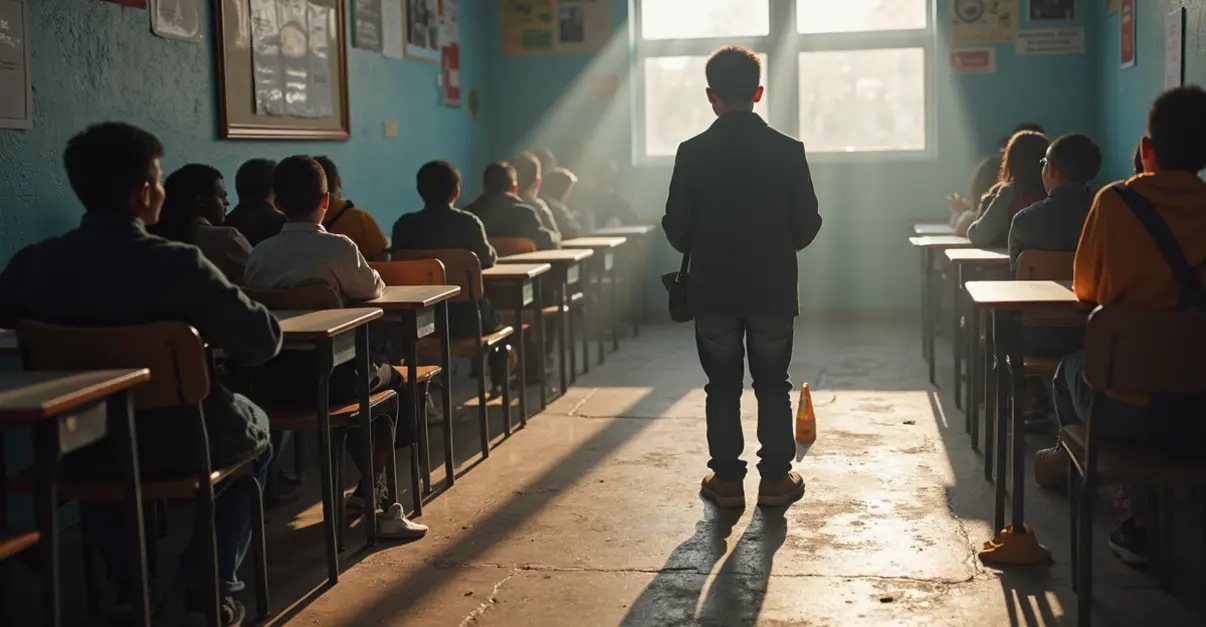
The closures have ripple effects throughout communities. Working parents must find last-minute childcare, school meal programs are disrupted, and students miss critical instructional time. These impacts are felt most acutely in low-income communities where parents may have less workplace flexibility and students rely more heavily on school services.
'This isn't just an environmental issue—it's an equity issue,' notes education policy analyst James Wilson. 'Schools in wealthier districts can afford air purification systems and continue operations, while schools in disadvantaged communities are forced to close more frequently, widening educational gaps.'
The California Department of Education provides comprehensive guidance for schools to manage air quality during disasters and emergencies, offering practical recommendations for protecting student health when air quality is compromised.
Looking Ahead
As climate change increases the frequency and intensity of wildfire seasons and other pollution events, experts predict school closures due to poor air quality will become more common. Some districts are exploring innovative solutions, including portable air filtration units, temporary cleaner air shelters, and hybrid learning models that allow students to learn remotely during pollution events.
'We need to treat air quality as the critical infrastructure issue it is,' concludes Dr. Chen. 'Just as we wouldn't send children to school without clean water or safe buildings, we shouldn't expect them to learn in environments with hazardous air. This requires investment, planning, and a fundamental shift in how we prioritize environmental health in education.'

Follow Discussion