


 Deutsch
 English
 Español
 Français
 Nederlands
 Português


 Share
Share




Europol Operation: 337 Arrests in Global Waste Trafficking Crackdown
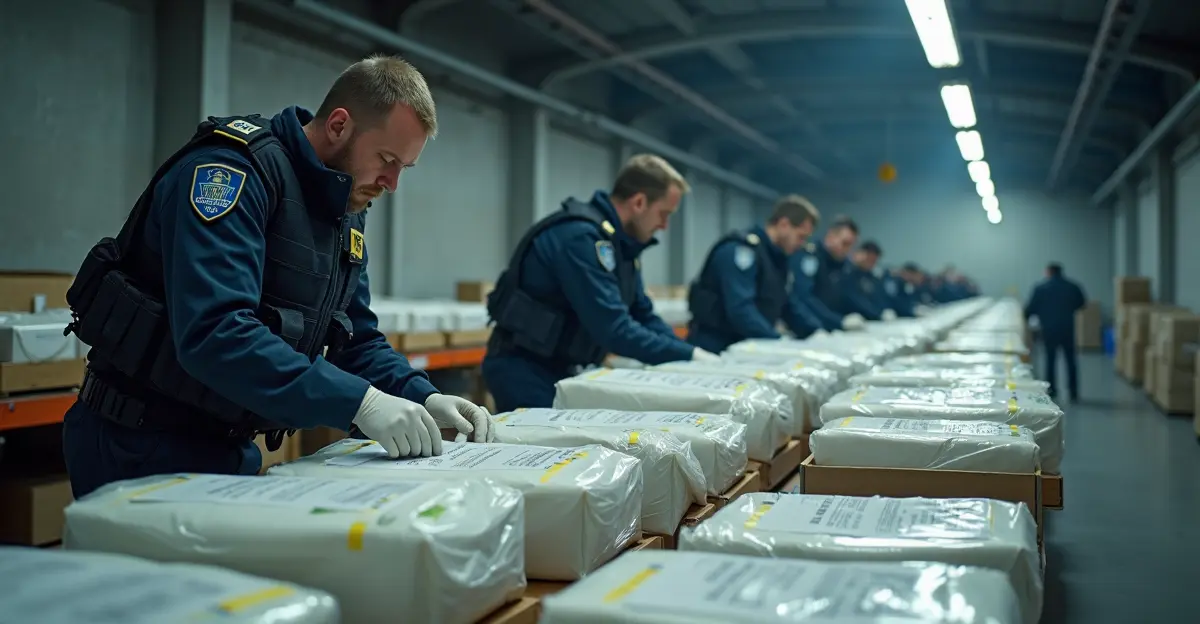
In a landmark international law enforcement operation, Europol has announced the arrest of 337 individuals across 70 countries for their involvement in illegal waste trafficking and dumping. The year-long operation, codenamed 'Custos Viridis,' represents the largest-ever coordinated global effort against environmental crime, resulting in the seizure of over 127,000 tons of hazardous waste with an estimated value of tens of millions of euros.
What is Operation Custos Viridis?
Operation Custos Viridis (Latin for 'Green Guardian') was a comprehensive international law enforcement initiative conducted throughout 2025, targeting criminal networks involved in environmental crimes and illegal waste trafficking. The operation involved 71 countries and multiple international organizations, with Europol establishing a coordination hub for real-time intelligence sharing and providing on-the-ground support to national teams. The operation's scale and coordination mark a significant advancement in global environmental crime enforcement capabilities.
Key Findings and Seizures
The operation uncovered sophisticated criminal networks trafficking waste materials across continents, with authorities seizing massive quantities of hazardous materials:
- 127,149 tons of waste including autowrecks, scrap metal, plastics, textiles, solar panels, tires, and electronic waste
- 602 tons of polluting agents including 398 tons of fluorinated greenhouse gases (F-gases)
- 75 tons of plant protection products and pesticides
- 2.3 tons of mercury, a highly toxic heavy metal
- Over €10 million in cash and financial assets
Illegal Trade Routes and Environmental Impact
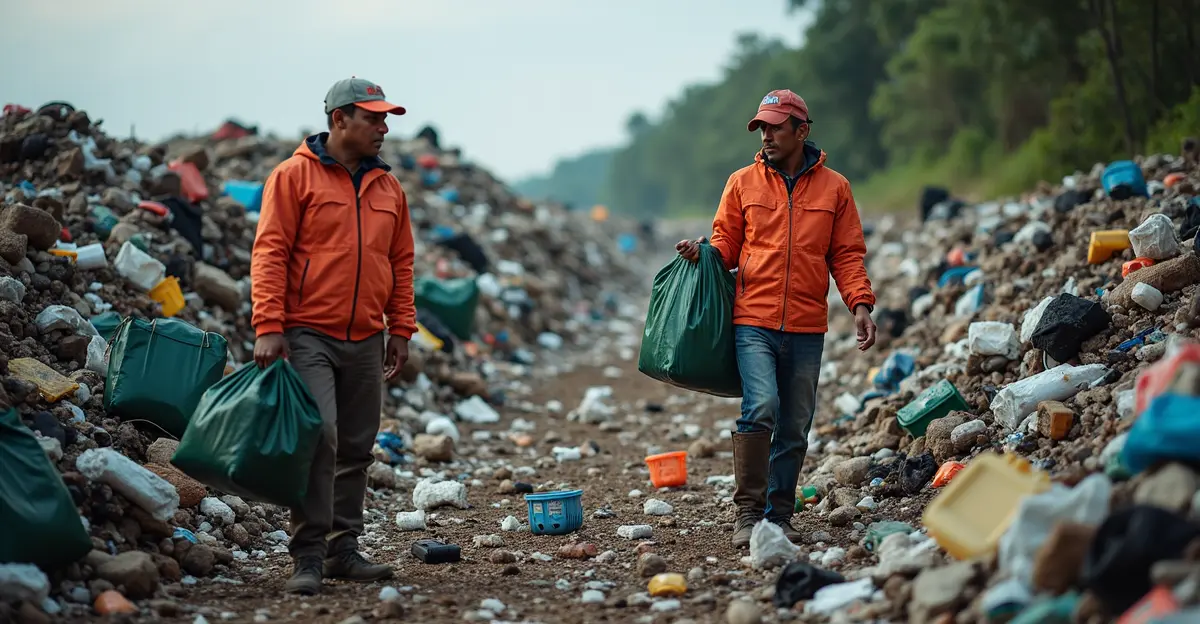
The investigation revealed established trafficking routes with waste flowing from Europe to Africa, Asia, and Latin America, while illegal F-gases entered the European Union from Asia through Western borders or North Africa. 'The illegal transport and dumping of hazardous waste and polluting substances has major consequences for the environment, including long-term pollution of soil and water,' stated Europol in their official announcement. 'These criminal networks show no consideration for the environment and society.'
Environmental Crime: A Growing Global Threat
Environmental crime has emerged as one of the fastest-growing criminal enterprises worldwide, with illegal waste trafficking generating substantial profits for organized crime groups. The operation revealed that the illicit F-gas trade alone was valued at €15-20 million (approximately $17-23 million), while overall waste trafficking profits were estimated at €36 million. These criminal activities often involve document fraud, corruption, and money laundering, with authorities seizing firearms, properties, and businesses during the operation.
How Does Illegal Waste Trafficking Work?
Criminal networks exploit regulatory differences between countries and use sophisticated methods to conceal their activities:
- False Documentation: Creating fraudulent paperwork to disguise hazardous waste as legitimate shipments
- Route Manipulation: Using complex shipping routes to avoid detection
- Corruption: Bribing officials to overlook violations or facilitate illegal shipments
- Money Laundering: Concealing profits through legitimate businesses and financial systems
Global Cooperation and Enforcement
The operation demonstrated unprecedented international cooperation, with 1,048 inspections conducted worldwide. The United States Department of Justice participated significantly, securing the southern border against smuggling of hydrofluorocarbons and illegal pesticides, resulting in 21 arrests, over 21 months of prison sentences, and $4.2 million in restitution. The Netherlands was among the countries leading the operation's coordination, highlighting the European Union's environmental protection efforts against transnational crime.
Environmental and Health Implications
The seized materials pose serious environmental and health risks. F-gases, primarily used in refrigeration and air conditioning systems, have a global warming potential thousands of times greater than carbon dioxide. Mercury contamination can cause severe neurological damage, while illegal pesticides can contaminate food chains and water supplies. The operation prevented these hazardous materials from entering ecosystems where they could cause long-term environmental damage and public health crises.
Future of Environmental Crime Enforcement
The success of Operation Custos Viridis signals a new era in environmental law enforcement. Europol has gained valuable intelligence about trafficking patterns and criminal methodologies that will inform future operations. The operation's findings will likely lead to strengthened regulations and enhanced international cooperation to combat transnational organized crime networks exploiting environmental vulnerabilities for profit.
Frequently Asked Questions
What is illegal waste trafficking?
Illegal waste trafficking involves the unauthorized transport, disposal, or trade of waste materials in violation of national and international environmental regulations. This includes hazardous waste, electronic waste, and materials that should be properly recycled or disposed of through regulated channels.
Why is environmental crime increasing?
Environmental crime offers high profits with relatively low risks compared to other criminal activities. Weak enforcement in some regions, regulatory differences between countries, and the growing volume of waste generated globally create opportunities for criminal networks to exploit.
What are F-gases and why are they dangerous?
F-gases (fluorinated greenhouse gases) are synthetic gases used in refrigeration, air conditioning, and heat pumps. They have extremely high global warming potential—up to 23,000 times greater than carbon dioxide—and their illegal trade contributes significantly to climate change.
How can individuals help combat illegal waste dumping?
Individuals can help by properly disposing of waste through authorized channels, reporting suspicious dumping activities to authorities, supporting legitimate recycling programs, and being aware of the environmental impact of improper waste disposal.
What happens to the seized waste materials?
Seized waste materials are typically processed through proper environmental channels, including safe disposal, recycling, or destruction according to environmental regulations to prevent further harm to ecosystems and public health.




Follow Discussion