


 Deutsch
 English
 Español
 Français
 Nederlands
 Português


 Share
Share




A devastating Spain mudslide killed two women and injured two babies when a flash flood swept through a wine cellar in the mountain village of Manzanedo de Valdueza, León province, on Saturday, August 15, 2026. The victims, aged 60 and 80, were sheltering in the bodega with four relatives when torrential rain triggered a landslide that sent water and mud cascading down Calle de la Iglesia.
What happened in the Spain mudslide?
The storm struck shortly after 7:30 p.m. local time, with emergency services receiving calls at 19:38. Six people were inside the wine cellar when the floodwater arrived. The two women were confirmed dead, while two babies suffered minor contusions and were treated at the scene. A man over 80 who was initially reported missing was later found unharmed, and authorities confirmed no one remains unaccounted for.
The nearby village of Bouzas also experienced flooding that swept away vehicles, though no injuries were reported there. Roads near Peñalba de Santiago were damaged, leaving several communities temporarily isolated.
Why did the landslide occur?
Officials have linked the disaster to a combination of intense summer storms and the legacy of last year's severe wildfires. The fires stripped mountain slopes of stabilizing vegetation, increasing the risk of mudslides during heavy rain. Wildfire recovery and flood risk have become a growing concern across the Iberian Peninsula.
“The fires stripped the slopes of vegetation, leaving them unstable when the heavy rain arrived,” a regional emergency spokesperson said.
León province, part of the Castile and León region in northwestern Spain, is known for its mountainous terrain and traditional bodegas — underground wine cellars often used as shelters during hot weather. In this case, the shelter became a trap when water and debris filled the cellar.
Rescue operation and damage
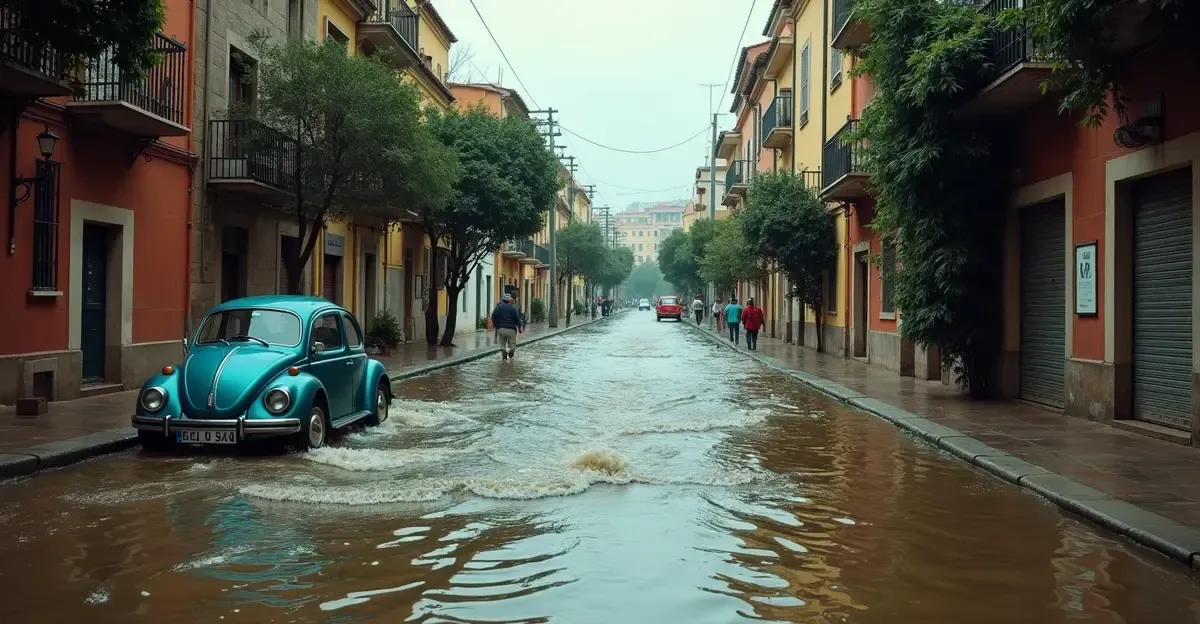
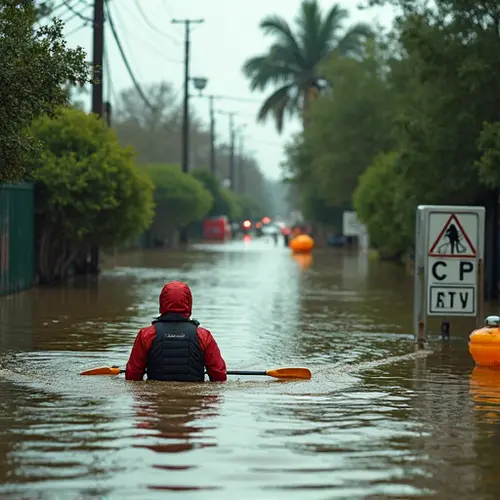
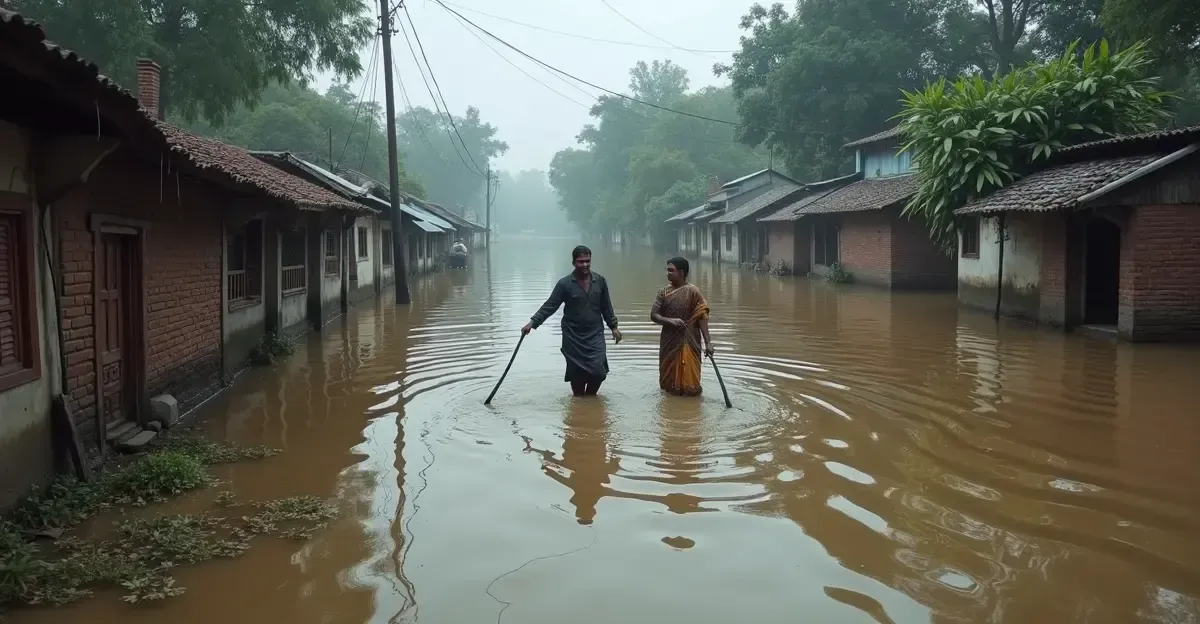
After the alarm was raised, firefighters, police, medical teams, and a rescue helicopter were deployed to the remote village, which has only about 20 residents. Photographs from the scene show the village covered in mud and stones, with cars dragged through the streets by the force of the flow. This rescue operation was similar to mountain village flood rescues seen in other parts of Europe.
Emergency crews worked through the night to search for survivors and assess damage. The village remained in mourning on Sunday, with local media describing a community in shock after the loss of two elderly residents.
What are the wider implications?
The Spain mudslide is the latest in a series of extreme weather events affecting the country this summer. Seven regions were placed on yellow alert for storms over the weekend. Experts warn that climate change is increasing the frequency and intensity of such flash floods in mountainous areas, particularly after wildfires have degraded the landscape.
Similar incidents have raised questions about Spain's flood warning systems and the safety of underground cellars during extreme weather. Local authorities are reviewing whether additional barriers or evacuation protocols are needed for vulnerable villages.
FAQ: Spain mudslide in León
How many people died in the Spain mudslide?
Two women, aged 60 and 80, died in the mudslide in Manzanedo de Valdueza.
Where did the mudslide happen?
The mudslide struck Manzanedo de Valdueza, a village in León province, Castile and León, northwestern Spain.
What caused the flash flood?
Torrential rain from a summer storm triggered a landslide on mountain slopes weakened by previous wildfires.
Were there other injuries?
Two babies suffered minor injuries and were treated, while a man over 80 was found unharmed after being initially reported missing.
Is there still a flood risk in Spain?
Seven Spanish regions remained under yellow storm alerts, with authorities warning of further flash flooding in mountainous areas.
Follow Discussion