


 Deutsch
 English
 Español
 Français
 Nederlands
 Português


 Share
Share




Spain flash floods have killed a 102-year-old woman in the southeastern town of Madrigueras, where 142 millimetres of rainfall triggered major flooding and a large-scale rescue operation on Friday, 2 October 2026. Emergency crews recovered the woman's body from her home after floodwater rose to more than one metre, while around 90 people were rescued across the municipality near Albacete in Castilla-La Mancha.
What Happened in Madrigueras?
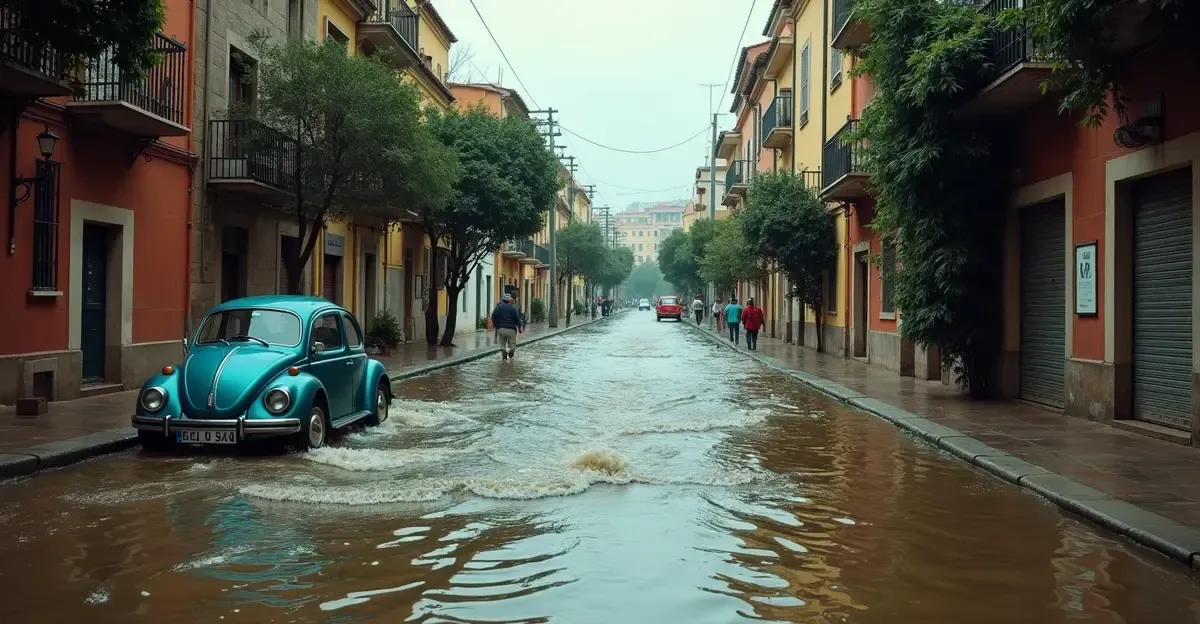
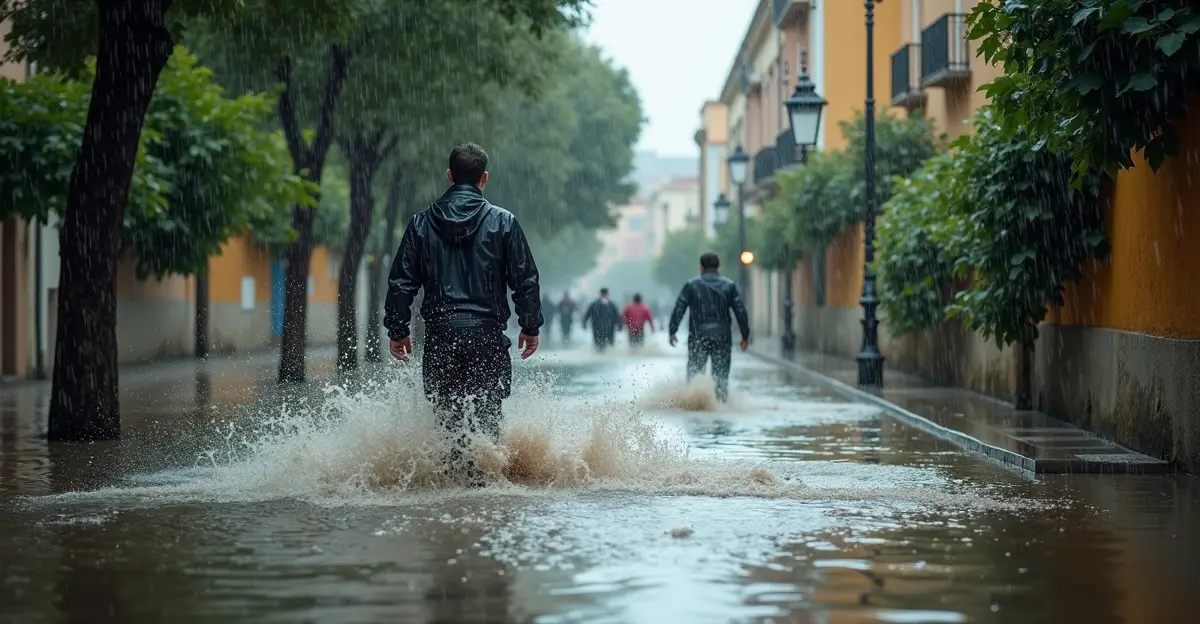
Madrigueras, a town of 4,760 residents, was inundated after a torrential downpour that delivered 142 litres of rain per square metre in roughly two and a half hours, according to regional authorities. The rapid accumulation turned streets into rivers, swept vehicles away, and cut roads. The victim, a 102-year-old woman, was found dead inside her residence; local media reported the water level exceeded one metre. The flooding comes after Spain experienced its hottest summer on record, with nearly 2,150 heat-related deaths recorded in August alone.
The disaster has drawn comparisons to the Valencia DANA floods of 2024, which killed 232 people and highlighted vulnerabilities in Spain's flash flood preparedness.
Rescue Operation and Emergency Response
Regional authorities activated Operational Situation 1 of the METEOCAM severe-weather plan, mobilising fire services, the Civil Guard, Red Cross, and GEACAM teams. Around 90 people were rescued, most of them trapped in their homes as water levels rose quickly. The town's health centre was flooded, forcing medical services to relocate temporarily. By Saturday, crews had shifted from rescue to recovery, clearing debris and damaged vehicles while the Level 1 emergency remained in force.
The coordinated response mirrors protocols used during recent Mediterranean flash flood rescues across southern Europe.
Why Did the Flash Floods Happen?
Meteorologists attribute the extreme rainfall to a pattern of intense storms hitting southeastern and northeastern Spain after an exceptionally hot summer. Prime Minister Pedro Sánchez said, "The persistent torrential rains of recent hours have caused serious damage in many parts of our country. Last night was especially hard in Madrigueras." He added that the government is monitoring the situation and urged residents to follow official emergency guidance. Forecasters warn that unstable weather may continue, with a possible DANA (isolated high-altitude depression) forming over western Spain and bringing widespread storms through the weekend.
Climate scientists increasingly link such events to warming Mediterranean sea temperatures, which can intensify rainfall.
Impact and Ongoing Weather Alerts
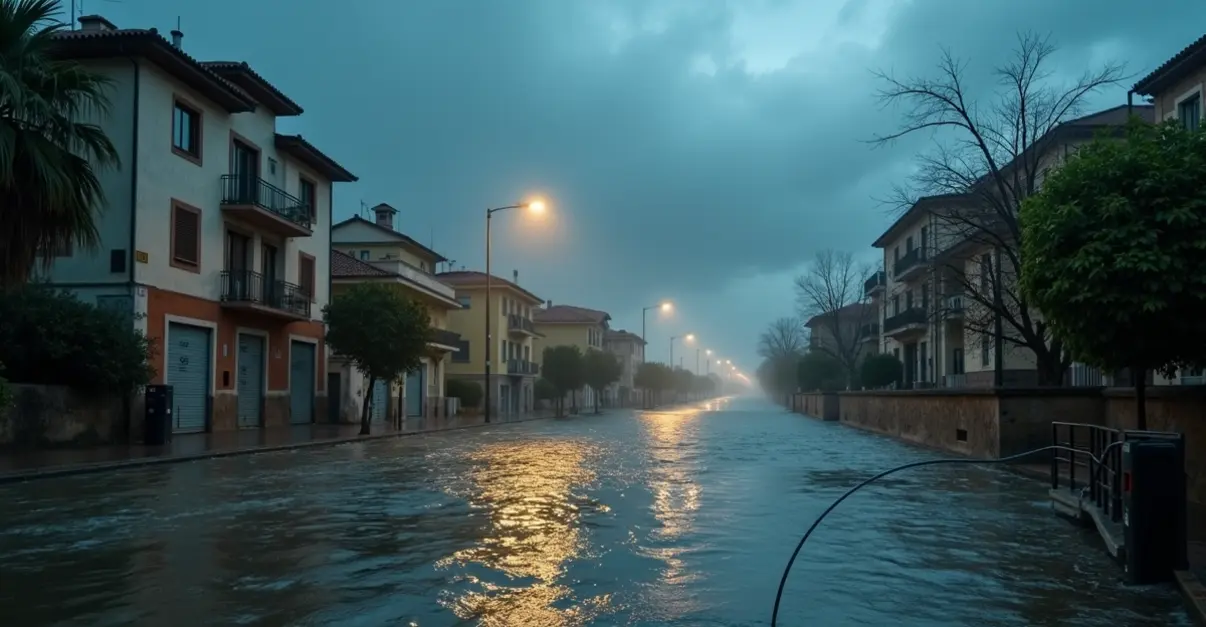
Heavy rain also affected Tarragona, Castellón, and parts of the Costa Blanca, with orange alerts issued for Valencia, Murcia, the Balearic Islands, Almería, Granada, and Albacete. AEMET, Spain's meteorological agency, warned that around 15 autonomous communities could be affected by torrential downpours and storms. On Saturday, a red alert was possible for the Tarragona coast due to further torrential rain, while Sunday could see a DANA develop over western Spain, spreading storms across large areas. Only Galicia's coast and the Canary Islands are expected to remain largely unaffected.
FAQ
What caused the Madrigueras flash floods?
A torrential storm dumped 142 mm of rain in about 2.5 hours, overwhelming drainage and causing rapid flooding.
How many people were rescued?
Approximately 90 people were rescued, most trapped in their homes, according to regional authorities.
Where is Madrigueras located?
Madrigueras is a town of 4,760 inhabitants in the province of Albacete, Castilla-La Mancha, southeastern Spain.
Is more heavy rain expected in Spain?
Yes, weather alerts remain in place, with further torrential rain possible along the Tarragona coast and a DANA forming over western Spain on Sunday.



Follow Discussion