


 Deutsch
 English
 Español
 Français
 Nederlands
 Português


 Share
Share




Antarctica Shatters Winter Temperature Record: 20°C Above Normal
On June 6, 2026, the Argentinian Esperanza Base on the Antarctic Peninsula recorded a staggering temperature of 15.4°C (59.7°F), marking the highest winter temperature ever measured on the continent. The reading, which is approximately 20°C above the seasonal average of -6.2°C, has left climate scientists alarmed and underscores the accelerating impact of global warming on Earth's most remote and sensitive region.
The previous winter record of 13.3°C, set in 1998, was shattered by more than 2°C. Other Argentine research stations also recorded extreme anomalies: Marambio Base hit 11.8°C (far above its June average of -10.7°C), and San Martin Base reached 9.4°C. The Antarctic climate crisis is intensifying at an unprecedented pace.
Context: A Continent in Unprecedented Warmth
Antarctica is currently in the depths of austral winter, when temperatures typically plummet to well below freezing. The fact that the Esperanza Base recorded above-zero temperatures for three consecutive weeks is extraordinary. Climatologist Raul Cordero of the University of Groningen described the event as "absolutely crazy", adding that "this is a huge anomaly that confirms a worrying trend."
This winter heatwave follows a pattern of extreme temperature events in Antarctica. In July-August 2024, parts of East Antarctica experienced temperatures up to 28°C above average, driven by a weakening of the polar vortex that allowed warm, moisture-rich air to penetrate deep into the continent. Research published in npj Climate and Atmospheric Science found that human-caused climate change made that heatwave both stronger and more likely, and that such events could become up to 20 times more frequent by the end of the century under high emissions scenarios.
Landscape Transformation: From White to Brown
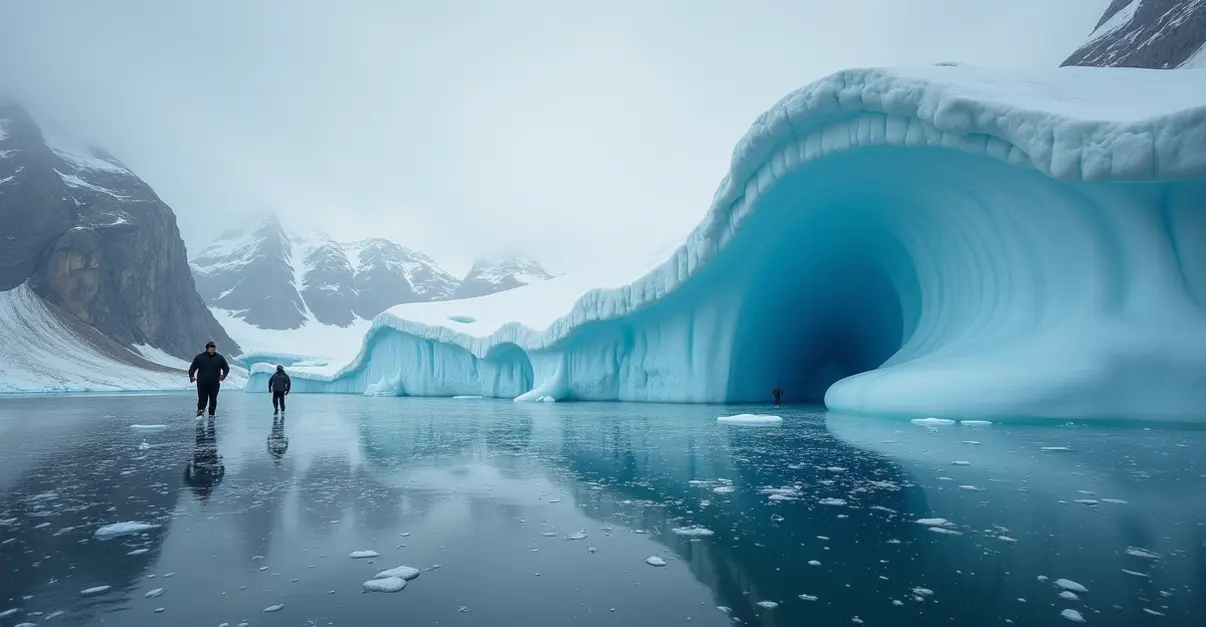
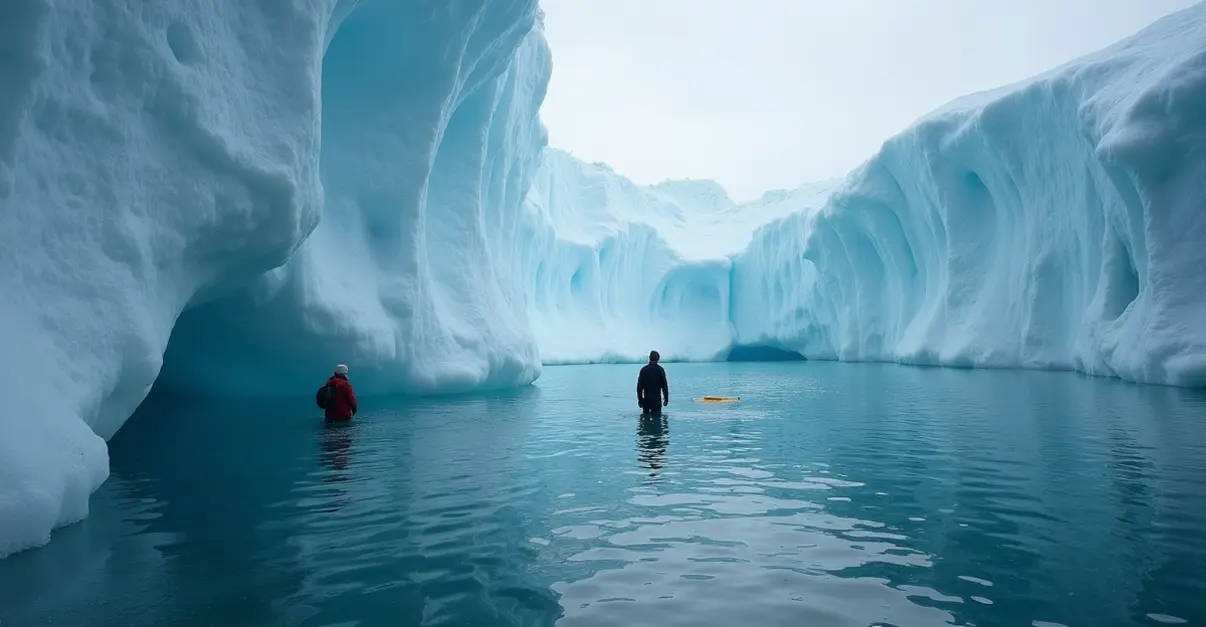
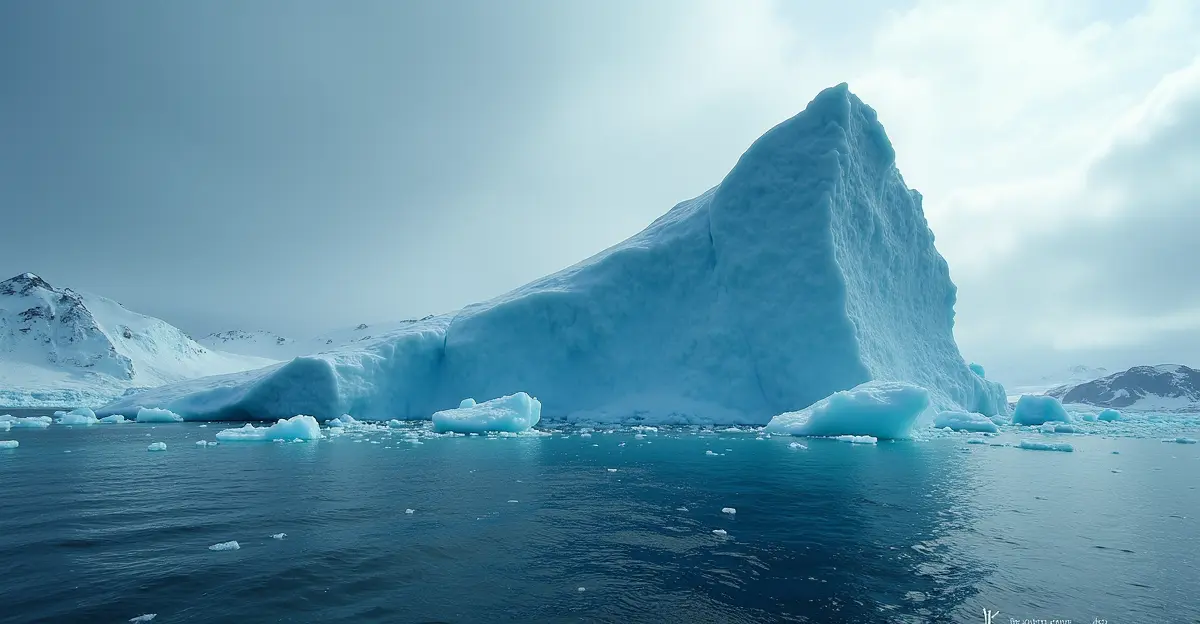
The most visible impact of the heatwave is the dramatic transformation of the Antarctic landscape. On King George Island, glaciologist Luis Muñoz observed that the usual 20 cm of snow cover has completely disappeared. "The landscape has changed from predominantly white to brown, grey and green," he told The Guardian. Rain has been falling on the Collins glacier at 500 meters altitude, causing melting that should not occur during winter. Large areas of the northern Antarctic Peninsula are now completely ice-free — an unusual scene that researchers say is deeply concerning.
Ecosystem Impacts: Penguins and Krill at Risk
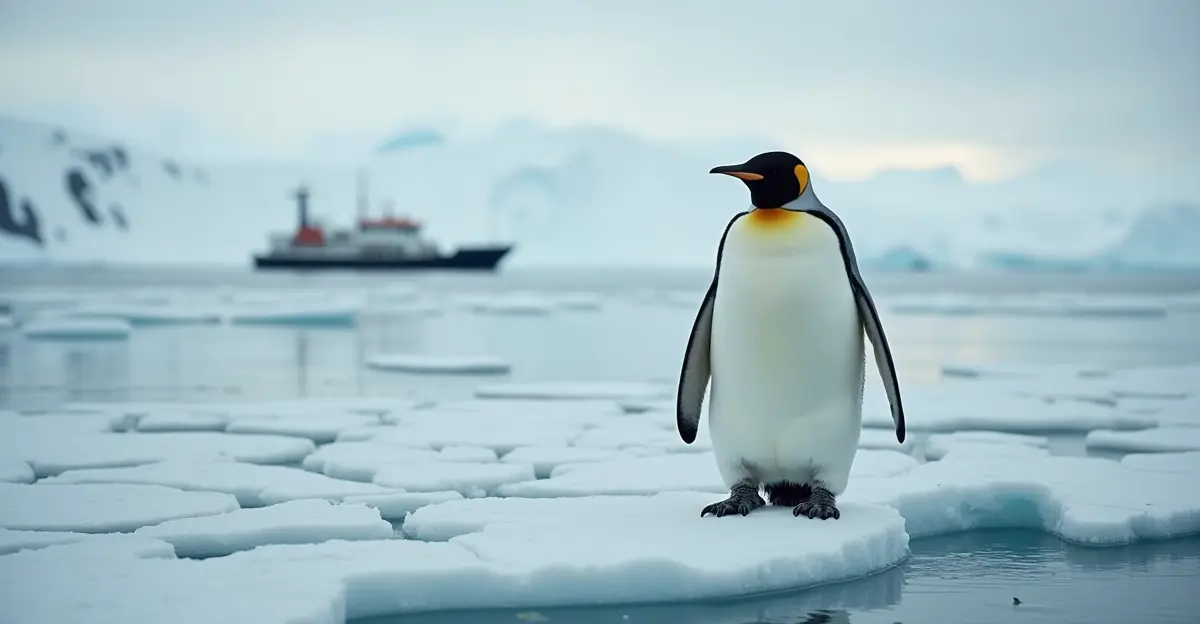
The extreme warmth is having cascading effects on Antarctica's fragile ecosystems. Penguin colonies are particularly vulnerable, as their reproductive cycles depend on stable snow and ice conditions. Heavy rains can flood nests and increase chick mortality. The melting also threatens krill populations — the foundation of the Antarctic food chain — which rely on sea ice for habitat. A recent study warns that under the highest emissions scenario, sea ice could decline by 20%, endangering krill, whales, and penguins alike. The penguin colony threats from warming are becoming increasingly severe.
Global Implications: Sea Level Rise and Ocean Circulation
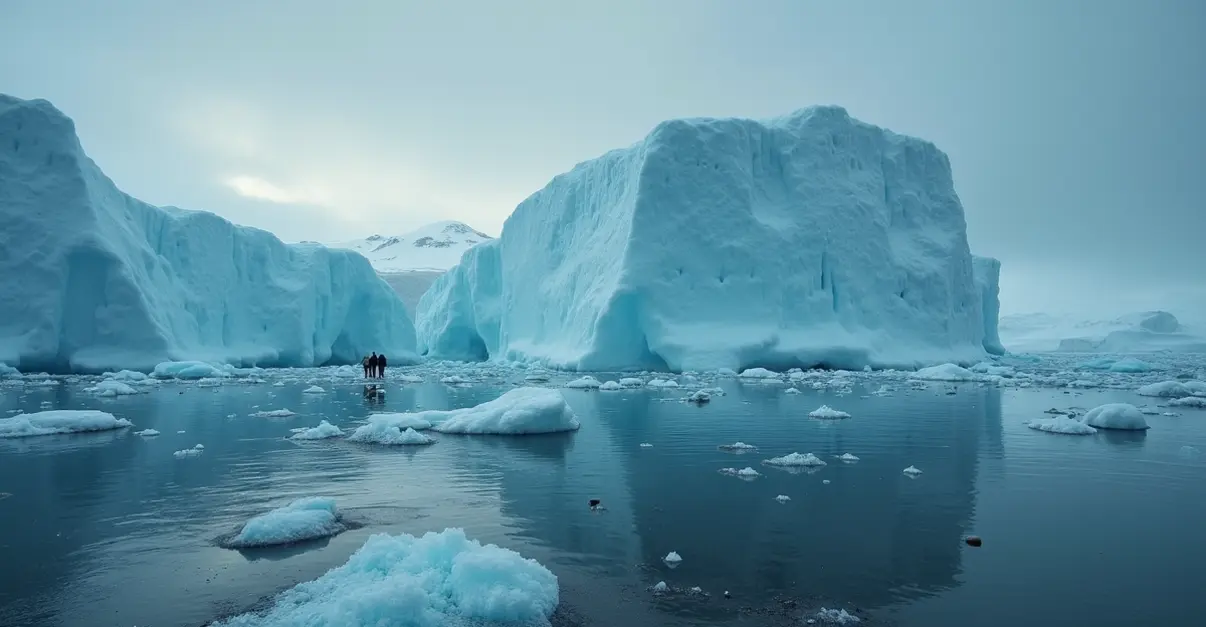
What happens in Antarctica does not stay in Antarctica. The continent's ice sheet holds enough water to raise global sea levels by approximately 58 meters if fully melted. While that scenario is centuries away, scientists warn that major glaciers like Thwaites and Pine Island may be approaching tipping points. A collapse of these glaciers alone could raise sea levels by four meters over the coming centuries. Additionally, the influx of fresh meltwater into the Southern Ocean is slowing down critical ocean circulation patterns, which regulate global climate and weather systems. The Thwaites Glacier collapse risk is a major concern for coastal communities worldwide.
Chilean researcher Luis Muñoz emphasized: "There is credible evidence that climate change is playing a role. But it is complex." Scientists are planning further research to better understand Antarctica's changing climate and its feedback loops.
Frequently Asked Questions
What was the previous winter temperature record for Antarctica?
The previous record for the highest winter temperature in Antarctica was 13.3°C, set in 1998 at the Esperanza Base.
How much warmer than normal is this new record?
The June 6, 2026 temperature of 15.4°C is about 20°C above the seasonal average for this time of year.
Why is this winter heatwave happening?
Scientists attribute the event to a combination of natural atmospheric variability (weakening of the polar vortex allowing warm air intrusion) and human-caused climate change, which makes such extreme events more likely and more intense.
What are the main impacts of this heatwave?
The heatwave is causing rapid snow and ice melt, transforming the landscape, threatening penguin colonies and krill populations, and contributing to global sea level rise and disruption of ocean currents.
Could this happen again?
Yes. Research indicates that under continued high emissions, extreme winter warming events in Antarctica could become up to 20 times more frequent by the end of the century.

Follow Discussion