


 Deutsch
 English
 Español
 Français
 Nederlands
 Português


 Share
Share




New Research Shows Antarctica Undergoing 'Abrupt Changes' with Far-Reaching Consequences
A groundbreaking study published in Nature has revealed that Antarctica is experiencing alarming 'abrupt changes' with profound implications for global sea levels, climate systems, and coastal communities worldwide. The research, led by Professor Nerilie Abram, documents multiple rapid environmental transformations already underway in the Southern Ocean region, painting a concerning picture of accelerating climate impacts.
Accelerating Ice Loss and Sea Level Rise
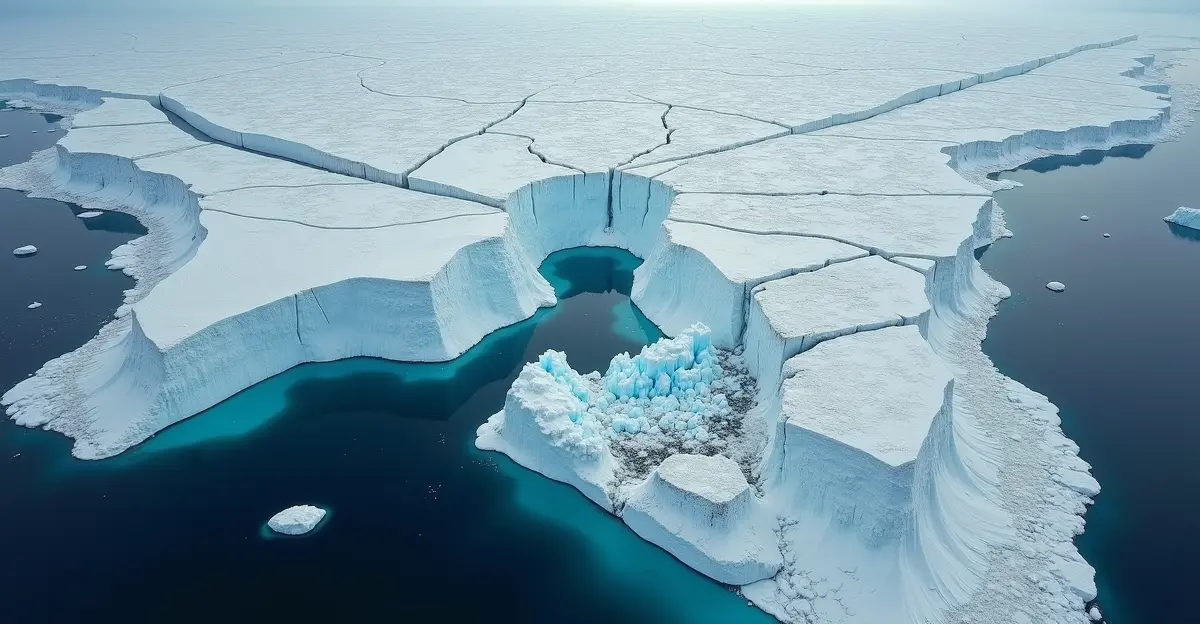
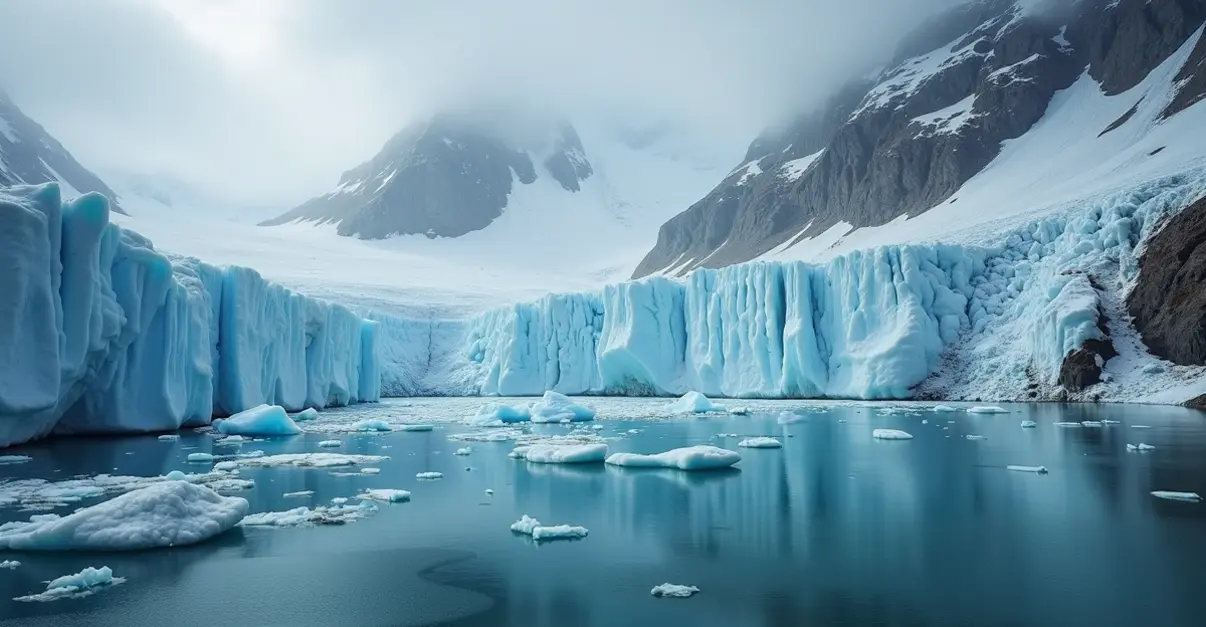
The study confirms that Antarctic sea ice has been shrinking at double the rate of Arctic ice since 2014, while ice loss from the continent has increased sixfold since the 1990s. 'What we're witnessing in Antarctica isn't gradual change—it's a cascade of interconnected abrupt shifts that will affect every corner of the globe,' explains Professor Abram. The West Antarctic Ice Sheet alone contains enough ice to raise global sea levels by over 5 meters, and current projections suggest Antarctica could contribute around 11 centimeters to sea level rise by 2100 under current trajectories.
According to the Australian Antarctic Division report, the Antarctic Overturning Circulation—a vital ocean current system that regulates Earth's climate—is slowing down at twice the rate of its North Atlantic counterpart. This weakening has global implications for heat distribution and marine ecosystems.
Policy Implications and Economic Consequences
The economic impacts of Antarctic ice melt are staggering. Research published in PMC shows that coastal impacts are highly heterogeneous, with Small Island Developing States facing the largest costs relative to GDP. The study demonstrates that proactive coastal planning could reduce total costs by roughly an order of magnitude compared to no adaptation scenarios.
'The social cost of carbon increases by an expected 7% on low to medium emissions scenarios due to Antarctic ice melt alone,' notes climate economist Dr. Maria Chen. 'This represents trillions in potential economic damage that markets haven't fully priced in.' Financial markets are beginning to respond, with insurance premiums rising in vulnerable coastal areas and real estate values declining in flood-prone regions.
Community Impacts and Adaptation Challenges
Approximately 750 million coastal residents worldwide face direct threats from accelerated sea level rise. Coastal communities from Miami to Mumbai, from Rotterdam to Rio de Janeiro must now confront the reality of more frequent flooding, saltwater intrusion into freshwater supplies, and infrastructure damage.
The ScienceAlert report highlights that emperor penguins face potential extinction by 2100 due to habitat loss, while Antarctic krill populations—a foundation species for Southern Ocean ecosystems—are declining as their food sources diminish. These ecological changes have ripple effects throughout global food chains.
Scientific Uncertainties and Future Projections
A Science journal article examines the 'deep uncertainty' surrounding Antarctic ice loss projections for 2025 and beyond. Key uncertainty drivers include ocean warming patterns affecting ice shelf melting, bedrock topography beneath ice sheets, and ice sheet dynamics at grounding lines.
'The West Antarctic Ice Sheet is particularly vulnerable to marine ice sheet instability,' explains glaciologist Dr. James Wilson. 'If this instability is triggered before 2100, it could add tens of centimeters to sea level rise beyond current projections.' According to Wikipedia data, the Antarctic ice sheet contains 26.5 million cubic kilometers of ice, equivalent to 61% of all fresh water on Earth.
Path Forward: Mitigation and Adaptation
Researchers emphasize that only rapid reduction of greenhouse gas emissions can prevent further abrupt changes, though much disruption is already locked in. The study calls for urgent global action to achieve net zero emissions by mid-century to limit warming to 1.5°C and reduce irreversible impacts.
Coastal nations must accelerate adaptation measures including sea walls, managed retreat from vulnerable areas, and infrastructure redesign. International cooperation on climate finance and technology transfer to developing nations will be crucial for equitable adaptation.
'We're at a critical juncture where every fraction of a degree matters,' concludes Professor Abram. 'The choices we make in the next decade will determine whether we face manageable adaptation challenges or catastrophic consequences for generations to come.'

Follow Discussion