


 Deutsch
 English
 Español
 Français
 Nederlands
 Português


 Share
Share




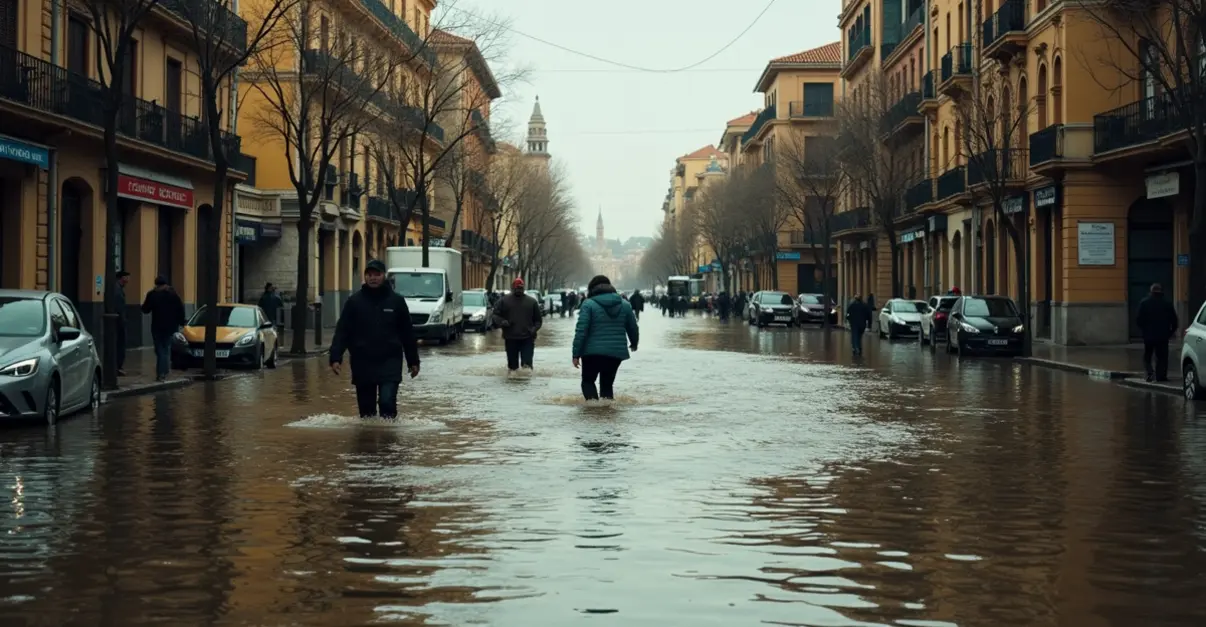
Extreme rainfall overnight on 22–23 August 2026 triggered severe Costa Dorada floods in Catalonia, Spain, leaving at least 11 people injured and forcing around 400 evacuations. According to Spanish newspaper El País, some locations between Barcelona and Tarragona recorded up to 200 litres of rain per square metre in just hours, overwhelming drainage systems and turning streets into torrents.
What happened during the Costa Dorada floods?
The coastal town of Roda de Berà, about 70 km southwest of Barcelona, was among the hardest hit. A wall at a home near the marina collapsed, injuring three family members, one seriously. Across the affected area, emergency services transported 11 injured people to hospitals, El País reported. The Catalonia flooding emergency response was activated after more than 700 calls to the regional fire brigade.
Evacuations from campsites and a nightclub
A campsite in Roda de Berà was flooded, forcing firefighters to move about 300 guests to a local sports hall. In nearby El Vendrell, roughly 100 young people were evacuated from a nightclub and taken to a school building. A second campsite, Las Sirenas, also saw evacuations, according to local reports. “The rains were unprecedented for this area,” several mayors said, while authorities defended not sending a mass mobile alert because danger thresholds were not officially reached.
How much rain fell and what damage did it cause?
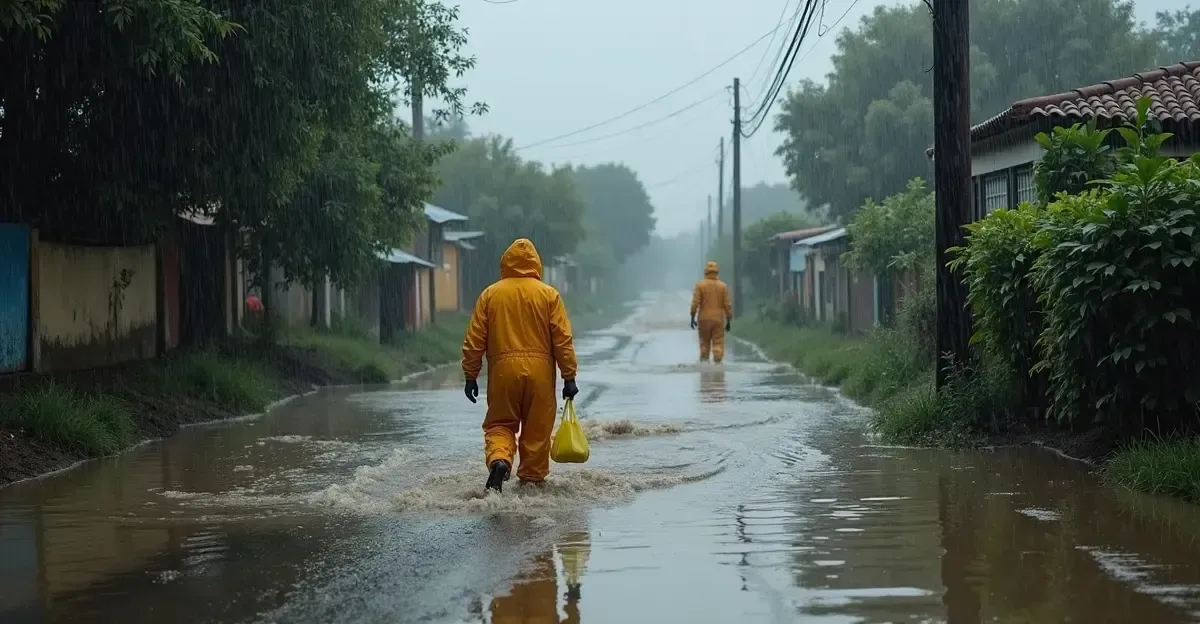
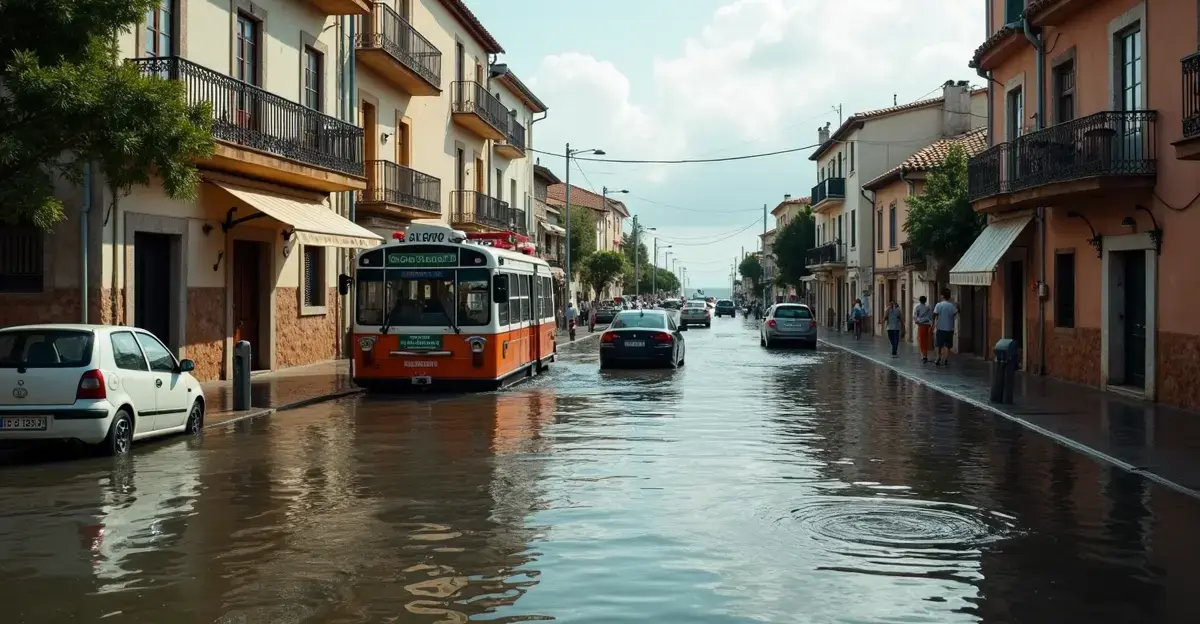
Rainfall exceeded 200 litres per square metre between 3:00 and 5:00 a.m., peaking during the night. Roads and tunnels flooded, leaving motorists trapped in vehicles; Civil Protection deployed 4x4 units to reach submerged areas. The N-340 and AP-7 roads were partially closed, and eight Rodalies commuter rail lines were suspended due to flooding at Sant Vicenç de Calders station. The Spain extreme weather damage extended to homes and businesses, with cleanup beginning at dawn.
Regional rail and road disruption
Rail operator Renfe suspended eight Rodalies lines after tracks flooded at Sant Vicenç de Calders. Drivers on the N-340 and AP-7 faced closures and long delays. Authorities warned that more heavy rain could fall on 23 August, urging residents to avoid flood-prone areas. The Catalan government activated the Inuncat flood plan to coordinate response.
Why is Costa Dorada seeing such extreme rainfall?
Meteorologists link the event to a cut-off low pressure system that funnelled warm, moisture-laden Mediterranean air over Catalonia. This pattern, sometimes called a DANA or “cold drop,” can produce intense, short-duration downpours. The Mediterranean climate change risks are increasing as warmer seas hold more moisture, a concern echoed by climate scientists after recent ocean heat records in the Mediterranean.
Impact on tourism and local communities
Costa Dorada is a major summer tourism destination, home to beaches, campsites and the PortAventura World theme park. The floods struck during peak holiday season, stranding Dutch and other international tourists. The Costa Dorada travel safety advice now includes monitoring weather alerts, as local businesses assess damage to infrastructure and property.
Frequently asked questions (FAQ)
How many people were injured in the Costa Dorada floods?
At least 11 people were injured, including three family members trapped when a wall collapsed at Roda de Berà marina; one person was seriously hurt.
How much rain fell on Costa Dorada?
Some areas recorded around 200 litres per square metre overnight, peaking between 3:00 and 5:00 a.m. on 22–23 August 2026.
Where were evacuations ordered?
Evacuations took place in Roda de Berà (campsites) and El Vendrell (nightclub), with about 400 people moved to sports halls and schools.
Is train service affected?
Yes, eight Rodalies commuter rail lines were suspended due to flooding at Sant Vicenç de Calders station; roads including the N-340 and AP-7 were partially closed.
Will more rain hit Costa Dorada?
Authorities warned that further heavy rain was possible on 23 August and advised avoiding flood-prone areas.

Follow Discussion