


 Deutsch
 English
 Español
 Français
 Nederlands
 Português


 Share
Share




In early 2026, U.S. electricity demand is projected to hit a record ~4,250 billion kWh, driven largely by artificial intelligence workloads. Data centers—once a modest consumer of power—are now overwhelming electrical grids worldwide, triggering a structural crisis that utilities, regulators, and Big Tech are scrambling to address. The global AI energy crisis is no longer a forecast; it is an active bottleneck reshaping energy markets, tech strategy, and the future of the AI revolution itself.
The Scale of the Surge
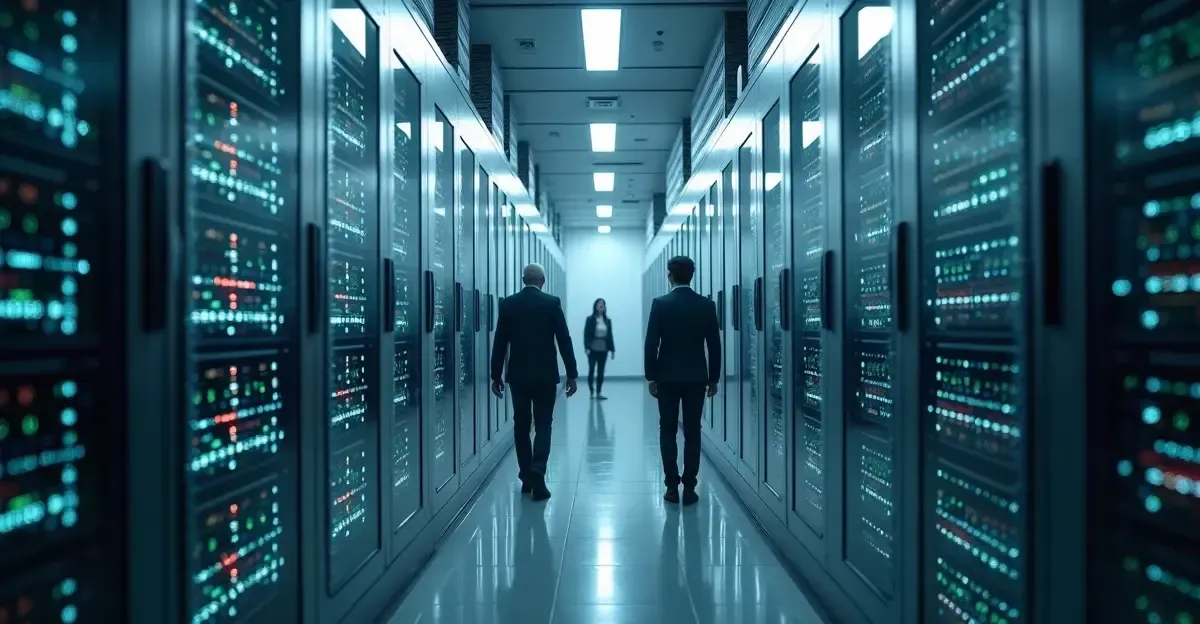
Global data center electricity consumption is on track to double by 2030, from roughly 415 TWh in 2024 to about 945 TWh—equivalent to Japan's entire power use. According to the International Energy Agency (IEA), data center electricity demand surged 17% in 2025 alone, far outpacing overall global electricity growth of 3%. AI-focused data center power use is set to triple by decade's end. The shift is driven by high-density GPU clusters that run continuously at near-peak utilization, pushing rack-level power draw from the traditional 10–15 kW past 40 kW and climbing.
Goldman Sachs forecasts a 165% increase in global data center power demand by 2030. In the United States, after two decades of sub-1% annual electricity demand growth, the grid is now facing a step-change. The PJM Interconnection—the nation's largest wholesale electricity market, covering 13 states including Pennsylvania, Ohio, Illinois, and New Jersey—has seen data centers account for 97% of its 5,250 MW peak load growth. Capacity market prices have skyrocketed from $28.92 per MW-day in the 2024–2025 auction to $333.44 per MW-day for 2027–2028, a more than tenfold increase that has hit the Federal Energy Regulatory Commission's price cap twice. The December 2025 auction revealed a critical 6,623 MW supply shortfall—the second consecutive shortfall—putting PJM on track for a potential emergency Reliability Backstop Auction.
Grid Bottlenecks: Transmission vs. Data Center Timelines
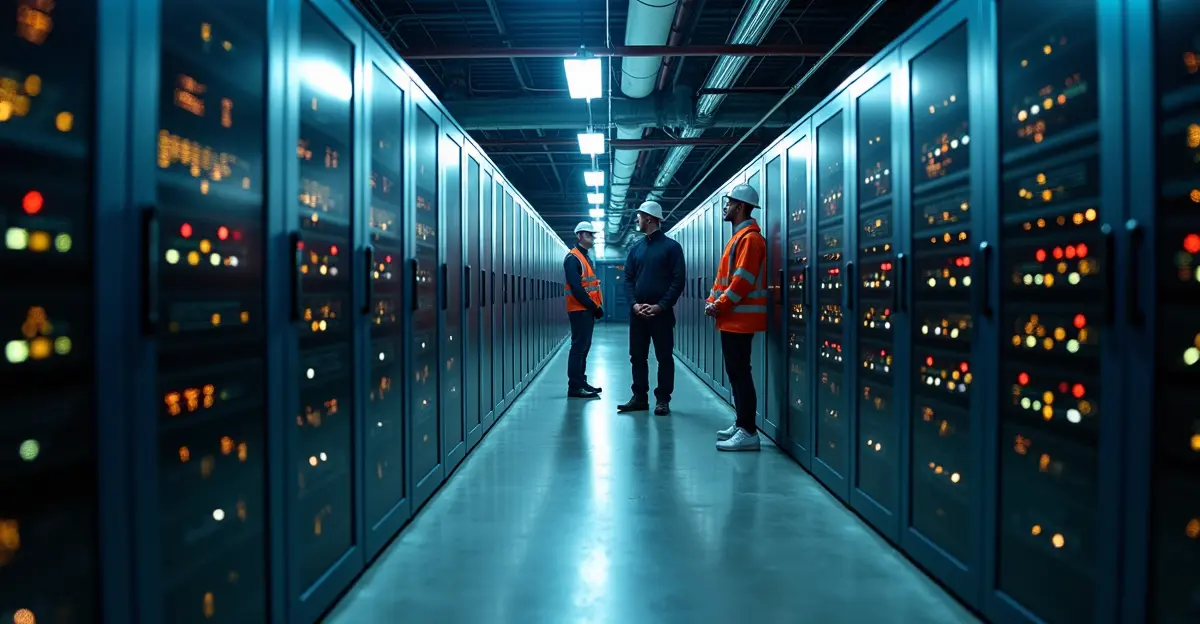
A fundamental mismatch is at the heart of the crisis: transmission projects take four to five years to permit and build, while data centers are constructed in months. The grid infrastructure bottleneck means that even when power generation is available, it cannot reach the data centers. In Ohio, American Electric Power (AEP) received over 30 GW of interconnection requests—more than three times the state's 9.4 GW peak load in 2023. In response, AEP implemented a moratorium on new data center connections and won regulatory approval for a special tariff (Schedule DCD) that requires data centers drawing over 25 MW to pay for at least 85% of contracted capacity under 12-year agreements. Speculative queue requests dropped from 30 GW to 13 GW after the tariff demanded firm financial commitments. Analysts predict data center-specific tariffs will be in effect in at least 12 states by the end of 2026.
Monitoring Analytics, PJM's independent market monitor, filed a complaint with FERC urging a pause on data center connections until adequate power supply exists. The monitor argues that reliability should take priority over adding new data centers that may require periodic blackouts. Ohio has over 200 data centers, and AEP's moratorium has become a bellwether for other states. Duke Energy Ohio and Dominion Energy Virginia have filed similar proposals.
Big Tech's Nuclear Pivot
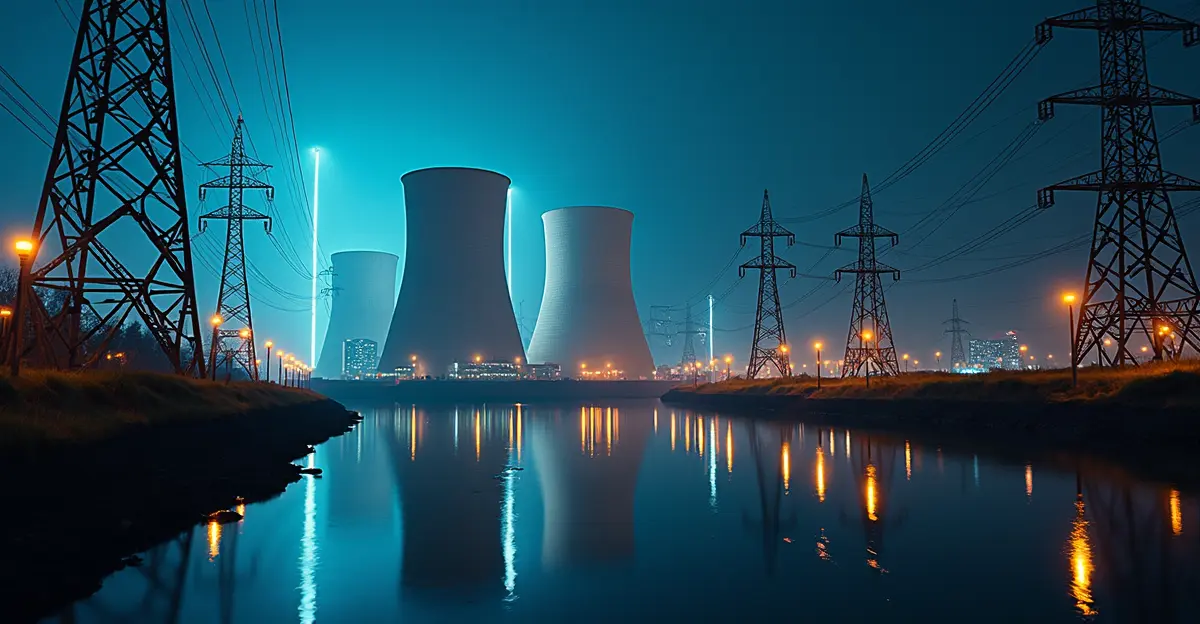
Facing grid constraints and rising costs, the largest technology companies are turning to nuclear power. In a landmark deal, Microsoft signed a 20-year power purchase agreement with Constellation Energy to restart Three Mile Island Unit 1 (a different reactor than the one that failed in 1979). The 835-megawatt plant, shut down in 2019 due to economic pressures, will be rebranded as the Crane Clean Energy Center. A $1 billion federal loan approved in November 2025 accelerated the restart from 2028 to 2027. Constellation will spend about $1.6 billion on refurbishment, including new turbines, creating roughly 3,400 jobs and adding $16 billion to Pennsylvania's GDP.
Amazon, Google, and Meta have also signed nuclear deals, including agreements for small modular reactors (SMRs). Conditional SMR agreements have grown from 25 GW to 45 GW globally. The tech industry nuclear renaissance reflects the need for reliable, 24/7 zero-carbon baseload power that can match the continuous operation of AI data centers. For investors, these long-term power purchase agreements are transforming nuclear plant economics.
Regulatory Clash: Grid Reliability vs. AI Competitiveness
The tension between ensuring grid reliability and maintaining U.S. leadership in AI has sparked a regulatory firestorm. At least six states have introduced construction moratoriums on new data centers, and seven states have repealed or restricted data center tax incentives. Oregon's POWER Act created the first dedicated data center rate class for facilities over 20 MW. Virginia's SB 253 would shift distribution and capacity costs from households to data centers.
The cost burden is enormous. NRDC projects cumulative capacity costs of $100–$163 billion through 2033 across PJM alone. The average family in PJM territory faces an estimated $70 per month increase by 2028. Utility supply rates have already increased 5–44% since June 2025. The data center regulation policy debate pits tech giants seeking cheap, reliable power against residential and industrial ratepayers who fear being left with the bill.
Expert Perspectives
The IEA warns that policymakers must address affordability, grid integration, and flexibility challenges posed by data center growth. 'Data centre electricity use is set to double by 2030, with AI-focused data centre power use tripling,' the agency stated in its latest report. 'Bottlenecks are emerging in supply chains for gas turbines, transformers, and chips, and grid connection delays are slowing expansion.'
On the utility side, AEP Ohio's tariff has been hailed as a national precedent. 'The tariff shifts infrastructure costs from general ratepayers to developers,' noted an analysis by MGrid. 'Speculative queue requests dropped from 30 GW to 13 GW after the tariff demanded firm financial commitments.'
FAQ
Why are data centers consuming so much electricity in 2026?
AI workloads require high-density GPU clusters that run continuously at near-peak utilization, drawing far more power than traditional cloud servers. Rack-level power has surged past 40 kW, and global data center electricity use is projected to double by 2030.
How have PJM capacity prices changed?
PJM capacity auction prices rose from $28.92/MW-day (2024–2025) to $333.44/MW-day (2027–2028), a more than tenfold increase driven largely by data center demand. The market has hit FERC's price cap twice and faces supply shortfalls.
What is Microsoft doing to secure power for AI?
Microsoft signed a 20-year deal to restart Three Mile Island Unit 1 (835 MW) with Constellation Energy, backed by a $1 billion federal loan. The plant is expected to come online by 2027.
Are data centers being paused or restricted?
Yes. AEP Ohio paused new interconnections after receiving 30 GW of requests. At least six states have introduced moratoriums, and seven have repealed tax incentives. PJM's market monitor has urged FERC to pause new connections until reliability is assured.
Will grid constraints slow the AI revolution?
Possibly. Transmission buildout takes 4–5 years while data centers are built in months. Without faster grid upgrades, permitting reform, and new generation, the infrastructure bottleneck could limit AI expansion. However, tech companies are investing heavily in nuclear, renewables, and on-site solutions to mitigate the risk.
Conclusion: A Defining Challenge for the Decade
The AI power crunch of 2026 is more than an energy story—it is a strategic inflection point. The ability to scale AI will depend as much on kilowatts as on algorithms. Whether through nuclear restarts, grid modernization, or regulatory reform, the decisions made in the next two years will determine whether the AI revolution accelerates or stalls. The future of AI energy infrastructure hangs in the balance.



Follow Discussion