


 Deutsch
 English
 Español
 Français
 Nederlands
 Português


 Share
Share




The AI-Energy Nexus: How Data Center Power Demand is Reshaping Global Geopolitics
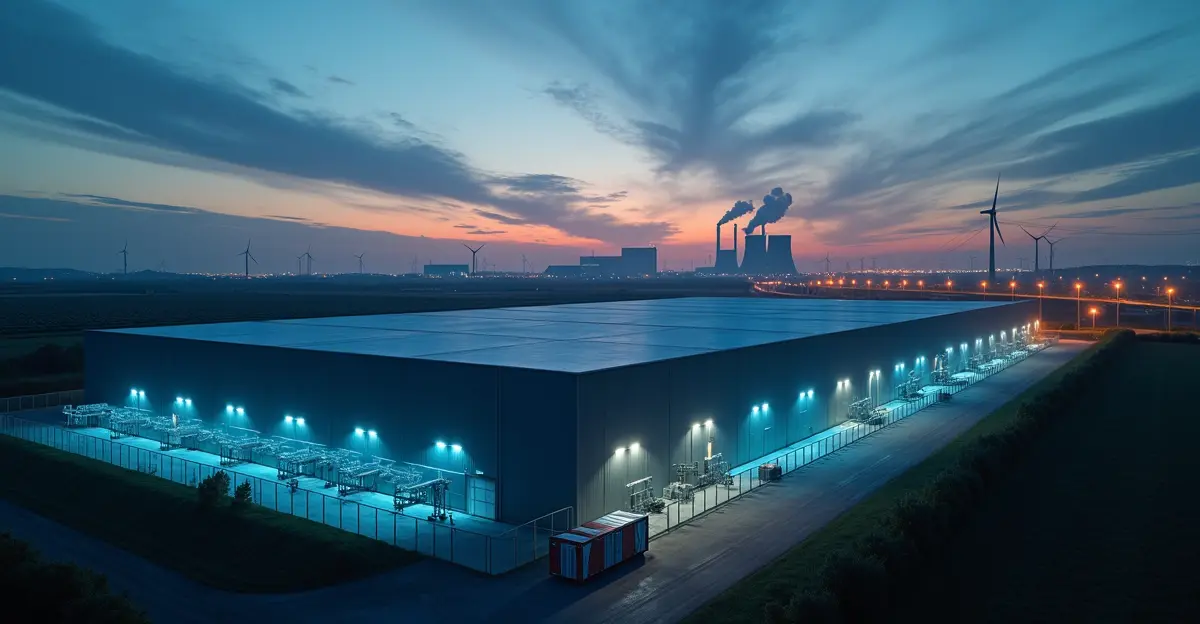
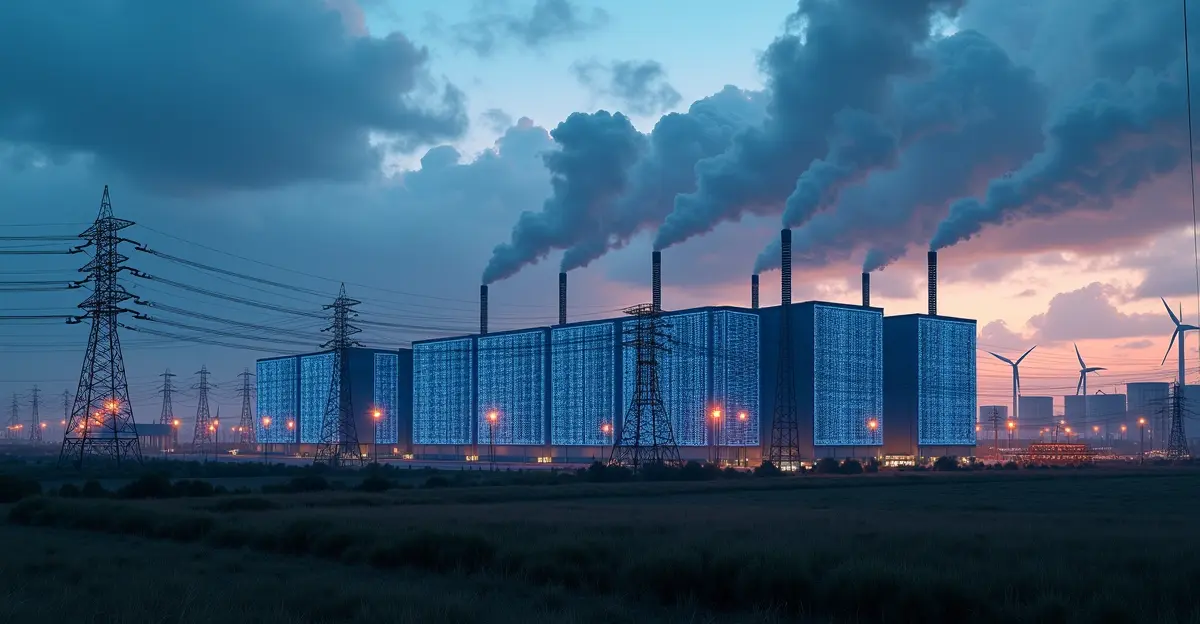
The explosive growth of artificial intelligence is triggering an unprecedented global energy crisis, with AI data centers now consuming 140 TWh globally—equivalent to Argentina's total electricity use—and projected to reach 2.5% of global electricity by 2027. This surge is creating new geopolitical tensions as nations compete for energy resources to power AI infrastructure, forcing countries to choose between technological advancement, grid stability, and climate commitments. The AI energy consumption dilemma represents one of the most significant strategic challenges of our time.
What is the AI-Energy Nexus?
The AI-energy nexus refers to the critical interdependence between artificial intelligence development and energy resources. As AI models grow exponentially in size and complexity, their computational demands require massive data centers with unprecedented power requirements. According to International Energy Agency reports, data centers currently consume about 415 TWh (1.5% of global electricity) in 2024, growing at 12% annually. With AI accelerating high-performance server deployment, electricity consumption is projected to double to 945 TWh by 2030, representing nearly 3% of global electricity.
The Virginia Grid Crisis: A Warning Sign
Virginia's energy grid has become ground zero for the AI-energy conflict. The state, home to the world's largest concentration of data centers, faces a capacity crisis so severe that lawmakers are considering a temporary moratorium on new data center projects until July 1, 2028. Dominion Energy's contracted capacity has more than doubled from 21.4GW in July 2024 to 47.1GW by Q3 2025, overwhelming the region's power infrastructure.
Key Impacts of Virginia's Data Center Boom:
- Decreased grid reliability for residential and commercial customers
- Higher electric bills for all ratepayers subsidizing data center infrastructure
- Unsustainable water consumption for cooling systems
- Degraded air quality from increased fossil fuel generation
- Widespread industrialization of rural landscapes
The Virginia data center moratorium debate highlights how local energy systems are buckling under AI's power demands, creating political tensions between economic development and energy security.
EU Energy Rationing Proposals
Europe is taking a regulatory approach to the AI energy challenge. The European Commission plans to introduce stricter energy performance standards for data centers as part of a new 'energy efficiency package' scheduled for early 2026. This move comes in response to the surge in energy consumption driven by artificial intelligence, which is pushing European power grids to their limits.
The EU's comprehensive regulatory framework includes:
- Revised Energy Efficiency Directive requiring monitoring and reporting of data centers with at least 500 kW power demand
- Taxonomy Regulation establishing sustainability criteria for data center operations
- AI Act with energy consumption reporting requirements for AI models
- Ecodesign Regulation for servers and data center equipment
According to White & Case analysis, the EU aims to achieve carbon-neutral data centers by 2030 while maintaining digital competitiveness—a delicate balance that reflects broader European energy policy tensions.
The Great Power Competition for AI Energy
The AI race is increasingly becoming an energy competition between major powers. According to CSIS analysis, the United States controls 45% of global data center capacity while China holds 25%, creating a strategic divide in AI infrastructure development. Global data center electricity consumption is expected to nearly triple from 415 TWh to 1,200 TWh by 2035.
National Energy Strategies for AI:
| Country | Strategy | Key Advantage |
|---|---|---|
| France | €109 billion infrastructure plan leveraging nuclear power | Electricity export surplus and nuclear dominance |
| UAE | Ambitious energy expansion including nuclear, solar, and gas | Geographic positioning and cooling challenges |
| Japan | Restarting nuclear reactors and expanding renewables | Anticipated 80% growth in data center electricity by 2030 |
| Ireland | Managing data center growth with renewable integration | Data centers already consume 22% of national electricity |
Tech Companies' Power Contract Wars
The competition has shifted from GPUs to power contracts. Tech giants are now securing long-term energy agreements to ensure their AI infrastructure can operate. Energy Transfer has pivoted to power AI data centers with natural gas, signing landmark deals including a 10-year agreement to supply CloudBurst Data Centers' 1.2 GW AI campus and partnerships for 2.3 GW of power for Oracle's AI data centers.
These contracts total over 5.5 GW of new gas-powered capacity, validating natural gas as a bridging fuel for the AI revolution. Texas has emerged as the epicenter for this strategy due to its extensive natural gas infrastructure and favorable regulatory environment. The AI infrastructure investment market is projected to grow from $236.44 billion in 2025 to $933.76 billion by 2030.
Climate Commitments vs. AI Development
The most profound tension lies between climate goals and AI expansion. According to World Economic Forum analysis, by 2030, data centers are projected to consume 945 TWh of electricity (surpassing Germany and France combined) and 450 million gallons of water daily. This growth threatens to erase emissions reduction progress globally, creating what experts call the 'AI climate paradox.'
The four critical nodes of the AI-energy nexus identified by experts:
- Energy as a visible choke point for AI development
- Water as an overlooked growth limiter for cooling systems
- Critical minerals creating supply chain vulnerabilities
- Impacts on nature and communities threatening social license
Expert Perspectives on the Energy Security Crisis
'The AI race is dominated by energy access, not just algorithmic innovation,' says Dr. Elena Rodriguez, energy policy analyst at the Atlantic Council. 'Nations with reliable, affordable power will lead the next phase of AI development, creating new geopolitical dependencies and strategic vulnerabilities.'
'We're witnessing the emergence of energy security as the primary national security concern in the AI era,' adds Michael Chen, senior fellow at CSIS. 'The global energy transition must now accommodate AI's massive power appetite, forcing difficult choices between technological leadership and environmental sustainability.'
FAQ: AI Energy Demand and Geopolitics
How much electricity do AI data centers consume globally?
AI data centers currently consume approximately 140 TWh globally, equivalent to Argentina's total electricity use. This is projected to reach 2.5% of global electricity by 2027 and potentially 945 TWh by 2030.
Why is Virginia considering a data center moratorium?
Virginia faces a grid capacity crisis with Dominion Energy's contracted capacity more than doubling from 21.4GW to 47.1GW in just over a year. Lawmakers are considering a moratorium until 2028 to address overwhelming power demand and protect grid reliability.
What is the EU proposing for AI energy regulation?
The European Commission plans to introduce stricter energy performance standards for data centers in early 2026, including monitoring requirements for facilities with at least 500 kW power demand and aiming for carbon-neutral data centers by 2030.
How is AI energy demand affecting climate commitments?
AI's massive power consumption threatens to erase emissions reduction progress, creating tension between climate goals and technological development. Data centers could consume 3% of global electricity by 2030, complicating net-zero targets.
Which countries are best positioned for AI energy needs?
France (nuclear power), UAE (diverse energy mix), and the United States (natural gas infrastructure) have strategic advantages. However, all face challenges balancing AI development with energy security and climate commitments.
Future Outlook and Strategic Implications
The AI-energy nexus will define global technological leadership for decades. Nations must develop integrated strategies addressing energy, water, critical minerals, and community impacts simultaneously. The energy security challenges of AI development require unprecedented international cooperation on supply chains, cybersecurity, and sustainable infrastructure investment.
As Goldman Sachs Research forecasts a 165% increase in global data center power demand by 2030 compared to 2023 levels, the world faces a fundamental choice: accelerate renewable energy deployment to power AI sustainably or accept that AI development may compromise climate goals and energy security. The geopolitical implications of this decision will shape international relations, economic competitiveness, and environmental sustainability for generations.

Follow Discussion