


 Deutsch
 English
 Español
 Français
 Nederlands
 Português


 Share
Share




The AI-Energy Nexus: How Surging Power Demand is Reshaping Global Geopolitics
The explosive growth in artificial intelligence computing power is creating unprecedented electricity demands that are fundamentally reshaping global energy security strategies and forging new geopolitical alliances. As data center power consumption is projected to double by 2026, nations with cheap energy resources like Gulf states or advanced nuclear capabilities are gaining strategic advantages in the AI race, creating urgent implications for national security and economic competitiveness worldwide. Recent reports from J.P. Morgan and the World Economic Forum highlight that energy security is now viewed through a national security lens, with January 2025 developments showing Gulf states emerging as critical AI enablers due to their energy advantages.
What is the AI-Energy Nexus?
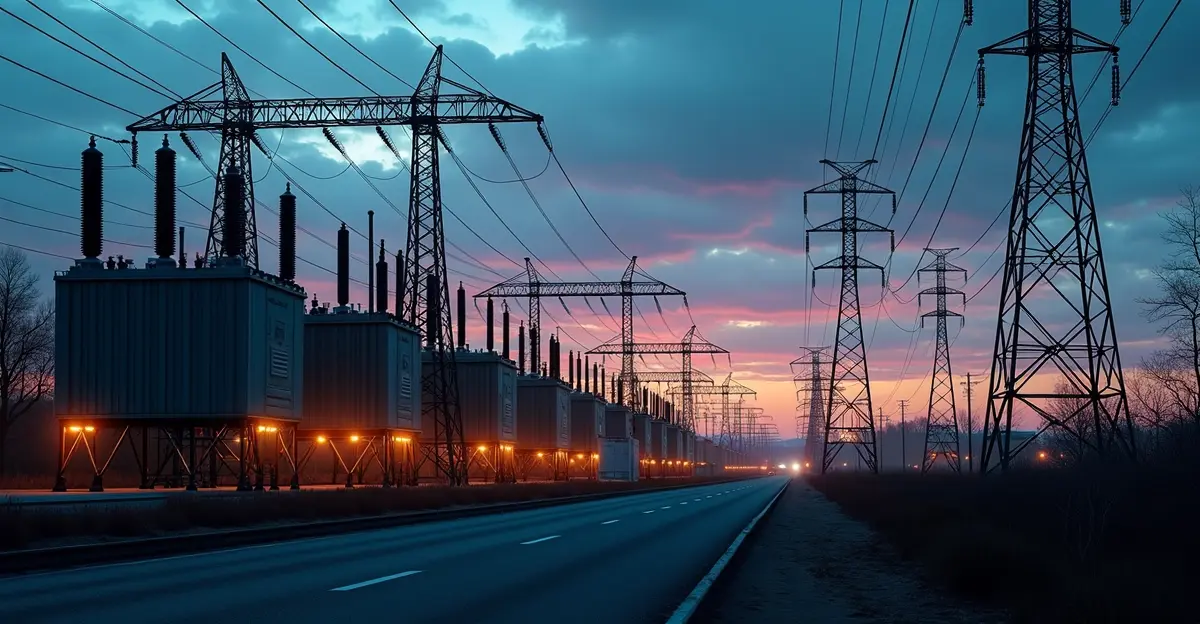
The AI-energy nexus refers to the critical intersection between artificial intelligence development and energy infrastructure requirements. AI systems, particularly large language models and generative AI, consume staggering amounts of electricity - a single ChatGPT query uses about five times more electricity than a simple web search, while creating a one-minute AI video consumes as much power as a typical Western household uses in an hour. This creates a global energy conundrum where data centers could double electricity consumption by 2030 under high-demand scenarios, according to the International Energy Agency.
The Scale of AI's Power Hunger
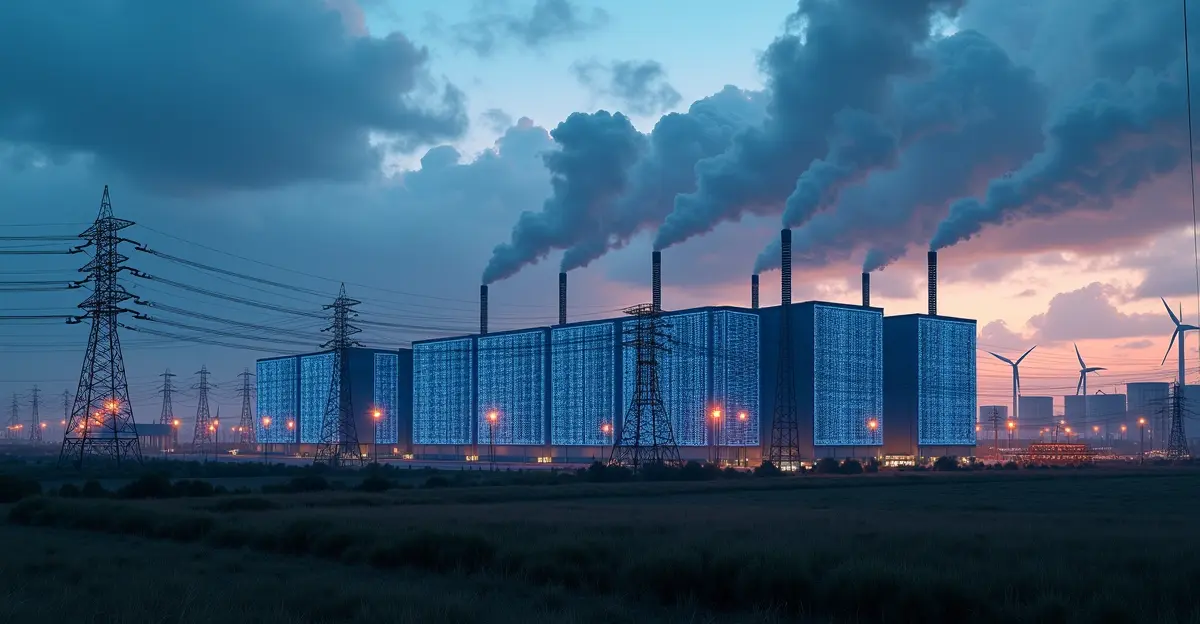
Current projections reveal the staggering scale of AI's energy demands. Data centers currently consume about 415 TWh (1.5% of global electricity) in 2024, growing at 12% annually. The Base Case projects data center electricity consumption to double to 945 TWh by 2030, representing nearly 3% of global electricity. More dramatically, US data center electricity consumption is projected to surge from 147 terawatt-hours (TWh) in 2023 to 606 TWh by 2030, representing a dramatic increase from 3.7% to 11.7% of total US power demand.
Key Statistics on AI Energy Consumption
- AI data centers alone are expected to consume 90 TWh by 2026, a tenfold increase from 2022 levels
- Accelerated servers (mainly for AI) are projected to grow at 30% annually
- Training large AI models can exceed the annual power consumption of 100 homes
- The median Google Gemini text prompt in 2025 consumes about 0.24 Wh of electricity
Geopolitical Realignment: The Gulf States Advantage
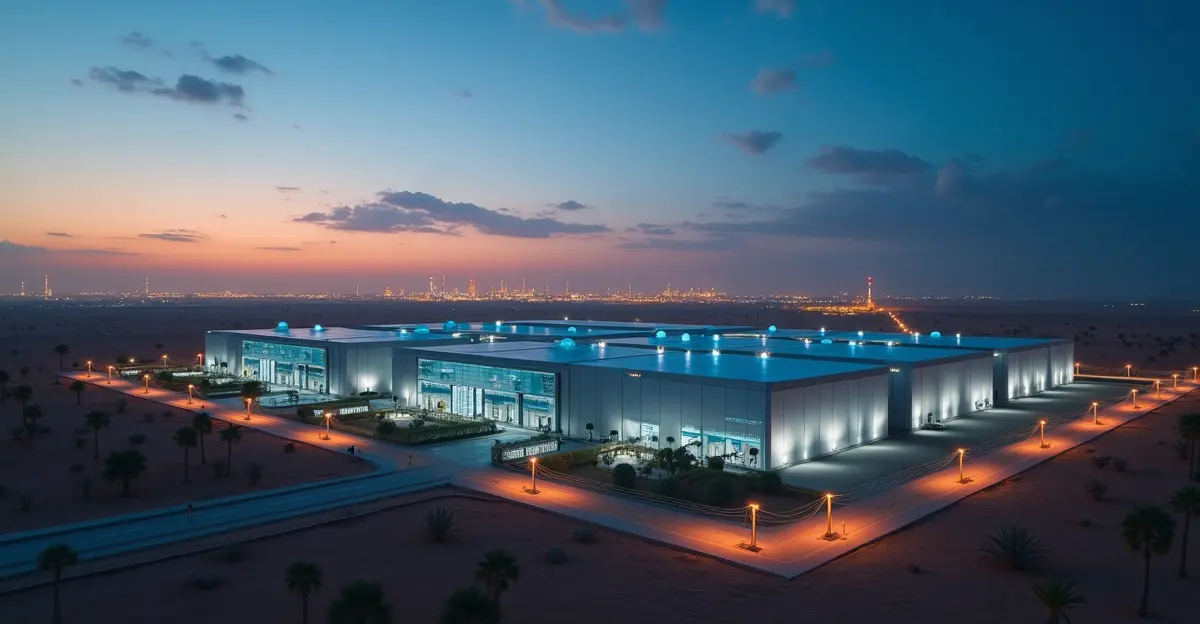
Saudi Arabia and the United Arab Emirates have emerged as global leaders in sovereign AI and data infrastructure, according to research analyzing 13 countries representing $48 trillion in GDP. The two Gulf nations top the sovereignty rankings, followed by Singapore, Germany, and the US. Their success stems from treating AI and data as sovereign assets rather than mere technological tools. Saudi Arabia's HUMAIN initiative, launched in May 2025 under Crown Prince Mohammed bin Salman, plans $77 billion in investments to capture 7% of global AI training by 2030, with 1.9 gigawatts of data center capacity and partnerships with tech giants like Nvidia and Amazon.
Beyond economic transformation, these Gulf states view AI investment as a geopolitical strategy to secure U.S. protection. By partnering with major U.S. tech companies like Google, Microsoft, and OpenAI, they aim to become critical players in the AI race, which would effectively guarantee their security without requiring formal U.S. security agreements. This approach mirrors Qatar's earlier strategy of hosting the U.S. military at Al Udeid Air Base to ensure American protection.
The Nuclear Renaissance for AI Power
As AI's computational demands skyrocket, nuclear power is emerging as a potential solution. The International Atomic Energy Agency describes the inevitable convergence of artificial intelligence and nuclear energy as a 'structural alliance' called 'Atoms for Algorithms.' AI's massive, uninterrupted electricity demands make nuclear energy the ideal partner due to its low-carbon generation, 24/7 reliability, and scalability. This partnership works both ways: while nuclear powers AI data centers, AI improves nuclear operations through predictive maintenance, reactor modeling, safety simulations, and safeguards analysis.
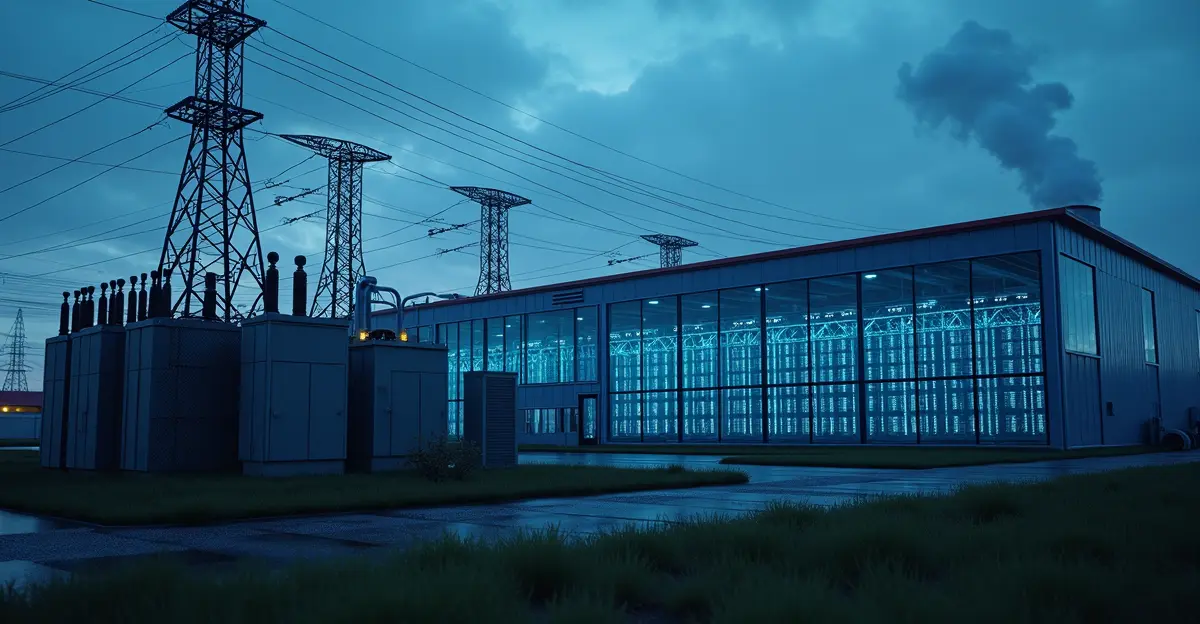
Small Modular Reactors (SMRs) are particularly relevant for data centers due to their modular design and ability to operate near industrial zones. The global energy map is being redrawn as AI-driven data centers expand worldwide, with countries like the US, China, and European nations investing heavily in both nuclear energy and AI infrastructure. The IAEA Nuclear Harmonization Initiative supports this convergence, helping over 30 newcomer countries integrate nuclear energy and AI into their development strategies.
Energy Security as National Security
The World Economic Forum's 2025 Energy Transition Index shows the global energy transition is accelerating, but progress remains uneven with performance outpacing readiness for the first time in eight years, signaling infrastructure gaps and weak policy frameworks. Clean energy investment hit a record $2.1 trillion in 2024, but growth is slowing to 11% compared to previous years' 24-29% averages. Global energy demand jumped 2.2% in 2024, the fastest rise in a decade, while CO₂ emissions reached a new record of 37.8 billion tonnes.
According to the World Economic Forum, leaders must adopt a pragmatic energy strategy focusing on security (stable supply from both conventional and renewable sources), affordability (keeping energy accessible), and sustainability/equity (aggressive but practical renewable deployment). The 2026 Davos meeting must recognize that energy is now the backbone of digital infrastructure and AI prosperity, requiring new cooperation frameworks and investment in global energy infrastructure.
Fragmentation of Global Energy Supply Chains
The AI-energy nexus is accelerating the fragmentation of global energy supply chains as nations prioritize domestic energy security over global cooperation. Countries are increasingly viewing energy resources through a strategic lens, with access to reliable, affordable electricity becoming a critical determinant of AI competitiveness. This shift is creating new alliances based on energy complementarity rather than traditional geopolitical alignments.
The Middle East's sovereign AI investments represent a deliberate strategy to shape the $17 trillion data and AI economy. Meanwhile, countries with advanced nuclear capabilities are positioning themselves as essential partners in the AI race, creating what some analysts call 'energy-based digital sovereignty.' This fragmentation has significant implications for global trade patterns, diplomatic relations, and security arrangements.
Expert Perspectives on the Emerging Landscape
'The convergence of AI and energy represents one of the most significant geopolitical shifts of our time,' says energy analyst Dr. Sarah Chen. 'Nations that can provide reliable, affordable power for AI infrastructure will have disproportionate influence in the coming decades. We're witnessing the emergence of energy-based digital empires.'
The IAEA Director General notes that 'AI's massive, uninterrupted electricity demands make nuclear energy the ideal partner due to its low-carbon generation, 24/7 reliability, and scalability. This partnership works both ways: while nuclear powers AI data centers, AI improves nuclear operations through predictive maintenance and safety simulations.'
FAQ: AI-Energy Nexus Explained
How much energy does AI actually consume?
AI consumes staggering amounts of electricity - data centers currently use about 415 TWh (1.5% of global electricity) and are projected to double to 945 TWh by 2030. A single ChatGPT query uses about five times more electricity than a simple web search.
Why are Gulf states gaining advantage in AI?
Gulf states like Saudi Arabia and the UAE have abundant, cheap energy resources that give them a competitive edge in powering energy-intensive AI data centers. They're investing hundreds of billions in AI infrastructure as part of economic diversification strategies.
How is nuclear power connected to AI development?
Nuclear power provides reliable, low-carbon electricity that's ideal for AI data centers requiring 24/7 power. Small Modular Reactors (SMRs) can be deployed near data centers, creating what the IAEA calls the 'Atoms for Algorithms' alliance.
What are the national security implications?
Energy security is now viewed through a national security lens, with access to reliable electricity becoming critical for AI competitiveness. Nations with energy advantages can leverage this for geopolitical influence and security guarantees.
How will this affect global energy markets?
The AI-energy nexus is fragmenting global energy supply chains as nations prioritize domestic energy security, creating new alliances based on energy complementarity rather than traditional geopolitical alignments.
Future Outlook and Strategic Implications
The AI-energy nexus represents a fundamental reshaping of global power dynamics that will accelerate throughout the 2020s. As AI continues its exponential growth, nations will increasingly compete for energy resources and infrastructure capabilities. The strategic implications are profound: countries that fail to secure reliable, affordable energy for AI development risk economic and technological marginalization, while those with energy advantages can leverage this for geopolitical influence.
The global energy transition timeline is being accelerated by AI demands, creating both challenges and opportunities for sustainable development. The World Economic Forum warns that without coordinated planning, AI-related energy demand could crowd out development needs in emerging economies that will drive most future urbanization and digital adoption. The coming years will see intensified competition for energy resources, accelerated investment in nuclear and renewable infrastructure, and the emergence of new geopolitical alliances centered on energy-AI complementarity.


Follow Discussion