


 Deutsch
 English
 Español
 Français
 Nederlands
 Português


 Share
Share




The AI-Energy Nexus: How Artificial Intelligence is Reshaping Global Power Dynamics and Energy Security
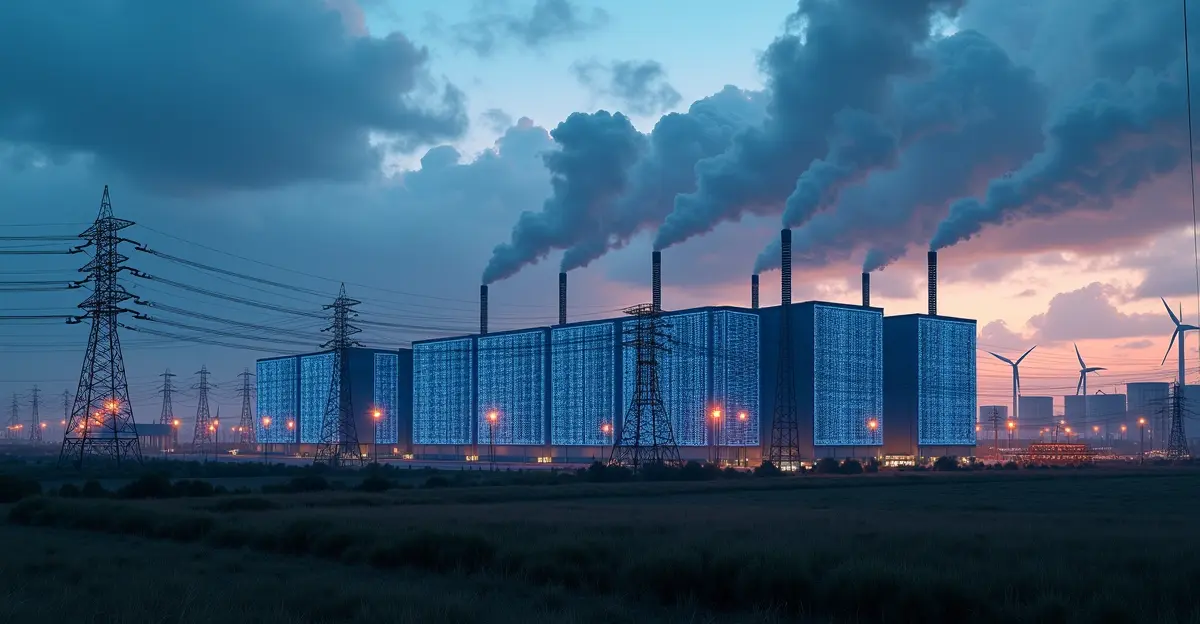
The explosive growth of artificial intelligence is fundamentally transforming global energy markets, creating what experts call the 'AI-energy nexus' – a convergence where AI's voracious electricity demands are reshaping geopolitical competition, energy security, and climate policy timelines. According to the International Energy Agency's 2025 analysis, global electricity consumption from data centers currently stands at 415 terawatt-hours (1.5% of global electricity), but is projected to more than double to approximately 945 TWh by 2030, with AI-driven accelerated servers accounting for almost half of this explosive growth. This unprecedented demand surge is creating strategic dependencies on energy infrastructure, critical minerals, and grid resilience that are redefining global power dynamics.
What is the AI-Energy Nexus?
The AI-energy nexus refers to the interdependent relationship between artificial intelligence development and energy systems. As AI models grow exponentially in size and complexity – with training runs for large language models now consuming energy equivalent to hundreds of households for months – the infrastructure required to power this computational revolution is becoming a critical strategic asset. The International Energy Agency projects that accelerated servers (primarily for AI) will grow at 30% annually compared to just 9% for conventional servers, creating a fundamental shift in how nations and corporations approach energy planning.
The Scale of AI's Energy Appetite
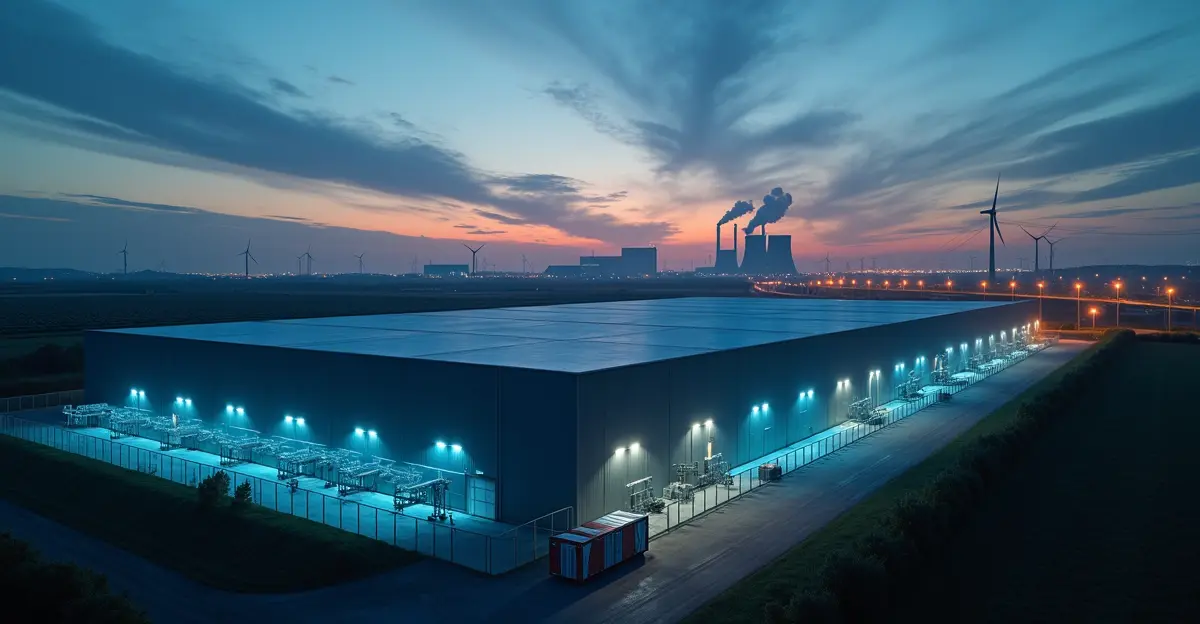
Current data reveals staggering numbers: U.S. data centers alone consumed 183 TWh in 2024, representing over 4% of the nation's total electricity consumption – roughly equivalent to Pakistan's entire annual electricity demand. By 2030, this is projected to grow by 133% to 426 TWh. 'The grid edge is where the action is,' emphasized former Energy Secretary Ernest Moniz at CERAWeek 2026, highlighting how major tech companies are bypassing traditional utility interconnections to secure 'speed to power' through microgrids and behind-the-meter generation.
Geopolitical Competition for Critical Minerals
The AI-energy nexus extends beyond electricity to strategic resource competition. AI infrastructure depends heavily on critical minerals like gallium, germanium, indium, palladium, and tantalum that power high-performance chips and data centers. China currently dominates global production with 98% of primary gallium and 60% of germanium refining, creating significant supply chain vulnerabilities. The 2026 Critical Minerals Ministerial, hosted by the United States with 54 countries, represents a major initiative to reshape global markets through the new FORGE (Forum on Resource Geostrategic Engagement) framework and $30 billion in project support.
Tech Giants vs. National Energy Strategies
Google President Ruth Porat's warning at CERAWeek that 'the U.S. is not expanding energy infrastructure fast enough to keep pace with AI's accelerating needs' highlights the emerging tension between corporate AI ambitions and national energy planning. Major tech companies including Google, Microsoft, Amazon, Meta, Oracle, Apple, and IBM are now competing directly with nations for sustainable power sources, driving a surge in off-grid projects and significant M&A activity in distributed energy. According to Goldman Sachs Research, this AI-driven demand will require approximately $720 billion in grid infrastructure investment through 2030.
Strategic Implications for Energy Security
The convergence of AI and energy is forcing a fundamental reevaluation of energy transition timelines and priorities. Three key strategic implications are emerging:
- Grid Resilience Becomes National Security: With data centers consuming 26% of Virginia's electricity supply in 2023 and similar concentrations in Texas and California, regional grid stability has become a national security concern.
- Energy Access Determines AI Leadership: Nations with abundant, reliable, and affordable electricity – particularly from sustainable sources – are gaining strategic advantages in the global AI race.
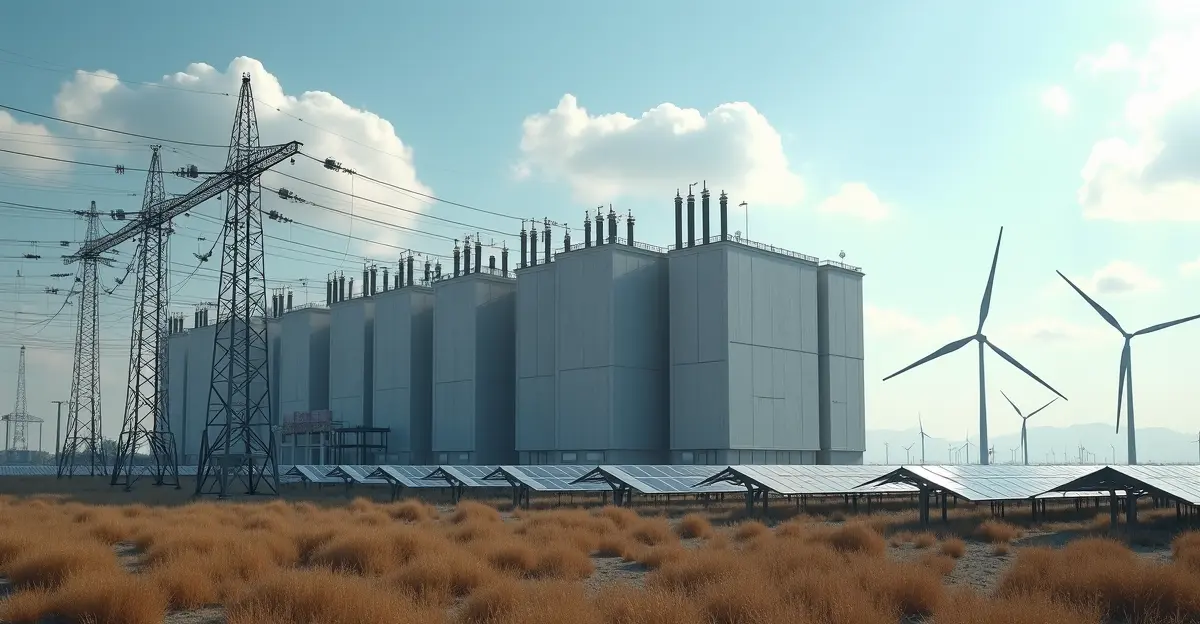
- Climate Policy Must Accelerate: The clean energy transition timeline is being compressed as AI growth creates competing demands for the same renewable energy infrastructure needed for decarbonization.
Regional Power Dynamics Shift
The United States and China currently account for nearly 80% of global data center electricity demand growth to 2030, creating a new axis of energy competition. The U.S. has the highest per-capita data center consumption at around 540 kWh in 2024, projected to exceed 1,200 kWh per capita by 2030. Meanwhile, Europe faces unique challenges balancing ambitious EU Green Deal targets with the energy demands of its growing AI sector. This geographic concentration of AI infrastructure is creating what analysts call 'energy sovereignty' concerns, where control over power generation and distribution becomes as strategically important as control over data and algorithms.
Expert Perspectives on the Convergence
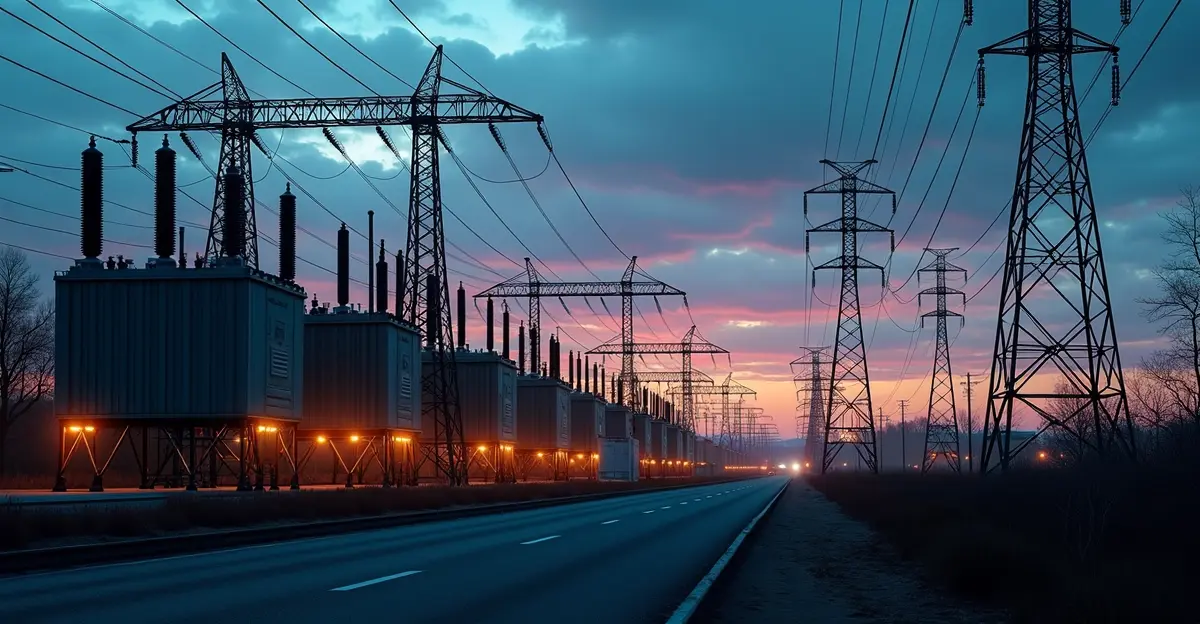
Energy analysts warn that the future of AI now depends as much on transmission lines as on software code. 'The competition has shifted from just building smarter models to sustaining them through reliable energy, grid resilience, and clean power access,' notes industry analysis from TechRepublic. This reality is driving unprecedented investment in energy infrastructure by tech companies, with hyperscalers willing to pay premiums for faster deployment of power generation assets. The critical minerals supply chain has become a focal point of international diplomacy, with even a 30% disruption in gallium supplies potentially causing a $600 billion reduction in U.S. economic output according to FP Analytics.
Frequently Asked Questions
How much electricity do AI data centers currently consume?
AI-driven data centers currently consume about 415 TWh of electricity annually worldwide, representing 1.5% of global electricity consumption in 2024. In the U.S. alone, data centers consumed 183 TWh in 2024 – over 4% of national electricity demand.
What is projected for AI energy demand by 2030?
The IEA projects global electricity consumption for data centers will double to around 945 TWh by 2030, accounting for nearly 3% of total global electricity consumption. AI-driven accelerated servers are expected to account for almost half of this growth.
Why is the AI-energy nexus geopolitically significant?
The nexus creates strategic dependencies on energy infrastructure and critical minerals, with China controlling 98% of gallium and 60% of germanium production. Nations with reliable, affordable electricity gain advantages in the global AI race, reshaping traditional power dynamics.
How are tech companies responding to energy constraints?
Major tech firms are investing in microgrids, behind-the-meter generation, and energy parks to bypass slow utility interconnections. They're pursuing 'speed to power' strategies and willing to pay premiums for faster deployment of energy assets.
What does this mean for climate policy?
AI growth is compressing energy transition timelines as renewable infrastructure faces competing demands. The convergence forces acceleration of clean energy deployment while creating tensions between AI development and decarbonization goals.
Future Outlook and Conclusion
The AI-energy nexus represents one of the most significant geopolitical and economic shifts of the 21st century. As artificial intelligence continues its exponential growth trajectory, the fundamental constraints of energy availability, grid capacity, and resource access will increasingly determine which nations and corporations lead the technological revolution. The global energy transition must now accelerate to meet both climate imperatives and AI demands, creating unprecedented challenges for policymakers, energy planners, and technology leaders. The convergence of these two transformative forces – AI and energy – is creating a new global landscape where power literally means power, and energy security has become inseparable from technological sovereignty.
Sources
International Energy Agency (2025) Energy and AI Report; Pew Research Center (2025) U.S. Data Center Energy Analysis; Goldman Sachs Research (2025) AI Power Demand Forecast; CERAWeek 2026 Conference Proceedings; U.S. Department of State (2026) Critical Minerals Ministerial; FP Analytics (2025) Critical Minerals and AI Supply Chains; TechRepublic (2026) AI Energy Infrastructure Analysis.

Follow Discussion