


 Deutsch
 English
 Español
 Français
 Nederlands
 Português


 Share
Share




The AI-Energy Nexus: How Artificial Intelligence is Reshaping Global Power Markets and Energy Security in 2026
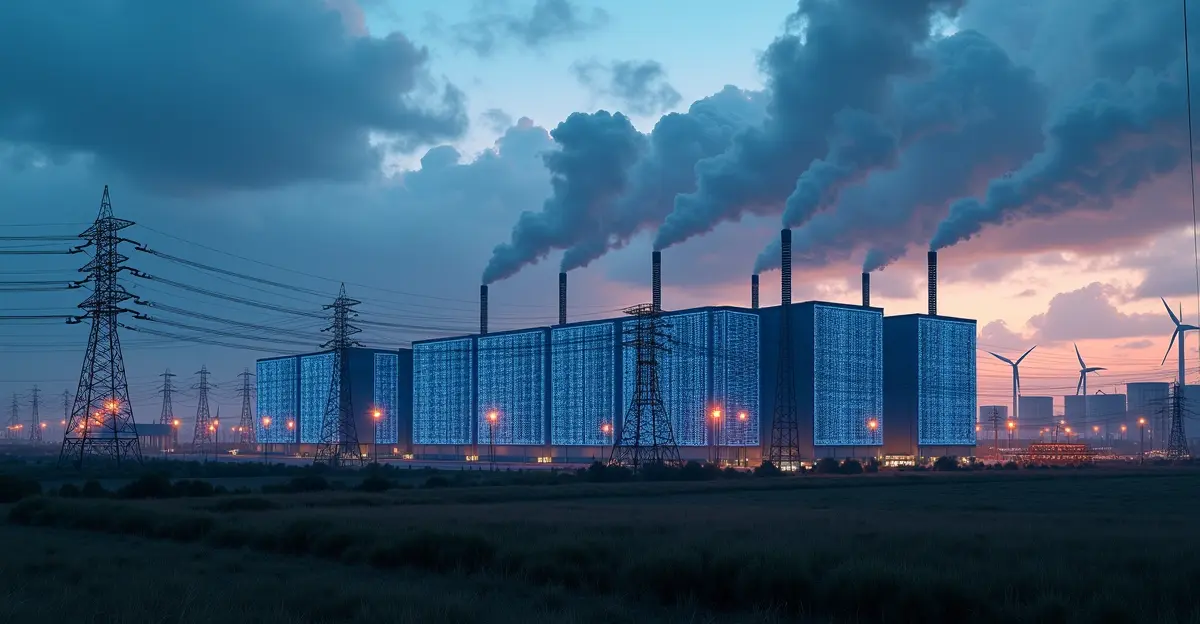
The convergence between artificial intelligence infrastructure demands and global energy markets has reached a critical inflection point in 2026, creating what experts call the 'AI-energy nexus'—a transformative relationship where AI's exponential growth is fundamentally reshaping energy security, grid investments, and geopolitical competition for clean energy resources. According to the World Economic Forum's 2026 energy analysis, AI's revolution is creating unprecedented energy demands that make power access the primary determinant for data center locations, while S&P Global's cleantech trends report shows the energy transition shifting from climate rhetoric to practical execution driven by industrial competition.
What is the AI-Energy Nexus?
The AI-energy nexus represents the bidirectional relationship between artificial intelligence development and global energy systems. On one hand, AI requires massive computational power that consumes staggering amounts of electricity—projected to reach 1,100 terawatt-hours globally by 2026, equivalent to Japan's entire annual electricity consumption. On the other hand, AI technologies offer potential solutions for optimizing energy grids, predicting renewable output, and improving efficiency across the energy value chain. This creates a paradox where AI both drives unprecedented energy demand and offers tools to manage that demand more effectively.
The Scale of AI's Energy Appetite
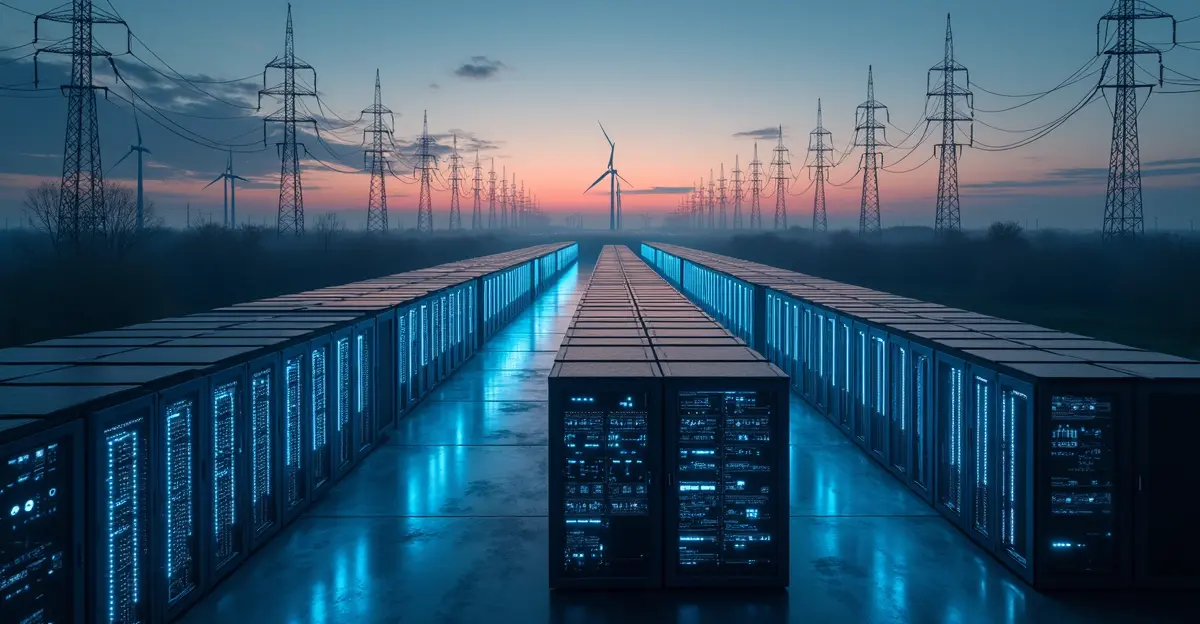
Current data reveals the staggering scale of AI's energy consumption. U.S. data centers consumed 183 terawatt-hours of electricity in 2024, representing over 4% of the nation's total electricity consumption—roughly equivalent to Pakistan's annual electricity demand. By 2030, this is projected to grow by 133% to 426 TWh, with AI-optimized hyperscale facilities consuming 2-4 times more energy than traditional data centers. The environmental impact of artificial intelligence extends beyond electricity to include massive water consumption for cooling and significant material requirements for hardware manufacturing.
Regional Concentration and Grid Strain
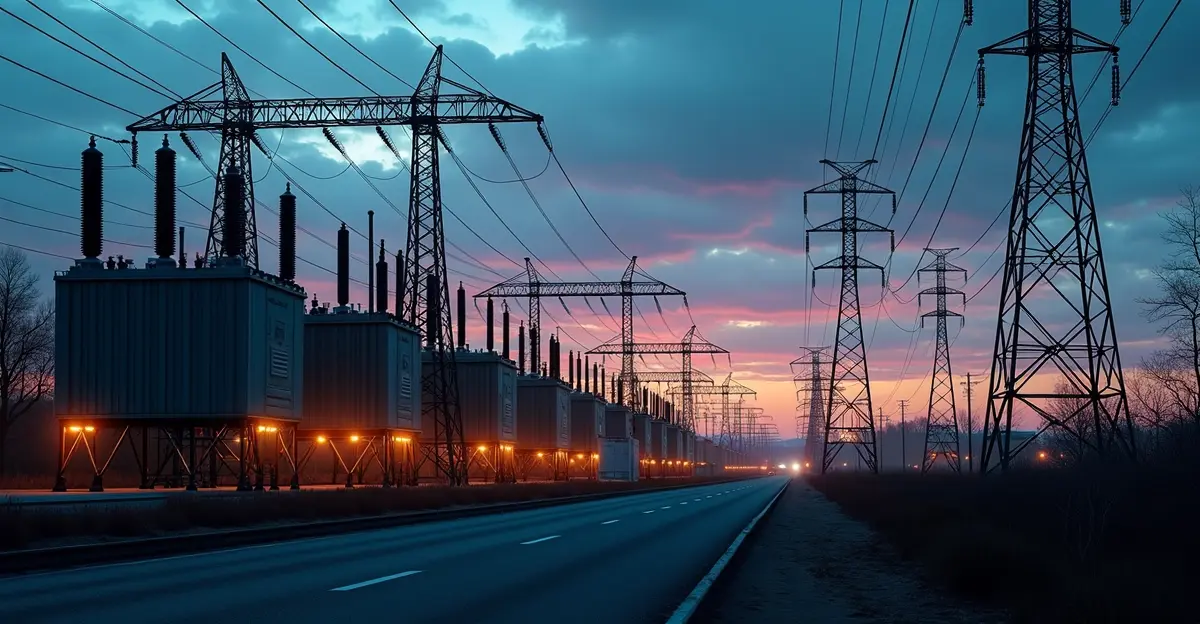
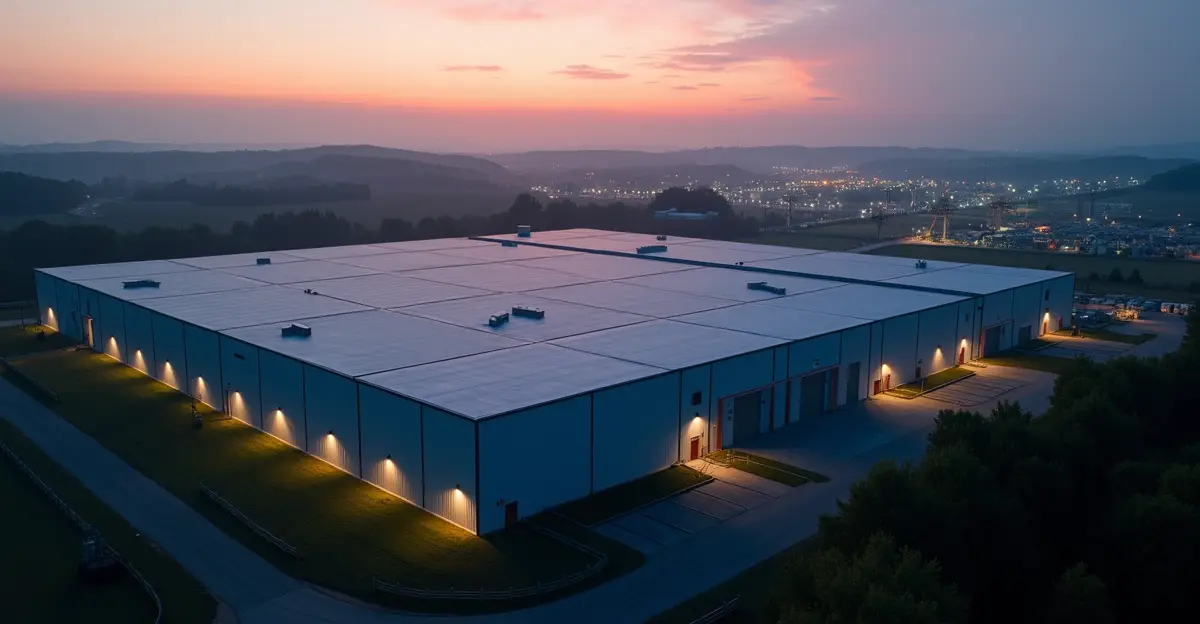
Data centers are concentrated in three primary states: Virginia (643 facilities), Texas (395), and California (319), with northern Virginia alone consuming 26% of the state's total electricity supply in 2023. This concentration creates severe grid strain, with 50% of global data center projects facing delays due to power limitations and grid equipment shortages. Major tech companies like Amazon, Microsoft, Google, Meta, and Oracle are collectively investing over $320 billion in data center infrastructure in 2025 alone—twice what the entire US utility industry invested in 2024.
Strategic Shifts in Energy Policy
The AI-energy nexus is forcing governments worldwide to rethink energy security frameworks. Nations are adopting what analysts call an 'energy-first strategy' where power availability determines data center locations rather than traditional factors like labor costs or tax incentives. This has led to three significant policy shifts:
- Critical Infrastructure Designation: AI infrastructure is increasingly treated as critical national infrastructure, comparable to electricity grids and ports, requiring enhanced protection and resilience planning.
- Strategic Energy-AI Alliances: Nations are forming bilateral partnerships based on mutual energy availability, with energy-rich countries leveraging resources to attract AI investments.
- Regulatory Evolution: Federal and state governments are developing new frameworks and impact fees requiring data center operators to fund infrastructure improvements proportional to their electricity consumption.
Geopolitical Competition for Clean Energy Resources
The AI-energy nexus has intensified geopolitical competition for critical minerals and clean energy resources. According to ODI analysis, critical minerals remain central to energy transition, digital infrastructure, and defense capabilities, driving intense global competition. China maintains dominance across processing and refining, projected to supply over 60% of refined lithium and cobalt, 80% of battery-grade graphite and rare earths, and 70% of battery-grade manganese by 2035. Meanwhile, the second Trump administration has prioritized securing critical raw materials through domestic production expansion and $7.5 billion in federal financing, moving away from Biden-era multilateral approaches.
The critical minerals geopolitics landscape is further complicated by new actors like the UAE and Saudi Arabia entering the market, increasing competitive pressure on traditional Western powers. The EU faces challenges scaling up financing despite establishing policy frameworks and 60 Strategic Projects, with current funding insufficient for supply chain diversification goals.
Impact on Global Trade Patterns
AI's energy demands are reshaping global trade patterns in three key ways:
- Energy Export Dynamics: Energy-rich nations are leveraging their resources to attract AI investments, creating new trade relationships based on energy-for-technology exchanges.
- Supply Chain Realignment: The need for reliable power is driving data center construction to regions with stable energy supplies, regardless of traditional economic advantages.
- Mineral Dependency: AI hardware requires specific critical minerals, creating dependencies on countries controlling these resources and potentially reshaping global power dynamics.
Expert Perspectives on the Energy Transition
Industry experts note that the energy transition is shifting from climate-focused rhetoric to competitive industrial execution. 'We're witnessing a fundamental transformation where energy security is no longer just about oil and gas, but about reliable electricity for AI infrastructure,' says energy analyst Dr. Sarah Chen. 'The EU Green Deal and similar initiatives must now account for AI's exponential energy demands in their implementation timelines.'
The World Economic Forum emphasizes that AI infrastructure functions as a GDP multiplier, similar to traditional critical infrastructure, with IMF estimates suggesting AI could boost global GDP by 1.3-4% over the next decade. However, this economic potential comes with significant energy costs that must be managed strategically.
Future Outlook and Solutions
Looking ahead to 2027 and beyond, several solutions are emerging to address the AI-energy nexus challenge:
- Advanced Cooling Technologies: Innovations in liquid cooling and passive radiative systems could reduce energy consumption for data center cooling by up to 40%.
- Distributed Energy Resources: Microgrids, fuel cells, and on-site renewable generation are becoming essential components of data center power strategies.
- Space-Based Computing: Orbital data centers in sun-synchronous orbits can leverage continuous solar power with 95% capacity factor (vs. 24% on Earth) and utilize space's -270°C vacuum for passive cooling.
- AI Optimization of AI: Using AI to optimize data center energy consumption, predict workloads, and manage renewable integration.
Frequently Asked Questions
How much electricity do AI data centers consume?
AI data centers are projected to consume approximately 1,100 terawatt-hours of electricity globally by 2026—equivalent to Japan's entire annual electricity consumption. In the U.S., data centers consumed 183 TWh in 2024 (over 4% of national consumption) and are projected to reach 426 TWh by 2030.
Why is AI infrastructure considered critical national infrastructure?
AI infrastructure is treated as critical national infrastructure due to its strategic economic importance, massive capital requirements, and vulnerabilities to physical and cyber attacks. As demonstrated by March 2026 incidents where Iranian drones attacked Amazon Web Services facilities, commercial data centers have become kinetic targets in modern conflict.
How is the AI-energy nexus affecting geopolitical competition?
The nexus has intensified competition for critical minerals and clean energy resources, with nations forming strategic energy-AI alliances based on mutual energy availability. Energy-rich countries are leveraging resources to attract AI investments, while traditional powers scramble to secure mineral supply chains.
What solutions exist for AI's energy demands?
Solutions include advanced cooling technologies, distributed energy resources, space-based computing, and using AI to optimize its own energy consumption. Companies are also securing massive nuclear, solar, and geothermal deals to power their AI infrastructure.
How does AI's energy consumption compare to traditional industries?
By 2030, U.S. data centers may consume more electricity than all heavy industries combined, with approximately half dedicated to generative AI. This represents a fundamental shift in industrial energy consumption patterns.

Follow Discussion