


 Deutsch
 English
 Español
 Français
 Nederlands
 Português


 Share
Share




The global artificial intelligence boom is driving an unprecedented surge in electricity demand, with data center power consumption projected to grow 85–100% by 2027. In 2026, this structural shift is forcing a strategic recalibration of energy policy worldwide: utilities are delaying coal plant retirements, tech giants are racing to secure nuclear power agreements, and grid operators are rethinking capacity planning. The AI energy crisis is reshaping investment flows into natural gas, small modular reactors, and grid-scale renewables, while creating new tensions between climate commitments and AI competitiveness.
The Scale of the Demand Shock
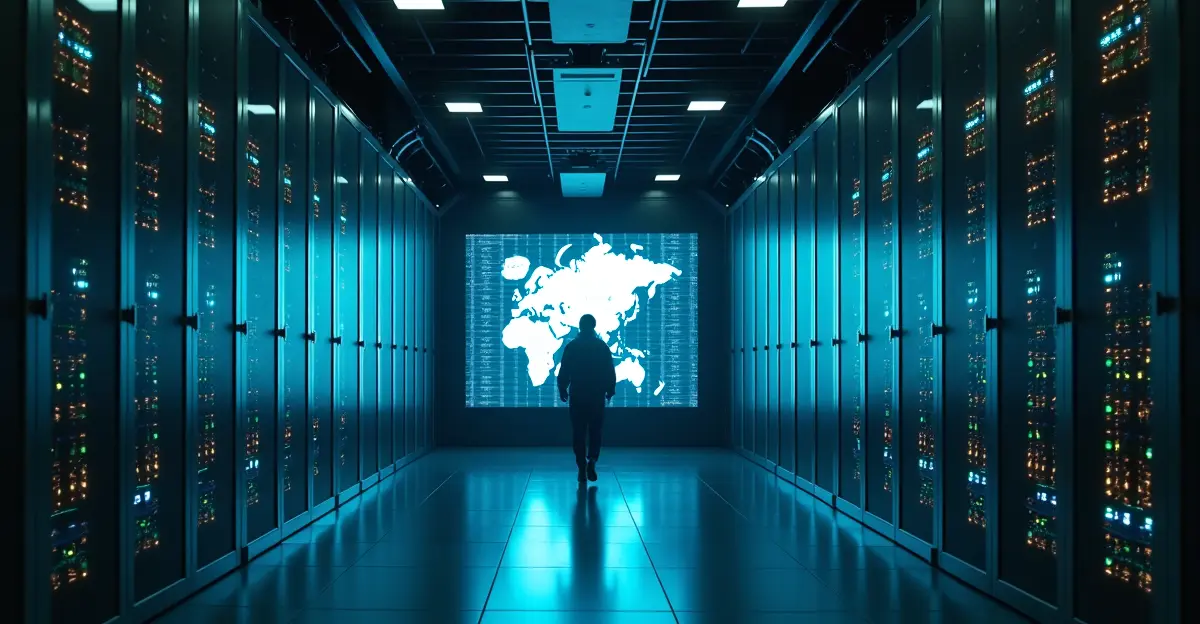
According to the International Energy Agency, global data center electricity consumption is on track to reach approximately 1,000 terawatt-hours (TWh) in 2026 — roughly equivalent to the entire electricity demand of Japan. This represents a near-doubling from 415 TWh in 2024, when data centers accounted for about 1.5% of global electricity use. In the United States alone, data centers consumed an estimated 180 TWh in 2024, or 4–5% of national usage, with Morgan Stanley warning of a 126 GW surge in data center-related demand through 2028 and a potential 49 GW shortfall in the U.S. alone.
AI workloads are the primary driver. A single ChatGPT query can consume 10 times more energy than a standard Google search, and inference — the process of running trained AI models — accounts for 80–90% of total AI energy consumption due to its massive scale. The data center power crisis is no longer a future concern; it is a present-day bottleneck.
Utilities Delay Coal Retirements Amid Reliability Fears
In a stark reversal of climate-driven retirement plans, multiple U.S. utilities have announced delays in closing coal-fired power plants, citing AI-driven demand growth. In September 2025, the U.S. Department of Energy issued emergency orders under Section 202(c) to keep plants like Consumers Energy's J.H. Campbell facility in Michigan (1,331 MW) and Constellation Energy's Eddystone units operational. At least 15 coal plants have delayed retirements since the new administration took office, with coal plants emitting over 68 million tons of CO₂ in 2024.
The U.S. Energy Information Administration reports that while power plant owners planned to retire nearly 11 GW of capacity in 2026 — 58% coal and 42% natural gas — only 4.6 GW of the planned 12.3 GW were actually retired in 2025, the lowest since 2008. Grid operators in regions like MISO and PJM are struggling to replace retiring fossil fuel capacity with renewables and battery storage at a sufficient pace, forcing emergency measures to maintain reliability.
Tech Giants Go Nuclear: The Race for Firm Power
Facing grid interconnection queues exceeding 2,600 GW and wait times of 5–8 years, major technology companies are pivoting aggressively to nuclear power through direct power purchase agreements (PPAs). In Q1 2026 alone, Microsoft, Google, and Amazon collectively signed over 12 GW of PPAs — a record pace that underscores the urgency.
Microsoft made headlines by signing a 20-year deal to restart Three Mile Island Unit 1 (835 MW), marking the first-ever restart of a retired U.S. nuclear plant. Amazon Web Services expanded its PPA with Talen Energy to 1,920 MW from the Susquehanna nuclear plant. Google signed the first corporate small modular reactor (SMR) deal with Kairos Power, targeting 500 MW by 2030. Meta has announced plans for up to 6.6 GW across multiple nuclear plants.
The nuclear power for AI data centers trend is accelerating. Small modular reactors are gaining traction, with over $1.3 billion in equity funding in 2025 alone. The U.S. Department of Energy selected Tennessee Valley Authority and Holtec for $800 million in SMR awards in January 2026. However, first-of-a-kind costs remain high at $100–$180 per MWh, and no SMRs are yet commercially operational.
Grid Constraints and Market Turmoil
The capacity market in PJM — the largest wholesale electricity market in the U.S., covering 13 mid-Atlantic and Midwestern states — has experienced a dramatic price surge. Prices rose from $28.92 per megawatt-day in 2024/2025 to $329.17/MW-day in 2026/2027, a more than tenfold increase. PJM's independent Market Monitor attributes 63% of the price increase to data center demand, costing ratepayers an additional $9.3 billion. Residential customers in Washington D.C. face approximately $21 per month increases from Pepco alone.
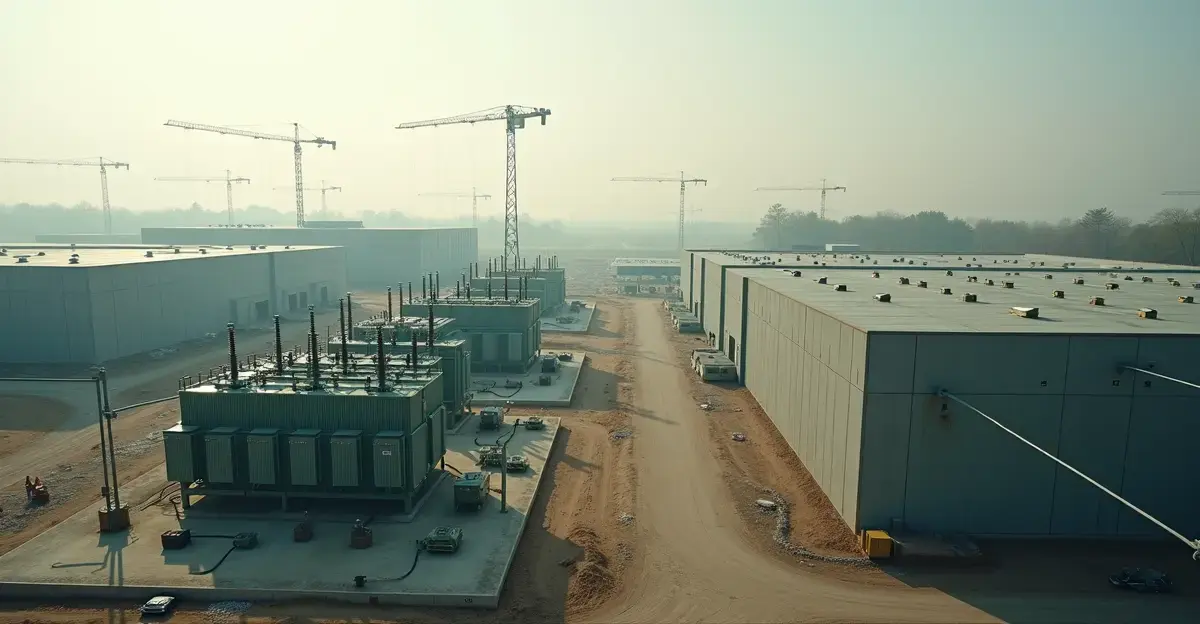
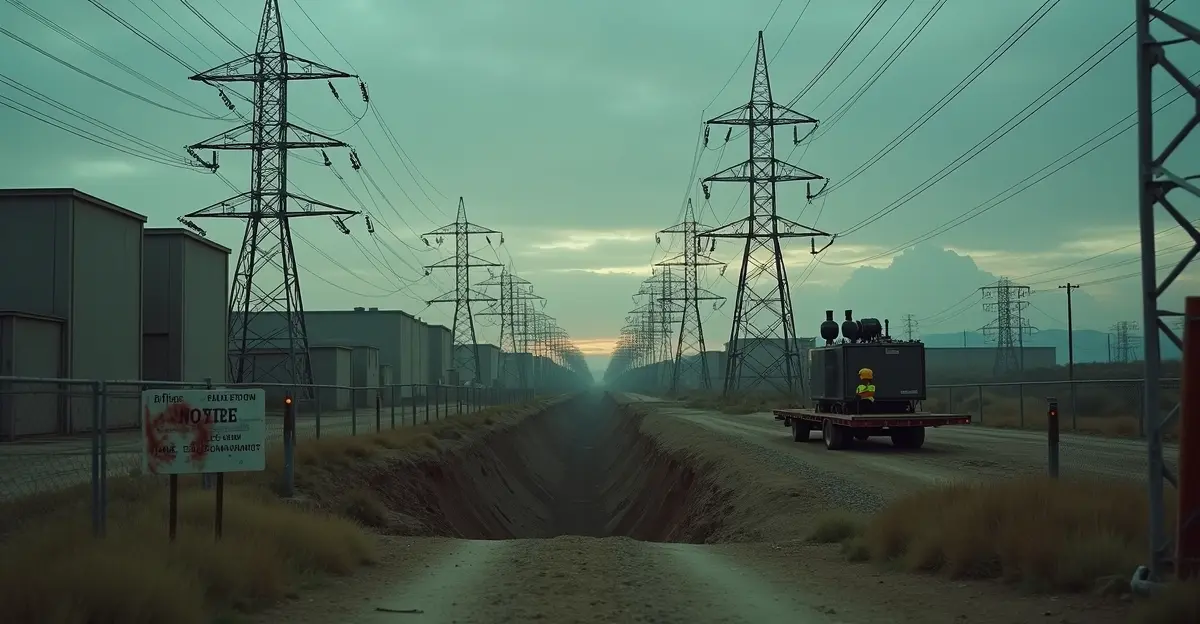
Supply chain bottlenecks compound the problem. Transformer lead times have stretched to 2–4 years, and interconnection queues are backlogged with over 2,600 GW of proposed generation. Nearly half of U.S. AI data centers planned for 2026 are delayed, creating a 7 GW gap that is bottlenecking $650 billion in hyperscaler capital expenditure. Communities across Ohio, Georgia, and Washington are pushing back, with AEP Ohio pausing new data center interconnections.
Investment Flows: Natural Gas, Renewables, and the Nuclear Bet
The energy crunch is reshaping investment flows across the power sector. Natural gas is seeing renewed interest as a flexible baseload source to complement intermittent renewables. Grid-scale wind and solar continue to expand, but the pace of battery storage deployment — critical for firming renewable output — has not kept up with retirement schedules.
Nuclear power, both existing and advanced, is attracting unprecedented corporate interest. The global SMR sector now includes over 66 companies across 15 countries, with key players including TerraPower ($650M raised), X-energy ($700M), and Radiant Nuclear ($300M+). Ontario Power Generation received North America's first SMR construction permit in May 2025, and the European Commission unveiled a nine-point SMR strategy in March 2026 targeting first reactors online by the early 2030s.
Critics warn that residential ratepayers may end up subsidizing grid infrastructure that tech giants bypass for baseload power. Electricity prices in the U.S. have risen 42% since 2019, and utilities requested $31 billion in rate hikes in 2025 alone. The energy policy and AI competitiveness tension is likely to intensify as climate commitments collide with the insatiable power demands of artificial intelligence.
Expert Perspectives
"We are witnessing the most significant inflection point in electricity markets since the advent of the internet," said Cathy Kunkel, energy analyst at IEEFA. "Data center demand is not just a marginal factor — it is now the primary driver of capacity prices, coal plant extensions, and grid planning decisions across the country."
"The scale of investment required is staggering," noted a senior energy strategist at a major investment bank. "We estimate that meeting AI-driven demand will require $500 billion in new power infrastructure by 2030, with nuclear playing a growing role as the only carbon-free firm power source available at scale."
Frequently Asked Questions
How much electricity will AI data centers consume in 2026?
The IEA projects data centers will consume approximately 1,000 TWh in 2026, roughly equal to Japan's total electricity demand. This is nearly double the 415 TWh consumed in 2024.
Why are coal plants delaying retirement?
Utilities are delaying coal plant closures due to surging electricity demand from AI data centers and manufacturing reshoring, combined with slow deployment of replacement renewable capacity and battery storage. The DOE has issued emergency orders to keep plants operational for grid reliability.
What nuclear deals have tech companies signed?
Microsoft signed a 20-year deal to restart Three Mile Island Unit 1 (835 MW). Amazon secured 1,920 MW from the Susquehanna nuclear plant. Google signed the first corporate SMR deal with Kairos Power (500 MW by 2030). Meta targets up to 6.6 GW across multiple plants.
How are capacity market prices affected?
PJM capacity prices surged from $28.92/MW-day in 2024/2025 to $329.17/MW-day in 2026/2027 — a tenfold increase. Data centers caused 63% of the price increase, costing ratepayers an additional $9.3 billion.
What are small modular reactors (SMRs)?
SMRs are compact nuclear reactors (30–300 MW) designed for factory fabrication and rapid deployment. They offer lower upfront costs and enhanced safety features compared to traditional gigawatt-scale plants. The sector attracted over $1.3 billion in funding in 2025, though no SMRs are yet commercially operational.
Conclusion: A Defining Inflection Point
The AI energy crunch of 2026 represents a defining inflection point for global power markets. The tension between climate commitments and AI competitiveness is unlikely to resolve quickly. As data center demand continues to grow at 20–30% annually, policymakers, utilities, and technology companies must navigate a complex landscape of reliability, affordability, and decarbonization. The decisions made in the next 24 months will shape the energy system for decades to come.



Follow Discussion