


 Deutsch
 English
 Español
 Français
 Nederlands
 Português


 Share
Share




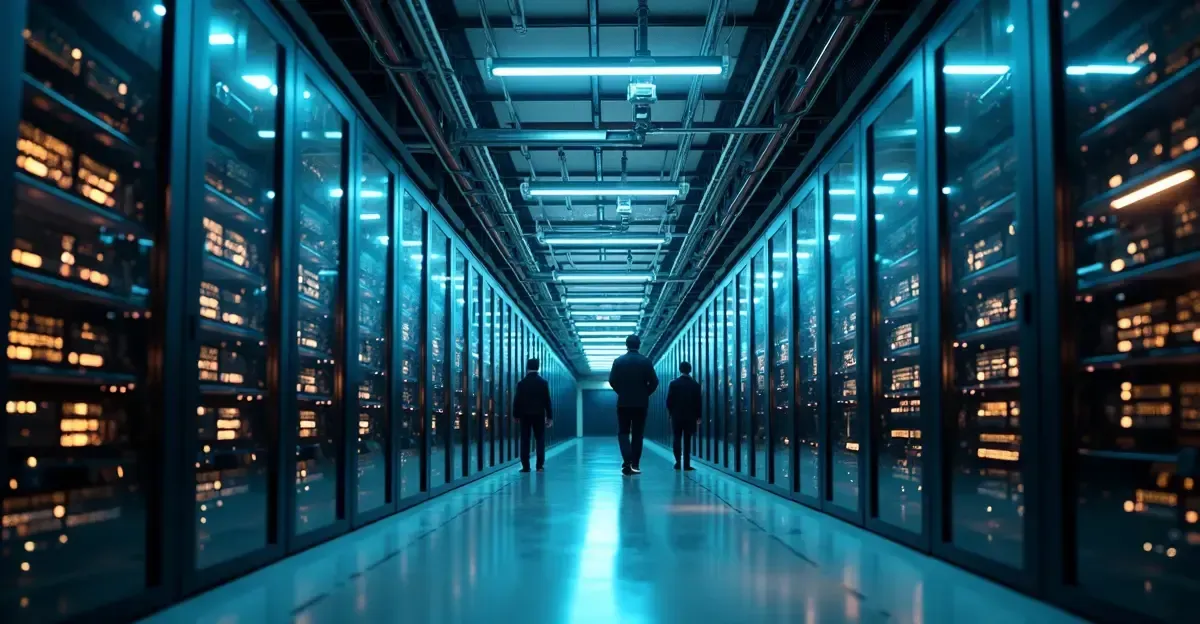
The global artificial intelligence boom is driving an unprecedented surge in electricity demand, with AI data centers projected to consume over 1,000 terawatt-hours (TWh) of electricity in 2026 — more than the entire annual consumption of most countries, including France or the United Kingdom. This structural power deficit is reshaping global electricity markets, forcing a historic realignment of energy strategy as Big Tech signs landmark nuclear restart deals and geothermal partnerships to secure reliable, round-the-clock power for their expanding AI infrastructure.
The Scale of AI's Energy Appetite
According to the International Energy Agency (IEA), global electricity supply to data centres is projected to grow from 460 TWh in 2024 to over 1,000 TWh by 2030, with the most aggressive scenarios reaching that threshold as early as 2026. The IEA's Electricity 2026 report, published in February 2026, highlights that data center power demand is accelerating faster than previously forecast, driven by the rapid deployment of AI training and inference workloads. In the United States alone, data centers are expected to consume between 6.7% and 12% of total electricity by 2028, up from 4.4% in 2023.
The four major tech companies driving this growth — Amazon Web Services (95 TWh/year), Microsoft Azure (72 TWh/year), Google Cloud (64 TWh/year), and Meta AI (28 TWh/year) — are all reporting year-over-year energy consumption growth of 29–52%. This surge has ended two decades of flat electricity demand in the U.S., with total consumption projected to reach 4,239 billion kWh in 2026, representing nearly 4% growth in just two years.
Nuclear Restart: The Three Mile Island Revival
The most symbolic deal of this new energy era is Microsoft's landmark 20-year power purchase agreement with Constellation Energy to restart Three Mile Island Unit 1 in Pennsylvania. The plant, which shut down in 2019 due to operating losses, will add 835 megawatts of carbon-free power — all directed to Microsoft data centers across Pennsylvania, Chicago, Virginia, and Ohio. Constellation is spending approximately $1.6 billion to refurbish the facility, and the Trump administration approved a $1 billion federal loan in November 2025, accelerating the restart date from 2028 to 2027.
"This agreement reflects Big Tech's growing need for reliable, round-the-clock, zero-carbon power that nuclear energy provides," a Constellation Energy spokesperson said. The deal has spurred similar agreements across the industry, positioning nuclear power as a critical solution for AI's massive energy demands. The Three Mile Island restart is one of three shuttered U.S. nuclear plants aiming to return to service this decade, alongside the Palisades plant in Michigan and Duane Arnold in Iowa.
Amazon and Google Go Nuclear
Amazon has signed a power purchase agreement with Talen Energy to secure 1,920 megawatts of carbon-free nuclear electricity from the Susquehanna nuclear plant in Pennsylvania, running until 2042. The deal supports Amazon's expanding cloud computing and AI infrastructure and includes exploring small modular reactor (SMR) technology. Amazon is also investing $20 billion in Pennsylvania — the largest private sector investment in state history — expected to create 1,250 high-skilled jobs.
Google has committed to 500 megawatts from Kairos Power's KP-FHR reactors, targeting commercial operation by 2030. Meta has announced the largest overall commitment, signing deals with TerraPower, Oklo, and Vistra to secure up to 6.6 gigawatts of nuclear power by 2035 for its Prometheus AI supercluster in Ohio. In total, as of May 2026, every major tech hyperscaler has signed at least one nuclear power deal, with 13 announced projects committing over 9.8 GW of nuclear capacity.
Geothermal: The Underground Solution
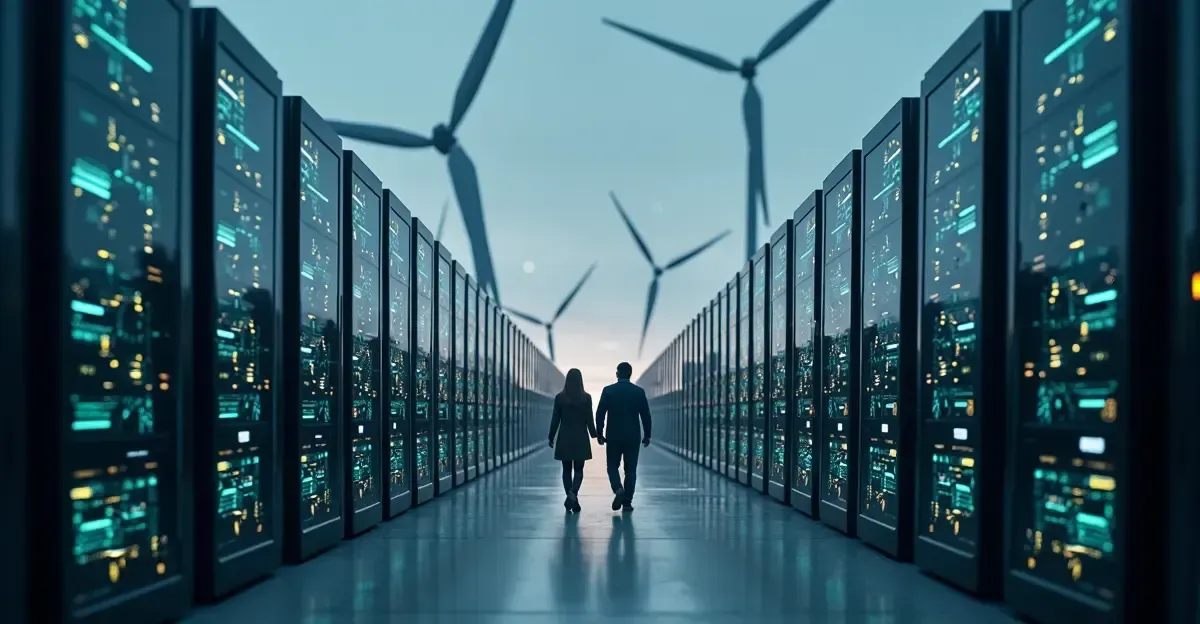
Beyond nuclear, Big Tech is increasingly turning to enhanced geothermal systems (EGS) as a source of firm, clean baseload power. Meta signed two PPAs in 2026 totaling 300 MW with XGS Energy (New Mexico) and Sage Geosystems (Texas). Google signed a 150 MW PPA with Ormat Technologies to power its Nevada data centers through NV Energy's Clean Transition Tariff program. Fervo Energy closed a $462 million Series E round in December 2025 backed by Google, targeting its 500 MW Cape Station project in Utah.
Investment in next-generation geothermal grew 85% in Q1 2025 alone to $1.7 billion. The geothermal energy for data centers trend is expanding beyond traditional hydrothermal regions into new geographies, leveraging oil and gas expertise for co-located energy-and-data complexes. Project InnerSpace analysis shows geothermal could supply electricity and cooling at costs comparable to natural gas by 2035 ($50–$60/MWh), with potential savings of up to $3.2 billion over 30 years for data centers using thermal energy for cooling.
Grid Strain and Rising Electricity Prices
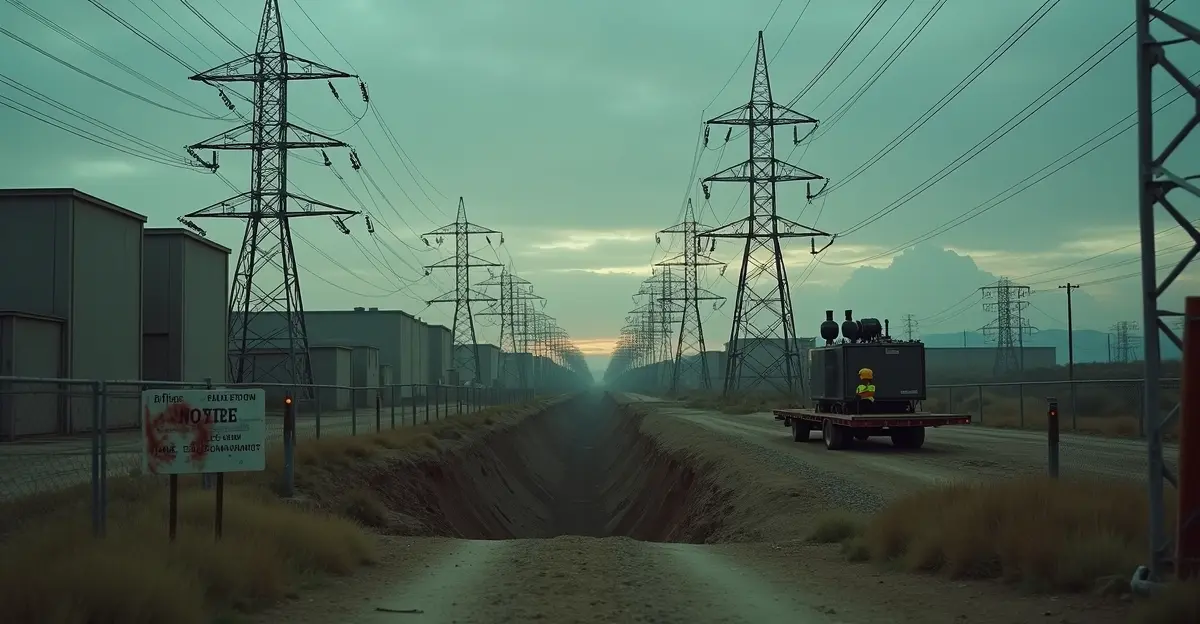
The collision between AI expansion and grid constraints is already driving up electricity prices for households. Residential electricity rates in the U.S. rose 5.2% year-over-year in early 2026, with average prices reaching 18.02 cents/kWh. Regional variations are stark: New England averages 30 cents/kWh, while Texas faces particular volatility. The PJM Interconnection, the largest grid operator in the U.S., projects a 6 GW shortfall by 2027 due to coal and gas retirements combined with intermittent renewable output and surging data center demand.
PJM capacity prices have spiked tenfold, and removing data centers from PJM forecasts would reduce capacity payments by $9.33 billion — a 64% reduction. An estimated $720 billion in grid upgrades is needed through 2030, but transmission permitting bottlenecks remain the key constraint on renewable expansion. The PJM grid capacity crisis has prompted the Trump administration and northeastern governors to request an emergency power auction to address cost spikes.
Consumer Reports documented cases where residential electric bills have spiked dramatically — one Virginia resident saw their monthly bill jump from ~$100 to $281 in a single month. Average overdue utility balances have risen 32% since 2022 to $789, pushing household energy affordability to the forefront of political debate.
Expert Perspectives
"The AI energy crunch is the defining energy-market story of 2026," said James O'Connor, energy analyst. "We are witnessing an unprecedented re-alignment where tech companies are transforming from passive grid consumers into active energy investors, pouring billions into nuclear restarts, geothermal projects, and advanced storage solutions. Reliable power access is becoming the new competitive bottleneck for AI expansion."
The IEA notes that despite rapid growth, data centres will account for about 3% of global electricity generation by 2030 — still a relatively small share, but concentrated in regions with already strained grids. CO2 emissions from data centre electricity generation are projected to peak around 320 Mt CO2 by 2030 before declining as nuclear and renewables displace fossil fuels.
FAQ: AI Data Center Energy Demand
How much electricity will AI data centers consume in 2026?
AI data centers are projected to consume over 1,000 TWh globally in 2026, more than the total electricity consumption of most countries including France and the United Kingdom.
Why are tech companies restarting nuclear plants?
Nuclear power provides reliable, round-the-clock, zero-carbon electricity essential for AI data centers that operate 24/7. Unlike intermittent solar and wind, nuclear offers firm baseload power, making it attractive for hyperscalers like Microsoft, Amazon, Google, and Meta.
How are AI data centers affecting household electricity bills?
Residential electricity prices in the U.S. have risen 5.2% year-over-year in 2026, with data center demand cited as a key driver. Regional grid operators like PJM project supply shortfalls, pushing up capacity prices and ultimately costs for consumers.
What is the role of geothermal energy in powering AI?
Enhanced geothermal systems (EGS) are emerging as a firm, clean power source for data centers. Meta, Google, and Microsoft have signed hundred-megawatt geothermal PPAs, with investment in next-gen geothermal growing 85% in early 2025.
Will AI data centers help or hinder the clean energy transition?
The impact is mixed. While tech companies are driving investment in nuclear and geothermal, over 60% of U.S. data center power still comes from fossil fuels. The IEA projects data center CO2 emissions will peak around 2030 before declining as clean baseload sources scale up.
Conclusion: A New Energy Paradigm
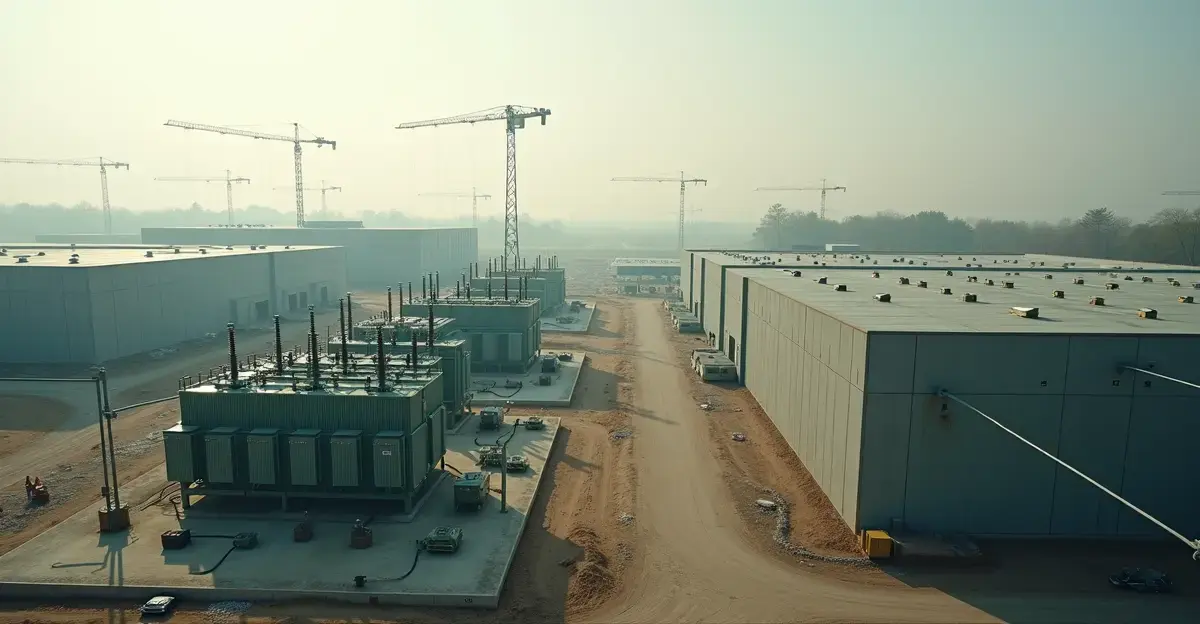
The AI energy revolution is forcing a fundamental rethinking of global electricity strategy. Big Tech's pivot from passive grid dependence to active energy investment — through nuclear restarts, geothermal partnerships, and SMR development — represents a structural shift in how the world's most valuable companies approach power. The future of AI and energy policy will be shaped by the race to deploy clean baseload capacity fast enough to meet demand without derailing climate goals or burdening households with higher costs. With grid interconnection delays stretching to 3+ years and transformer lead times of 2–4 years, the bottleneck is no longer computing power — it's electrical power.

Follow Discussion