


 English
 Nederlands
 Deutsch
 Français
 Español
 Português

Daily News Summary – 2026-06-11 – en

Today, June 11, 2026, was marked by a tragic school bus crash in the Netherlands claiming four lives, a deadly police raid in Toronto linked to a consulate shooting, and escalating tensions in the ongoing US-Iran war. Meanwhile, the UK's competition authority launched a probe into Ryanair's family seating fees, and new polls show a dramatic collapse in European trust in US security guarantees. The global critical minerals race intensified with new US initiatives, and AI energy demands drive nuclear power deals. The day also saw continued unrest in Belfast and further developments in the Epstein investigation.
Top Stories
Toronto police officer killed in raid linked to US consulate shooting

A 43-year-old Toronto police officer was shot and killed during a raid connected to a March 2026 shooting at the U.S. Consulate. One suspect was arrested; another remains at large. The incident underscores cross-border security concerns amid ongoing US-Iran tensions.
Tragedy Strikes School Camp in Zeeuws-Vlaanderen: Fourth Victim Dies

A car plowed into a group of schoolchildren and teachers cycling during a school camp near Axel, Netherlands, killing three pupils and one teacher. Three other children remain hospitalized. The 19-year-old driver was arrested.
UK Watchdog Launches Investigation Into Ryanair's Family Seating Charges

The UK's Competition and Markets Authority is investigating Ryanair's mandatory seat reservation fees for parents traveling with children aged 2-11. Ryanair calls the probe 'bogus'. If found in breach, the airline could face fines up to 10% of global turnover.
US Airstrikes Destroy Civilian Water Infrastructure in Southern Iran
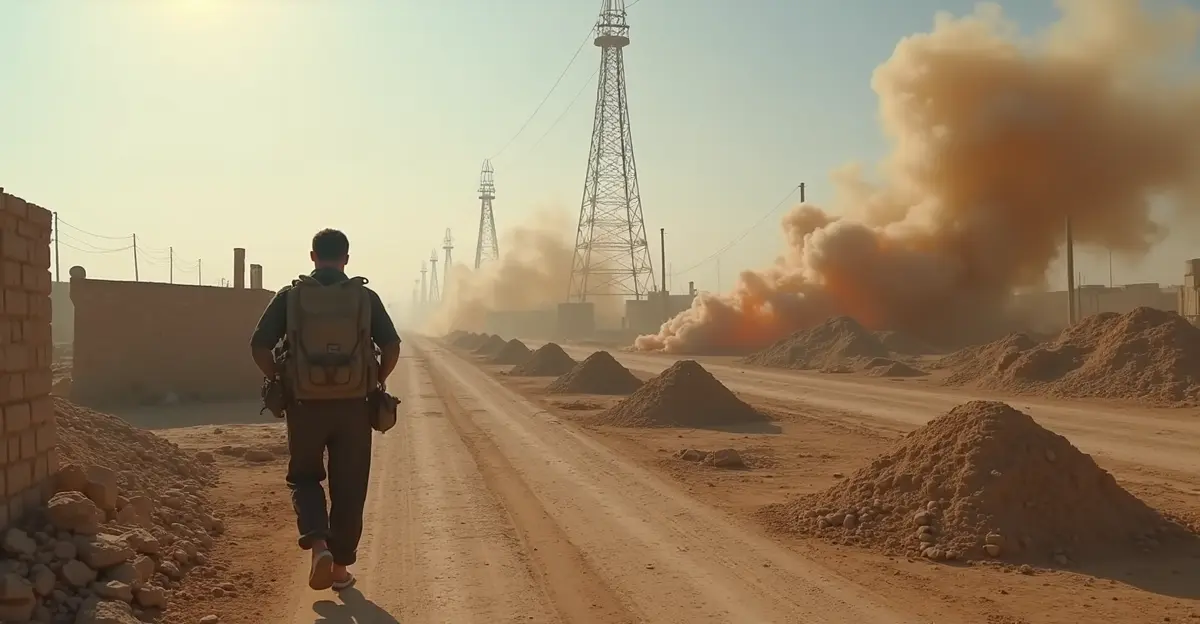
U.S. airstrikes on June 10 destroyed two water storage tanks in Hormozgan Province, cutting off supply to over 20,000 residents. Bomb fragments confirm use of U.S. precision-guided munitions. The attack raises potential war crime concerns under international law.
Trump Threatens 'Very Hard' Strikes on Iran as US-Iran Conflict Escalates
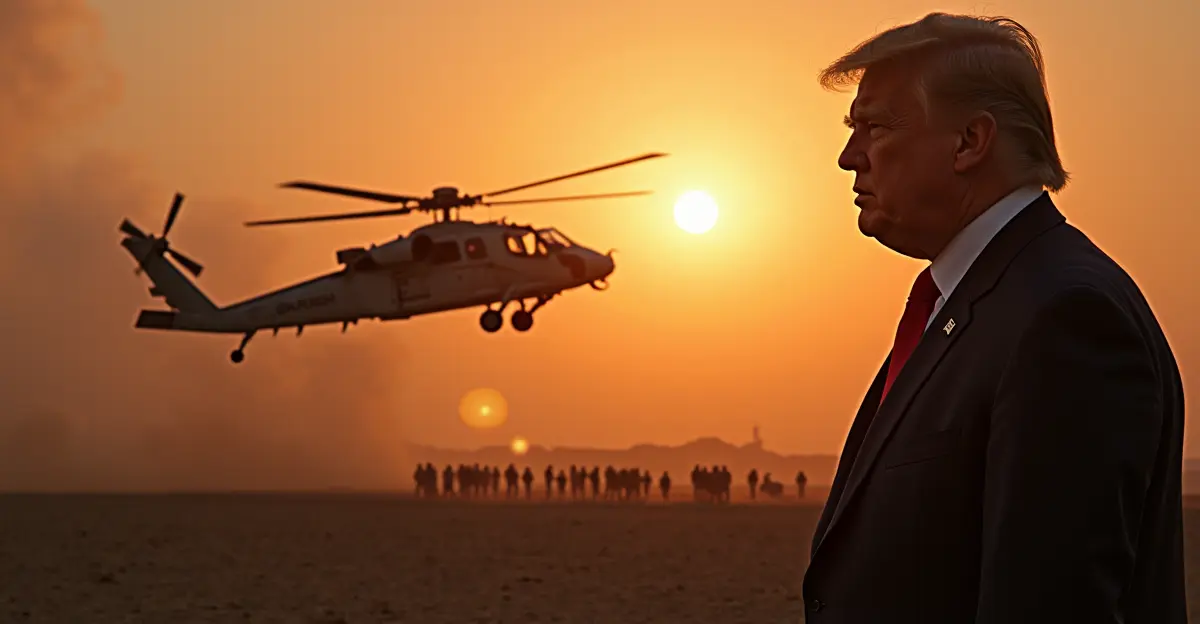
President Trump warned the U.S. will attack Iran 'very hard' if no peace deal is reached. The threat follows US strikes on Iranian targets after Iran shot down a US Apache helicopter. The 2026 Iran war has cost $32 billion and killed 15 US service members.
Also Notable
Geopolitics
Europe's Trust in US Security Guarantees Collapses to Historic Low
Only 11% of Europeans view the US as an ally, down from 35% in 2022, according to a major ECFR poll. Half consider the US a 'necessary partner'. Europeans now support higher defense spending and joint EU borrowing for security.
Critical Minerals Geopolitics in 2026: Supply Chains and Global Power Shifts

The scramble for lithium, cobalt, and rare earths reshapes alliances. The US launched FORGE with 54 nations and a $12 billion strategic reserve. China's 15th Five-Year Plan reinforces its processing dominance. Gulf states emerge as new players.
BRICS mBridge: The CBDC Platform Bypassing SWIFT for Cross-Border Trade

Under India's BRICS chairship, the mBridge multi-CBDC platform moved to operational status, processing over $55 billion in transactions. The system bypasses SWIFT and enables real-time settlement in digital rupees, yuan, and other currencies, challenging dollar dominance.
The Geopolitics of Critical Minerals in 2026: A New Arms Race
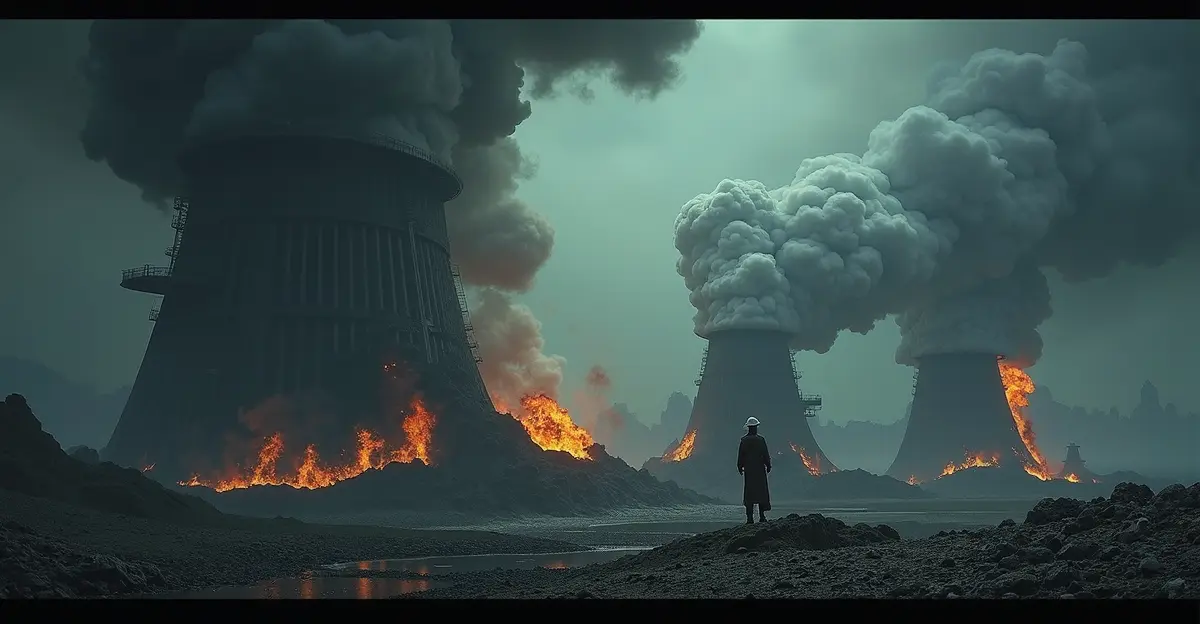
The global race for critical minerals has reached a strategic inflection point. With US Project Vault, EU CRMA, and China's export controls, supply chains are fragmenting. The West faces a narrow window to diversify before dependencies become entrenched.
Critical Minerals Arms Race: Lithium, Rare Earths, and the Energy Transition
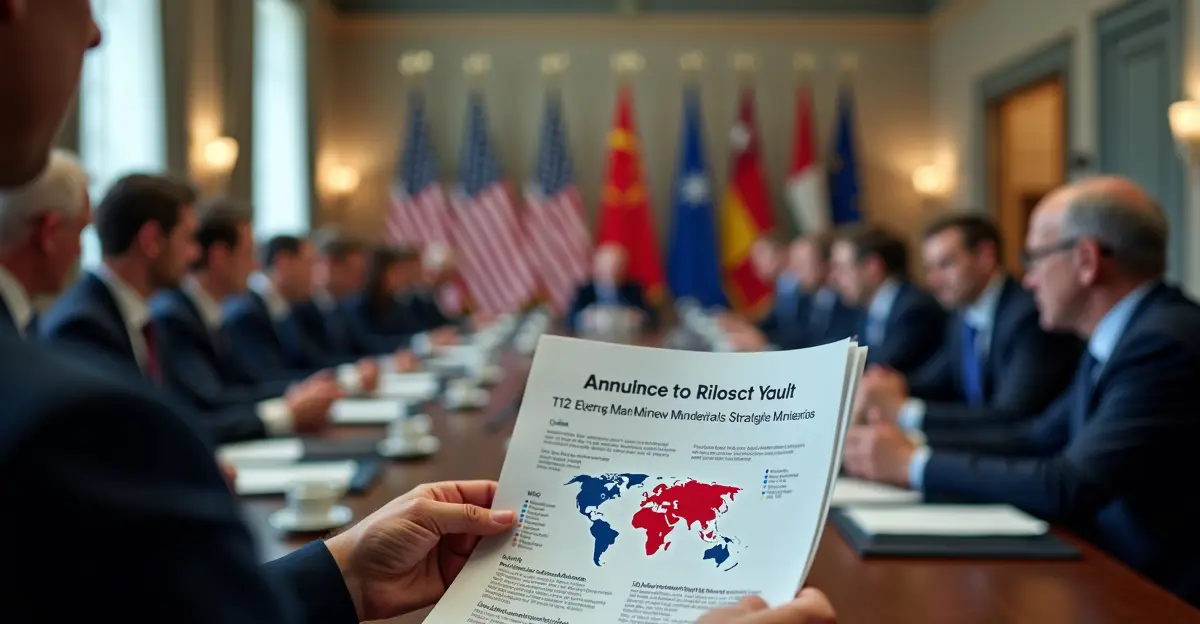
The US, EU, and China are deploying aggressive strategies to secure critical minerals. ODI and S&P Global confirm that supply chains are the primary arena of strategic competition. Developing countries face both opportunities and risks in the new geopolitics.
US-EU Critical Minerals Action Plan: Can the West Break China's Rare Earth Grip?

The US and EU signed a Critical Minerals Action Plan backed by $30 billion and the FORGE framework. The initiative aims to counter China's 90% control of rare earth processing, but structural bottlenecks and China's 15th Five-Year Plan pose significant challenges.
BRICS Bridge: The CBDC Payment System That Could Reshape Global Finance

The expanded BRICS+ bloc operationalized the BRICS Bridge payment system using CBDCs and a gold-backed UNIT token. With the dollar's reserve share declining to 56.3%, the initiative marks the most tangible step toward a multipolar monetary order.
FORGE: The US-Led Coalition to Break China's Rare Earth Dominance

The Forum on Resource Geostrategic Engagement (FORGE), launched with 54 nations, aims to create a preferential trade zone for critical minerals. It replaces the Minerals Security Partnership and mobilizes over $30 billion. Analysts question whether it can overcome China's entrenched advantages.
War
Strait of Hormuz Crisis: The World's Most Critical Energy Chokepoint Closes

The near-complete closure of the Strait of Hormuz has removed 20% of global oil supply, sending Brent crude above $100. The disruption is three to five times larger than any previous geopolitical oil shock, with severe impacts on developing economies.
Trade War
Geoeconomic Confrontation Tops WEF Global Risks Report 2026

For the first time, the World Economic Forum ranks geoeconomic confrontation as the top short-term global risk. Over 18,000 discriminatory trade measures have been enacted since 2020. Companies are shifting from just-in-time to just-in-case supply chains, increasing costs.
China's Critical Minerals Export Controls: A New Economic Warfare
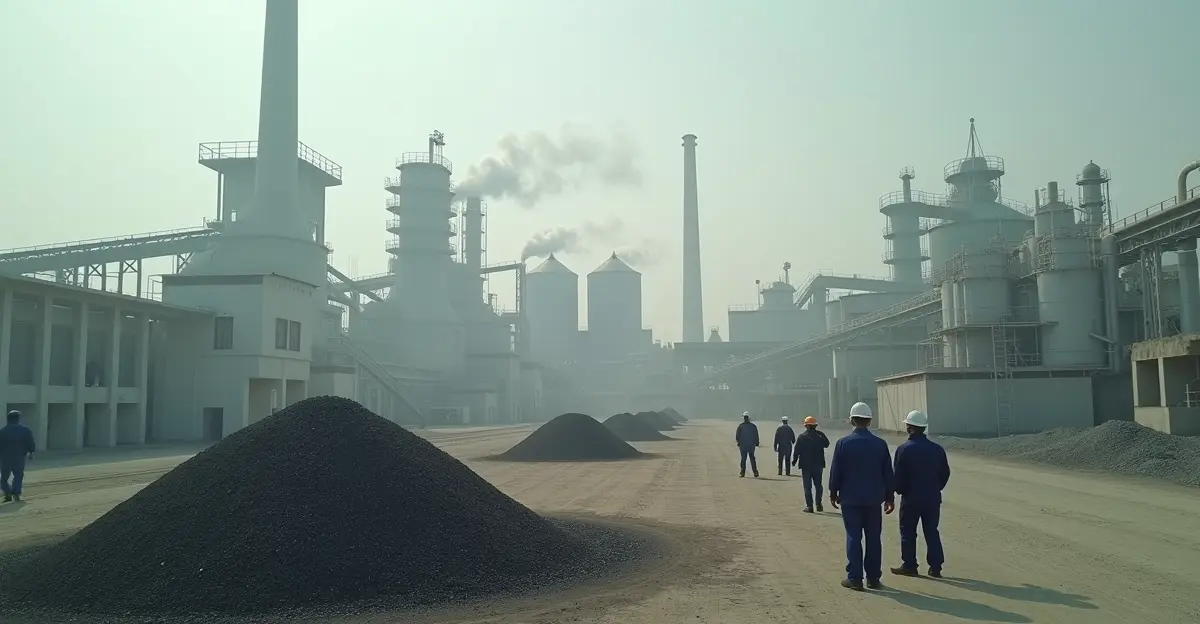
China's export controls on rare earths, tungsten, and antimony have triggered sixfold price spikes outside China. European firms face licensing approval rates below 25%. The West has a 12-18 month window to act before dependencies become structural.
AI Chip War: US BIS Case-by-Case Licensing and China's Rare Earth Retaliation
The U.S. adopted case-by-case licensing for AI chip exports to China, while Beijing tightened rare earth controls. The calibrated decoupling is fragmenting semiconductor supply chains and creating parallel AI ecosystems.
Politics
Bill Gates Testifies Before House Oversight Committee
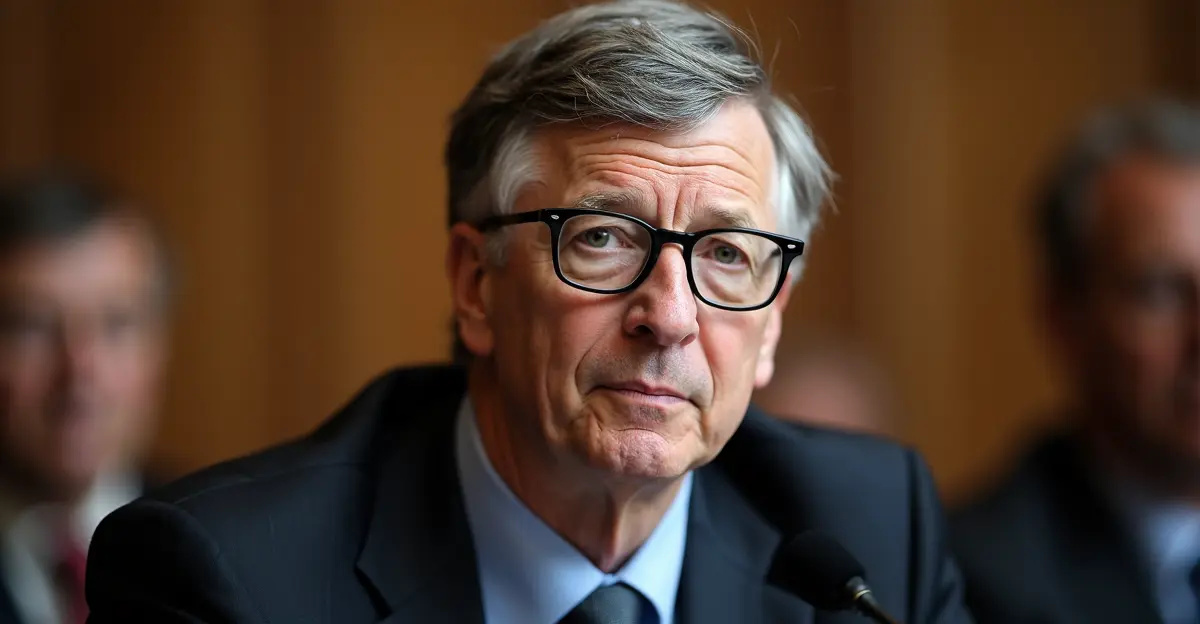
Bill Gates testified that Jeffrey Epstein attempted to blackmail him using information about extramarital affairs. Gates called his association with Epstein a 'grave error in judgment' and denied knowledge of Epstein's crimes.
US Defense Secretary Hegseth: Guantanamo Detainees 'Should Have Been Executed'

Defense Secretary Pete Hegseth, a former guard at Guantanamo, said detainees 'should have been executed a long time ago'. His remarks draw criticism from human rights groups. 15 detainees remain at the facility.
Crime
Fresh Violence Erupts in Northern Ireland: Police Deploy Water Cannons

For a second night, anti-immigrant riots broke out in Belfast. Police used water cannons to disperse rioters throwing stones and petrol bombs. The unrest followed a stabbing attack by a Sudanese national. 12 officers were injured.
Belfast Riots: 12 Police Injured, 16 Arrested as Violence Spreads

A second night of rioting in Belfast left 12 police officers injured and 16 arrested. Masked rioters attacked police with bricks and petrol bombs. A nurse was chased into a hospital in a racist attack.
Economy
Middle Eastern Sovereign Wealth Funds Line Up Billions for SpaceX IPO
Saudi Arabia's PIF, Kuwait Investment Authority, and Qatar Investment Authority have placed multi-billion-dollar orders for the upcoming SpaceX IPO, which aims to raise $75 billion at a $1.77 trillion valuation. The IPO is oversubscribed by over $250 billion.
Crypto
EU Proposes Banning Transactions on 11 Crypto Platforms as Part of Russia Sanctions

The EU's 21st sanctions package proposes banning transactions with 11 cryptocurrency platforms to prevent Russia from using crypto to evade sanctions. The move marks the first time the bloc specifically targets digital asset exchanges.
AI
AI's Energy Hunger: The Nuclear Nexus Reshaping Global Power Markets
AI data centers are projected to consume over 500 TWh in 2026. Tech giants like Microsoft, Amazon, Google, and Meta are signing multi-decade nuclear PPAs, creating a parallel energy economy. By 2030, one-third of data centers may operate off-grid.
 Share this article



