


 Deutsch
 English
 Español
 Français
 Nederlands
 Português


 Share
Share




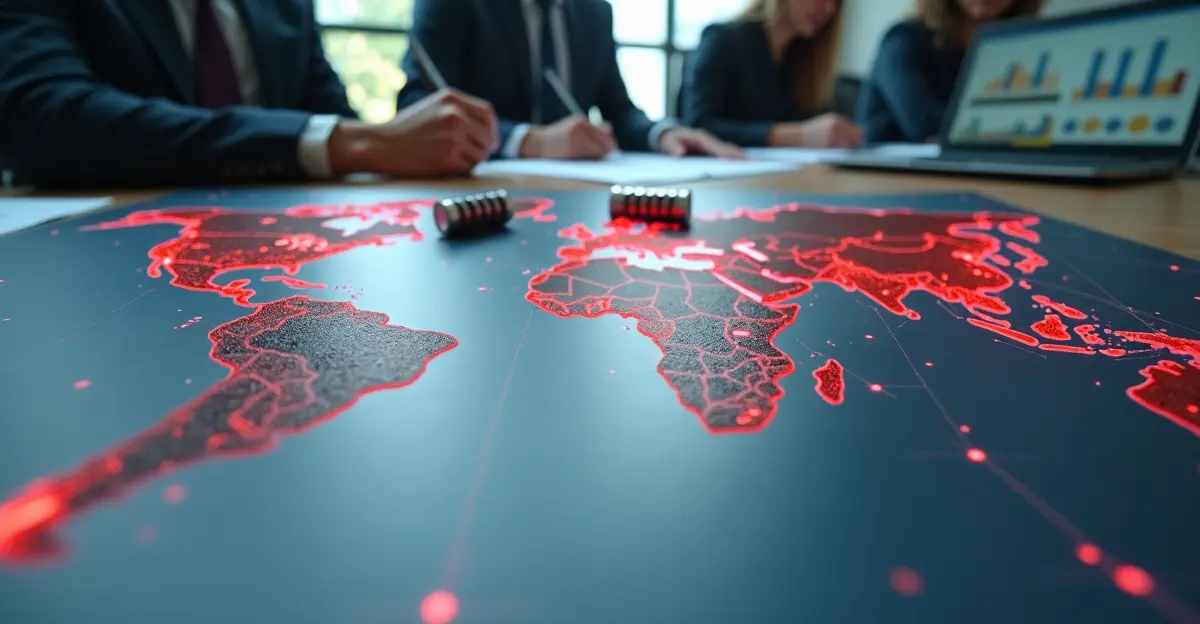
As China tightens its grip on rare earths and lithium processing, the Critical Minerals Arms Race has reached a decisive inflection point. On February 4, 2026, Washington hosted the Critical Minerals Ministerial with representatives from 54 countries and the European Commission, producing 11 new bilateral supply frameworks and launching the Forum on Resource Geostrategic Engagement (FORGE). With Beijing controlling roughly 90% of rare earth refining and 60% of lithium chemicals, Western governments are scrambling to build alternative supply chains for electric vehicles, defense systems, and AI data centers.
What Is Driving the Critical Minerals Arms Race?
This is not just a mining contest—it is a battle over processing, refining, and manufacturing. China has used its near-monopoly in rare earth refining to impose export licensing on medium and heavy rare earths, including dysprosium and terbium used in permanent magnets. According to a 2026 report by The Asia Group, Beijing also controls 80% of tungsten and 60% of antimony. Since 2020, over 100 new export restrictions on critical raw materials have fragmented the market into rival blocs, while UNCTAD projects lithium demand will surge 353% by 2040.
The February 2026 Washington Ministerial: A Turning Point
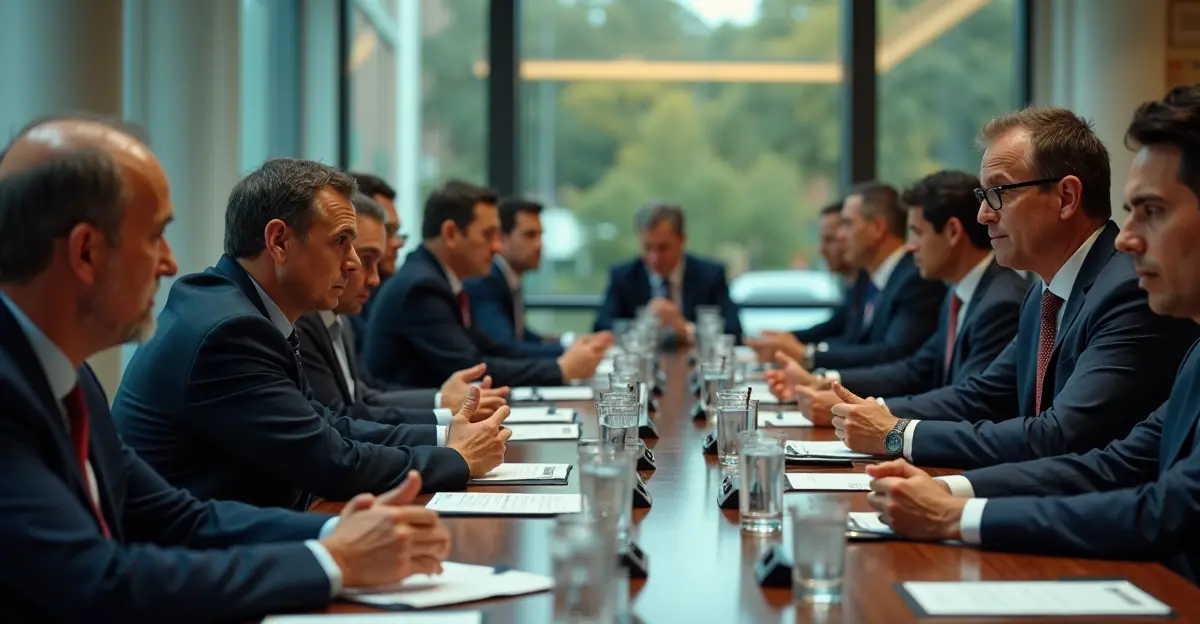
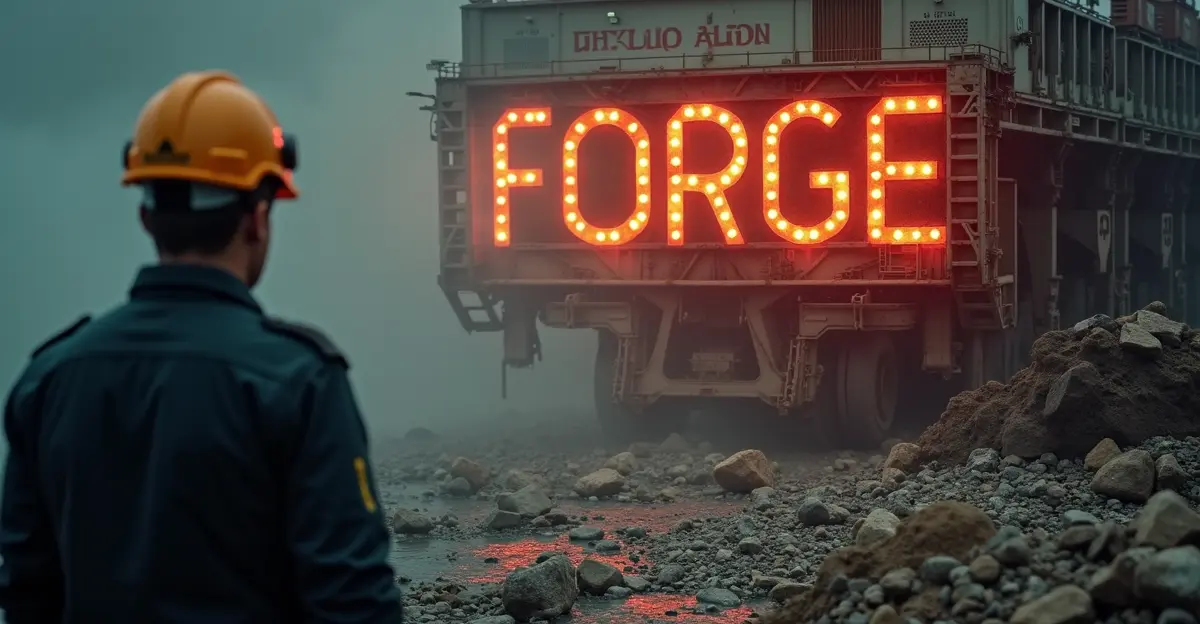
Led by Secretary of State Marco Rubio and Vice President JD Vance, the ministerial launched the FORGE alliance, chaired by the Republic of Korea through June 2026. Washington signed 11 bilateral frameworks with Argentina, Peru, the Philippines, the UAE, and the UK, and mobilized over $30 billion. Key moves included EXIM's $10 billion Project Vault strategic reserve, $1.3 billion for Pakistan's Reko Diq copper-gold project, and backing for the Glencore–Orion cobalt and copper MOU. Vance declared: We are no longer willing to outsource our industrial future to countries that can turn off the spigot overnight.
New Players Reshape the Landscape: EU, Saudi Arabia, and UAE
The European Union is pushing its EU Critical Raw Materials Act, selecting 60 Strategic Projects and targeting 10% extraction, 40% processing, and 25% recycling by 2030. Yet a financing gap exceeding €100 billion leaves Europe dependent on China for 98% of rare earths and 97% of lithium. Meanwhile, Saudi Arabia and the UAE are emerging as a third pole, using sovereign wealth to acquire mining stakes and build refining capacity outside China's orbit.
What Does This Mean for Global Supply Chains?
For EV makers, defense contractors, and AI data center supply chains, the next 24 months will be defined by diversification, stockpiling, and friend-shoring. Rebuilding independent rare earth and lithium processing could take 20–30 years, with bottlenecks in permitting, infrastructure, and skilled labor. The fragmentation into rival blocs also risks a bifurcated market where standards and pricing differ between FORGE and China's state-backed systems.
FAQ: Critical Minerals Arms Race
What is the Critical Minerals Arms Race?
It is the geopolitical competition among major powers to secure minerals essential for clean energy, defense, and advanced technology, especially as China dominates processing.
Which country controls the most rare earth processing?
China controls approximately 90% of rare earth refining and 60% of lithium chemical processing, giving it immense leverage over downstream industries.
What is FORGE?
FORGE, the Forum on Resource Geostrategic Engagement, is a 54-nation alliance launched in February 2026 to coordinate critical minerals supply chains and counter China's dominance.
Can the West replace China's supply chain quickly?
No. Analysts estimate it could take 20–30 years to rebuild independent processing capacity due to permitting, infrastructure, and skilled labor constraints.
Conclusion: A Decisive Decade Begins
The February 2026 ministerial was a declaration that the geopolitical competition for minerals will define the next decade. Whether FORGE and EU efforts can turn billions into operational mines and refineries will determine which economies power the energy transition and AI infrastructure of the future.

Follow Discussion