


 Deutsch
 English
 Español
 Français
 Nederlands
 Português


 Share
Share




The Battle for Critical Minerals Intensifies
The February 2026 Critical Minerals Ministerial in Washington marked a pivotal moment in the global race for critical minerals. With 54 nations participating and 11 new bilateral supply frameworks signed in a single day, the event underscored how resource nationalism is fundamentally redrawing geopolitical alliances. As China maintains control over roughly 90% of rare-earth processing and over 60% of lithium refining, the United States, European Union, and allied nations are scrambling to build alternative supply chains through initiatives like the FORGE partnership and the EU's Critical Raw Materials Act (CRMA) Strategic Projects.
China's Strategic Dominance and the 15th Five-Year Plan
China's 15th Five-Year Plan (2026–2030) further cements Beijing's grip on critical mineral supply chains. The plan, released in October 2025, builds on export controls introduced in 2025 that cover 12 of 17 rare earth elements, finished magnets, and processing technologies. These controls use a non-automatic licensing system that differentiates approvals based on diplomatic alignment rather than market signals. The result has been price spikes of up to sixfold outside China, while licensing approvals for European firms have fallen below 25% in some sectors.
China has invested $57 billion in critical minerals since 2000, creating a vertically integrated industrial ecosystem from mine to magnet. Western projects, by contrast, are not expected to reach scale until 2035 — by which time China's processing share could exceed 90%. As one analyst noted, "Every wind turbine, EV, and defense system now depends on inputs China can throttle through policy design, not geological scarcity."
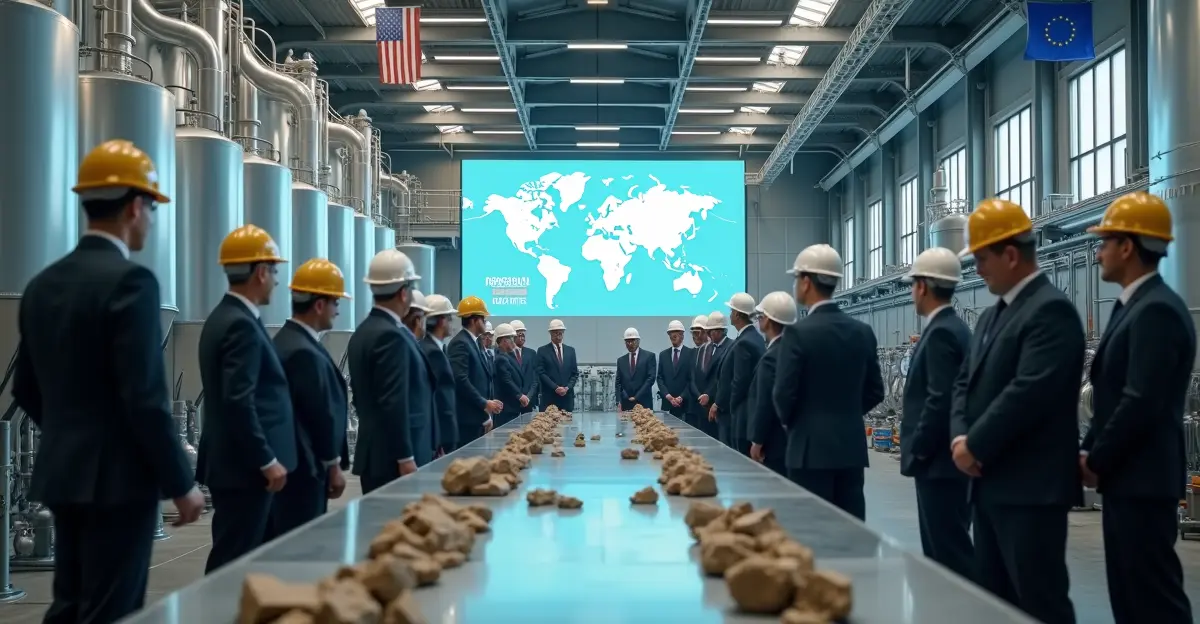
The geopolitical implications of China's rare earth dominance extend far beyond trade, affecting everything from electric vehicle production to advanced weapons systems.
Resource Nationalism: Producer Nations Seize the Leverage
Resource-rich nations across the Global South are increasingly leveraging their mineral endowments to demand domestic processing, local beneficiation, and higher revenue shares. Indonesia, the world's largest nickel producer, maintained its export ban on nickel ore through 2026, forcing downstream processing to be built domestically. The policy transformed processed nickel exports from $3.3 billion in 2017 to $33.9 billion in 2024, serving as a template for other nations.
Chile and Mexico moved to nationalize lithium reserves, while the Democratic Republic of Congo raised royalties on cobalt exports and imposed production quotas. Zimbabwe now requires local processing for critical minerals. This shift represents a decisive power transfer from consuming nations to producer countries, forcing the US, EU, and others to offer infrastructure, technology transfer, and industrial partnerships rather than just cash.
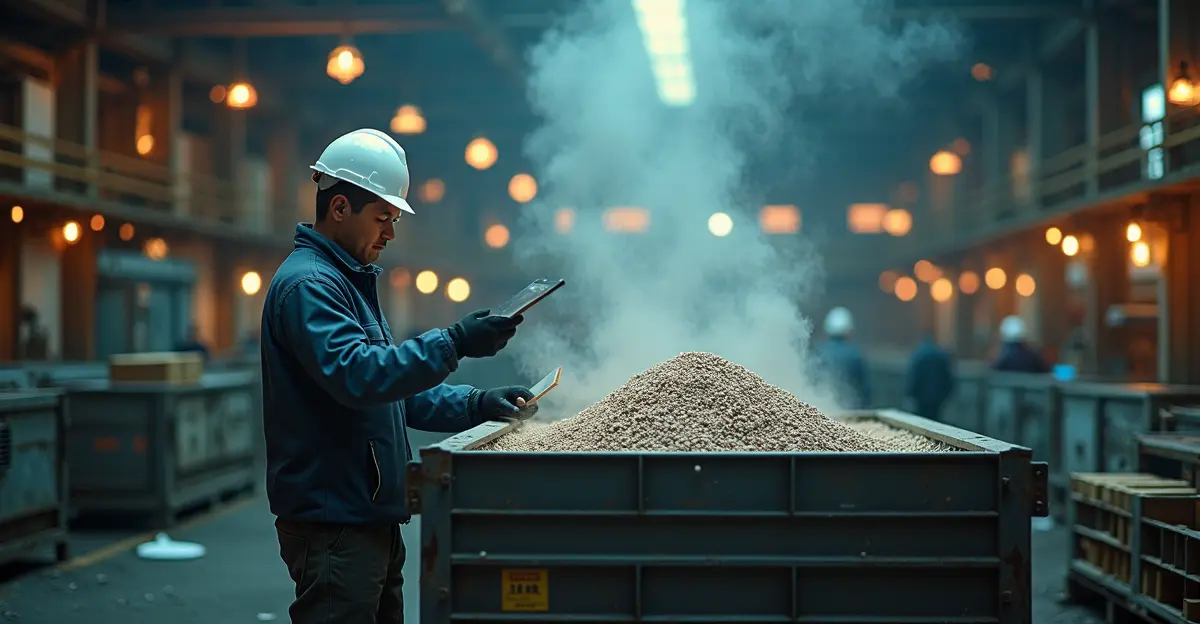
The resource nationalism trend in the Global South is reshaping clean energy supply chains and challenging traditional investment models.
FORGE and Project Vault: America's Counteroffensive
At the February 2026 Ministerial, Secretary of State Marco Rubio launched FORGE (Forum on Resource Geostrategic Engagement) as the successor to the Minerals Security Partnership. FORGE creates a preferential trade-and-investment zone with coordinated price floors to counter China's market manipulation. South Korea chairs the initiative through June 2026, with the United States assuming chairmanship thereafter. The framework aims to link 21 bilateral agreements signed over five months into a functioning system covering two-thirds of the global economy.
Complementing FORGE is Project Vault, a $12 billion public-private initiative backed by a $10 billion EXIM Bank loan that establishes the U.S. Strategic Critical Minerals Reserve. The stockpile will store rare earth elements, lithium, cobalt, and other minerals essential for defense systems, EV batteries, and advanced manufacturing. Private participants include GE Vernova, Boeing, General Motors, and Western Digital. In total, the U.S. government has mobilized over $30 billion in letters of interest, investments, and loans for critical mineral projects.
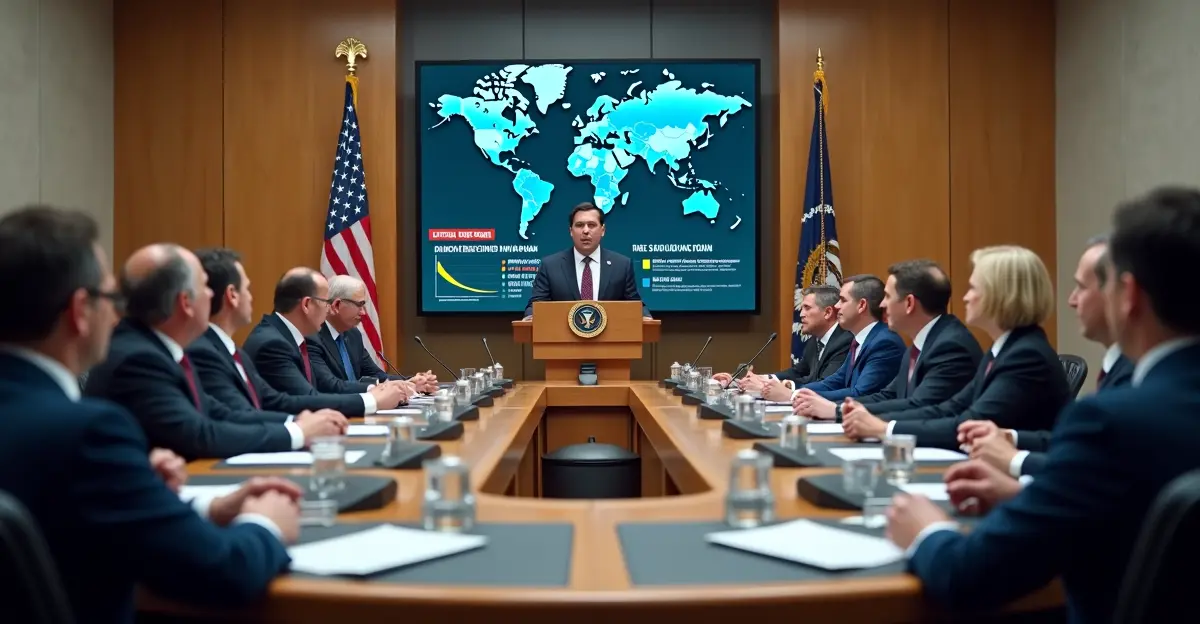
The FORGE partnership and its impact on global supply chains represents the most ambitious Western effort to date to challenge Chinese dominance.
EU's Critical Raw Materials Act: Strategic Projects Take Shape
The European Union activated 60 Strategic Projects under its Critical Raw Materials Act, with a second call for applications closing in January 2026 that received over 160 proposals. The CRMA aims to boost EU capacity in extracting, processing, and recycling strategic raw materials while diversifying supplies from third countries. Strategic raw materials are vital for green and digital transitions, as well as defense and aerospace resilience.
However, the EU faces significant challenges. Over 80% of European companies depend on Chinese supply chains for defense, EV, and renewable energy materials. Building alternative processing capacity could take 20-30 years, far exceeding the current 12-18 month geopolitical window for Western action. Critical shortages are already impacting European defense contractors unable to secure magnets for missile guidance systems.
New Entrants: Saudi Arabia and the UAE Enter the Race
Saudi Arabia and the United Arab Emirates are pivoting from oil dependency to become key players in the critical minerals race. Saudi Arabia's Vision 2030 strategy targets $2.5 trillion in mineral wealth, with plans to mobilize $100 billion in mining investments by 2035 through its Manara Minerals venture — a joint venture between the Public Investment Fund (PIF) and Ma'aden. The Kingdom is also negotiating with four global firms to build domestic rare earth processing and magnet manufacturing.
The UAE takes a complementary approach, deploying sovereign funds like ADQ and Mubadala as investment intermediaries, including the $1.8 billion Orion Critical Mineral Consortium. Both Gulf states leverage financial capital, strategic geography, and trade networks to position themselves as essential nodes in the energy transition supply chain. However, they must balance deepening ties with China against alignment with Western de-risking efforts.
The Gulf states' critical minerals pivot adds a new dimension to the global competition, potentially offering Western markets alternatives to Chinese supply chain dominance.
Implications for Net-Zero Timelines
The concentration of critical mineral supply chains poses a direct threat to global net-zero timelines. The IEA's Global Critical Minerals Outlook 2026 projects that demand for critical minerals will nearly double by 2040 under current policies. Lithium demand is expected to grow more than threefold, while copper records the largest volume increase. Yet supply gaps persist: copper and lithium gaps have narrowed to about 25%, while cobalt's supply gap widens to over 25% due to DRC export quotas.
A structural imbalance remains — while mining capacity is expanding regionally, refining and downstream manufacturing remain heavily concentrated, particularly for rare earths, lithium, and nickel. Without rapid diversification, the energy transition itself could become a bottleneck for geopolitical leverage.
FAQ
What are critical minerals?
Critical minerals are raw materials essential for national economies and security but with vulnerable supply chains. They include rare earth elements, lithium, cobalt, nickel, and others needed for energy transition technologies, defense systems, and advanced manufacturing.
Why does China dominate critical mineral processing?
China controls roughly 90% of global rare earth processing and over 60% of lithium refining due to decades of strategic investment — over $57 billion since 2000 — combined with lower environmental standards, state subsidies, and vertical integration from mine to magnet.
What is FORGE?
FORGE (Forum on Resource Geostrategic Engagement) is a U.S.-led plurilateral coalition launched in February 2026 to replace the Minerals Security Partnership. It creates a preferential trade-and-investment zone with coordinated price floors for critical minerals, involving 54 nations and 21 bilateral agreements.
How does resource nationalism affect supply chains?
Resource-rich nations like Indonesia, Chile, and the DRC are imposing export controls, nationalizing reserves, and demanding domestic processing. This shifts leverage to producer countries, forcing consuming nations to offer infrastructure and technology transfer rather than just purchasing raw materials.
What is Project Vault?
Project Vault is a $12 billion public-private initiative launched in February 2026 to establish the U.S. Strategic Critical Minerals Reserve. Backed by a $10 billion EXIM Bank loan, it stockpiles rare earths, lithium, cobalt, and other minerals to shield domestic manufacturers from supply shocks.
Conclusion
The critical minerals race has become the defining geopolitical-economic story of early 2026. With China's 15th Five-Year Plan cementing its dominance, resource nationalism spreading across the Global South, and Western powers scrambling to build alternative frameworks through FORGE and the CRMA, the battle for these essential materials is fundamentally redrawing global alliances. The next 12-18 months will be critical for implementation, as the window for meaningful diversification narrows and net-zero timelines hang in the balance.



Follow Discussion